A year in the fife of men and women, bucks and does
by Ward Archer
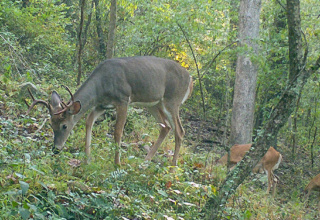
If you have ever watched a whitetail deer long enough, eventually a quiet realization sets in. You are not just observing wildlife; you are watching a mirror with hooves. Somewhere between a buck ghosting through the timber alone and a doe managing three generations in one hayfield, the entire human family dynamic is laid bare.
Nature, it turns out, has a sense of humor. And she’s not subtle about it.
Let’s begin with the buck, because like most men, he prefers it that way.
The Buck and the Man: Solitude, with Occasional Social Appointments
For most of the year, an adult whitetail buck is a solitary creature. He moves alone, eats alone, and sleeps alone. He does not explain himself. He does not apologize for his calendar. If you bump him while scouting, he looks offended, as if you showed up uninvited to his garage.
This is the adult male in his natural state.
Men, much like bucks, thrive on a certain level of isolation. Not loneliness. Solitude. There is a difference. Solitude is the ability to sit quietly, stare at nothing in particular, and feel productive. A buck does this while chewing his cud. A man does this while sitting on a bucket in the garage.
Both are deeply content.
The buck’s year revolves around feeding, resting, avoiding danger, and quietly upgrading his headgear. The man’s year is much the same, although antler growth has been replaced by improving lawn equipment, firearms, grills, or obscure hobbies no one asked about.
Neither requires constant companionship. Both enjoy peace.
But then comes the bachelor group.
Bachelor Groups and Guys’ Nights
In late spring and summer, bucks form bachelor groups. They feed together, travel together, and tolerate one another in a loose social arrangement that is mostly unspoken. There is no leader, no emotional check-ins, and no long conversations. It is simply understood that they are better off sharing food sources and keeping an eye out.
This is men with friends.
Men do not need daily contact with their friends. They need periodic, concentrated doses. A fishing trip. A hunting camp. A garage night. A cookout where everyone stands instead of sitting, drinks something cold, and solves world problems they have no intention of fixing.
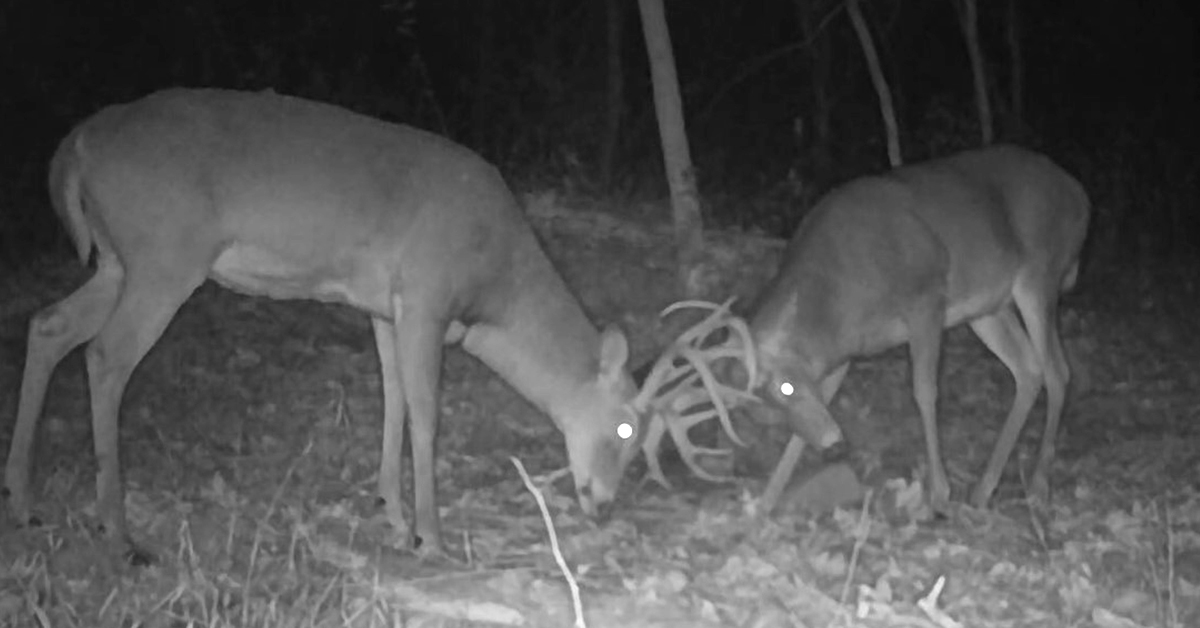
Bucks in bachelor groups behave the same way. They spar lightly, compare antlers, establish a vague hierarchy, and then go back to feeding. There is no drama. If one buck leaves, no one texts him to ask why.
Eventually, though, both men and bucks return to solitude.
And then autumn arrives.
The Rut and the Midlife Crisis
The rut is when the buck forgets everything he learned the rest of the year.
Suddenly, the cautious, calculated animal throws survival out the window. He moves in daylight. He crosses roads recklessly. He follows instincts instead of logic. He becomes unpredictable, emotional, and willing to fight for things he normally ignores.
This, coincidentally, aligns with many men’s midlife decision-making periods.
During the rut, bucks abandon bachelor groups, stop eating properly, and lose weight chasing does. Men, at various points in life, do the same chasing abstract versions of fulfillment, ambition, or that project car they swear will be finished “this winter.”
The rut does not last forever. It burns hot and fast. And when it’s over, the buck is exhausted, scarred, thinner, and wiser.
Men also come out the other side changed.
Enter the Doe: The Real Management System
While bucks are busy with solitude, social experiments, and seasonal chaos, does are running an entirely different operation.
A doe’s life is structured around relationships. She exists within a matriarchal system that values memory, cooperation, and survival through shared responsibility. Where bucks wander, does manage.
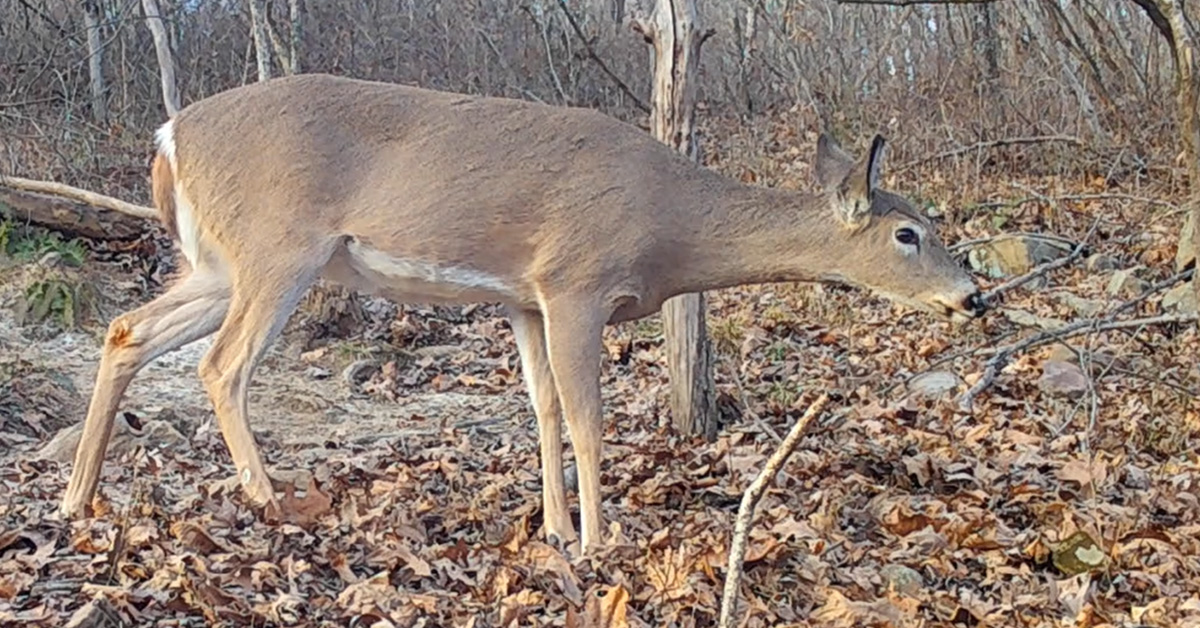
A mature doe leads her family group. Her daughters stay close. Her yearlings learn from her. She knows where to feed, where to bed, and where danger lives. She remembers which places are safe and which aren’t, often for years.
This is not instinct alone. It is experience.
This is also women.
Mothers, Grandmothers, and Herd Wisdom
In whitetail society, females form multi-generational family groups. Grandmothers teach mothers. Mothers teach daughters. Fawns grow up surrounded by caretakers who all contribute to their survival.
Sound familiar?
Human families function the same way, even if we pretend we don’t notice. Grandmothers pass down knowledge. Mothers coordinate daily survival. Aunts, sisters, and cousins fill gaps without fanfare.
The doe does not disappear once her offspring are grown. She remains involved. She protects, guides, and supports not just her direct young, but often their offspring as well.
In human terms, this is the grandmother who watches the kids so mom can work, the mother who checks in constantly, and the woman who somehow remembers everyone’s schedule without writing anything down.
Meanwhile, the buck has no idea where the calendar is.
The Female Herd and the Social Network
Does communicate constantly. They use body language, positioning, and vocalizations to keep the group aligned. They watch each other’s fawns. They respond quickly to threats. They adapt together.
Women do this instinctively.
Men often joke that women talk more. What they really mean is women exchange information more efficiently. A doe flicking her tail or stamping her foot communicates volumes. A mother sending a text saying “Be careful” does the same.
The herd survives because of this network.
Men, on the other hand, would still be standing in the field debating directions.
Marriage: Where the Buck and Doe Worlds Collide
Marriage is the point where solitary buck logic meets herd-based doe reality.
The husband, like a buck, values quiet, independence, and occasional social bursts. The wife, like a doe, values connection, planning, and long-term stability. Neither approach is wrong. Both are necessary.
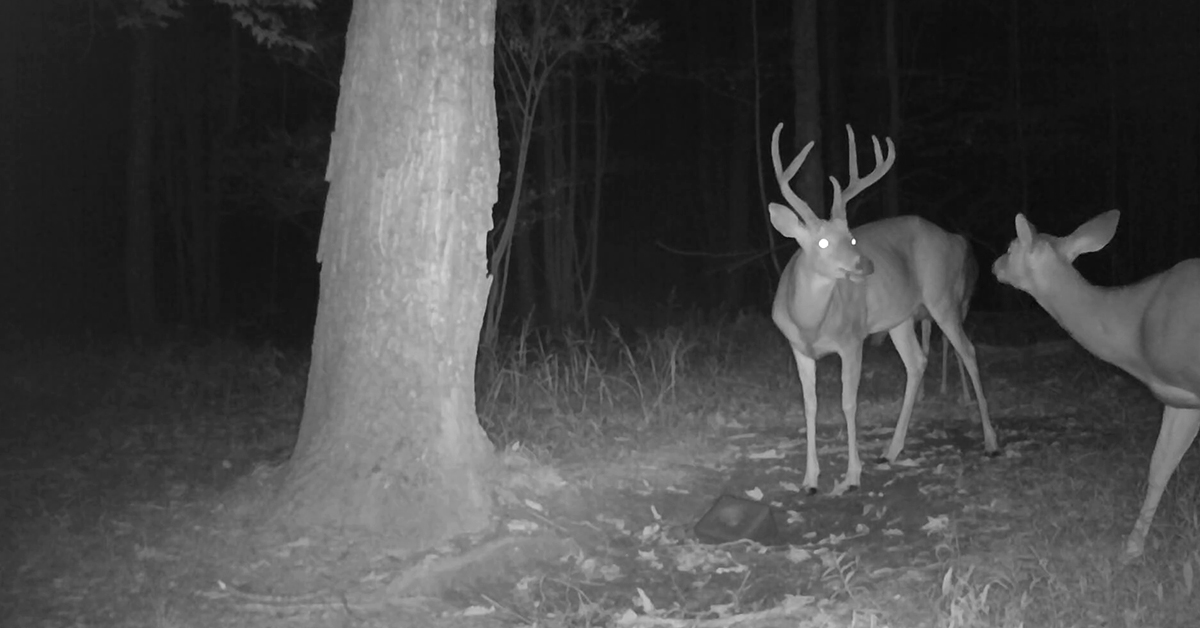
The man provides protection, problem-solving, and occasional brute force solutions. The woman provides structure, continuity, and emotional intelligence. Together, they raise children who benefit from both worlds.
In nature, fawns raised by attentive does in stable family groups survive better. In human families, children raised with strong maternal networks and steady paternal presence tend to thrive.
Again, nature is not subtle.
A Full Year in Perspective
By the end of the year, the buck returns to solitude, thinner but alive. The doe enters winter with her family intact, guiding them through scarce times. Both have done their jobs.
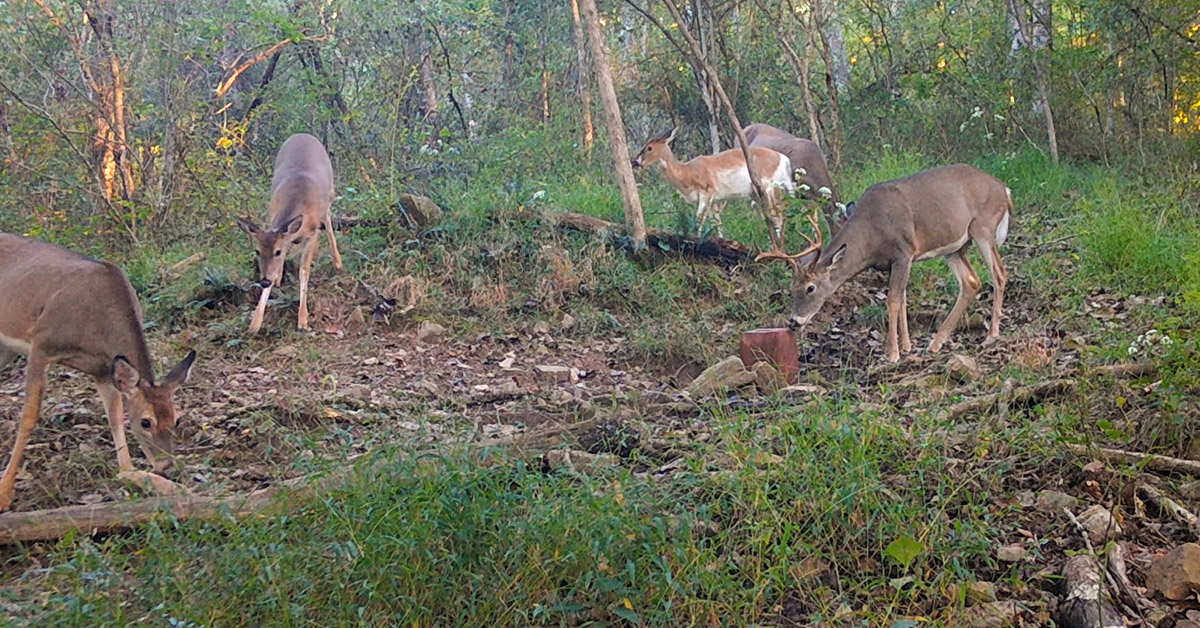
The man, having navigated work, responsibility, friendships, and family, finds himself older, perhaps wiser, and slightly more tired. The woman, having coordinated lives, nurtured relationships, and held the family together, does the same.
Different roles. Same mission.
Survival. Continuity. Growth.
The Takeaway from the Timber
The humor lies in how obvious it all is. We like to think we are different from the animals we hunt or watch. In truth, we are simply wearing better clothes and arguing about Wi-Fi.
Men and bucks value space, routine, and freedom. Women and does value connection, memory, and collective care. When each stays in their lane, the system works beautifully.
And when one forgets their role, chaos follows…usually around October.
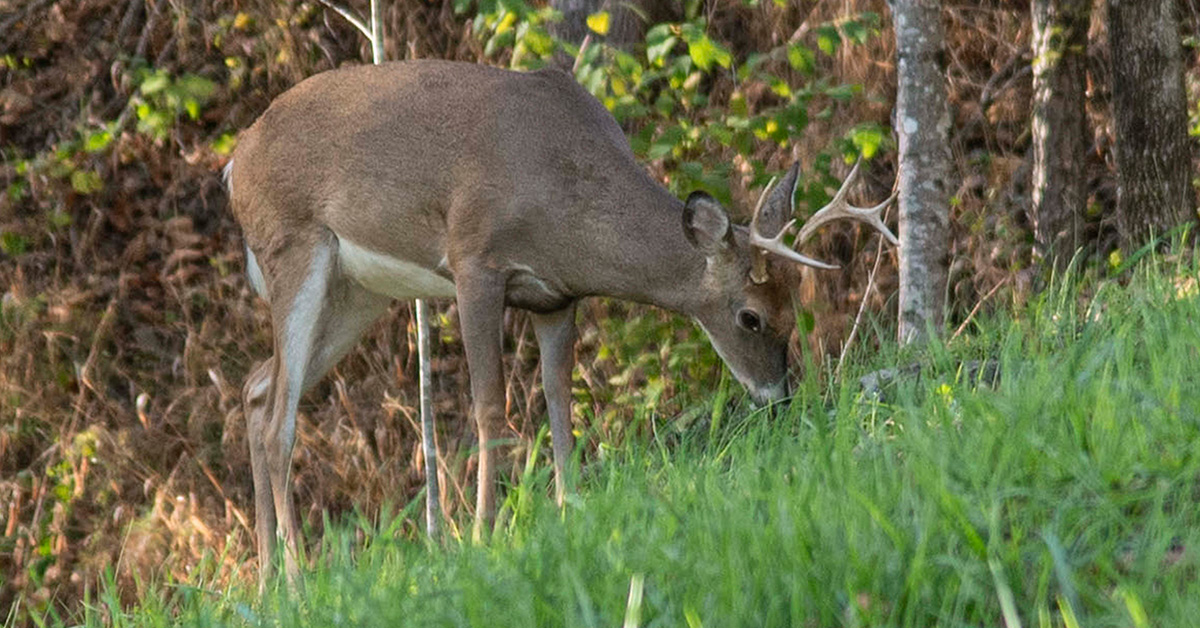
So next time you see a lone buck slipping through the woods, remember the man quietly enjoying his garage. And when you see a doe surrounded by her family, remember the woman holding generations together without applause.
Nature has been writing this story for thousands of years.
We just finally noticed the punchline.

- From Bachelor Pads to Family Herds - November 2, 2026
- Coon Hunting Goes High Tech - March 4, 2026
- Crow Hunting: Shotgun Practice with a Purpose - October 14, 2025