Is the 8.6 Blackout the best super/subsonic rifle cartridge we’ve seen to date?
by Richard Mann; photography by Sabastian “Bat” Mann
Not only has the 6.5 Creedmoor became popular, but it has also spawned other 0.264-caliber cartridges, two additional Creedmoor cartridges, and arguably all the PRC cartridges. But in terms of the most influential rifle cartridge of this century, you could argue the 300 AAC Blackout has been even more so.
It’s one thing to influence the field you belong in, but it’s another thing entirely when your influence reaches into other areas.
The 300 Blackout was the beginning of the current obsession with subsonic shooting; more importantly, it was the initial driving force behind the current popularity of suppressors. Now, the same man who gave us the 300 Blackout has given us the 8.6 Blackout, and it could change the future, too.
To understand the 8.6 Blackout, we must venture back to the mid-1990s when Kevin Brittingham founded Advanced Armament Corporation (AAC) to manufacture suppressors. Eventually acquired by Remington, those companies worked together on the 300 AAC Blackout, which was essentially a SAAMI (Small Arms and Ammunition Manufacturers Institute) approved version of the J.D. Jones/SSK Firearms 300 Whisper wildcat cartridge. The Blackout’s super- and subsonic capabilities, light recoil, and cool name vaulted it to stardom.
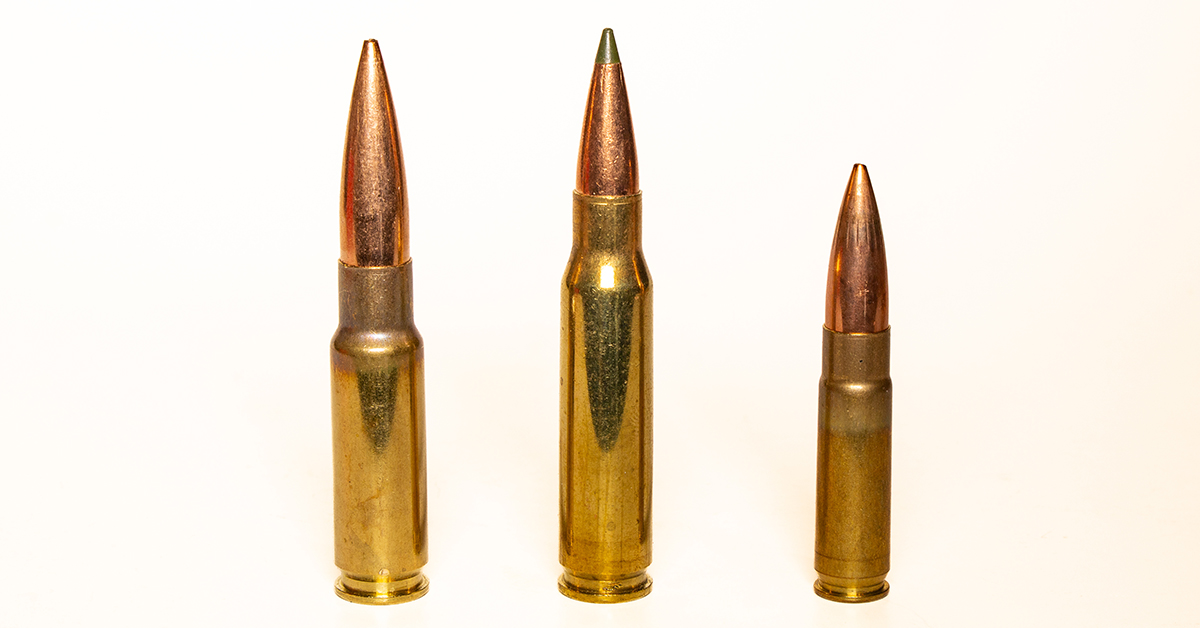
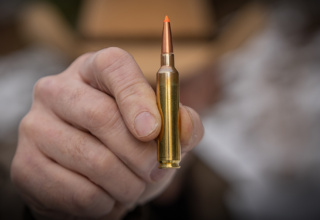
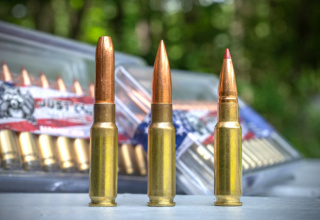
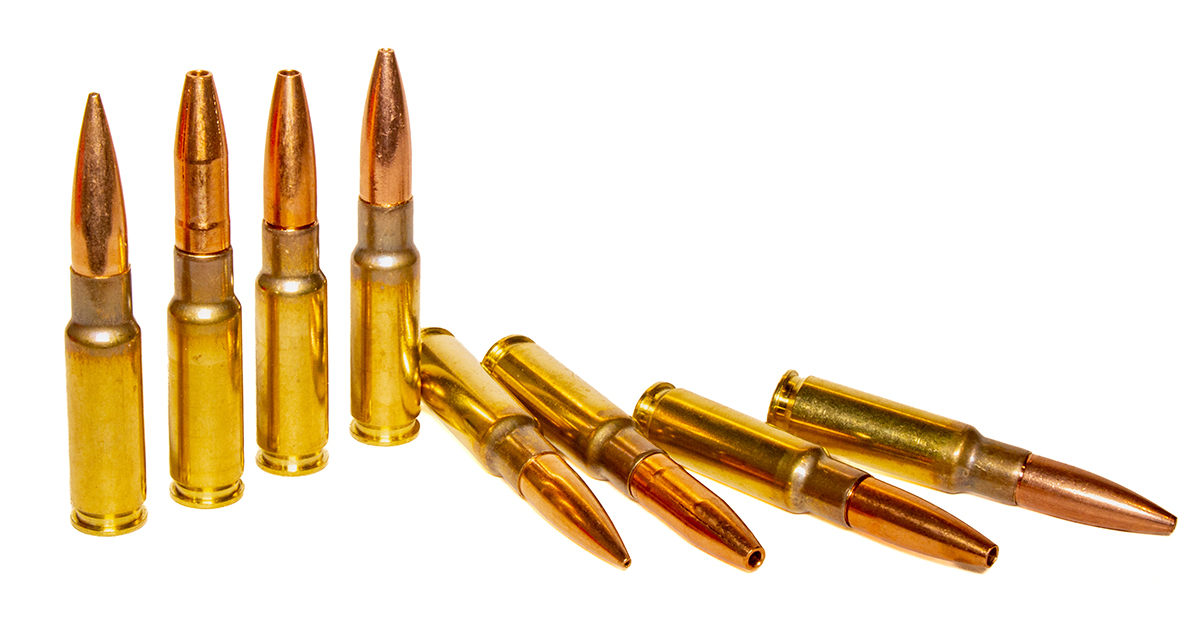
After leaving AAC, Brittingham founded Q LLC to manufacture firearms in Portsmouth, New Hampshire, and over the last few years, Brittingham and Q developed the 8.6 Blackout cartridge. It’s based on a short-action rifle cartridge case with the same rim diameter as the 308 Winchester, but it’s been substantially shortened and necked up to accept a 0.338-caliber/8.6mm bullet. The goal was to provide better terminal performance and more reach than the 300 Blackout, at subsonic and supersonic velocities.
SAAMI Approval
Supersonic 8.6 Blackout ammunition will push a 185-grain bullet to about 2200 fps out of a 16-inch barrel. That’s about 200 fps faster than the 338 ARC and about 400 fps slower than a 338 Federal. Last year, Q Firearms submitted the 8.6 Blackout to SAAMI, and it was approved in 2026; however, the SAAMI approved 8.6 Blackout is not the initial or ideal version of this cartridge, and this is where things get a bit complicated.
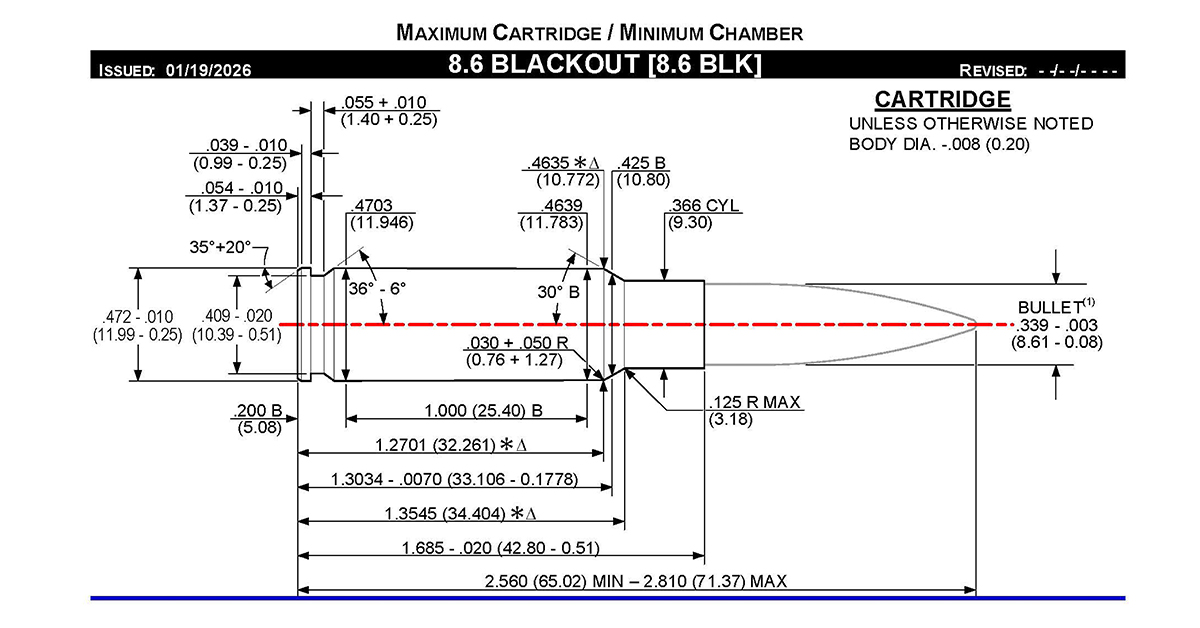
When SAAMI approves a new cartridge, the twist rate and twist direction of the rifling are listed in the specifications. The primary purpose for this is so that all manufactures will produce guns and ammunition that work together safely while also providing good precision on target. Twist rates and twist directions, though, are not mandated. For example, the SAAMI twist rate for the 308 Winchester is 1 in 12 inches, but most modern 308 Winchester rifles have a 1 in 10 twist rate. The same is true with the 223 Remington, which also has a SAAMI twist rate of 1 in 12, but very few modern 223 Remington rifles have a twist rate that slow.
The 8.6 Blackout was designed to work best with the incredibly fast twist rate of 1 in 3. This ultra-fast twist rate does several things. First, it helps to better stabilize the incredibly long and heavy subsonic bullets for the cartridge. The other thing this fast twist rate does is substantially increase bullet rotational velocity. Fast rotational velocities help bullets upset after impact. Poor bullet upset and deformation — which is what many refer to as expansion — has always been an issue with subsonic bullets because their linear velocity is so slow. Similarly, faster rotational velocities can also help with supersonic mono-metal bullets that typically need to impact at around 2000 fps for best results.
Q Firearms is fortunate to have Nick Schafer on staff. Nick is one of the smartest and most ballistic savvy engineers I’ve worked with at any company. According to Nick, “Q submitted the cartridge with only a supersonic loading to establish MAP pressure limits and velocity, and the specified 16-inch 1:6 twist test barrel allows for load development with any existing 0.338-caliber bullet, including thin jacketed cup and core bullets.”
At those rotational velocities, RPMs will be at or below conventional rates. At the — as designed — 1 in 3 twist rate, the extremely high RPMs can rip the jacket away from some bullets, which is not good for precision or suppressors.
Nick added that he hopes, “…to find a way to submit a shorter 1:3 test barrel in the future, but there is currently no standard path for that in SAAMI.”
And this is where things get even more complicated.
What You Need to Know
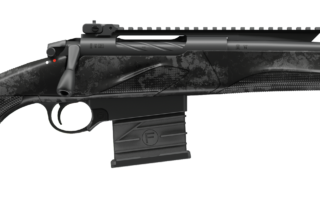
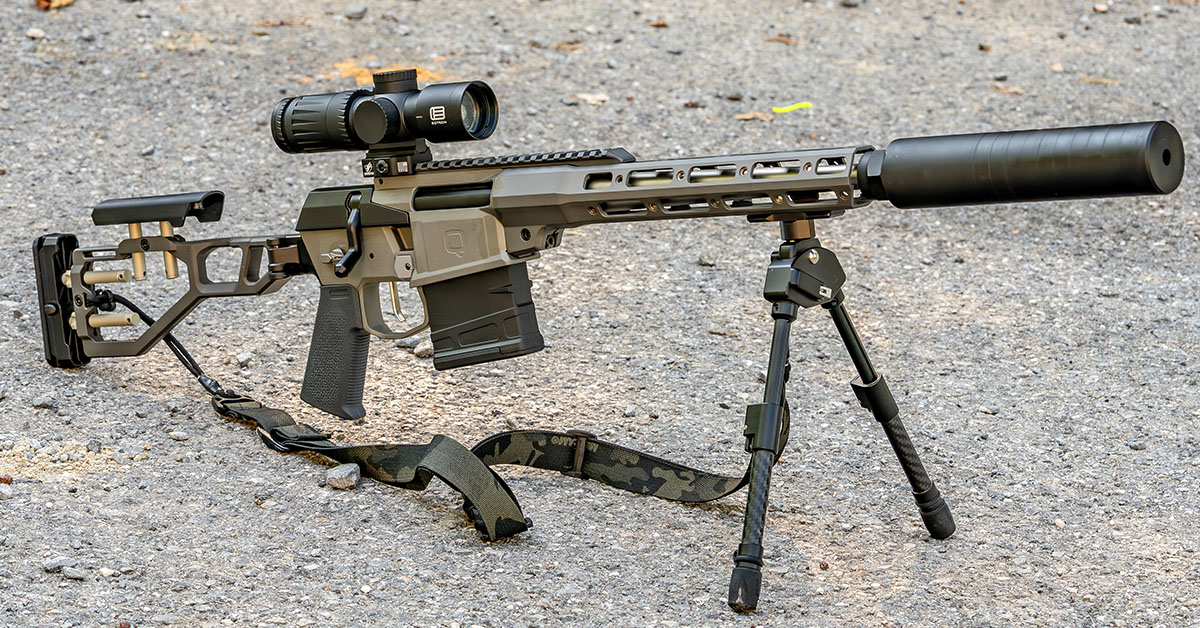
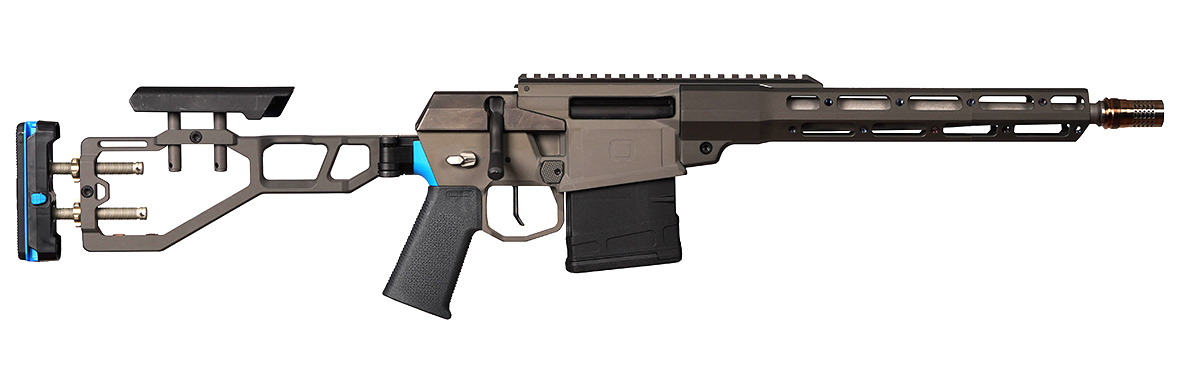
Q Firearms builds their 8.6 Blackout bolt-action Q Fix and semi-auto Boombox rifles, pistols, and SBRs with a 1 in 3 twist rate, which means they are ideally adapted to supersonic and subsonic ammunition. But you do not want to shoot conventional lead core bullets from a 1 in 3 twist barrel. With the SAAMI established 1 in 6 twist rate, you should be able to shoot any 0.338-caliber bullet, but don’t expect the same terminal performance you would get with a 1 in 3 twist because of the slower RPMs with the 1 in 6 twist rate.
Here’s the thing about linear velocity…and rotational velocity. Linear velocity degrades quickly over distance, but rotational velocity — RPMs — does not.
With SAAMI approval of the 8.6 Blackout, it’s likely we’ll see more factory rifles and more factory ammo become available in this chambering. Wilson Combat recently announced that they’ll be offering their famous NULA Model 20 rifle chambered for the 8.6 Blackout with a 1 in 6 twist rate. The question is what twist rates these new guns and new munitions will be designed to work with, and hopefully manufacturers will list twist rate information on the guns and ammo boxes, or at least on their websites.
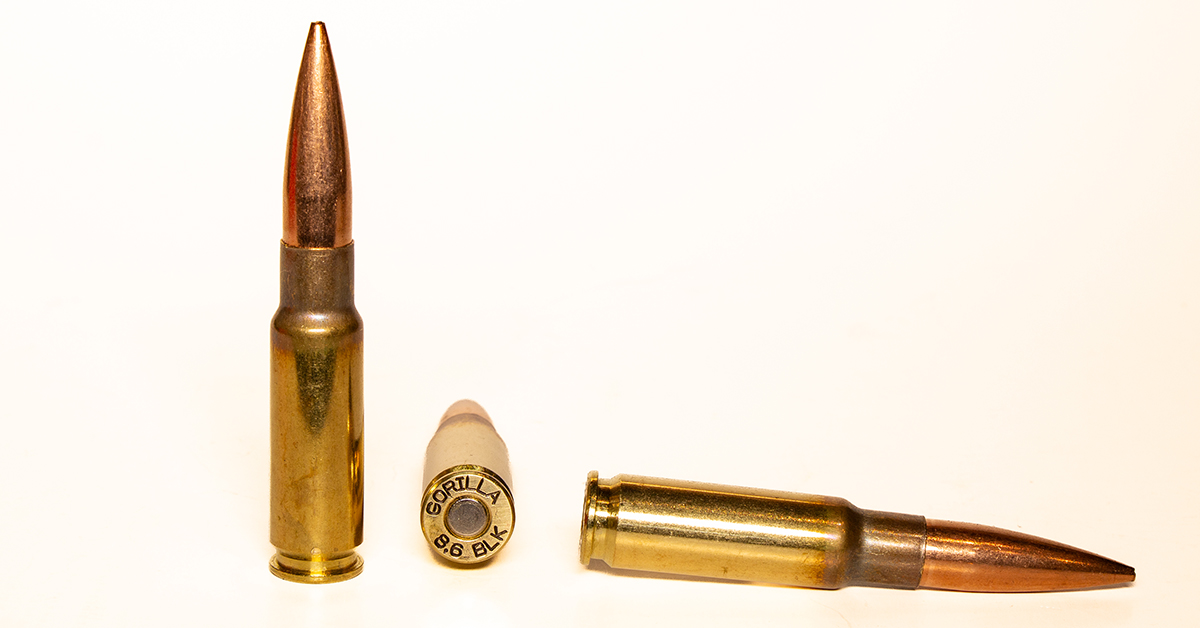
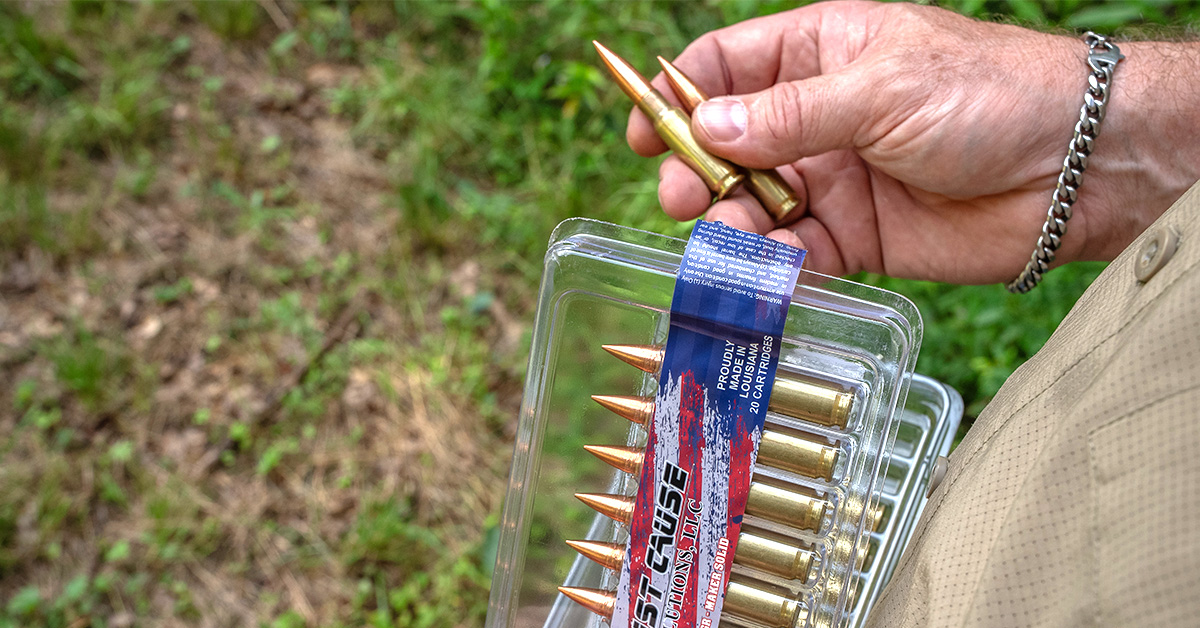
As an example, Just Cause Solutions, LLC offers five 8.6 Blackout loads and all five loads — subsonic and supersonic — are identified to work with either the 1 in 3 or 1 in 6 twist rate. Fort Scott Munitions offers two 8.6 loads, and they list 1 in 3 twist compatibility with both. Gorilla Ammunition offers five 8.6 loads but only lists compatible twist rate information on the subsonic loads.
There’s another factor at play as well. Short-barreled rifles are popular in the 8.6 Blackout chambering, and with short barrel rifles, muzzle velocities are generally slower. For example, Q offers an eight-inch barreled Fix SBR in 8.6 Blackout. Shorter barrels mean less velocity, and this, too, could potentially cause some stability and terminal performance issues with some new 8.6 loads/bullets at a 1 in 6 twist rate.
If you’re interested in the 8.6 Blackout for subsonic and supersonic shooting — and let’s face it, that’s the true allure of the cartridge — my suggestion is to get or build a gun with a 1 in 3 twist rate. Right now, Q is the best source for those. This might limit the bullets you can ultimately shoot, but on the other hand, it allows you to get the most of what the cartridge can offer.
8.6 Ballistics
With all the technical minutia behind us, let’s look at exactly what kind of ballistic performance you can expect from this cartridge.
In its supersonic form, bullet weights in factory ammunition tend to range between 180 and 210 grains. Velocities from a 16-inch barrel will range from around 2000 for the heavier bullets to around 2200 for the lighter bullets. Muzzle energies with these loads will run between 1800 and 2000 foot-pounds.
As a comparison, the best 300 Blackout supersonic loads will generate around 2350 fps with only around 1350 foot-pounds of muzzle energy. As for the 338 ARC, supersonic loads will run at about 2000 fps with around 1600 foot-pounds of kinetic energy at the muzzle.
The 8.6 has a clear advantage.
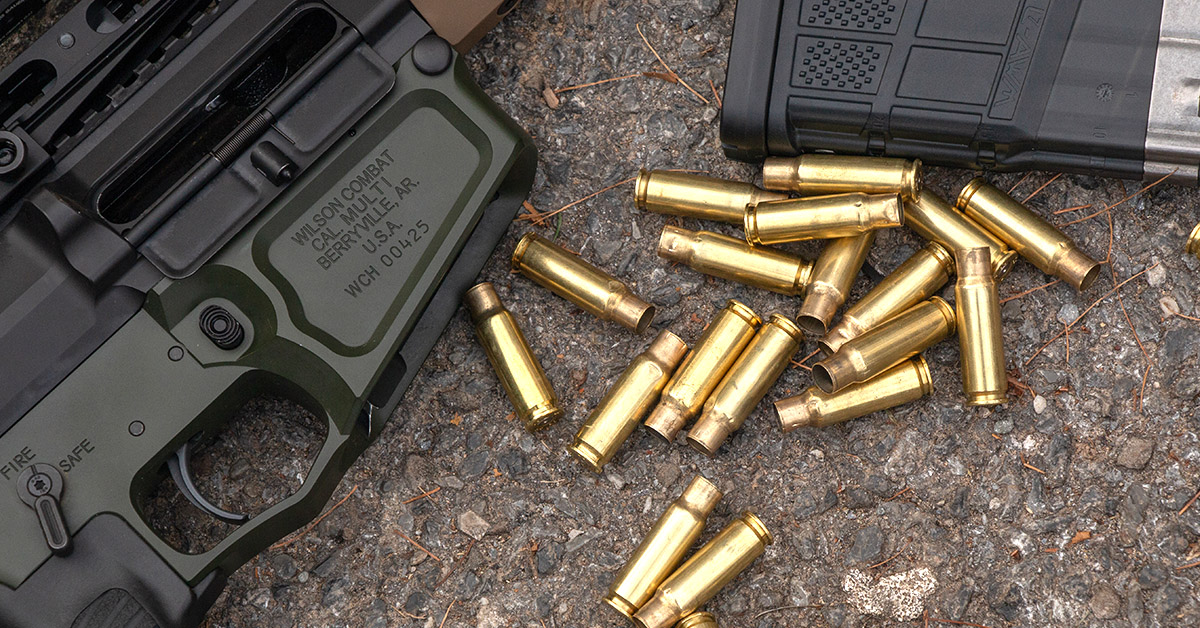
In its subsonic form, factory 8.6 Blackout loads range in bullet weight from a low 285 grains to a high of 352 grains. With the 300 Blackout, you’re dealing with a smaller caliber bullet and bullet weights from between 190 to 220 grains. In 338 ARC, bullet weights will run from 285 grains to 307 grains. Subsonic velocities are similar, but with the heavier 8.6 Blackout bullets, you’re working with substantially more energy.
Again, advantage 8.6 Blackout.
Loads Tested
I’ve been working with the 8.6 Blackout cartridge, on and off, for about two years. I currently have a suppressed Q Fix SBR with a 1 in 3-twist 12-inch barrel, and from that rifle, I’ve tested loads from Gorilla and Just Cause. I’ve also experimented with several handloads out of a custom Wilson Combat AR-10 fitted with a Faxon Firearms 16-inch barrel with a 1 in 3 twist rate.
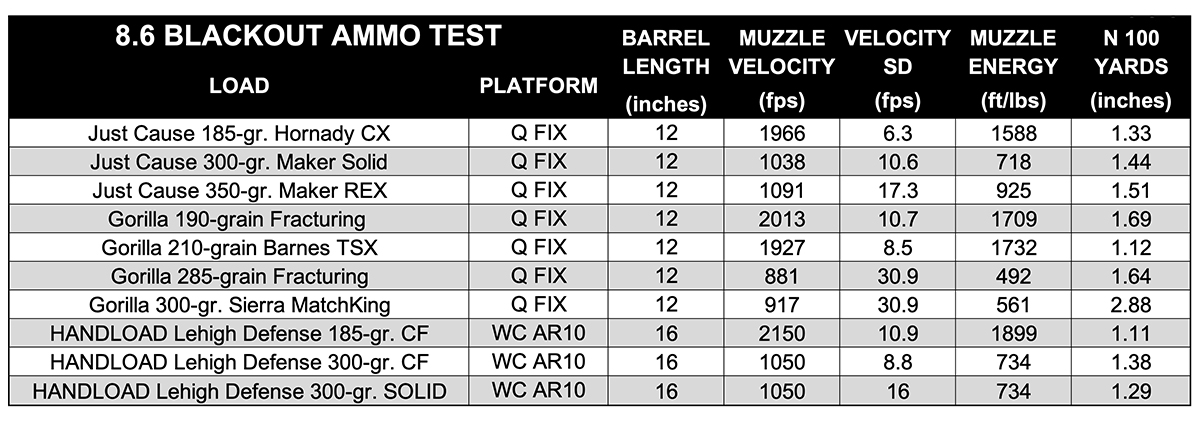
This chart details what I’ve seen with this cartridge. I’ll be deer hunting with my Q Fix in 8.6 Blackout this season and I’ve settled on the Just Cause 350-grain Maker RX load, primarily because where I’ll be hunting with that rifle, my maximum shot distance is inside 75 yards — I don’t need the flatter trajectories supersonic munitions offer.
The 8.6’s Future
With SAAMI approval of the 8.6 Blackout, it will be interesting to see what happens next. In addition to the Wilson Combat NULA, I know of several guns that are on the drawing boards, including an SBR, at other manufacturers, and I’m hearing rumors about new 8.6 Blackout ammo as well.
My secret hope is that the 8.6 Blackout will be Federal’s next target for the +PEAK steel alloy case technology they have developed for the 7mm Backcountry and 6.5 Creedmoor. Considering the current NFA situation with suppressors and SBRs, if Federal were to +PEAK the 8.6 Blackout, and rifle manufactures would employ the new exponential twist PXT barrel rifling developed by Proof Research, the 8.6 Blackout would become even more versatile and potentially one of the most influential rifle cartridges of all time.
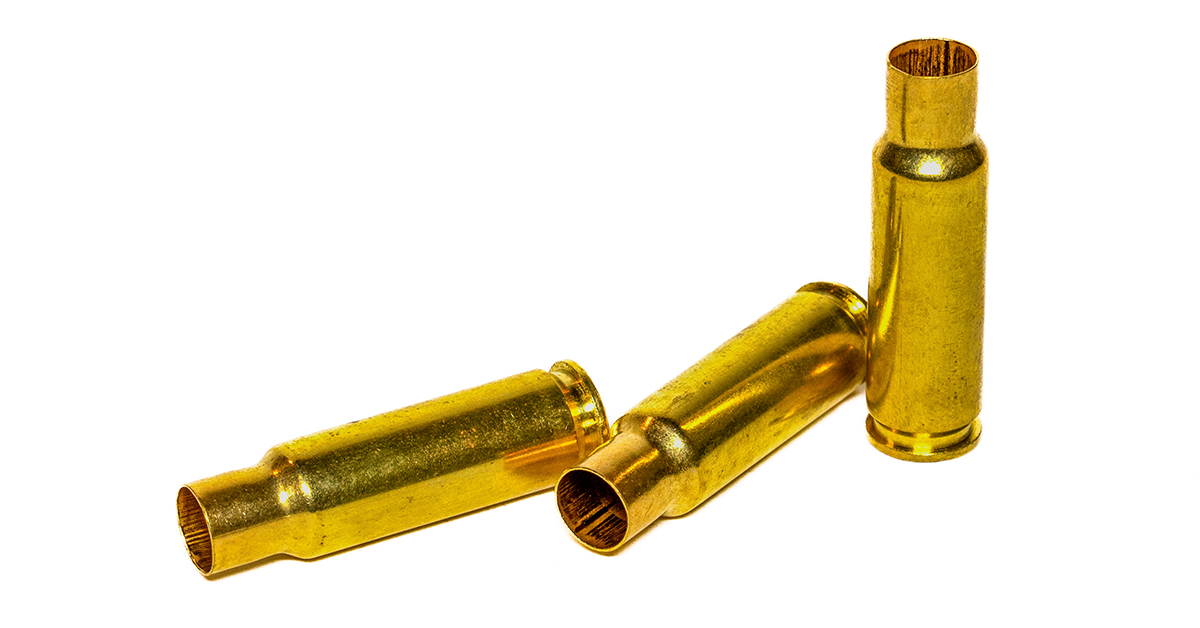
The funny thing is that the short-action rifle cartridge case the 8.6 Blackout is based on was the 6.5 Creedmoor. If all this happens, we’ll have to give credit where credit is due. Whether you like the 6.5 Creedmoor and the 300 Blackout or not, they have both had a tremendous amount of influence on shooters and the modern day rifle, and it looks like that influence has not yet found its limits.

- Understanding the 8.6 Blackout - November 13, 2026
- TESTED: Tract Optics Rimfire Riflescopes - October 2, 2026
- TESTED: Dan Wesson Kodiak 10mm Auto - August 19, 2026