Being unpracticed and unprepared is a sure path to falling apart in a crisis. Fortunately, you can learn to be a steady man or woman when the worst is visited upon you.
by Bob Campbell
An expression I have run across several times in period literature is, “the man is steady.”
Today, we may say the man is good under pressure. In the not-so-distant past, it may have been someone good to ride with.
Others fall apart.
I have seen both types as friends and adversaries. Some were calm to a fault while others were filled with panic.
One man literally cracked his nails digging into asphalt, trying to take cover beneath the rear of his patrol car. We were under fire from a barricaded subject and there were better avenues to cover. He survived to retire but was a wreck with a bloodshot face and trembles. But he stuck it out.
Others were nearly emotionless.
The fact is some of what you see, even when there is no personal danger, is mind numbing. But then personal combat is all or nothing. You must remain steady.
But how do you do this?
Training First
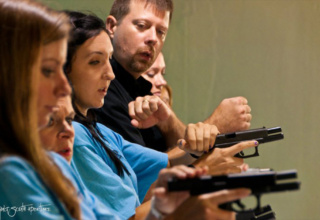
The number one predictor of survival in personal combat is prior training. That training, if properly executed, will build confidence. You will need that confidence. Your training will kick in when you must react to a threat with drowsy brain cells. Real emergency isn’t as clear-cut as the firing range and conditions are never ideal. Clarity in training with a well-defined goal is one means of becoming steady.
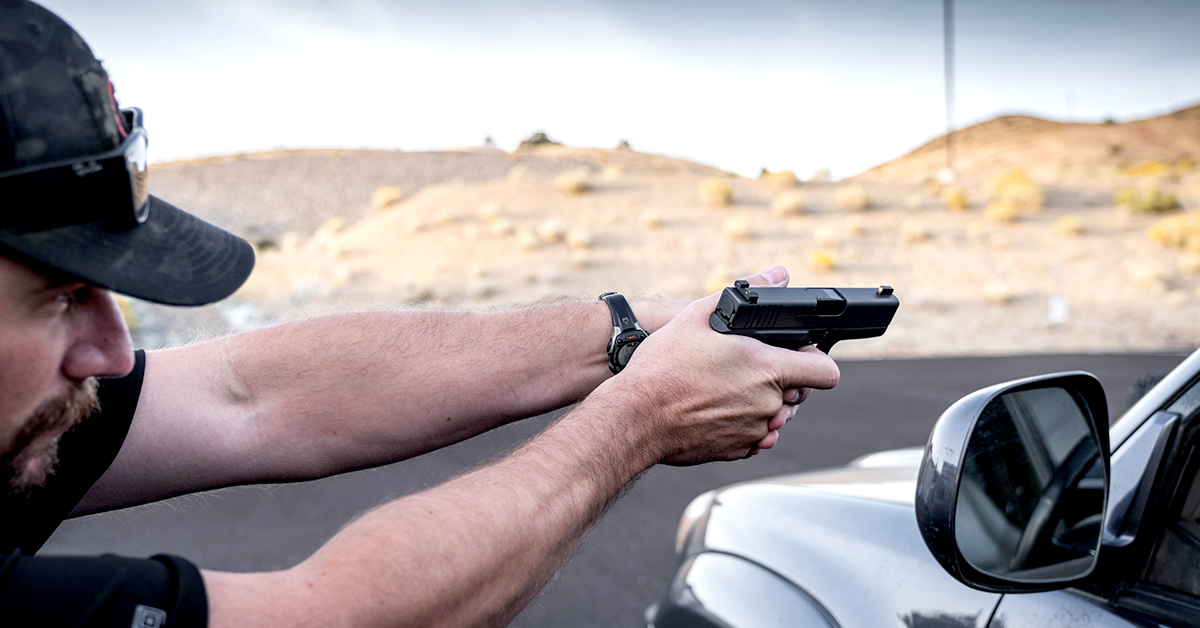
You must prepare for an eventuality if you are armed. Get the job done without talking and without hesitation. Don’t find yourself in the position of being armed with a deadly weapon but unable to defend yourself well. Training builds experience. Training should involve some level of stress. Once the basics of safety and marksmanship are squared away, add time pressure and some level of competition — even if you are only competing against yourself.
Fear is a mind killer, but it may be channeled into a well-defined sense of self-preservation. Fear, horror, rage, and sorrow have social and psychological implications that must be put aside as you train and if you are forced to defend yourself. Self-defense situations should be avoided, but when they are unavoidable, there must be skills in place to save your life.
Be Prepared
There are three tiers of preparedness. Training and practice are one leg of this tripod. If training is good and practice diligent, you will have one leg of the tripod squared away.
The next part of the tripod is strategy. Tactics are used to get you into a favorable position to best use your acquired skills. An example would be using tactical movement to cover to allow you to engage the adversary more safely.
The final component is also an acquired attribute, and this is mindset.
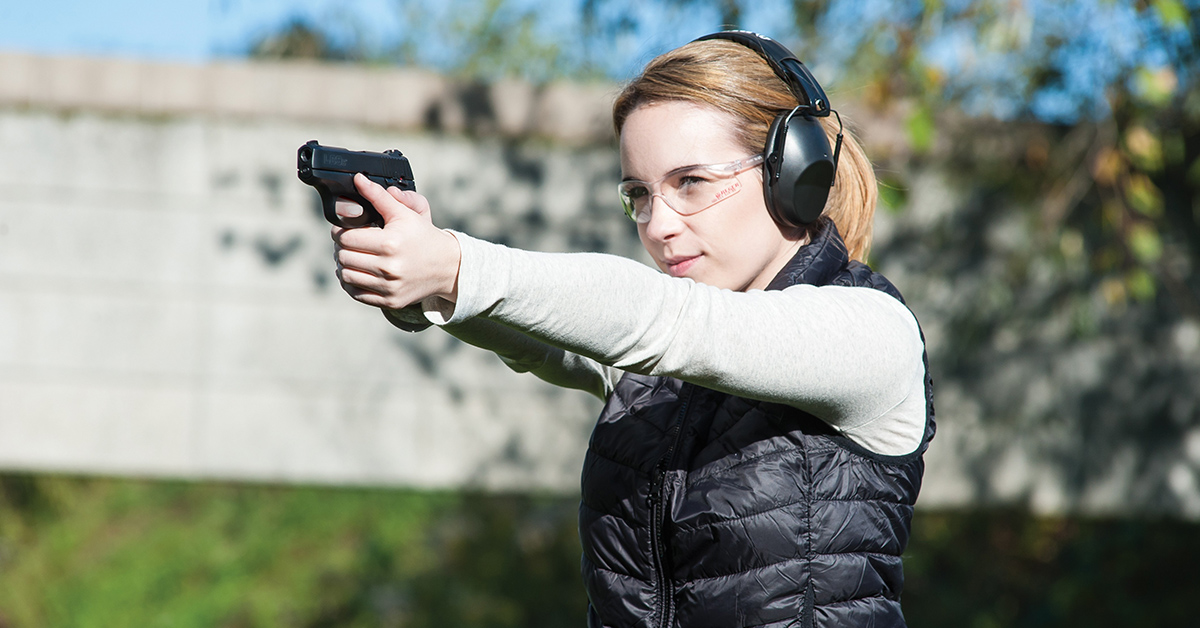
The survival and self-awareness mindset is important and is a broad-based asset useful in personal defense emergencies but also natural disasters and trouble avoidance in day-to-day life. You are the primary engine of your personal narrative. Make it a success. I realize we all have a chancellor of purse strings and often enough the tap is screwed tight. Thought, on the other hand, doesn’t cost that much.
Among the overlooked skills is self-realization.
When trouble comes, some folks don’t quickly realize that it is real and life threatening. This slows reaction time. Time wasted creates a gap between the threat’s appearance and reaction time.
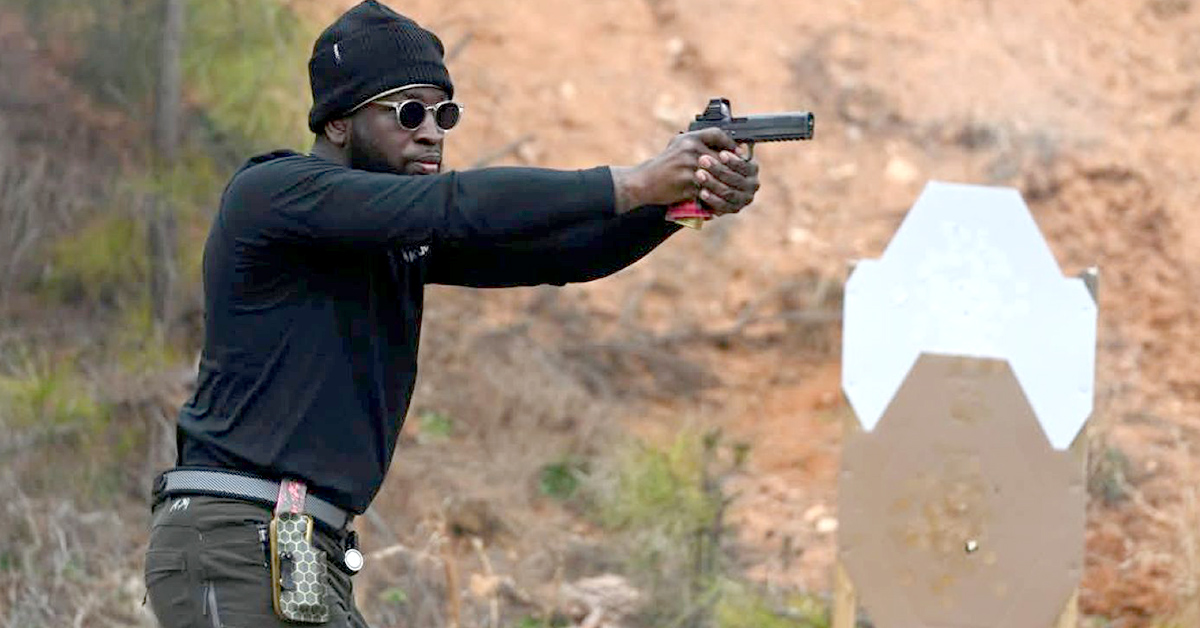
Visualization is a powerful tool. It is easy to visualize a situation in which a win isn’t possible. But more productive is a visualization of successful defense.
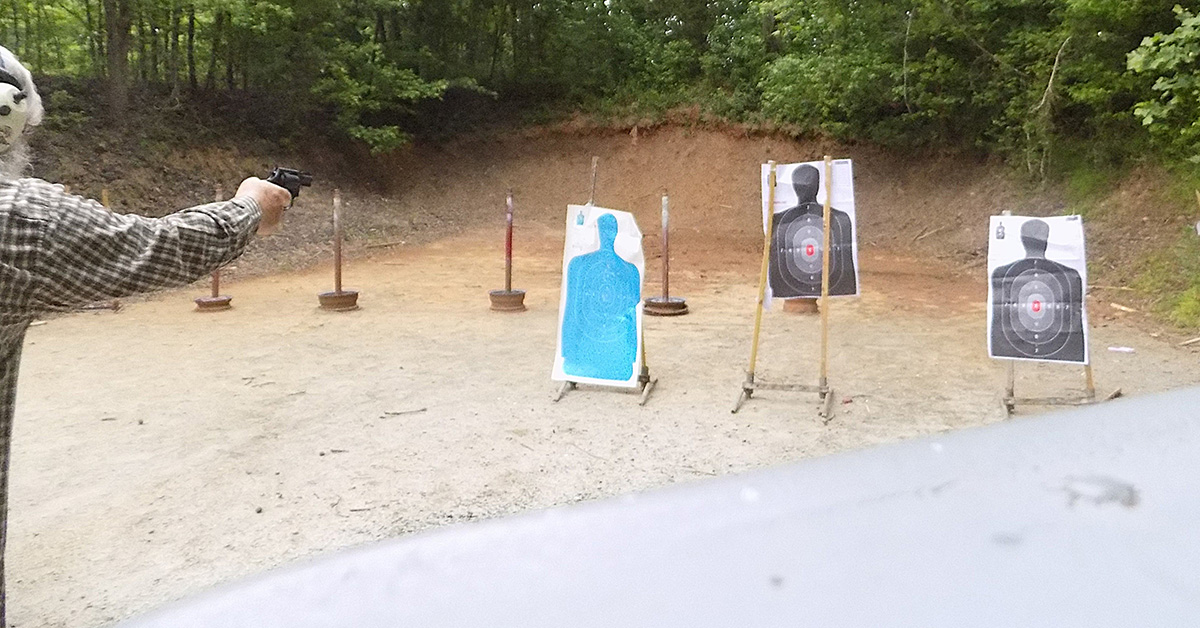
Train in realistic scenarios. A home invasion may involve more than one threat. Threats travel in packs these days. Put stress into the scenario. Competition is a great means of creating a well-honed response. Stress, skill building, and safety are emphasized in competition.
While much discussion centers upon the fight or flight response, another concern is freezing up. All animals seem to have this reaction. It is referred to as “deer in the headlights” by some. Reactions to oncoming vehicles, falling boulders, or a knife-armed threat are similar. Our rougher ancestors had well-developed survival response, or we would not be here today. This hard-wired response can be a detriment if we allow the freeze response to override fight or flight.
Constant training will go a long way in building a suitable response. Freeze or panic is less likely if you are confident of your skill. You will know your strengths and limitations. This avoids the trap of relying on skills you cannot demonstrate. Some are lazy about training. Most of you have been warned many times and advised to train. If you do not train, then you continue without benefit of ignorance — you know better.
My training is in public safety, and I look at things a bit differently than some. While it is unlikely I will be called upon to confront an active shooter or take-over gang, it isn’t a surety this will not occur. A home invasion by a take-over gang is a possibility for almost everyone. You may have something they want, or they may hit the wrong house. One is as common as the other. For this reason, I stress multiple targets and moving targets in training. The goal is to survive the situation and to survive the home invasion whatever the number of threats attacking. If you have not practiced multiple target drills, you are more likely to freeze up or hesitate.
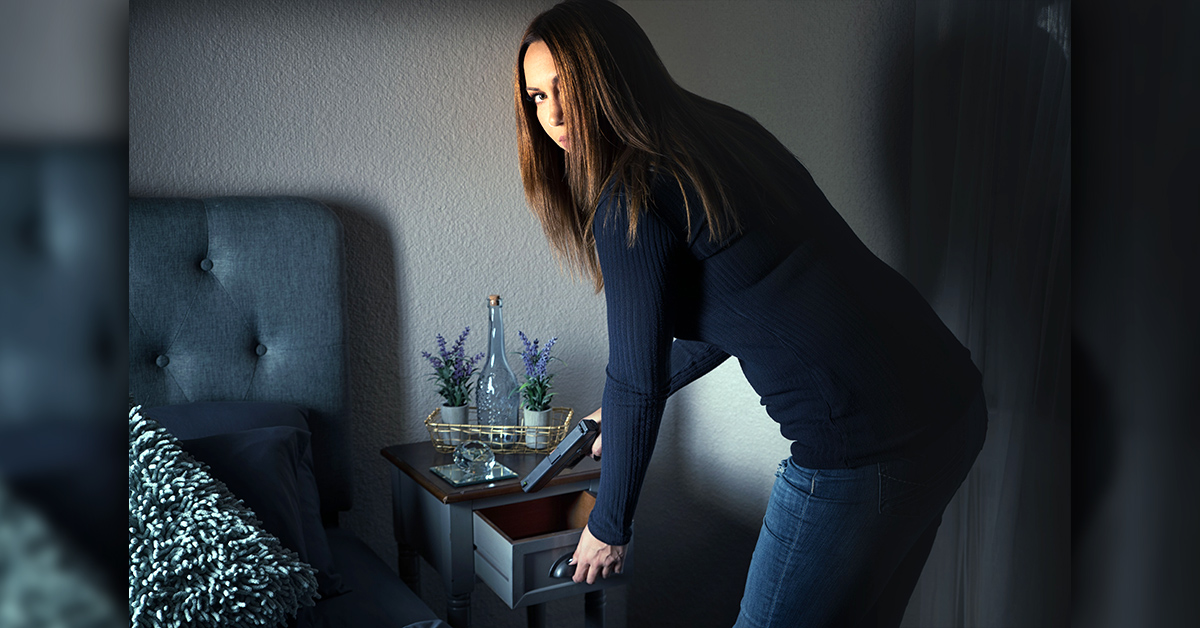
The bottom line of survival is an understandable goal, but the whole picture should be more well-defined. The goal is to engage the threat defensively with attention to cover, to be prepared for multiple assailants, and for your actions to be legally defensible. You probably will not be able to think analytically in the moment, but you will be thinking while creating training scenarios. The tactics developed beforehand should be flexible. Tactics simply put you into a position to make use of marksmanship skills. Clear thinking as much as possible during an emergency will come from training and acquired skill. Threat assessment in training and everyday life will provide a sense of mindfulness that will aid in accessing a threat that is eminent. While there is the occasional stoic born to calmly face danger, most of us react to the elements of an attack. The more practice and efficiency we have the calmer our response.
Breath Control
I have studied breath control in martial arts and long-range rifle marksmanship — not so much in handgun marksmanship. This was an oversight on my part.
Proper breathing is a great means of controlling anxiety. Take a deep breath and keep the brain oxygenated and release the breath in a steady rhythm. This is among the most effective stress control tactics. Stress control is an aid in effective, deliberate shooting. A clear head’s advantage is the ability to access a situation and remain resilient in the face of danger.
Deep breathing works well. Inhale for four seconds, hold for seven seconds, and exhale for eight seconds. Practice this on the range and at home and it will keep you steady in difficult times.
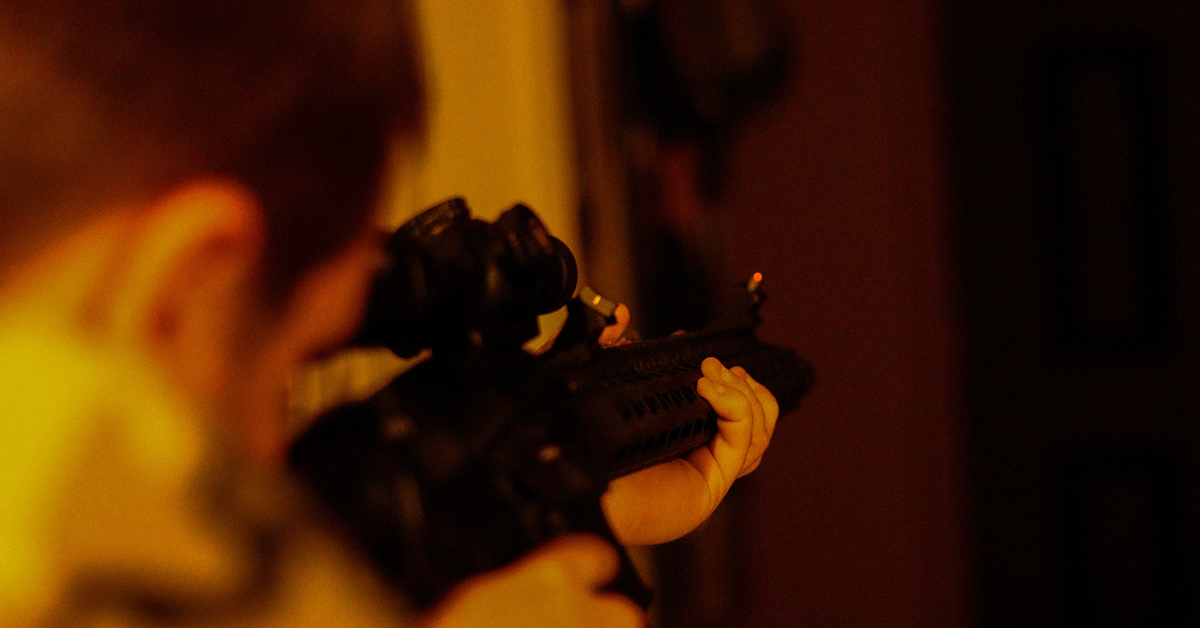
Reframing the narrative in your favor, mentally, is another advantage. The human mind is morbidly suggestive. Don’t think negative thoughts. Healthy skepticism is fine but prayer and meditation for a good outcome have served me and mine well. Even when there is evidence to support a negative outlook, look beyond the obvious and rest confident in your ability. You have trained, correct? Training is in the physical rather than the nervous provenance and it keeps your foot work and movement steady under stress.
Stress and Aftermath
You must be careful going down memory lane, as the lane has often been swept and polished in favor of the storyteller. Just the same, this is a beneficial example of stress.
Working in a rural area, I was finishing up a report on the roadside behind the wheel when a family-size sedan went by at least twenty miles over the limit. I hit the lights then the siren. The vehicle finally, finally stopped. I had been careful, driving deliberately and with skill during the chase. My cousin, a man with a relative position in the fire department similar to mine in the police department, exited the driver’s side (he was not in his usual truck). He quickly told me of a family emergency and that he was meeting the ambulance at his house. The man was fully capable of saving lives if he arrived on time. I waved him off and he continued.
I had never seen him upset with anything he had faced. When I sat down in the patrol car, my knees began chattering and playing a dread tune. Those who live a somewhat undisciplined existence experience this type of reaction at every threat. The other man was upset because of the familiarity of the victim; I was caught up in what could have been with my close family member. Had we wrecked, the usual idiots in the town council would have sworn we were racing.
I later learned his wife recovered after immediate first aid and I returned to normal in a quarter hour or so. We handled stress in the moment. It was never mentioned again. I have faced worse and been injured on duty without this type of reaction. None are immune, and in home defense and personal defense, defending loved ones is a credible stressor.
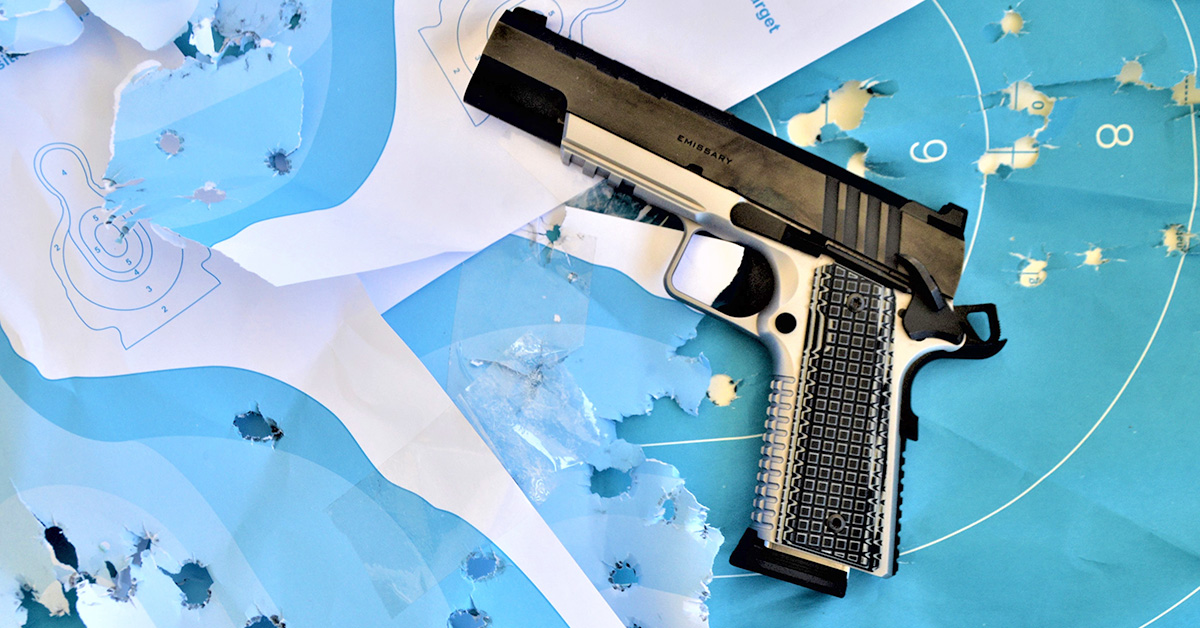
My Chief was a man I could trust with my life. This was proven in dozens of search and arrest situations. We had few rank and file I came to trust in this manner. The generation just before mine was compromised of Vietnam veterans who came into the PD as their military retirement crossed over. As good a reason as any! Never have I seen such a steady, trustworthy, and capable generation of peace officers.
The next generation…not so much.
On one occasion, an officer in a nearby town called for backup in a domestic situation. A woman had come to the police department, telling the officer her husband was armed and threatening her. The good Sergeant asked me to drive the five miles from the edge of my jurisdiction to his PD. Sure. He neglected to tell me the offender was sitting in a car with a gun in the parking lot!
I walked by the armed offender at no more than ten feet, focused on the door of the PD. I walked in and the officer said, “Did you see him? Does he have a gun?” His face was pale. I said let’s go. I walked steadily to the car and poked my muzzle into the offender’s nose. Sure enough, he had a .38 in the seat. Words fail me sometimes, but that night the other officer received verbal abuse usually reserved for drunken bar fighters.
A fool or an unprepared person can put everyone around him in danger. Similarly, most incidents in which someone is shot accidentally is when the homeowner has panicked. Firing through a door or shooting a person who is no threat is a terrible thing and will adversely affect your life financially and legally. Stay steady. There are plenty of false alarms, and some who give you pause are not a threat but in need of help.
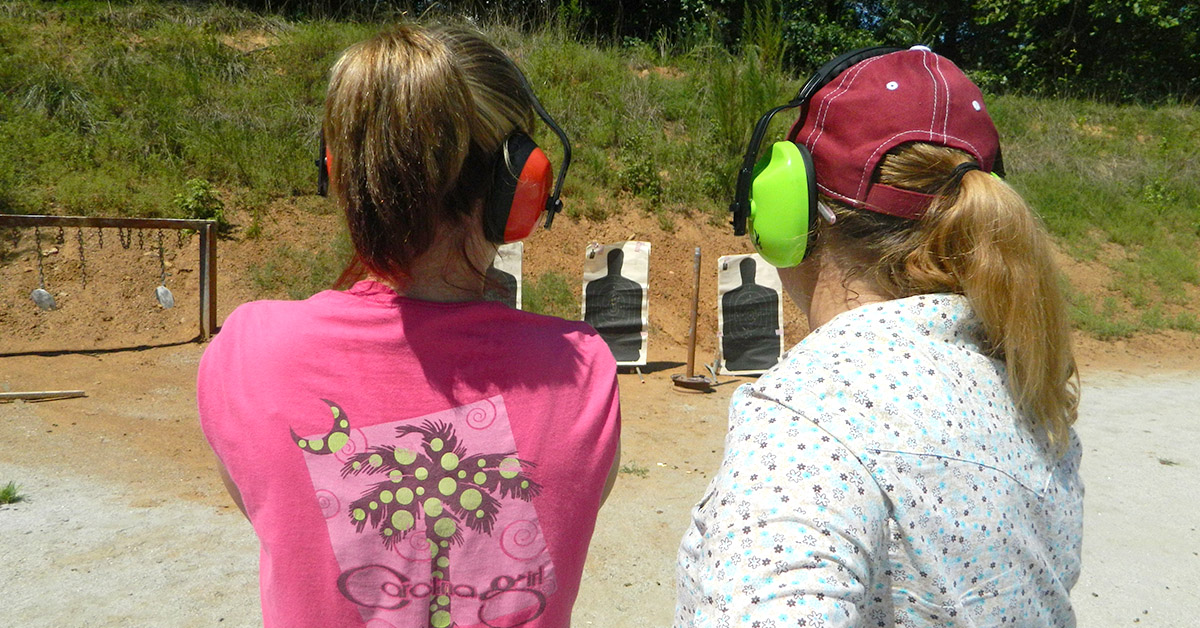
Training is the primary means of controlling stress and developing skills. Textbooks were written after examination of reaction to trauma and violence. Training that follows the book and is repetitive and challenging will reduce panic in a bad situation. Be aware of your own stress levels and train honestly. A point often made by trainers is that when you train when tired or until you are tired, the edge is gone and you should pack it in until another day. This is true, but on the other hand, you may be awakened from a tired day to defend the home. Be at your best when you can and capable when tired. There is no deceit or concealment of actual ability on the firing line. Strategic thinking keeps you alive. Having to solve unexpected problems you are not prepared for will get you killed. Train for everything! Most of the training is physical but the nervous province cannot be overrated.
The Other Man
Some thought should be given to the adversary — the violent element of society we may face. I have encountered some as slow as a Soviet breadline, others quick of wit. There are two broad categories: the careless and the careful. Each is equally dangerous.
The careless doesn’t consider his actions, the careful doesn’t get caught. Most criminals hate to expend energy and live in a state of pathological laziness. In the general population, a true psychopath is rare. Less than one per cent of the population (in my opinion much less) are true psychopaths. In the prison population, the tested percentage is near thirty percent. Some have a merit badge for ignorance, others are cunning. They are not like us. Don’t train to face someone like yourself who is having a bad day. That isn’t the story.
Arming Yourself
If you think a snubnose .38 or .380 pocket gun is fine for personal defense, please go to a range and shoot against someone with a Slimline 9mm or SIG TACOPS 9mm. A derringer or a .32 handgun is a bad joke that many get by with because they never face trouble — and probably never fire the piece on the range.
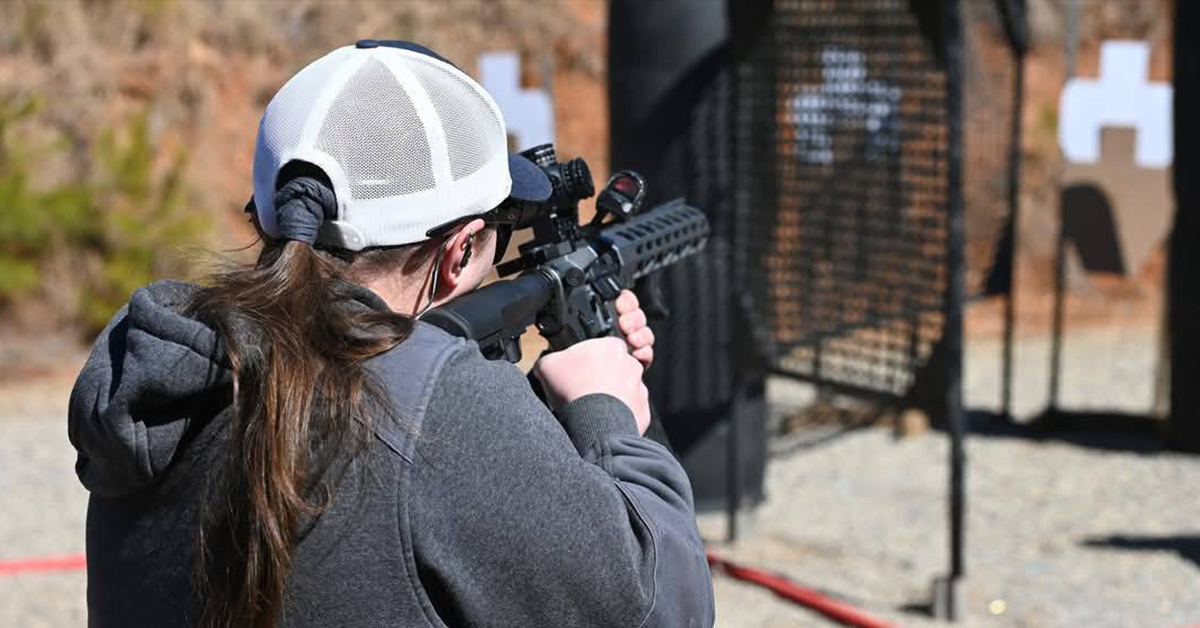
A simple handgun that allows the shooter to draw and fire and get a hit without excess manipulation is vital. A double-action first-shot pistol isn’t hopeless but demands a great deal of training. Glock is the default. The Glock always works and offers a simple system to master and maintain.
Bottom line: use simple service-grade gear and concentrate on the basics of marksmanship.
Not knowing how to use your emergency gear well is a certain stress builder. If you are already immersed in training, give some thought to being steady. It is an acquired skill for most of us and an indispensable one.