Looking to assign a new mission to your short-action Remington 700, Savage Axis, or Ruger American? Magpul’s Hunter Lite stock is your budget-friendly foundation.
by Rob Reaser
Several years ago, I acquired a used Remington 700 chambered in 6.5 Creedmoor. It featured a heavy varmint contour barrel and sat in a Hogue stock. Someone along the way had applied a Cerakote finish to the barreled action.
I used the gun a couple times as a photo prop, but otherwise never did anything with it — partly due to its dubious provenance and partly because I’ve never had the need or desire for a heavy hunting gun.
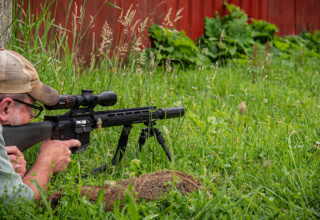
In recent months, though, the inclination to knock down coyotes at extended distances has become increasingly appealing, and that forlorn, mysterious Remington 700 took notice, peering expectantly, even hopefully, at me through the cobwebbed corner of my gun room.
“Look at me!” it seemed to say in silent desperation.
Okay. I looked.
“Yeah,” I mused, “this might be a zinger. It deserves a chance.”
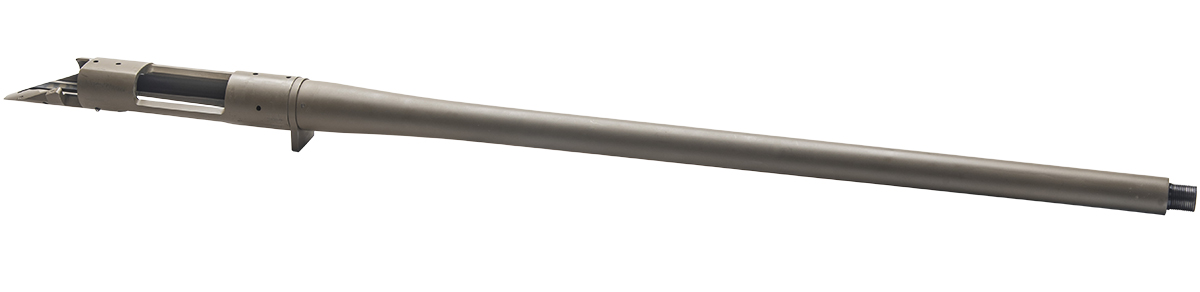
So, I removed the Hogue stock and the questionable aftermarket muzzle brake tipping the front end. There were no scope mounts to remove, so I pulled the factory trigger (that’s just a given) and was left with the unassuming yet hesitantly promising barebones barreled action you see here. After cleaning up the bolt, I knocked some minor crud out of the action and polished the barrel bore to bring it all back to first base.
Now what?
Since my idea was to take advantage of the heavy varmint barrel and 6.5 Creedmoor chambering for longer-range shooting (critters, not targets), it would be essential to find a stock that wouldn’t pile the weight onto an already hefty-barreled action. The 22-inch barrel was leaning in the right direction, so I didn’t want to nullify that slight advantage.
Typically, I reach for laminated hardwood stocks, such as those from Boyds, for my bolt-action hunting rifles. Wood, though, didn’t seem to match my vision of a long-range coyote sniper rifle. Then I recalled Magpul’s new Hunter Lite stock for short-action rifles that the company introduced last year. I already liked the looks of Magpul’s Hunter-series stocks for long-action rifles, so the availability of an even lighter and tighter stock configuration for the short-action Remington 700 captured my attention.
I also liked the price. With an MSRP of $219.95 and the Magpul name behind it, the Hunter Lite seemed the perfect choice for this pawn shop special Remington 700.
Magpul Hunter Lite Overview
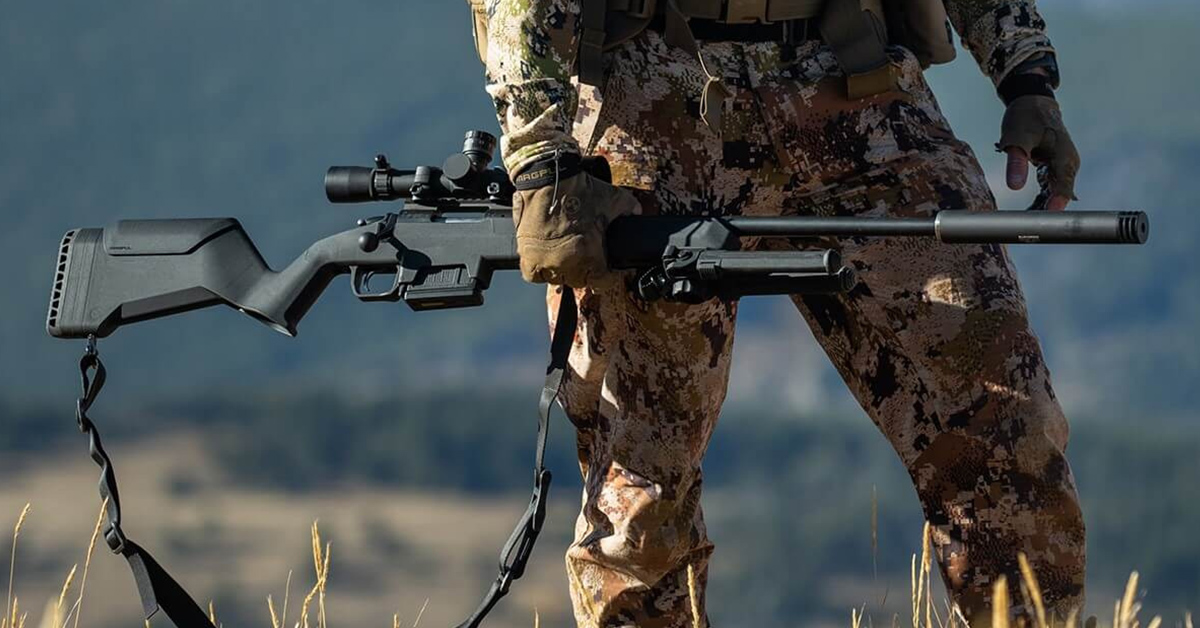
The Hunter Lite rifle stock has “adjacent DNA” with the Magpul Hunter stock. The key differences are that the Hunter Lite is for short-action Remington 700, Ruger American, and Savage Axis rifles. The stock is also lighter in weight than the Magpul Hunter, averaging around 2.5 pounds. Also, the Hunter Lite is slightly narrower.
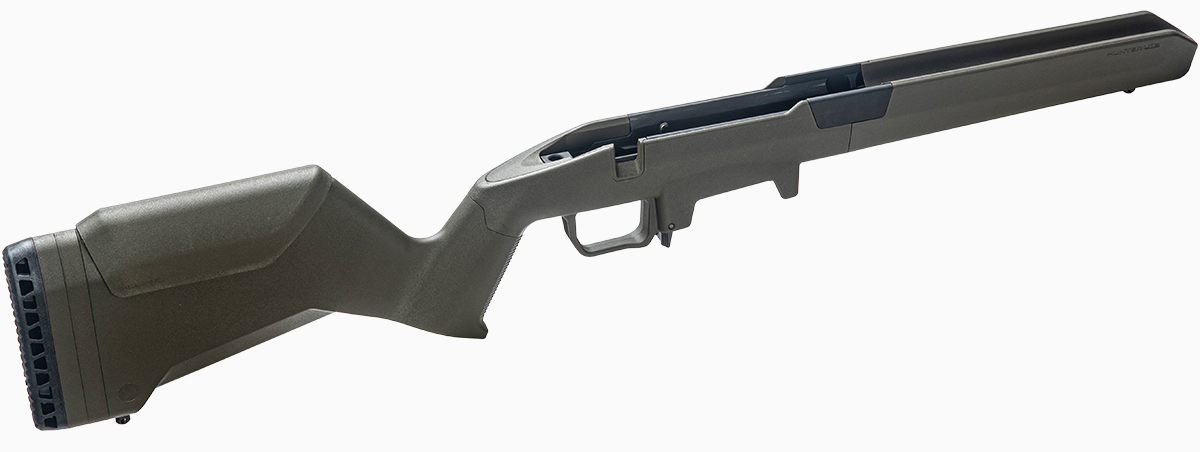
The platform is made of a tough and exceptionally rigid polymer. That’s a bonus when you don’t want to worry about hard use in the field (and I don’t) and you want to minimize or eliminate stock flex under recoil to enhance accuracy potential (and I most certainly want that).
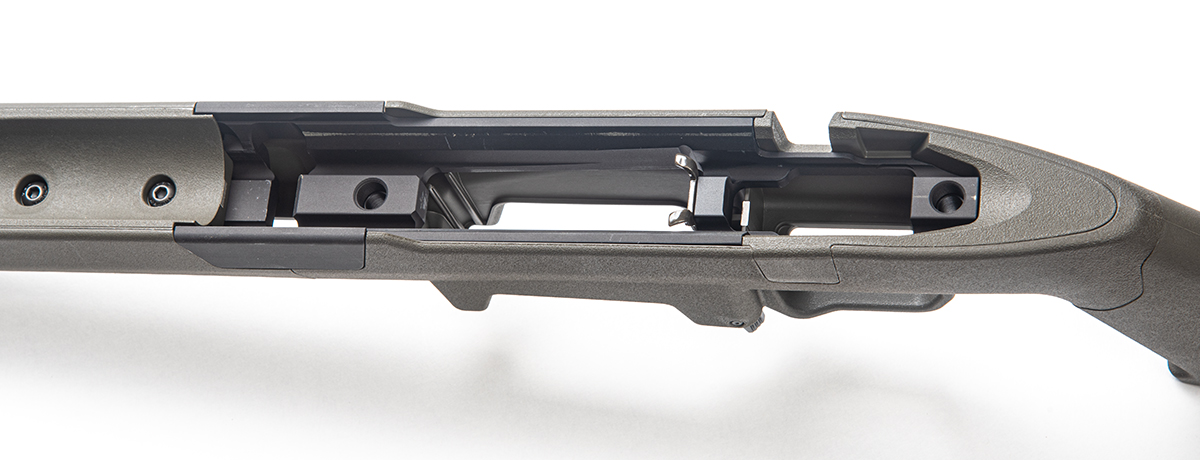
Integrated into the stock is an aluminum alloy V-bedding block. This adds to the precision tolerance quotient of the barreled action and stock interface as well as ensuring a solid mounting that, again, increases accuracy potential. What’s more, the action screw pillars are steel, allowing for a stiff 55-60 in/lb torque setting.
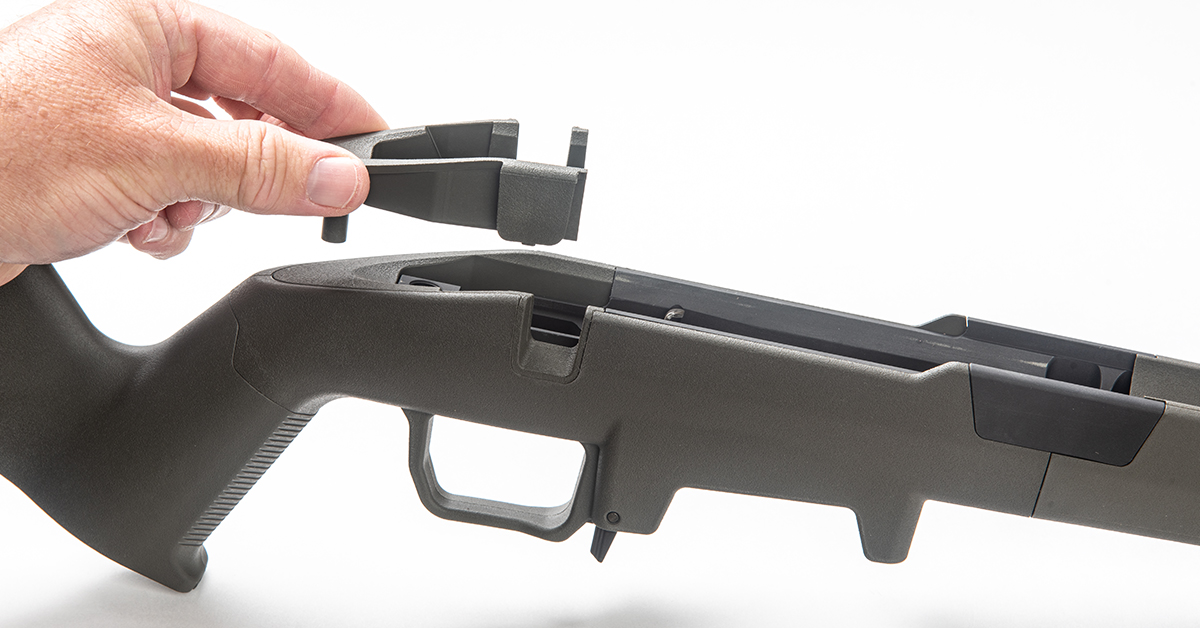
A cool feature of the Magpul design is that the stock is ambidextrous, so you can install it onto either a right-hand or left-hand barreled action simply by changing out the inlet tray. The stock comes with both RH and LH inlet trays.
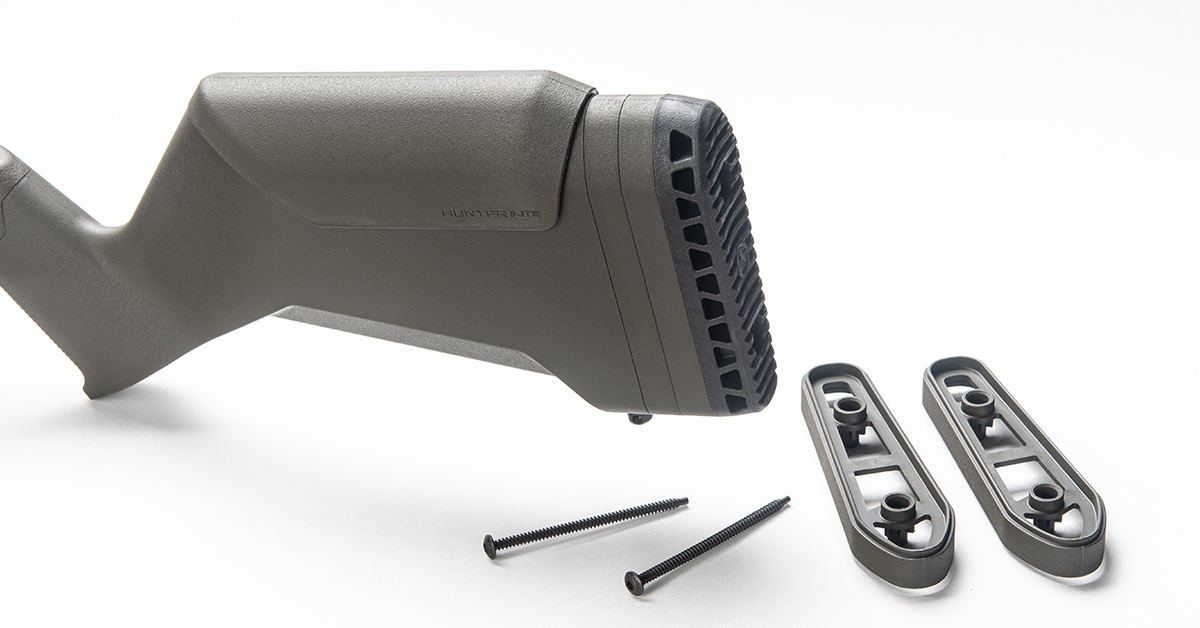
Included with the Hunter Lite are four half-inch spacers. These allow you to easily adjust length-of-pull between 13 and 15 inches to ensure a close-to-custom fit.
As for the recoil pad, it’s definitely “grippy” thanks to the sticky rubber composition and texturing. You won’t have any issues with it messing up your shoulder mount.
I can’t really tell you how well the pad sucks up recoil because my setup has the heavy varmint barrel (a recoil mitigator) and the 6.5 Creedmoor is already a creampuff cartridge. What I can say is that in my final configuration, felt recoil was nothing worth mentioning.
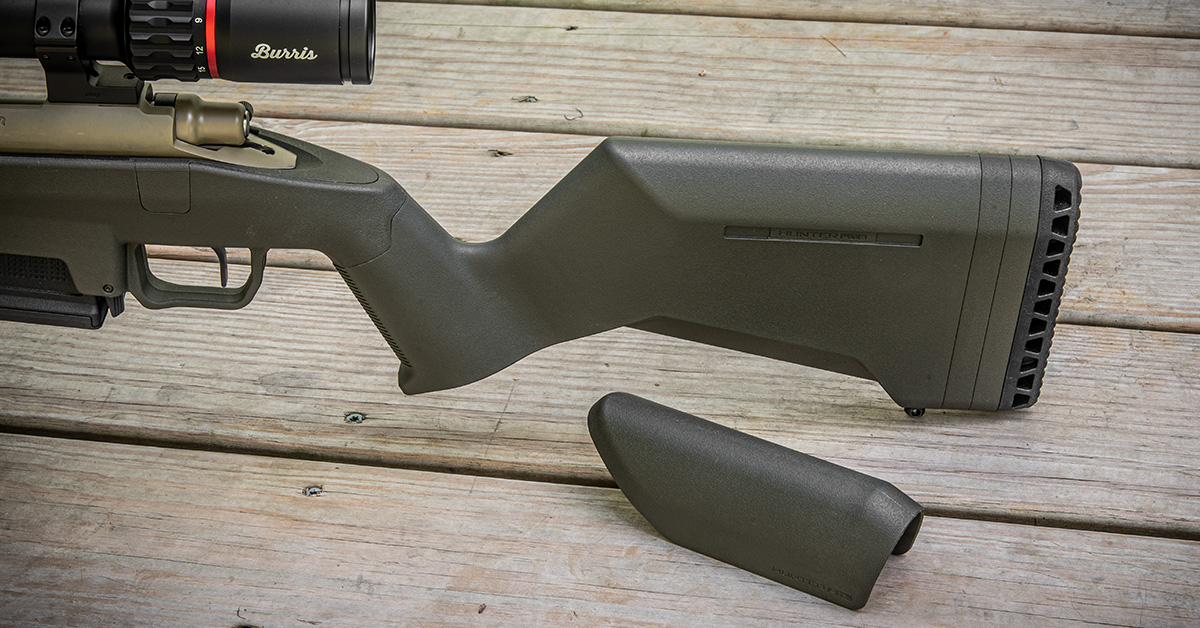
Another point of adjustability is the removable cheek piece on top of the stock. This is a snap-on, snap-off riser that adds (or subtracts) .36 inches of cheek height to promote optimal eye-to-scope alignment.
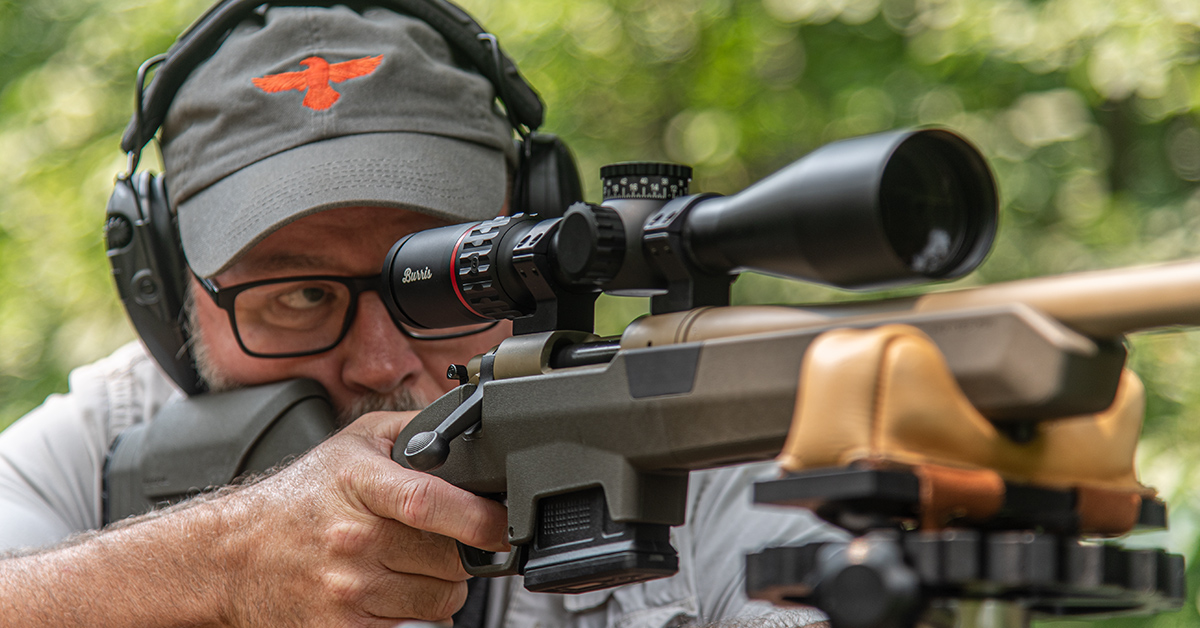
For most of my testing, I ran the stock with the cheek piece installed. The weld was good, but it ultimately proved to be a tad too high for me. I use the lowest mounts I can get away with (here, Talley medium-height mounts) to keep my scope as close to the rifle bore as possible. With these mounts and the 30mm Burris Veracity scope, the cheek piece set my eye just above the scope’s centerline. Too high for my needs — especially at the higher magnification ranges. Removing the cheek piece set things just right.
The point is, if you need some adjustment, it’s there.
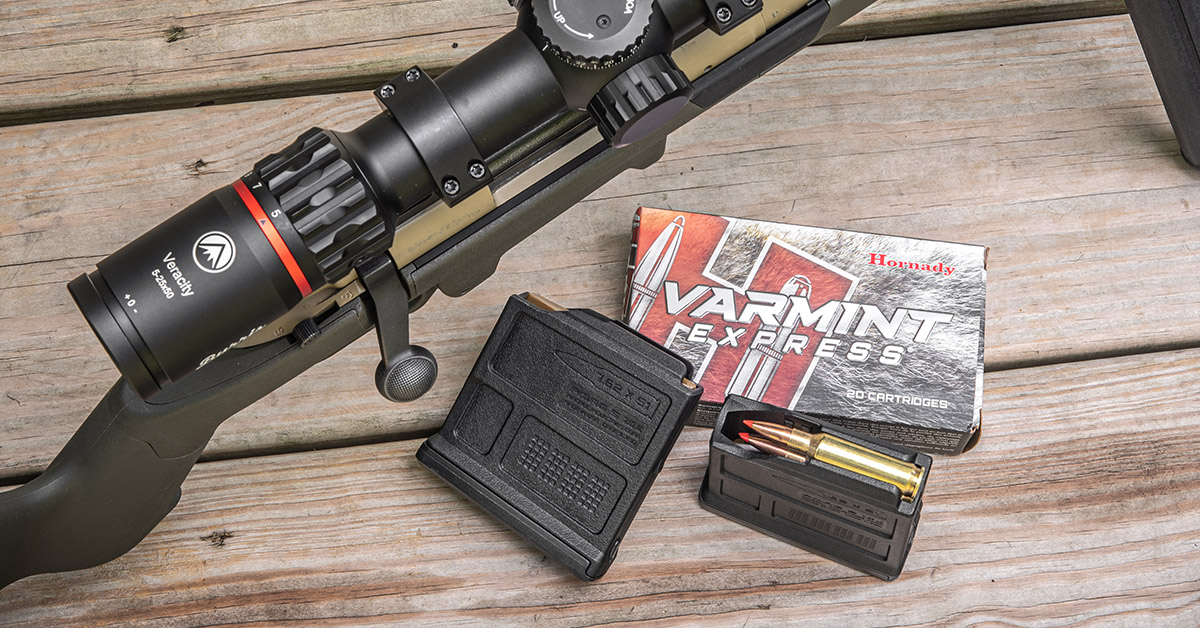
As is increasingly common with aftermarket bolt-action stock and chassis systems, the Hunter Lite uses AICS-pattern magazines. There is no bottom metal to mess with since the mag well and the ambidextrous paddle-style mag release lever are integrated in the stock. Blessedly simple.
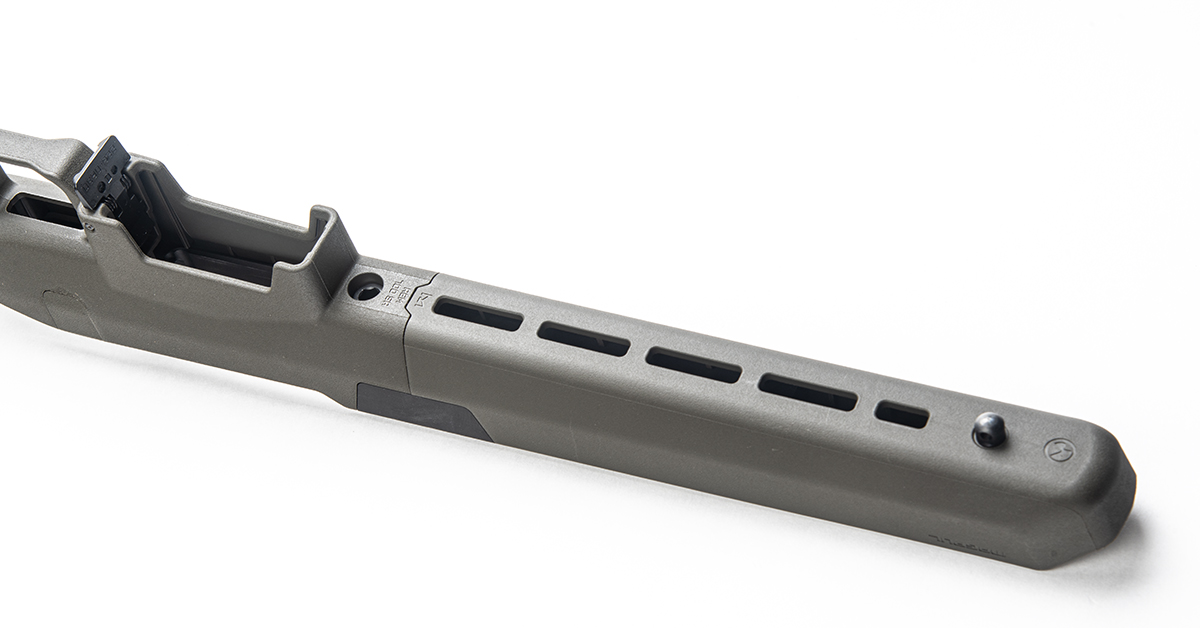
Also integrated into the stock forend are five M-LOK slots along the flat bottom (a bonus for ad hoc field rest positions). This gives you plenty of room for mounting M-LOK-compatible support systems if you like. Sling swivel studs are included front and rear.
Assembly Particulars
As with any rifle upgrade, step one is to add a precision trigger.
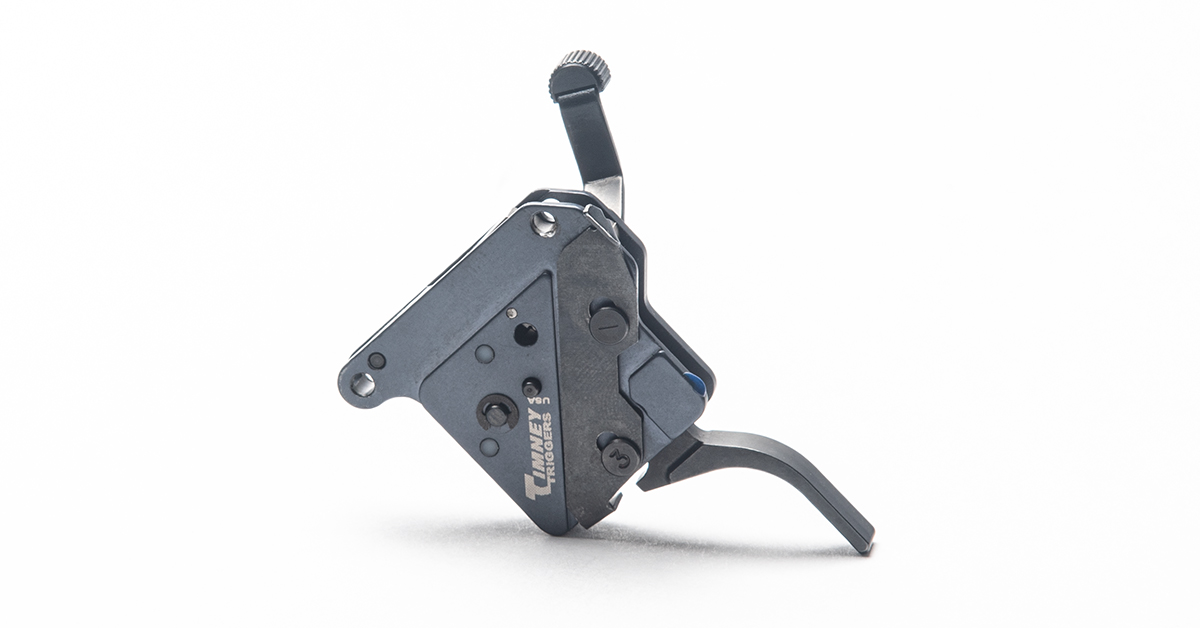
For this project, I went with Timney’s Remington 700 HIT unit. Timney developed this trigger specifically for long-range shooting and competition. It is adjustable for pull weight and overtravel. Mine is set at an average 2 lbs., 2.5 oz. pull weight. That is slightly on the light side of what I prefer for a hunting rifle; however, since this is a longer-range, “slower-paced” hunting rifle, I think the setting is on the money.
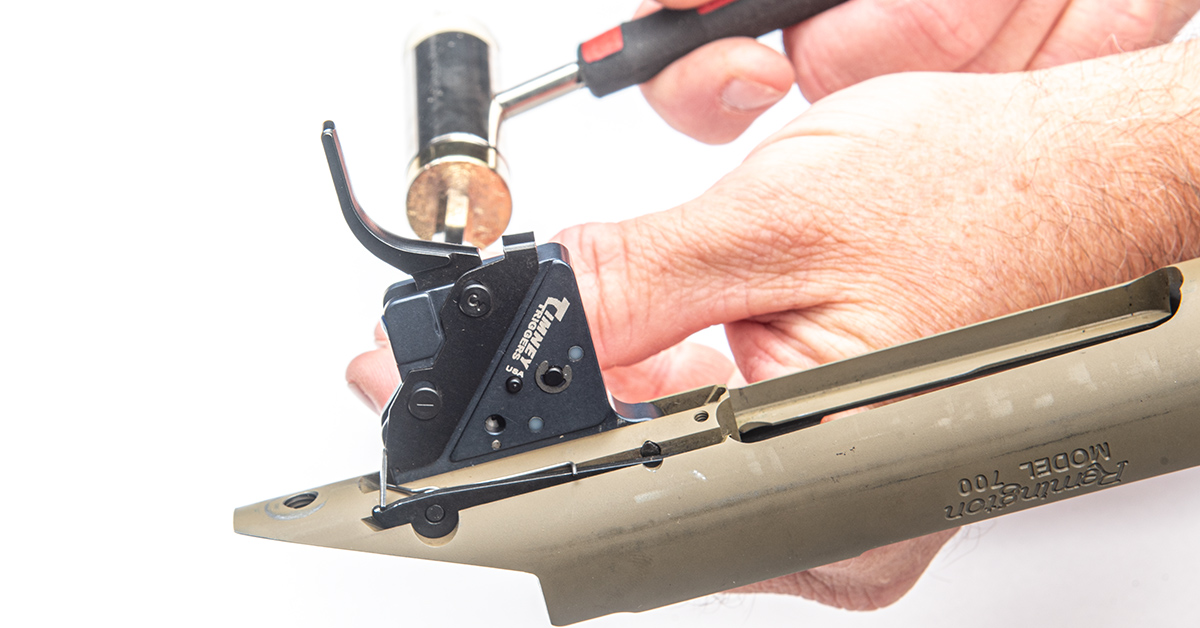
Installation of Timney’s Remington 700 triggers is super easy. If you want a step-by-step on how it’s done, check out this article. The thumbnail version is that you remove the factory assembly by moving out the two trigger assembly pins, pull the factory assembly, install the Timney trigger, and secure with the two pins. Done and done.
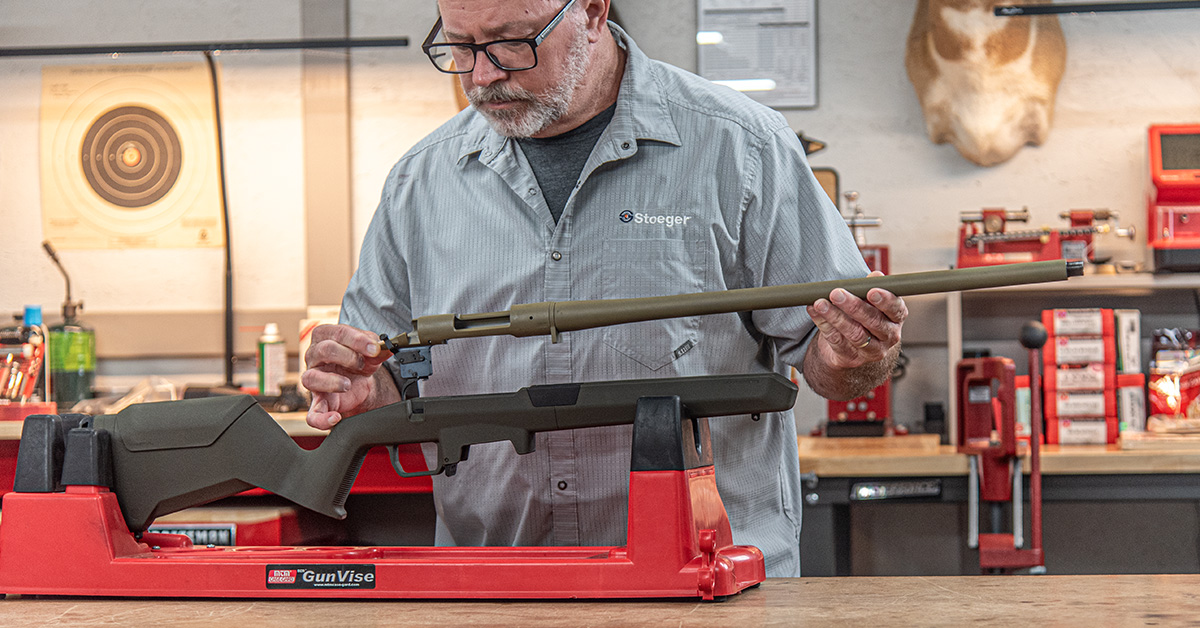
With the trigger installed, it’s time to trial-fit the barreled action to the stock. For me, the barreled action dropped neatly into the Hunter Lite. Fitment was perfect, and all the action screw holes lined up.
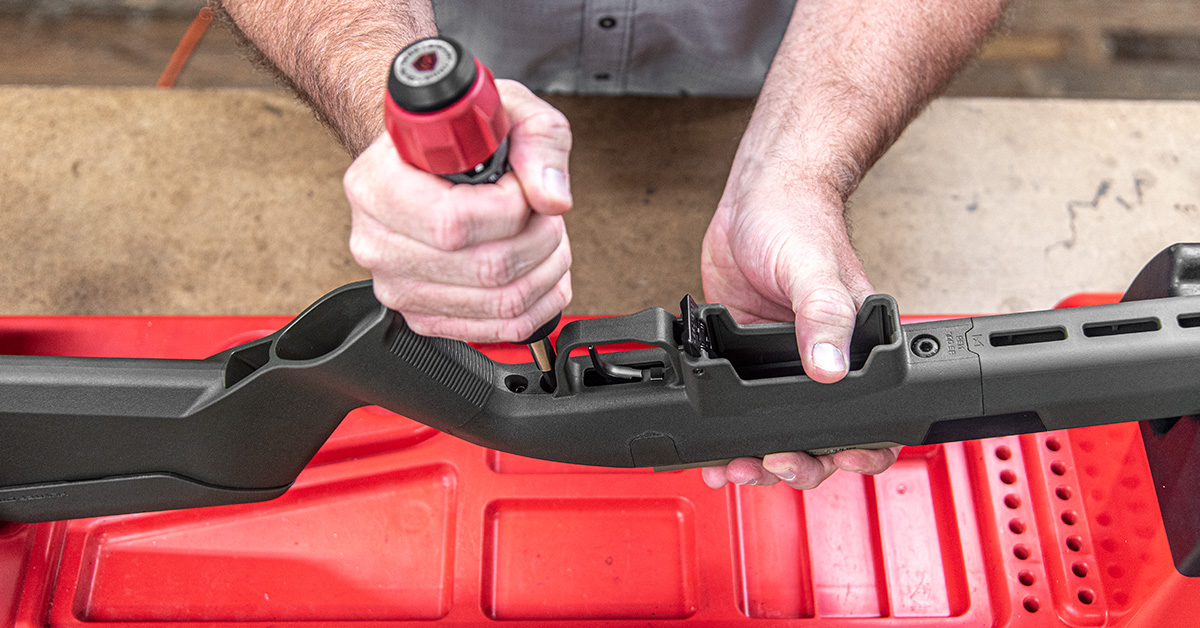
I use Real Avid’s Smart-Torq adjustable torque wrench set at 57 in/lbs. and alternately tightened the action screws to the specification. This was followed by the mandatory function check with the bolt installed, making sure the safety, trigger, and bolt worked properly.
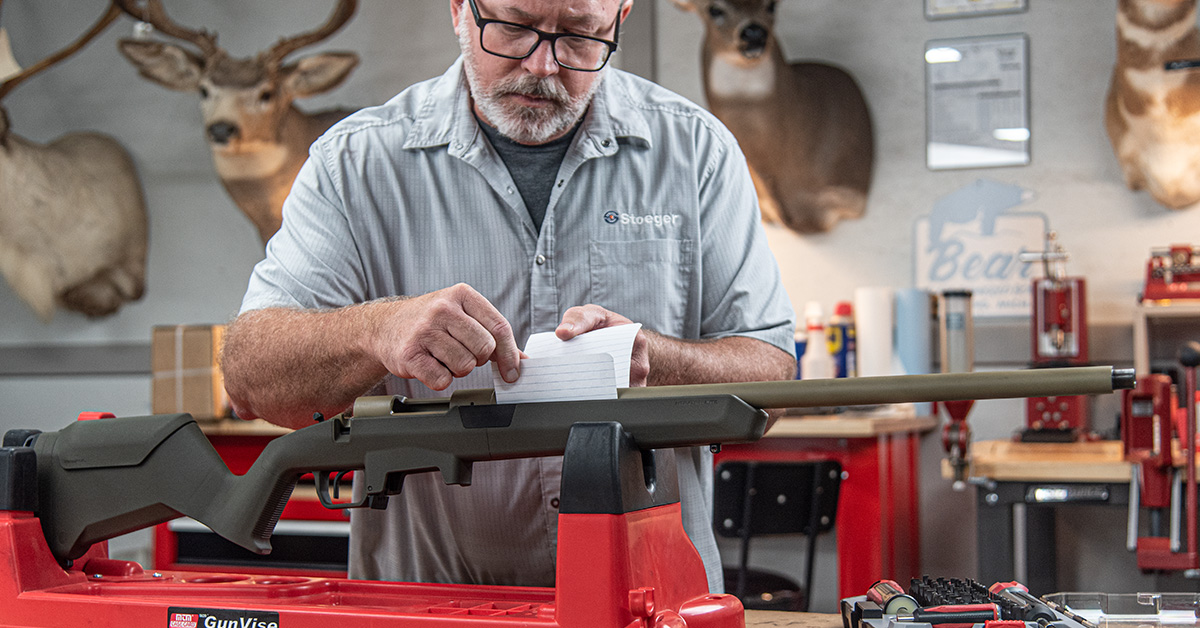
To check for any barrel-to-stock interference, I slid a thin sheet of paper between the two. The Hunter Lite stock is compatible with barrel profiles up to a medium Palma contour (0.920-in. diameter 5.50 inches forward of the breech). The paper slid easily all the way back to the barrel lug on my heavy varmint contour with no interference — a full free-float.
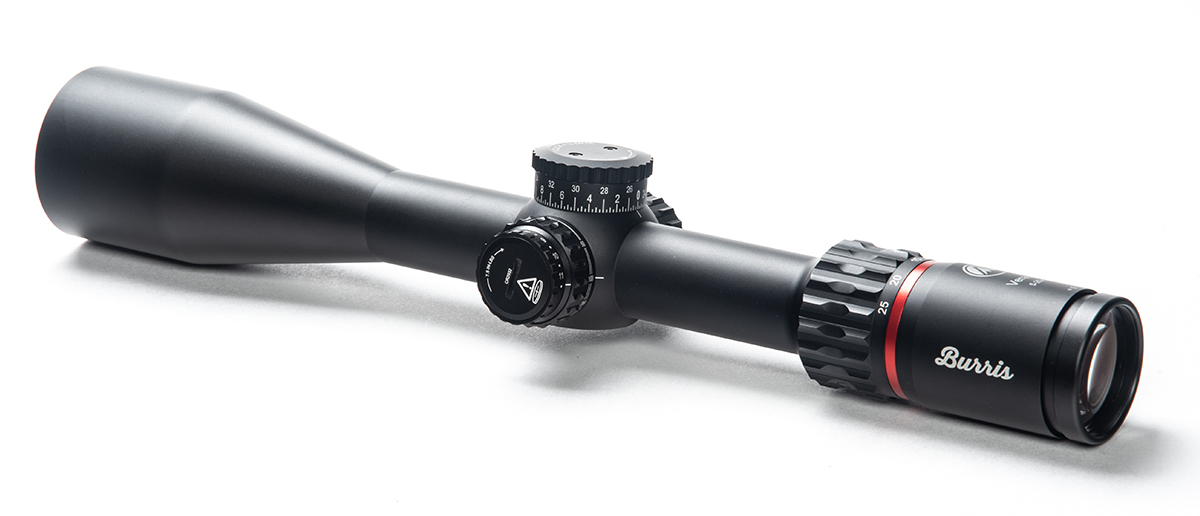
The final task was to add an optic. For this, I looked to Burris’ redesigned Veracity series — specifically, the 5-25x50mm model.
I generally do not favor the larger, high-magnification scopes for my hunting rifles because…well…they usually aren’t necessary for my style of hunting. Given, though, that I wanted a gun that would hammer the smaller critters at “out there” distances, the Veracity 5-25x seemed a logical choice.
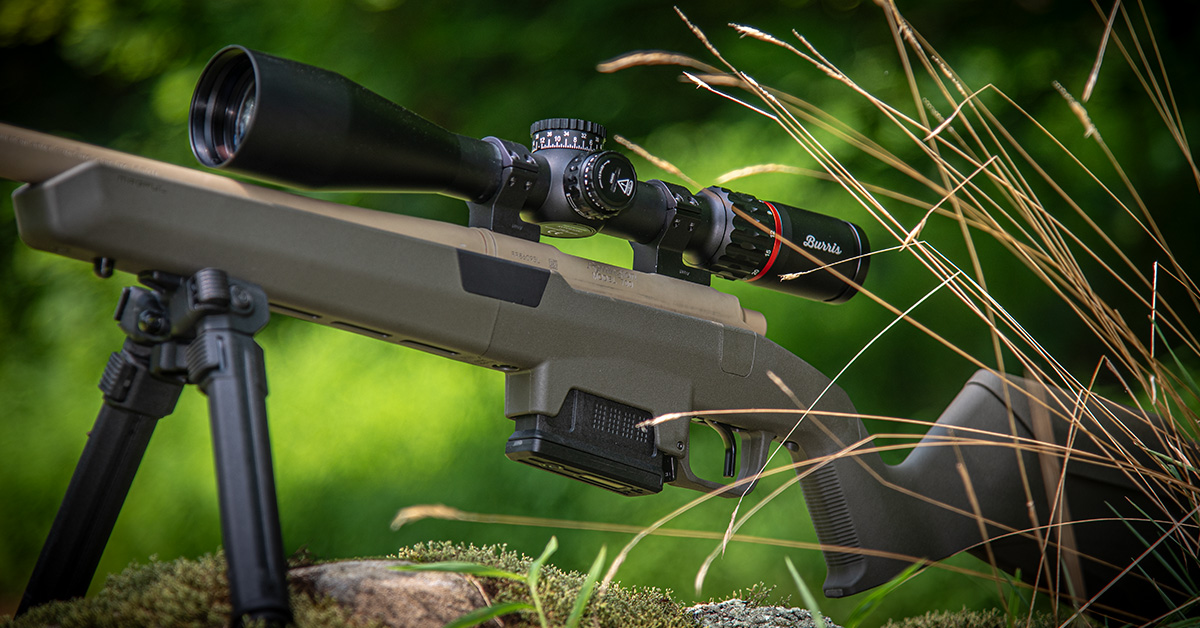
Built on a 30mm tube and hosting Burris’ premium extra-low dispersion glass, the new 5-25x Veracity is a front focal plane riflescope (the reticle enlarges with the zoom magnification). This configuration works well with the scope’s RCT-MOA reticle and Pro Elevation Knob, which is part of Burris’ Knob Synergy System. It employs an exposed elevation turret and zero click stop for quick, don’t-get-lost dialing when compensating for bullet drop — or just figure out the reticle holdovers for your particular load and wring out the benefits of the RCT-MOA reticle.
Broad parallax adjustment comes via the side focus knob, which also hosts an 11-position illumination dial with “off” detents between each illumination level.
For a long-range shooter, I found the Veracity 5-25×50 to be a good choice. Optical clarity and light transmission are on the mark for the full range of shooting conditions, and the new Burris R.E.D. Industrial Design (high-traction knurling on the elevation and side focus knobs, as well as the magnification ring) deliver fast, positive adjustment when you need it.
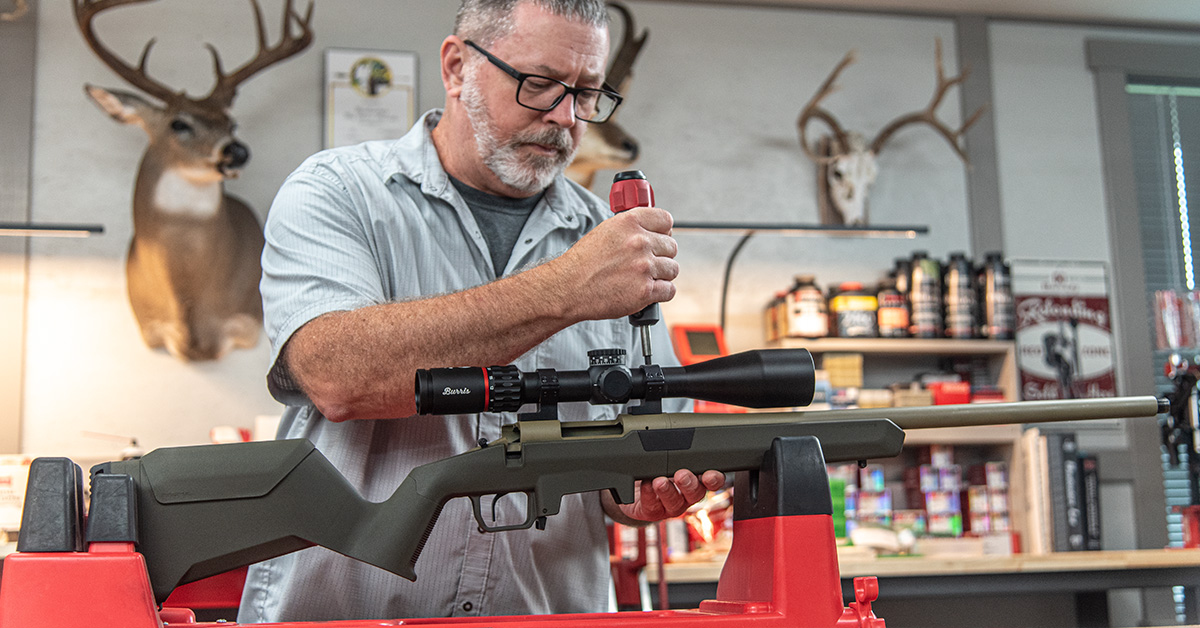
As mentioned earlier, I used Talley medium-height mounts for a couple of reasons. First, this set offered the lowest mounting position I could get for the Veracity’s objective bell clearance. Second, experience has shown these mounts to be the prime example of simpler is better…and Talley just makes good stuff.
To the Range
After screwing on Dead Air’s Sandman X suppressor, I set up the bench with the intention of trying out four different loads.
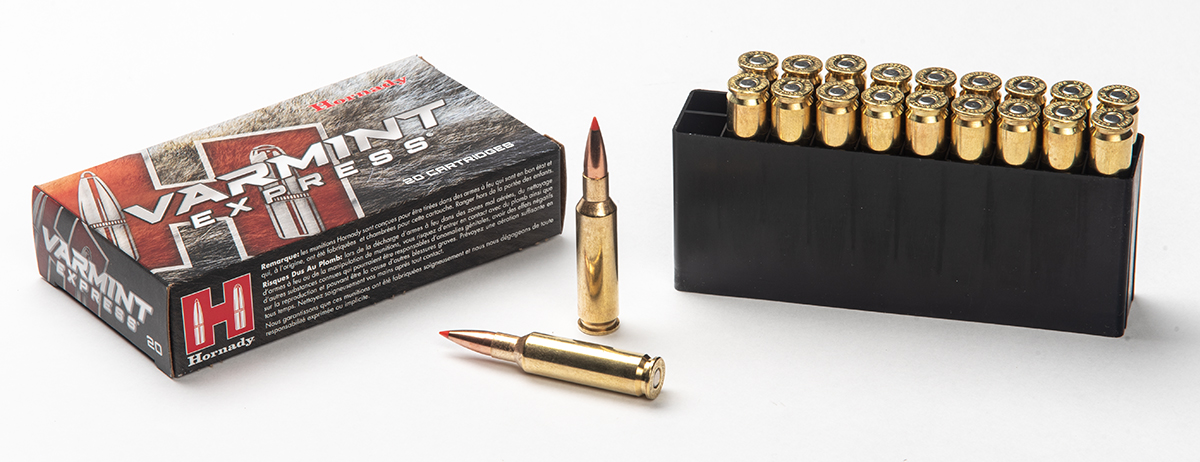
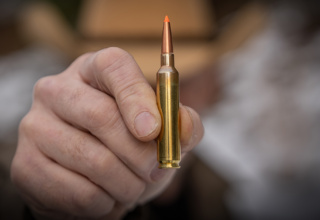
My hopes were pinned on Hornady’s Varmint Express 95-gr. V-Max loading since that was the cartridge I felt would be ideal for rascally coyotes. Thus, I started the zeroing process with this load, beginning at 25 yards and working my way out to 100. Five rounds in and the Veracity was on target.
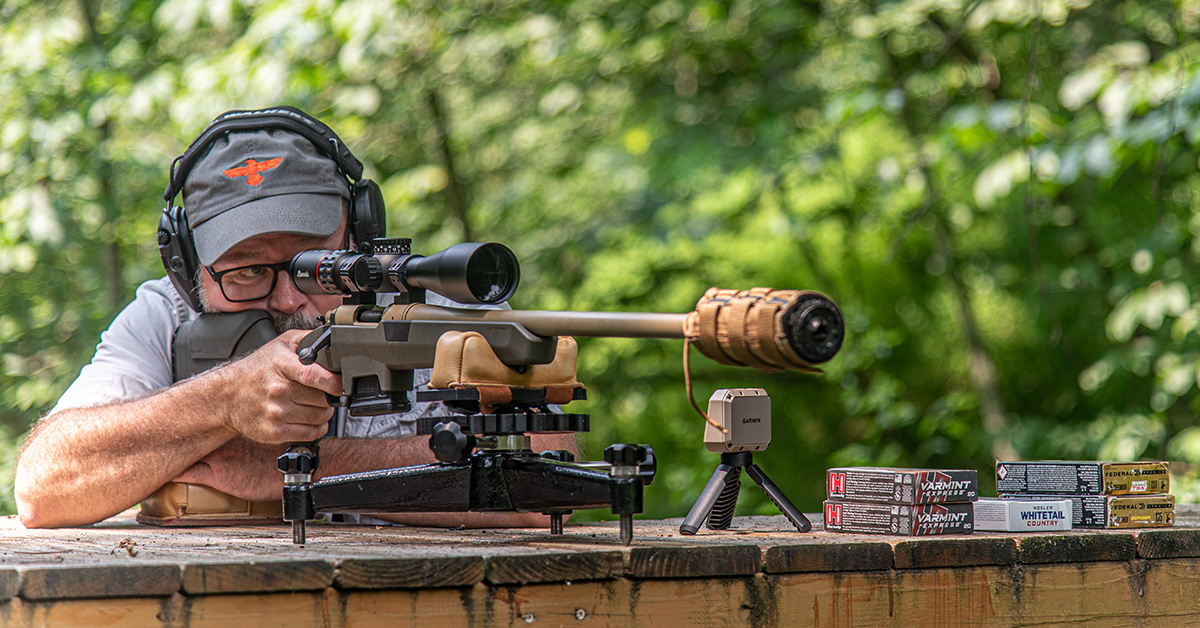
All the ingredients came together quickly and flawlessly — so much so that I declared victory after two five-round strings at 100 yards and stopped there.
The first 5-shot string measured 1.921 inches. Throw out the flyer and the four-shot group was .612 inches.
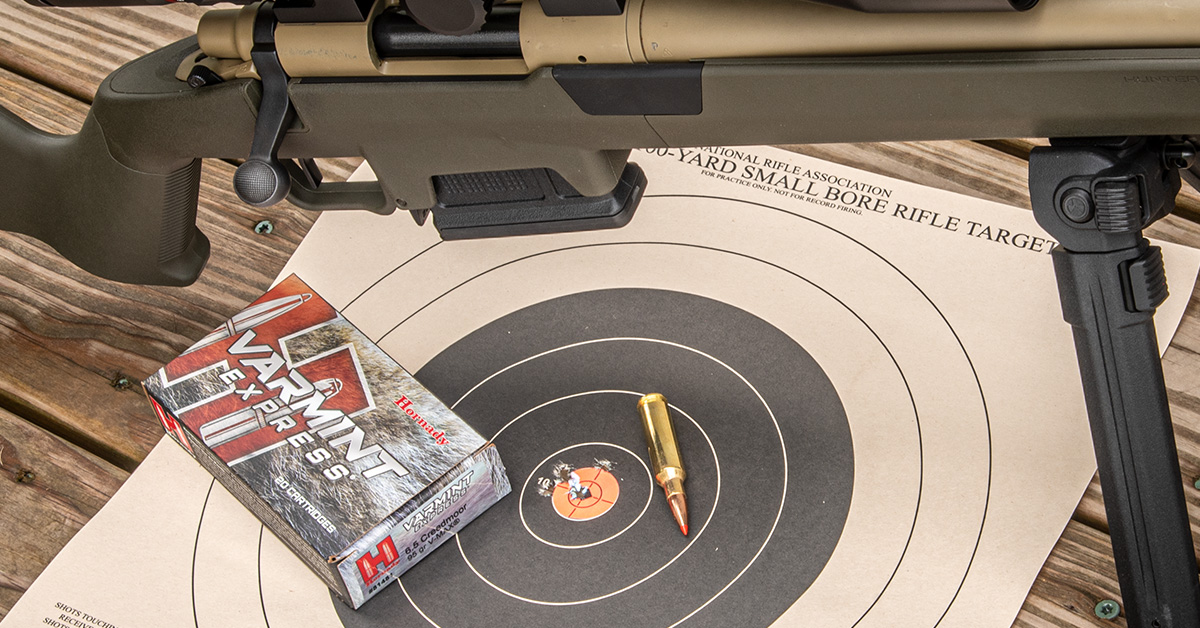
The second 5-shot string measured 0.779 in. Remove the flyer and the four-shot group marked .515 inches.
No doubt, I could have continued the testing and eventually pulled out a “five in 0.5 in.” group, but no need to waste ammo. With an average velocity of 3198.2 fps and an extreme spread average of 20.65 fps, for an on-off-the-shelf factory load, the Varmint Express offered excellent performance and sufficient proofing of this rifle assembly.
The Bottom Line
The opportunities for aftermarket rifle customization are as expansive as a Montana sky. I think that sometimes we don’t appreciate how fortunate we are. The ability to take a second- or third-hand rifle of questionable pedigree, apply some choice component upgrades, and come away with a hunting platform capable of sub-MOA accuracy with factory ammo should not be taken lightly.
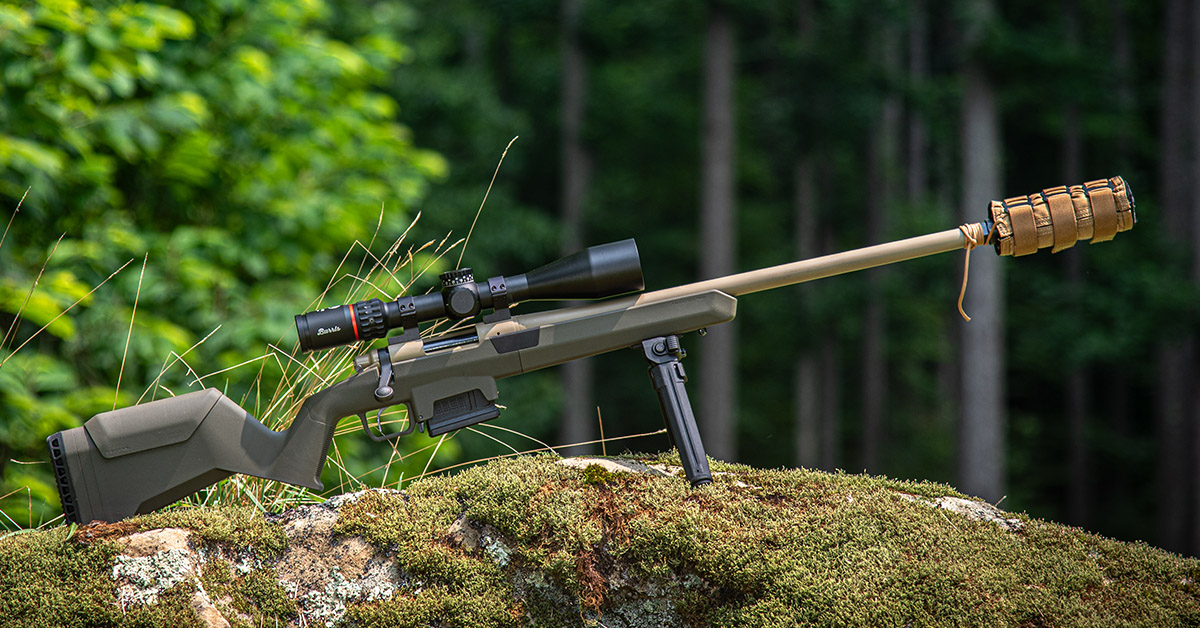
As for Magpul’s Hunter Lite stock, it pushes the “WIN” button for me. The price-to-performance ratio is tough to beat. There is enough room for custom fitment that most shooters will find that happy zone. The barreled action fitment was spot on, and it is built to withstand the rigors of hard hunting.
Ergonomically, it’s probably not for everyone. I’ve wrapped my hands around more comfortable grips and forends, yet I found nothing objective to complain about. Furthermore, Magpul’s PMAG 5 7.62 AC mags slipped easily into the magwell and stayed there while the cartridges fed smoothly into the breech.
For a hunting stock, asking for more would simply be greedy.