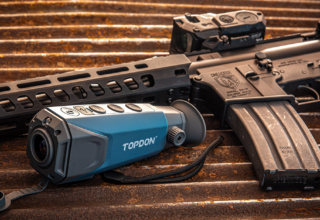
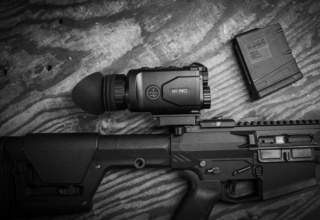
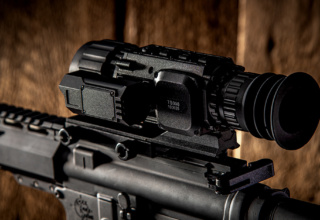
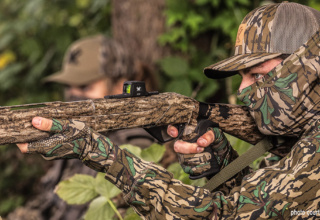
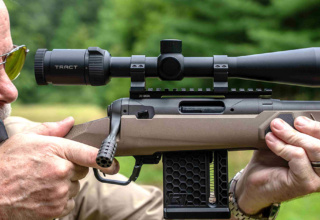
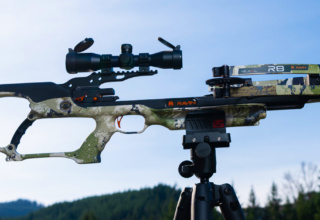
Thermal optics can be a huge benefit for both home defense and sporting applications, but understanding the essentials is key to getting the right optic for your budget
by Barb Melloni
Thermal optics, whether they be a riflescope, binoculars, or even a monocular, have become priceless equipment for anyone looking to expand their gear dedicated to both defensive and hunting purposes. Unlike traditional night vision that amplifies ambient light, thermal imaging detects heat signatures. This capability allows you to detect animals, people, and even vehicles in complete darkness, deep shadows, or light brush. Not only does this give you the upper hand in an active defensive scenario, but it also grants you the ability to identify potential threats before they become aware of your presence.
Understanding how a thermal optic works is essential when navigating the wide array of options on the market to determine which best fits your unique needs. Here, we aim to break down the fundamentals to provide the knowledge essential to making informed purchases that avoid buyer’s remorse.
How Thermal Imaging Works
Everything in the world around you emits infrared radiation, forming a heat signature that directly correlates to the temperature of that particular object. This applies to animals, humans, and inanimate objects that generate or absorb heat, such as a car engine or a large boulder. Variations in thermal radiation patterns are detected by an internal sensor and are then translated into a high-contrast image for the user.
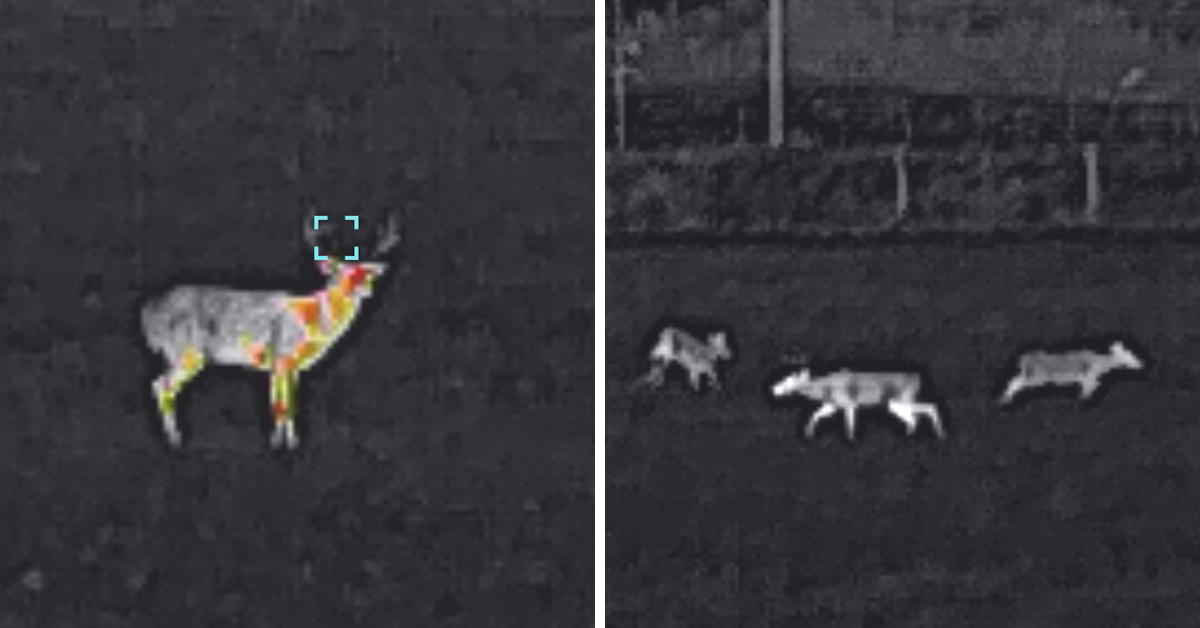
Since optics of this nature do not rely on visible or ambient light, they are able to function in complete darkness, through vegetation, or even in light fog or smoke-filled environments.
Core Components That Determine Image Quality
Sensor (Core) Resolution – Common sensor resolutions found in thermal optics include 256×192, 384×288, 640×512, and 1024×768, to name a few. The two numbers that make up a thermal optic’s sensor resolution represent its pixel count in width x height. The higher the number, the more pixels there are, which means higher levels of detail and improved detection at further distances.
For example, a 256 thermal sensor may satisfy your needs for close-range work, but using the same optic for long-range work will likely result in an image lacking the detail needed for positive target identification.
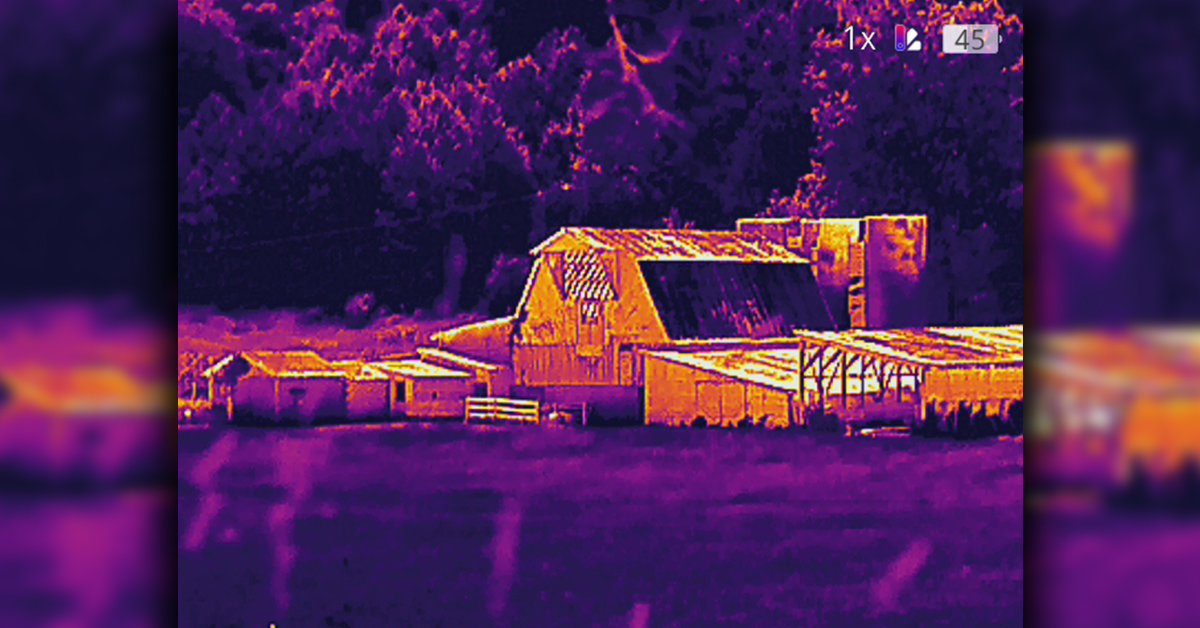
Also important is the display resolution of an optic, which is the image you see in the optic. A thermal optic can have a quality sensor but a low-resolution display, thus not taking full advantage of the sensor’s capabilities. When possible, the optic’s display resolution and the sensor resolution should fall within the same range for optimal image detail.
Objective Lens Size & Material – A thermal’s objective lens also affects its ability to render bright, detailed images at greater distances, with larger-diameter lenses naturally gathering more IR radiation than smaller ones.
Also important is the material from which this lens is created. Most manufacturers prefer to use Germanium when creating their objective lenses. This material helps minimize chromatic aberration, which is essential when you require high-resolution images. In addition, this material is favored for its ability to transmit infrared radiation. At the same time, its high refractive index enables the use of a smaller lens, reducing the unit’s overall size and weight.
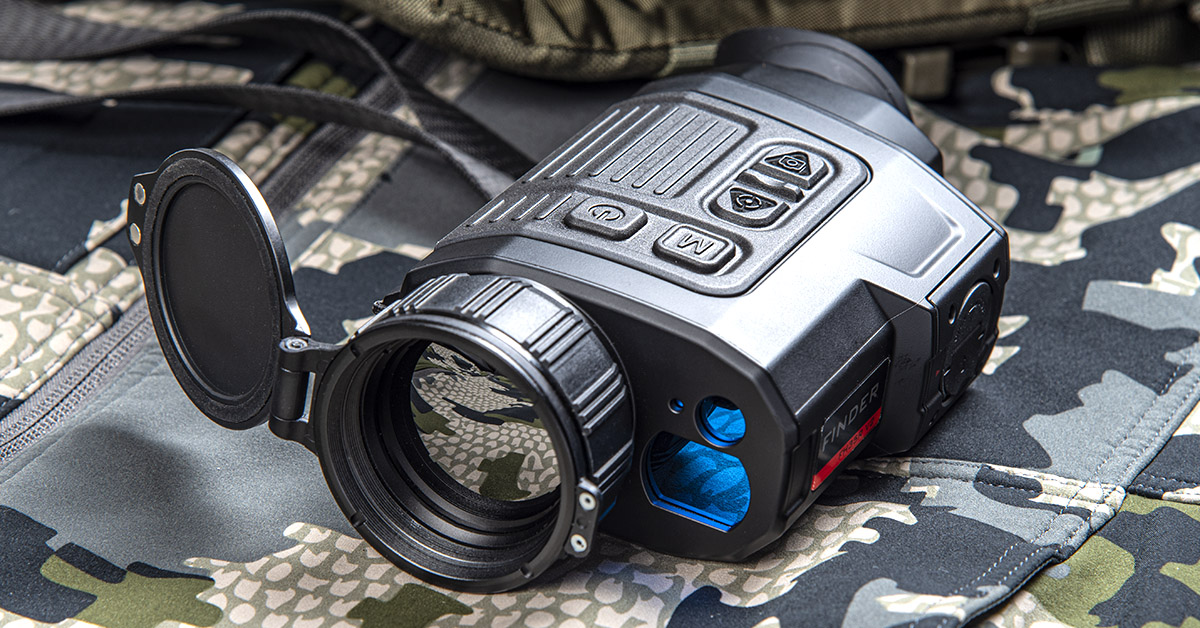
Germanium is expensive, leading to the utilization of Chalcogenide glass — a lower-cost alternative often used in less-expensive thermal optics.
When reviewing specifications for various thermals, you may also notice that the objective lens has an F-number designation. Generally, a rating of F/1.0 is ideal. Lower numbers produce brighter, more highly contrasted images than higher numbers do, and vice versa. Lower F-numbers will also provide greater thermal sensitivity, allowing you to detect smaller temperature changes and identify targets at greater distances.
Base Magnification & Digital Zoom – Base magnification is the level of magnification an optic has before digital zoom is applied. This feature has a direct impact not only on image size but also on field-of-view and image clarity.
If you plan to use your thermal for defensive purposes or close-range or mid-range hunting, look for one with a low base magnification of 1-2x. This will give you the widest possible field-of-view for quickly scanning your surroundings.
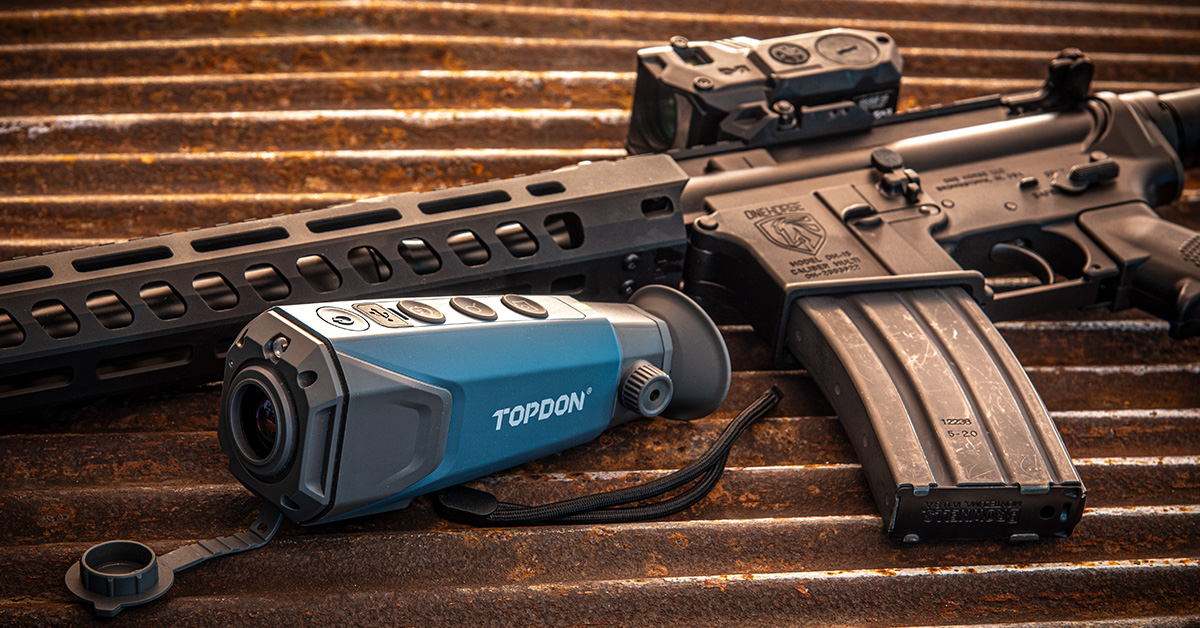
If you plan to use your thermal in longer-range engagements or scanning, an optic with a higher base magnification of around 3-5x is ideal. Although this comes at the expense of a reduced field-of-view, you will retain image clarity since you won’t be relying on high digital zoom to view your target.
Sensor Sensitivity and Environmental Performance (NETD/mK. Rating) – Diving even further into the weeds of thermal specifications, we now come to NETD (Noise Equivalent Temperature Difference), typically measured in mK. In layman’s terms, thermal optics with lower NETD ratings can detect smaller temperature differences and provide greater detail than those with higher NETD ratings. Top performing sensors are usually rated at <20 mK. and provide the clearest images in fog and other inclement conditions.
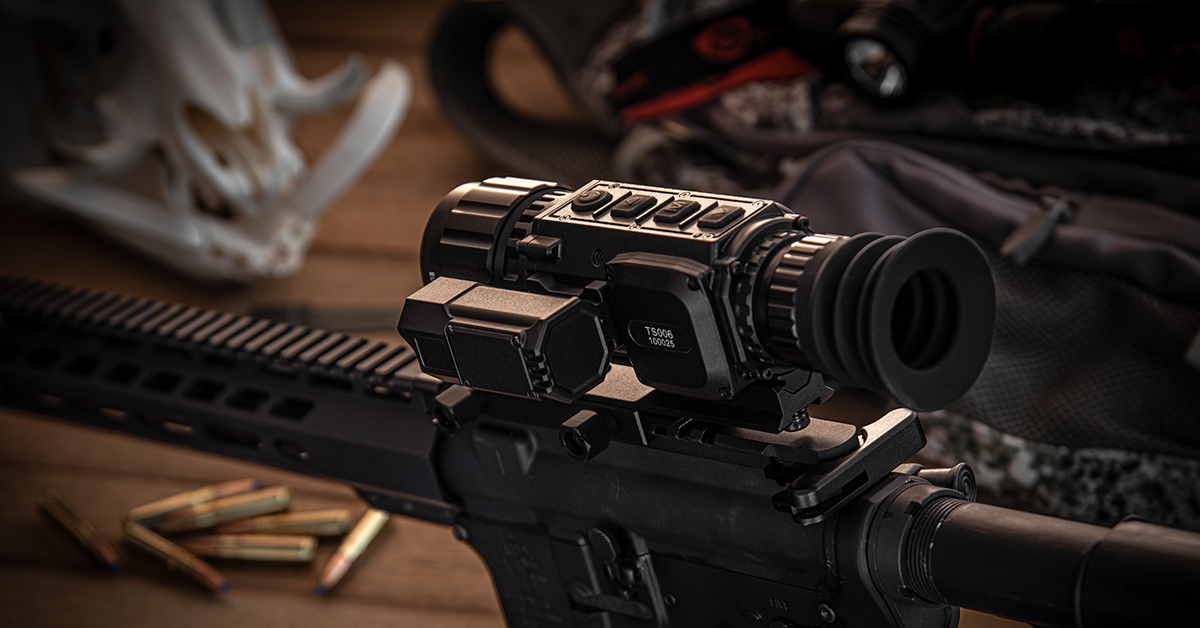
Sensors falling within the 20-35 mK. range will still perform satisfactorily in most conditions, while those rated >35 mK. are often found in lower-tier, less expensive thermals. In ideal weather, the difference between two optics may be hard to detect, but under inclement conditions such as rain and fog, it would be quite obvious.
Environmental Influences
Regardless of how good a thermal you have, all are subject to external weather variables, such as rain, humidity, fog, and ambient temperature. When these external factors are at the extremes of whatever they are measured by, that is when you’ll experience firsthand the impact they may have.
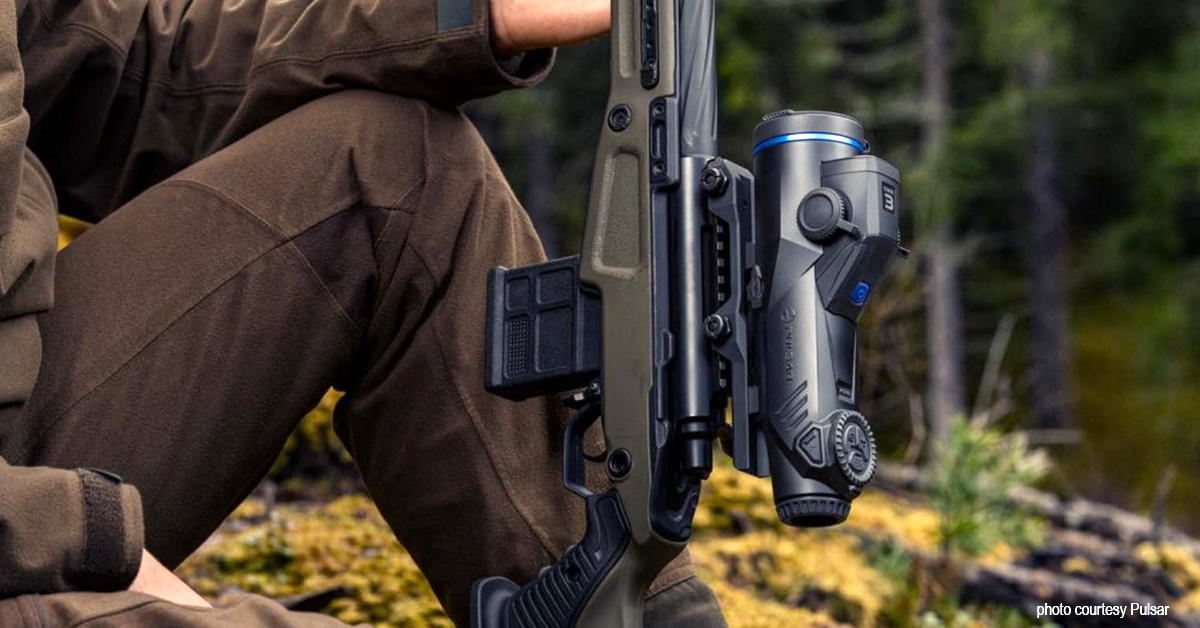
When humidity is high, some optics may experience a decline in clarity because it becomes harder to detect variations in an object’s temperature. This potential issue can be mitigated by selecting a thermal with a more sensitive sensor. Terrain will have a greater impact on a thermal’s performance, with open fields offering opportunities for long-range detection while dense vegetation and wooded areas greatly reduce visibility.
Choosing the Right Thermal Optic
Perhaps one of the most exciting things about this product category is the innovation and development that have been ablaze behind it over recent years. Not only has this improved thermal optics, but it has also driven down prices to levels that make them much more attainable for a wider consumer base. With that being said, you get what you pay for, and the old saying “buy once, cry once” can fairly be applied in most cases. Just be sure to consider the advancements that have driven down prices over the years, so what used to be priced at a questionable level may be worth a second look.
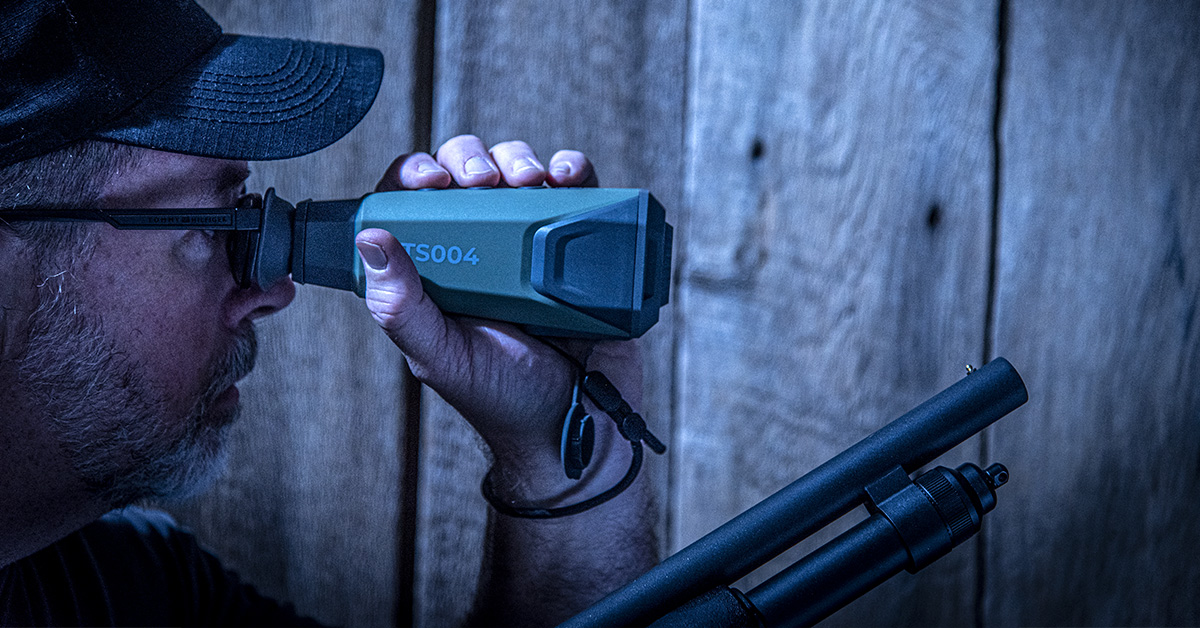
Before committing to a purchase, make an honest evaluation of your needs and seek out an optic with specifications and features that match those needs. Buyers’ regret can be easily avoided by first educating yourself on the features discussed previously rather than falling for marketing pitches, and by focusing on what you actually need. Determine how you will most often use your thermal, and prioritize various ratings, features, and more based on that primary use. If, for example, you expect to be constantly subjected to poor weather, look for optics with a low NETD rating. Those who need to identify targets at long distances should prioritize optics with higher resolution.
Conclusion
Thermal optics can certainly seem complicated at first, especially as you read through the resolution, sensitivity, and other specifications of various models. A little education will go a long way and prevent you from becoming overwhelmed in a sea of options.
With a clear grasp of how thermal imaging works and how to match various specifications to your primary use and environment, you’ll be able to make a confident and informed purchase. Figure out what matters most and choose the optic that meets your unique defensive, hunting, or recreational needs.

- TESTED: Auto-Ordnance 1927A-1C Lightweight Deluxe - October 12, 2026
- A Beginner’s Guide to Understanding Thermal Optics - September 2, 2026
- This Year’s Top Ten UTV Hunting Accessories - August 28, 2026