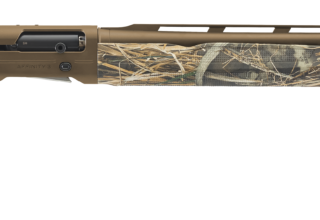
Here are the top 10 gun tools we use more than any others. You should have them on your DIY workbench.
by Rob Reaser
As long-time Shoot ON readers know, DIY gun work is a big chunk of our editorial mix. Part of our mission is to show you upgrades, repairs, and maintenance projects in a detailed, step-by-step process so that you can have the full confidence and knowledge to do the work yourselves.
What stands out after years of producing DIY articles are the tools that most commonly find their way onto the work bench. These are the items that we typically reach for — whether it is for basic maintenance or aftermarket modifications.
We chose the Top 10 tools that cover most gun DIY projects. With these products, you can handle the majority of gun work you’re likely to encounter.
1 – Bench Vise
My absolute favorite bench vise is the Master Gun Vise. It is a standout because its articulating ball and socket construction lets you get the optimal angle for whatever work you are performing. I use it every time I clean a rifle, shotgun, or pistol barrel because it gives me maximum control and leverage on the cleaning rod for running those tight patches. I can also pivot the barrel downward to allow solvent and dirty patches to drop straight into the garbage can to minimize mess.
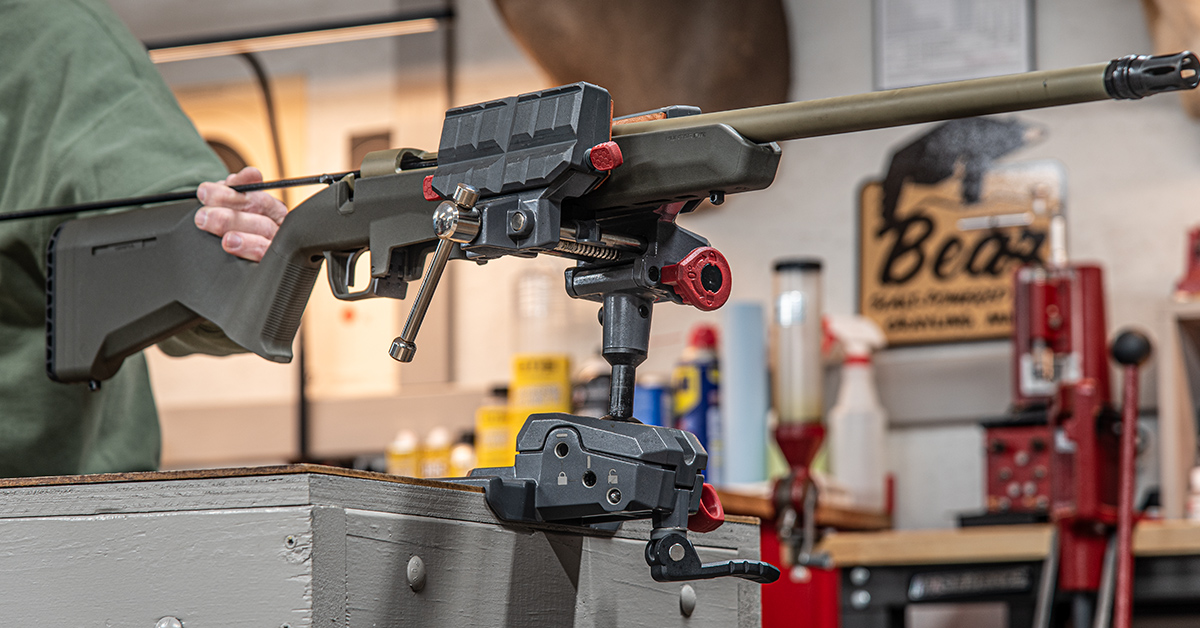
The Master Gun Vise is unique in that it comes with reversible jaws designed for varying clamping applications. The standard jaw features a padded side to protect wood stocks and a semi-rigid side with assorted vertical grooves and a horizontal channel that’s perfect to clamp a barrel. Real Avid also offers a multi-fit jaw set with rubberized surfaces that is also grooved on one side and flat textured on the other, a jaw set with a metal v-groove on one side and a rubberized groove on the other designed for tubing and cylindrical objects, and another set with the semi-rigid side and leather on the other side that’s safe for wood and blued finishes.
The vise also works with Real Avid’s Lug-Lok Upper Vise Block for AR-15s, and it accepts the company’s Smart-Assist Quick-Connect System — a great add-on for doing detailed work.
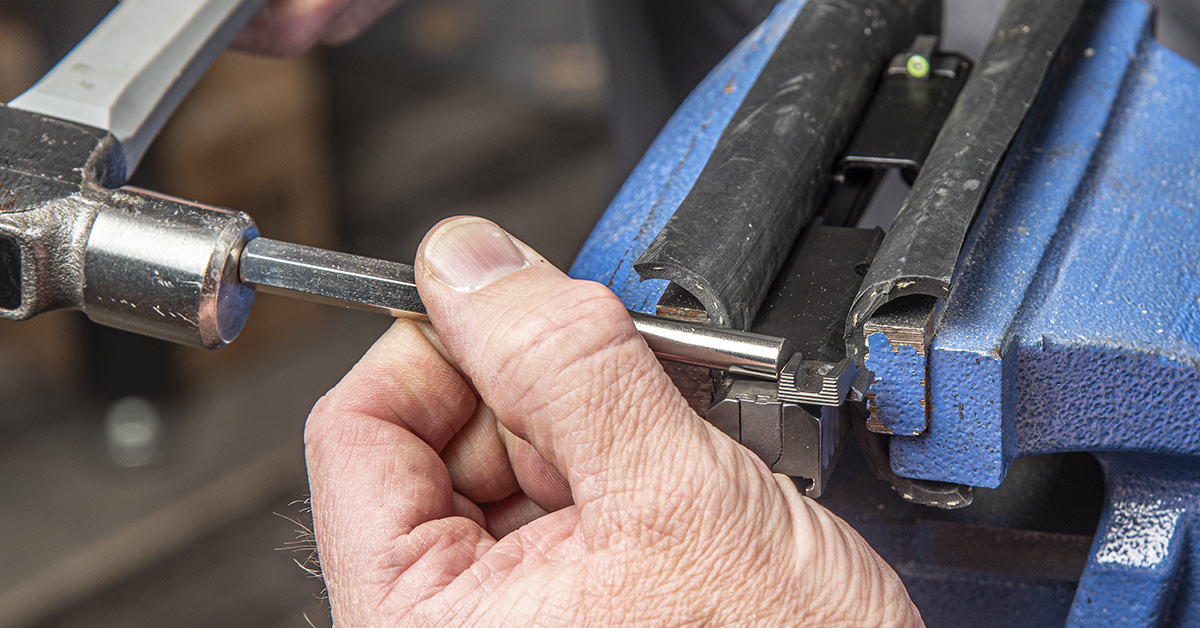
That’s one vise we highly recommend. The other is a standard bench vise. This is essential for projects that require hard hammering or heavy torquing applications, such as installing barreled actions, barrel nuts, or muzzle devices.
If you have both vices secured to your bench, you’re in good shape for any project.
2 – Non-Slip Mat
Gun work is messy work…usually. Cleaning and maintenance most certainly is. It can also be difficult to keep parts in order and “unlost” on the work bench. This is where a quality gun bench mat comes in.
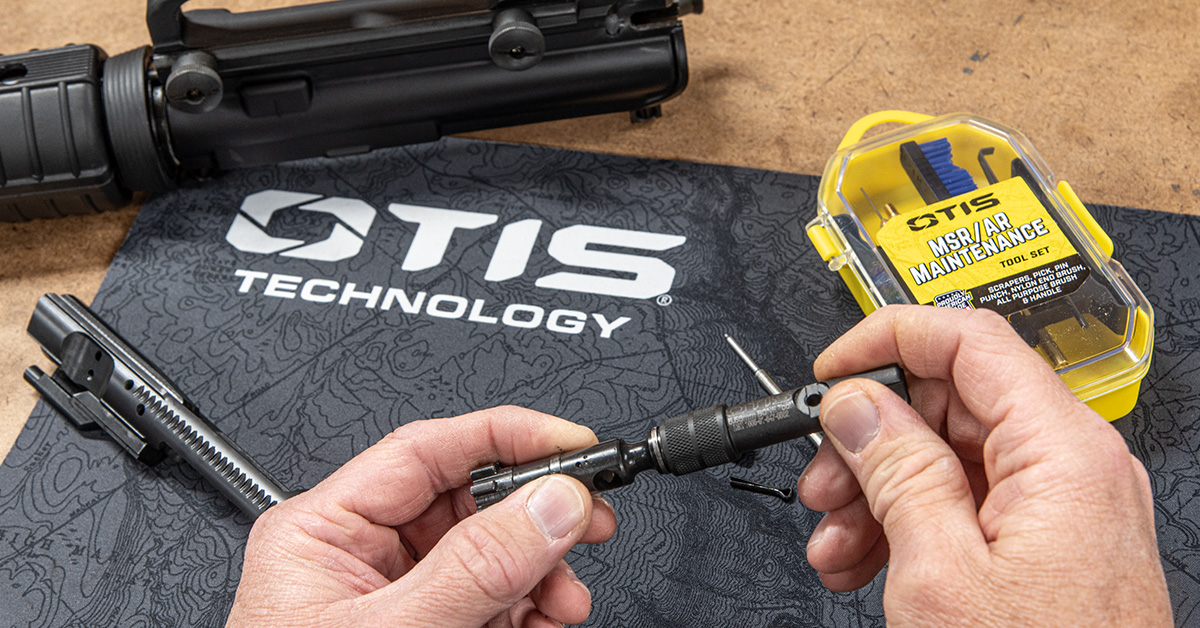
One I’ve been using lately is the Sportsman’s Gun Cleaning Mat from Otis Technology. It measures 35.25 x 17.75 inches, is 3mm thick, and has a non-slip rubber backing that keeps it in place on the bench. The rubber backing also prevents oils and solvents — inevitable when servicing a gun — from soaking through to your work bench.
3 – Multi-Bit and Driver Set
The absolute must-have tool of the DIY gun enthusiast is a set of assorted bits — Allen, Torx, slot head, and Phillips — and accompanying driver(s). Most aftermarket accessories, such as optics, rings, accessory rails, lights, and so on, typically use Allen or Torx head screws, and the sizes can range quite significantly, so you need a broad selection to ensure the right bit for the job.
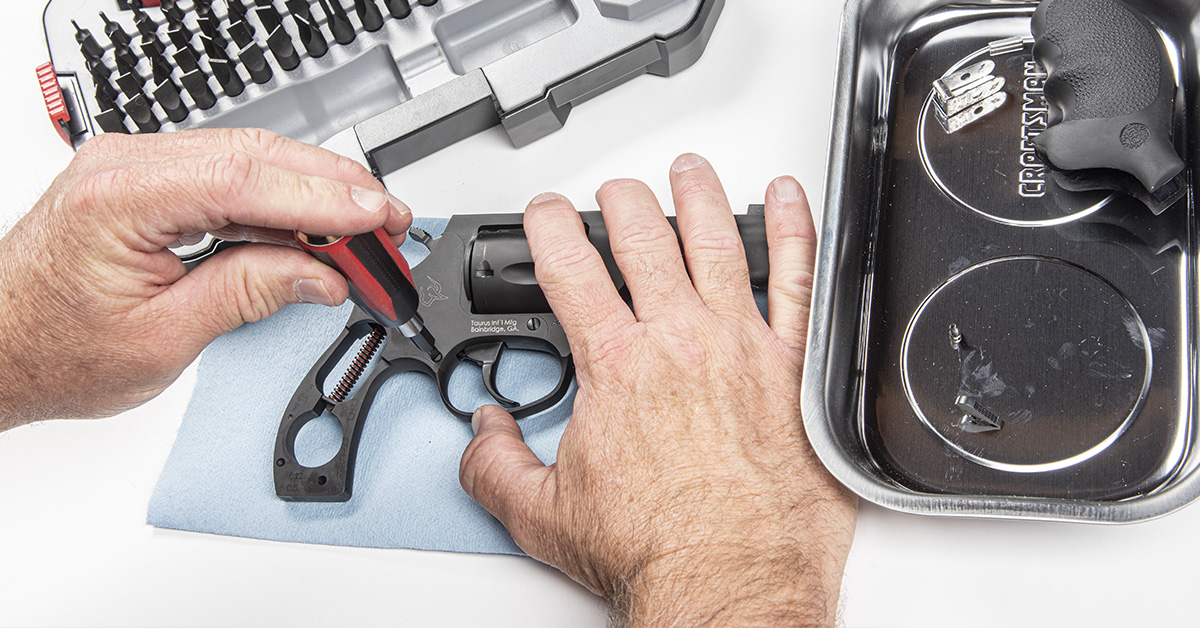
When slot head screws are encountered, it is important that the slot head bits feature parallel, or hollow-ground, shanks that precisely fit the screw slots. This contrasts with general hardware or automotive-style slot head screwdrivers and bits that are typically angled to “work with most” screw heads. You don’t want to use those on guns because they will ultimately damage the screw head and quite possibly the gun due to their improper fitment. Parallel-shank bits, on the other hand, provide the deep, surface-to-surface fit to deliver maximum torque without damage.
My go-to is the Smart-Torq & Driver Master Set. It includes 83 black oxide bits that will cover pretty much every application you’ll need, along with a torque driver, a lighted bit driver, and a force-assist that can also be used as a “fast twizzling” driver for those five-thread, long-shank screws.
4 – Punch Sets
AR enthusiasts already know that punches are essential for working on their guns. But if you plan to do any inside work on a rifle, shotgun, or handgun, such as trigger removal for cleaning or upgrading to a precision unit, you’re going to need a good set of punches.
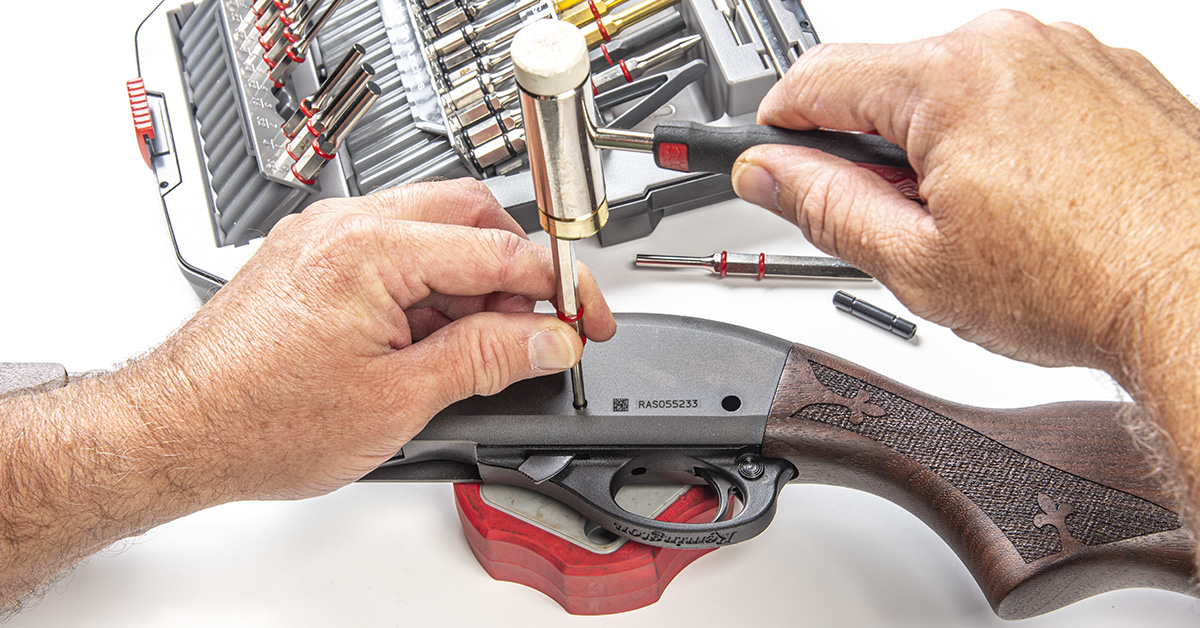
My favorite is the Accu-Punch Master Set. This is a 37-piece kit that includes a full set of flat punches, roll pin punches, and non-marring brass punches. The punches come in a locking case with a flip-back lid and folding punch racks to keep everything tidy on your work bench and to ensure the punches don’t get lost in a drawer.
5 – Gun Cradle
As much as I lean on a bench vise, I rely even more on a gun cradle for long gun work. In fact, most anything I do with a long gun will eventually see it on a cradle. This includes scope mounting, sight mounting, stock inletting, stock swaps, and more.
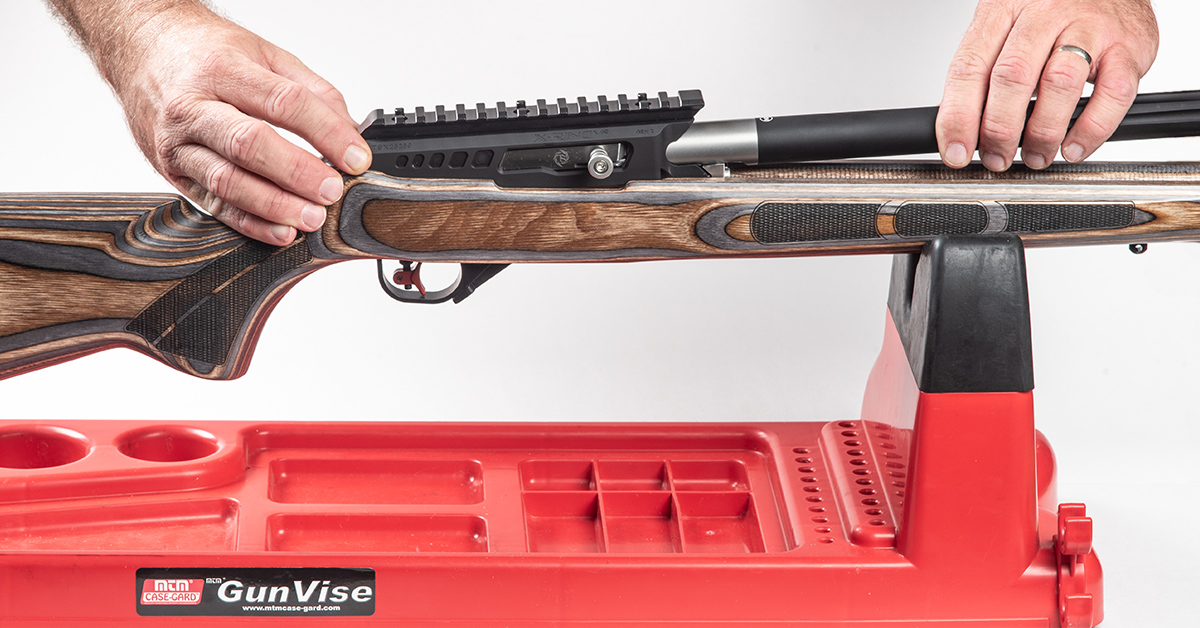
I like the MTM Case-Gard Gun Vise for a couple of reasons. First, it includes a clamp on one end so that you can lock down the stock to prevent gun rotation. Second, it is lightweight and super convenient. I keep mine propped beside my tool chest. When I need it, I just grab it and place it on the work bench.
The Gun Vise also comes with assorted built-in trays for small parts, driver bits, brushes and jags, and oil and solvent bottles, as well as side loops to stow a cleaning rod. Rubber feet at the four corners prevent slippage on the bench.
6 – Kroil
This next must-have isn’t a tool in the conventional sense, but it might as well be because it performs like one.
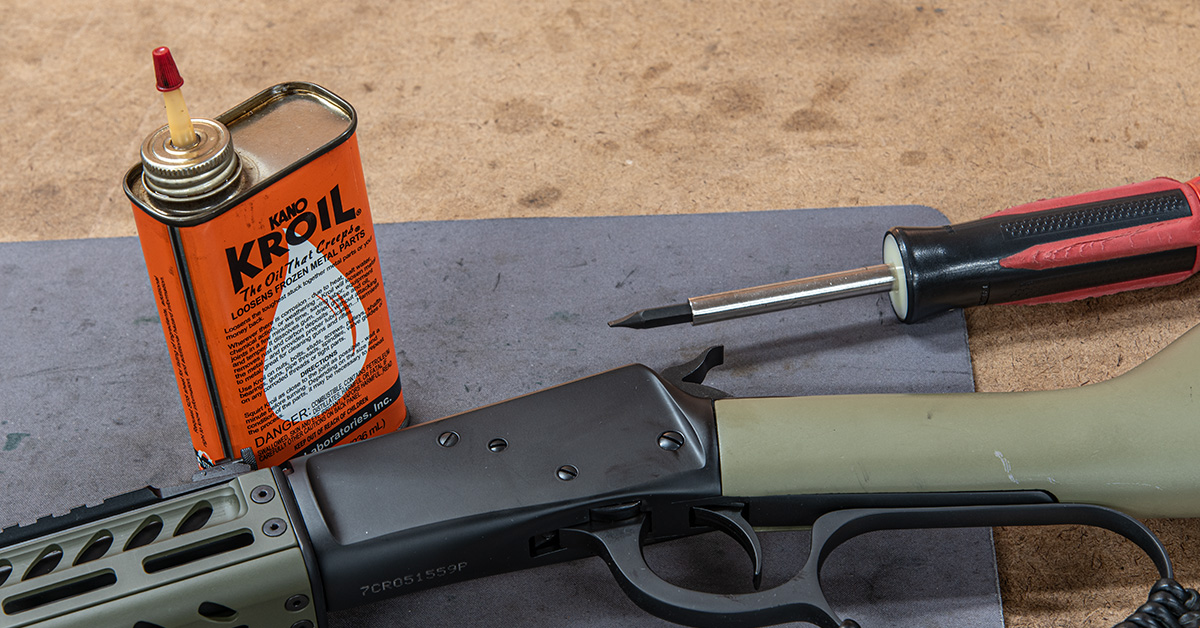
If you’ve never used Kroil, it’s time you get to know it.
This is a high-penetration lubricant that has an uncanny ability to seep and creep into the smallest of spaces. Its number one usefulness on the work bench is providing the means to remove screws that are excessively tight or corroded, thus preventing potential damage to the screw upon removal.
On tough screws, you want to give the Kroil time to penetrate the screw threads — usually around 24 hours. If a screw seems a bit tight, I’ll apply a drop of Kroil, leave it for a couple hours, and try again. If it doesn’t come loose, then I’ll give it the 24-hour soak before trying again. If that doesn’t work, it’s time to get out the propane torch!
7 – Ejector Removal Tool
This one is for AR owners.
Most folks never disassemble their bolt for cleaning, but they should. In fact, it should be cleaned after every shooting session. Fouling and corrosion can cause issues with the ejector, the extractor, and even firing pin movement within the bolt. The only way to clean the bolt is to completely disassemble it, and that’s where the fun part comes in.
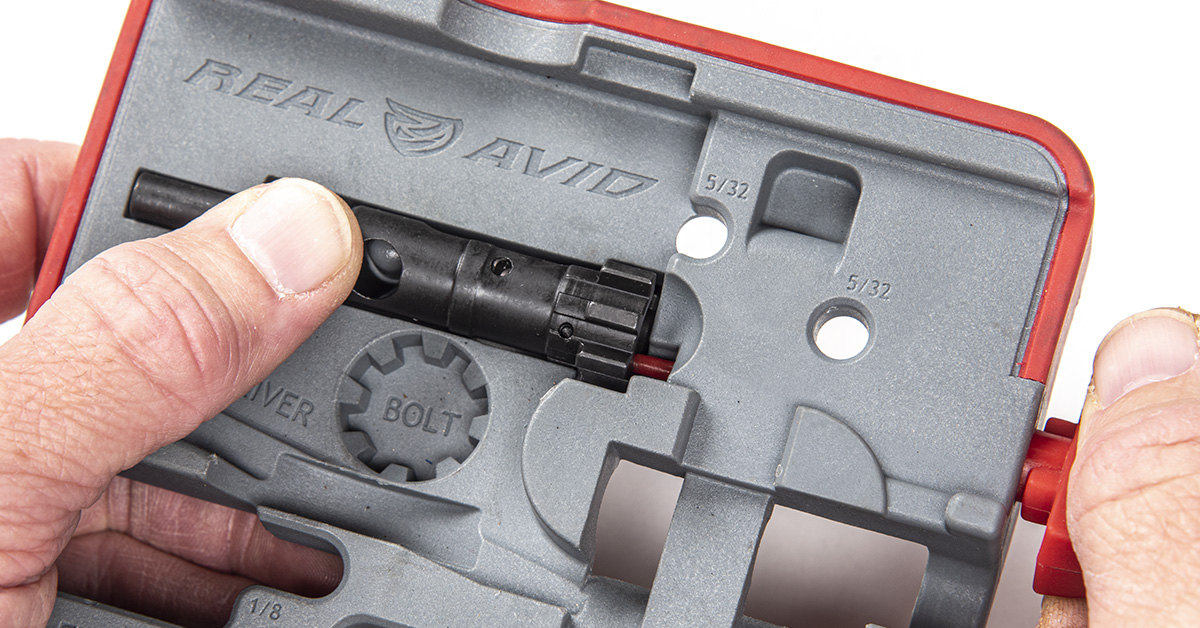
Removing the extractor is easy. Push out the retaining pin and done. The ejector is a different story. The ejector sits in front of the ejector spring, and the assembly is held in the bolt by a 1/16th inch roll pin. To remove and replace the assembly, you must, in a controlled manner, depress the ejector before removing the pin. If you’re not careful, the ejector spring and ejector can launch out of the bolt, never to be found again.
For this reason, I keep the AR-15 Master Bench Block handy. While this tool is designed to assemble and disassembly various parts of an AR, its crowning feature is the ejector removal tool. Place the bolt into its slot, turn the ram to depress the ejector and spring, and remove the pin. Unscrew the ram to release the spring tension and you can remove the spring and ejector without issue.
8 – Torque Driver Set
Every screw associated with a firearm has a recommended torque value — be it an action screw, rail screw, scope mount screw, side plate screw, or whatever. It is important to tighten screws to their recommended torque value to ensure the parts are sufficiently tight and to prevent overtorqueing. Overtorqueing can damage the part or cause the screw head to shear off, leaving a broken screw shank in your gun. Trust me, you don’t want that to happen.
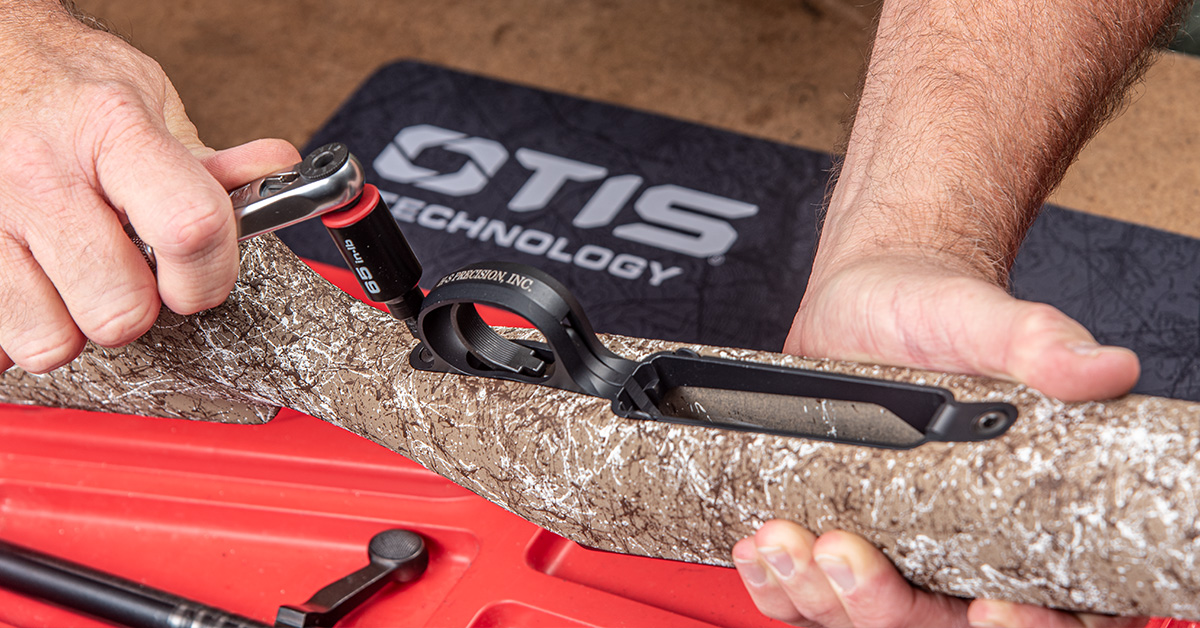
There are several manufacturers of gun-centric torque drivers that will serve you well. Here is Real Avid’s Smart-Torq Fixed Limiter & X3 Driver in use. We can also recommend drivers from Fix It Sticks and Wheeler.
9 – Sight Installation/Adjustment Tool
Many consider sight tools as something you need to swap out pistol iron sights. While that is most definitely a common function, they are also used to make sight adjustments — usually to the rear sight — when zeroing a handgun. With a sight tool, you can push a factory dovetail sight out of its slot in a pistol slide and install a new sight. You can also use it to tweak the windage of a sight to get point-of-aim, point-of-impact performance with your preferred ammo (most of the time).
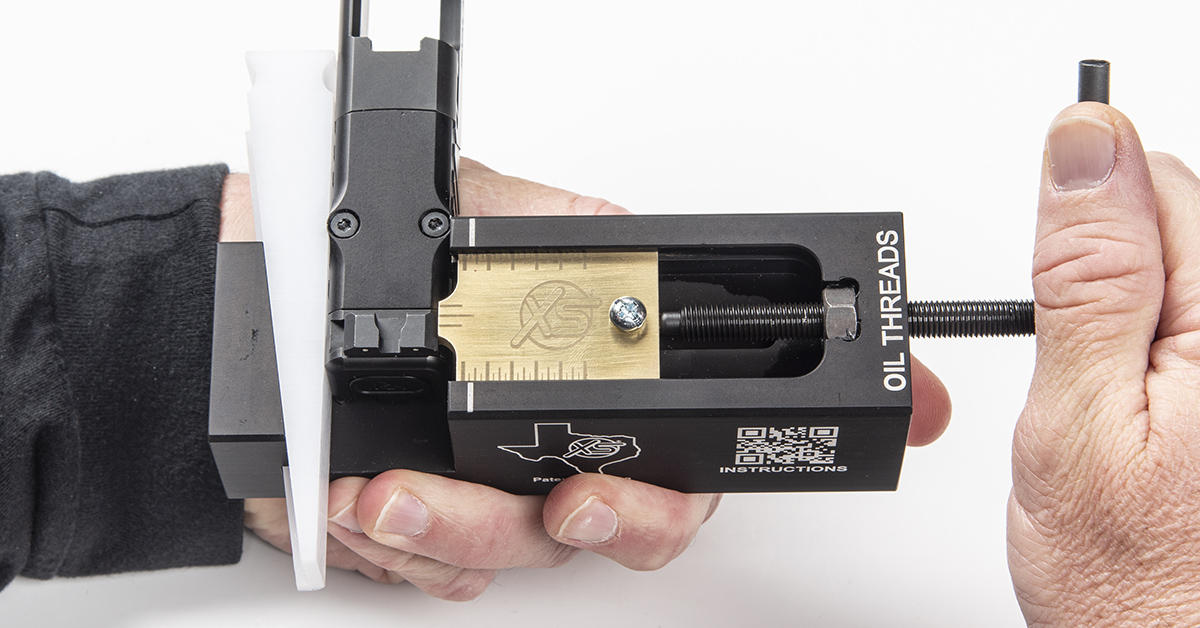
There are two types of pistol sight pushers you can choose. The preferred choice is a model-specific sight tool designed for use on a particular gun, like XS Sights’ Inline Sight Pusher Kit for Glock seen here. These are more precise in their sight-to-ram interface and work perfectly.
The other option is a universal sight tool. You may consider this if you intend to do sight work on multiple firearm brands and models. The potential challenge with universal sight tools is that sight-to-ram interface is not always precise and slide fitment can be iffy. If you aren’t careful with your application, it is possible to damage an expensive sight (or a more expensive slide) when using a universal model.
10 – Bench Block
Finally, no bench is complete without a bench block.
A bench block is an essential tool for drifting many styles of dovetail sights and driving pins — especially for driving pins.
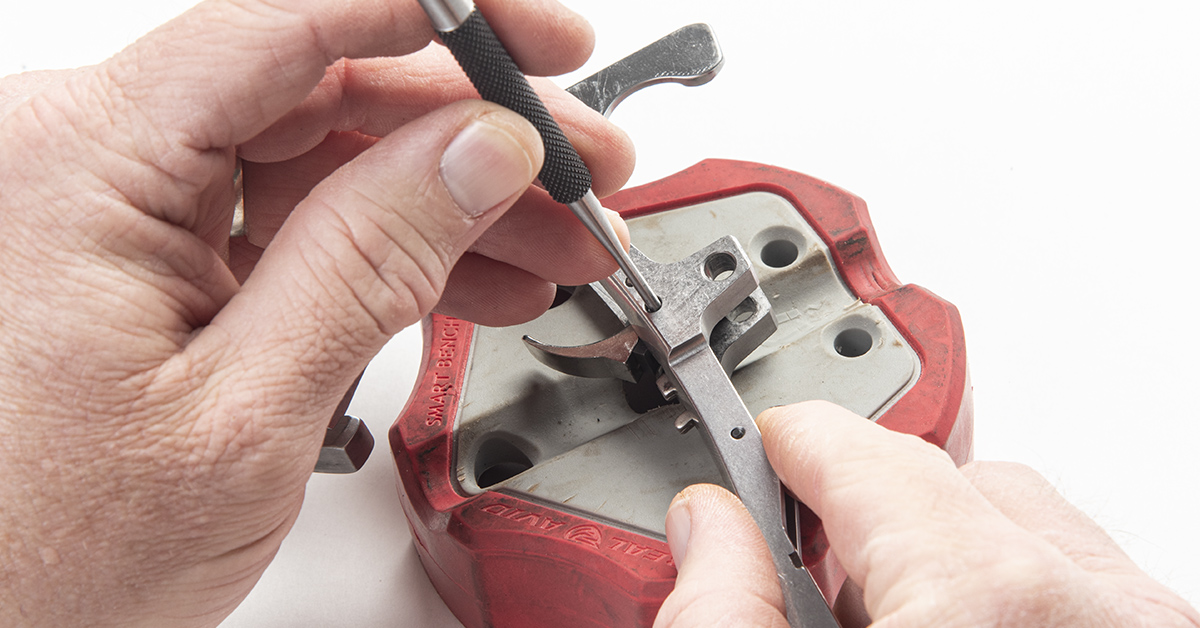
Bench blocks vary from the simple make-it-yourself from wood type to machined steel to resin/polymer. I suggest the latter, like the Smart Bench Block, because its construction material will not harm the work piece and the rubberized outer ring prevents slippage on the work bench. It comes with a channel that accepts barrels and cylindrical components, and assorted holes through which you can drive pins. A magnet inside the block usually captures the pins to prevent loss.