A genuine factory hot rod? Our tester concludes the Savage 110 Professional Pursuit Rifle delivers on its name.
by David Kelley
Over the course of decades, the perception of what makes a hunting rifle “ideal” has somewhat changed. Depending on the style of hunting and game pursued, today’s preferences often migrate to shorter barrels, stocks with greater amounts of easy adjustability, and increased attachment points for slings and devices to more comfortably carry and steady the package during the shot. To top it off, the modern hunter expects these packages to maintain a reasonable weight without sacrificing a significant amount of accuracy compared to their heavier, longer counterparts.
The Savage Arms 110 Professional Pursuit Rifle (PPR) is an excellent example in this category of firearms. Now in its second year of production, the PPR uses the tried-and-true 110 action with several upgrades from buttstock to muzzle, each providing the user with a contemporary twist on the classic and reliable action. Whether used for hunting in thick timber or stretching its chambering on vast expanses of open land, the PPR is proving to be a capable piece.
The Details
With a feature-loaded rifle, it isn’t a small task to specify the most significant change from a traditional Savage 110 to the PPR, though the easiest to recognize as “Savage” is the action.
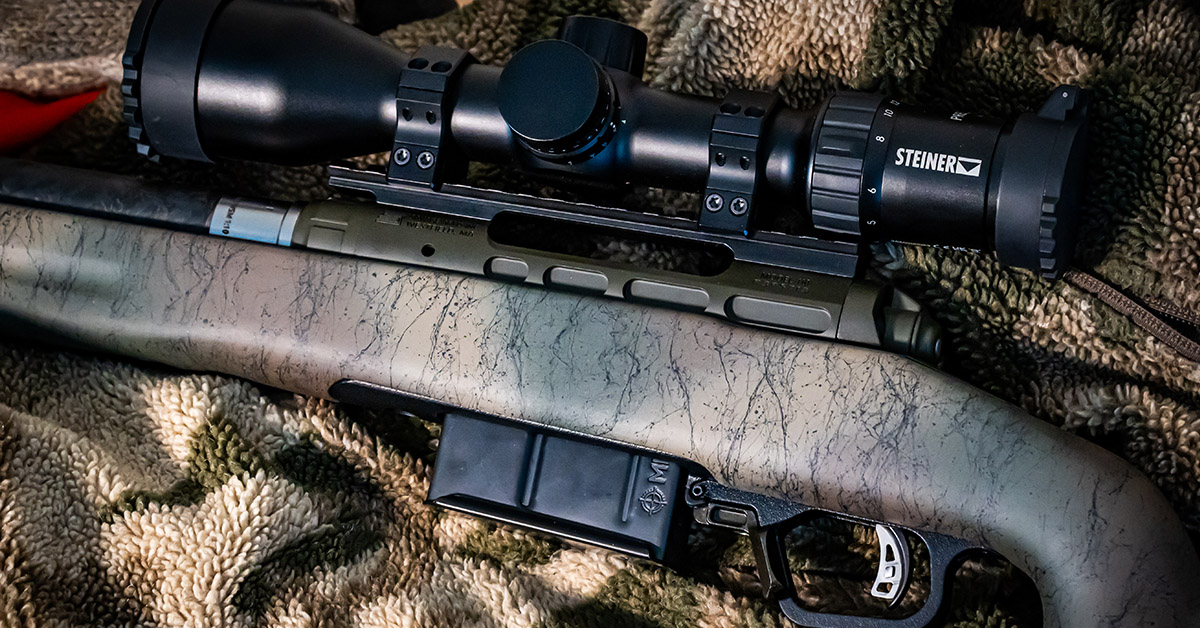
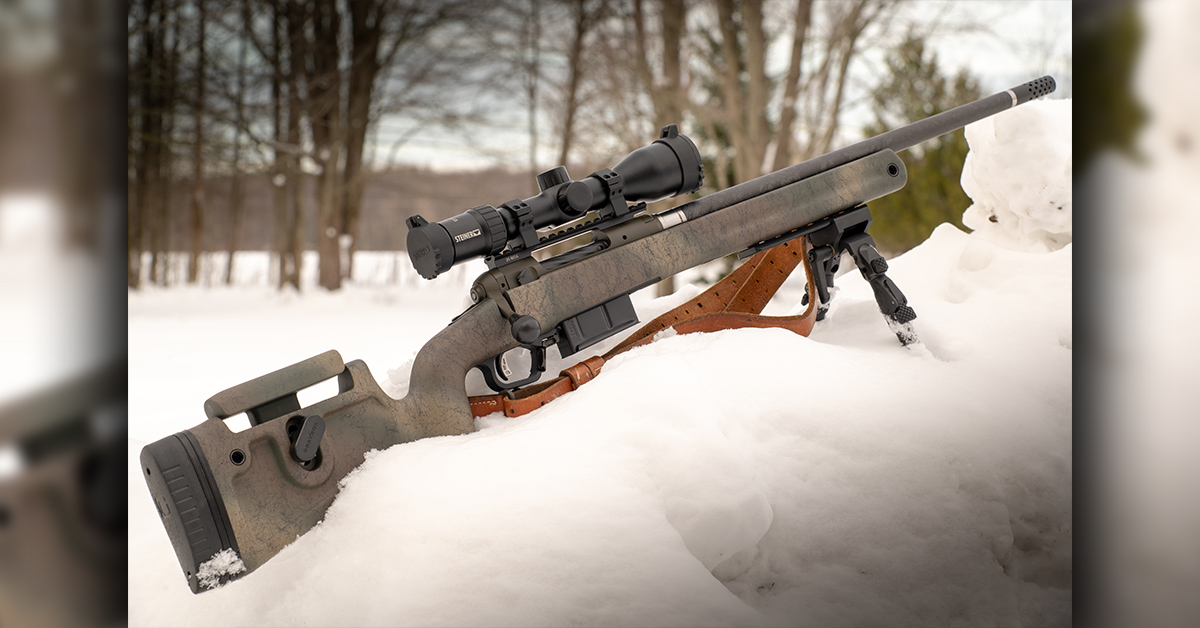
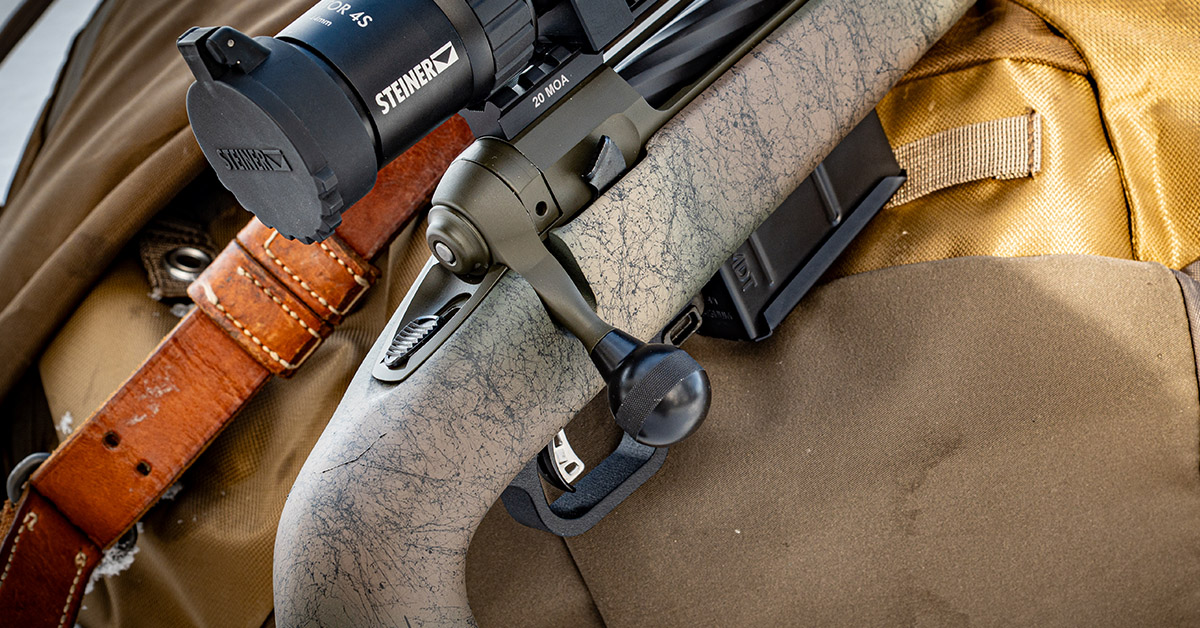
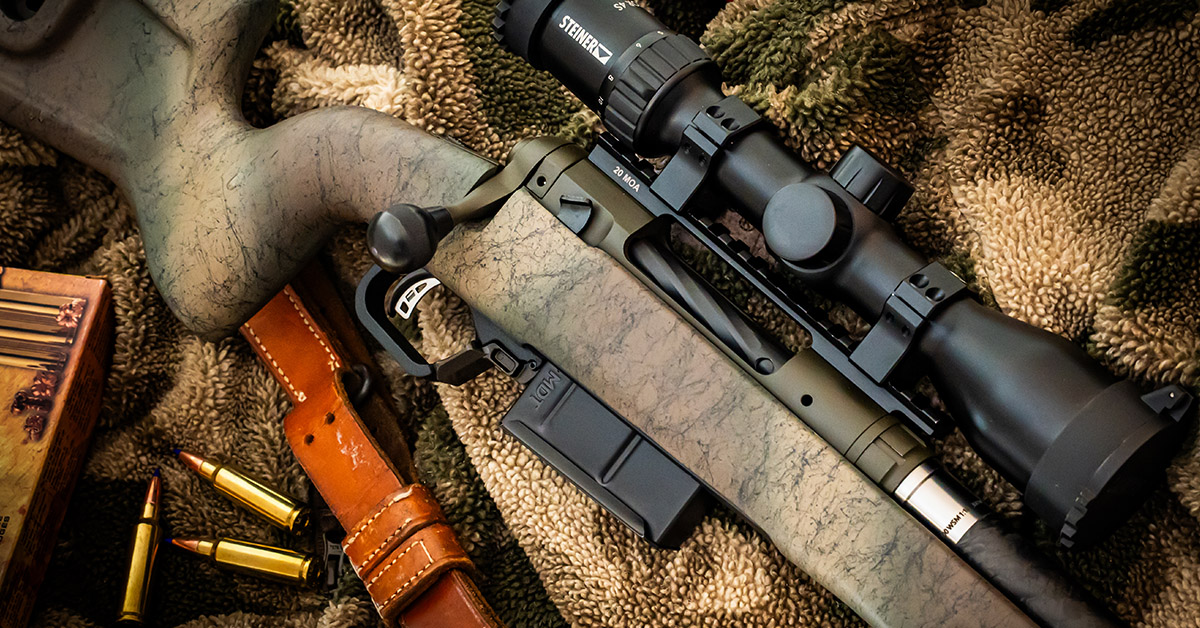
The 110 PPR’s stainless-steel action uses standard dimensions of equal-hole-spaced 110s; however, Savage added four individual scallops to the left side of the receiver and removed material from both sides of the rear bridge to shave weight and enhance aesthetic appeal. Magpul OD Green Cerakote covers the barrel nut, receiver, bolt shroud, and the 5/16×24 threaded bolt handle.
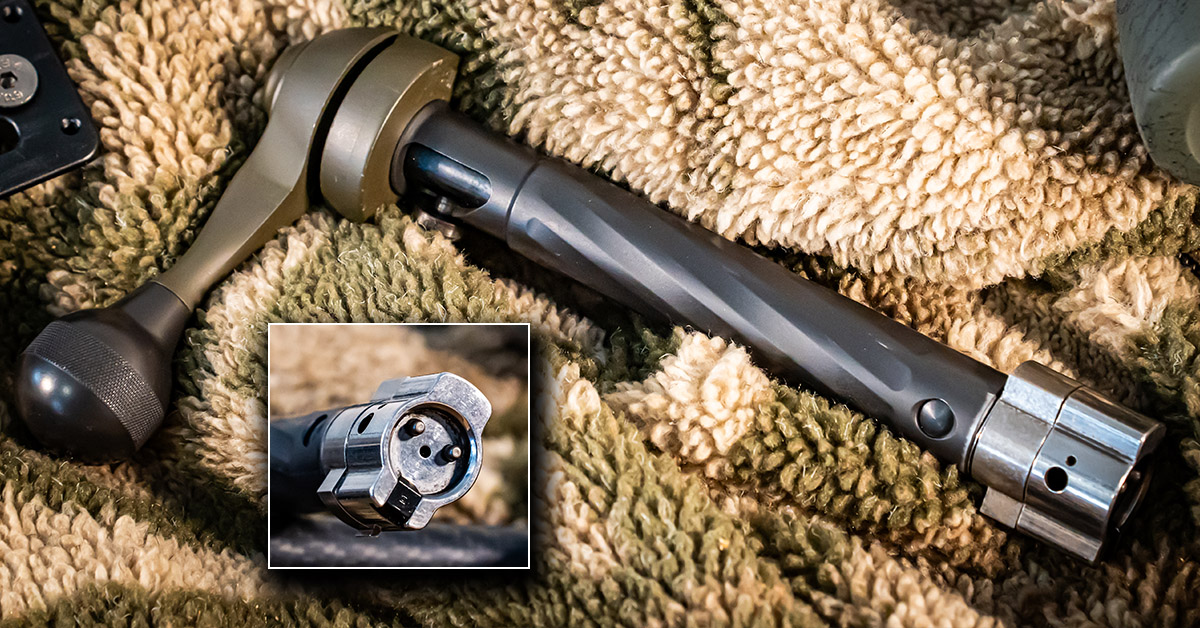
The bolt body is fluted and covered with Blackout Cerakote. Two ejectors and an upgraded extractor are prominent at the bolt face.
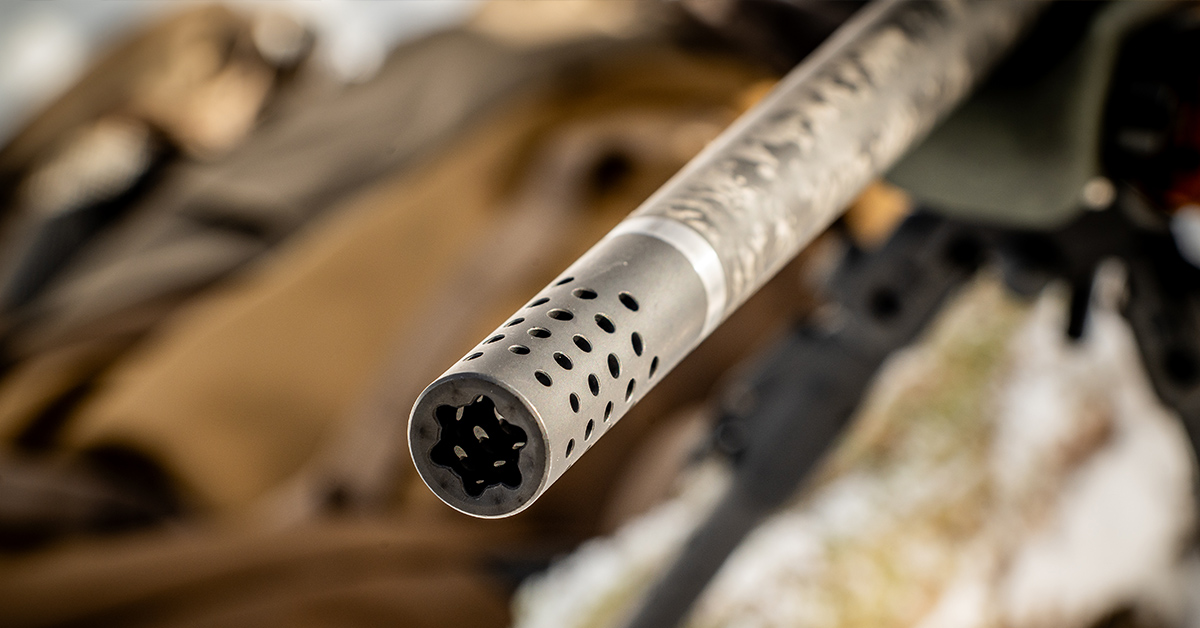
A 20-inch Proof Research carbon-wrapped barrel is attached to the action. Threaded 5/8×24, the barrel is supplied with a muzzle brake. The standard thread size makes the PPR ready for attachment of your muzzle device or suppressor of choice. At a muzzle diameter of .750 inches, the contour is slimmer than a Sendero Lite and still allows a generous shoulder for an attachment to butt against when properly torqued.
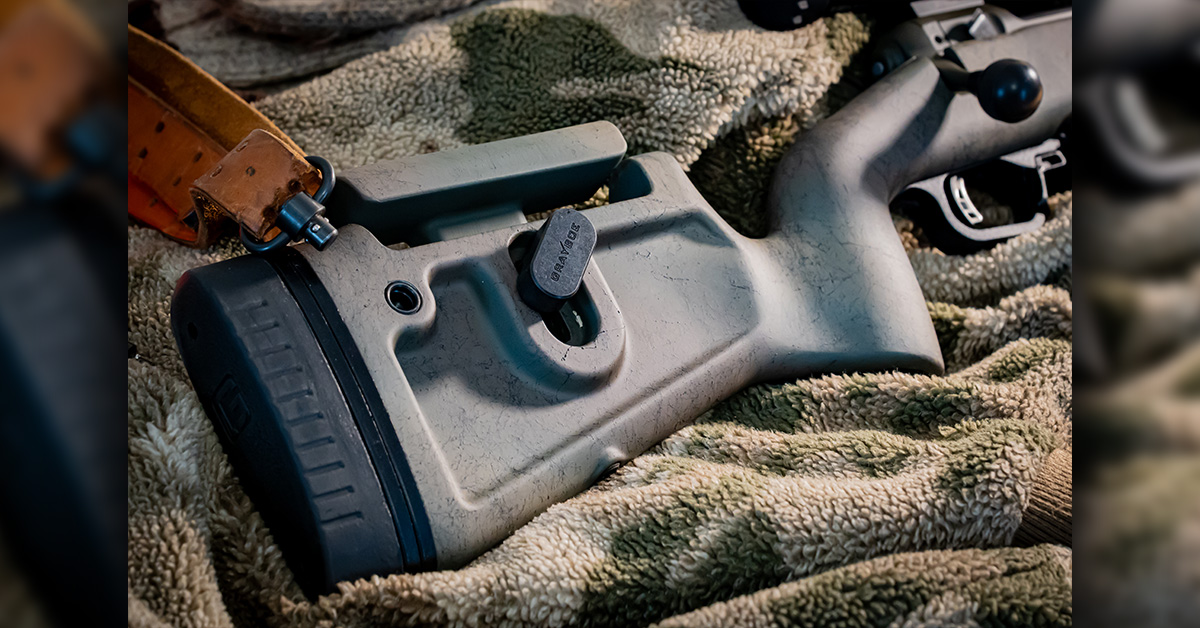
The barreled action is seated into a Grayboe Phoenix 2 stock. Using a vertical grip, the 1.5- to 4 lb. adjustable AccuTrigger and three-position tang safety are both easily manipulated without any contortion from most shooting positions. This stock’s cheekpiece is adjustable without tools to perfectly align your eye with a large objective scope. Loosen the lever on the right side of the stock, raise or lower the cheek riser, and firmly retighten by hand. QD flush cups are located on each side of the stock at its front and rear for sling mounting.
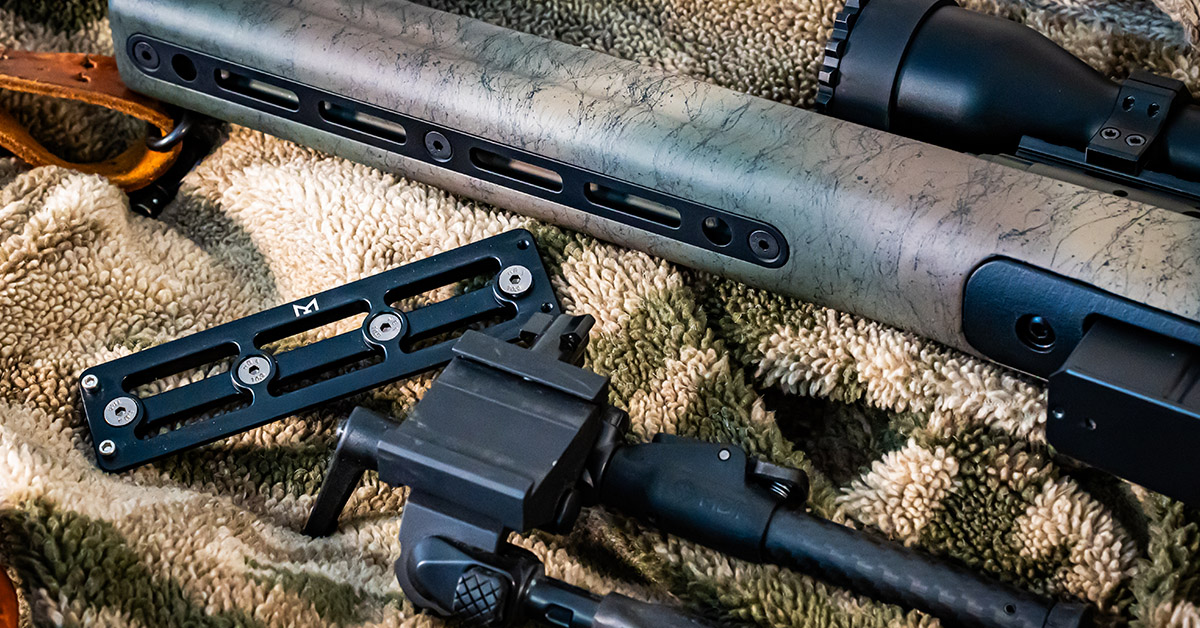
On the bottom of the stock is an M-LOK rail with its length spanning most of the space between the AICS-compatible magazine well and the tip of the forearm. This lengthy M-LOK section provides an ample strip for preferred bipod or tripod mounting locations.
Available in ten big-game-capable chamberings, this reviewed 300 Winchester Short Magnum (WSM) measures 41.5 inches from the end of the brake to the rear of the butt pad and weighs 7.3 lbs.
Optic and Ammunition Selections
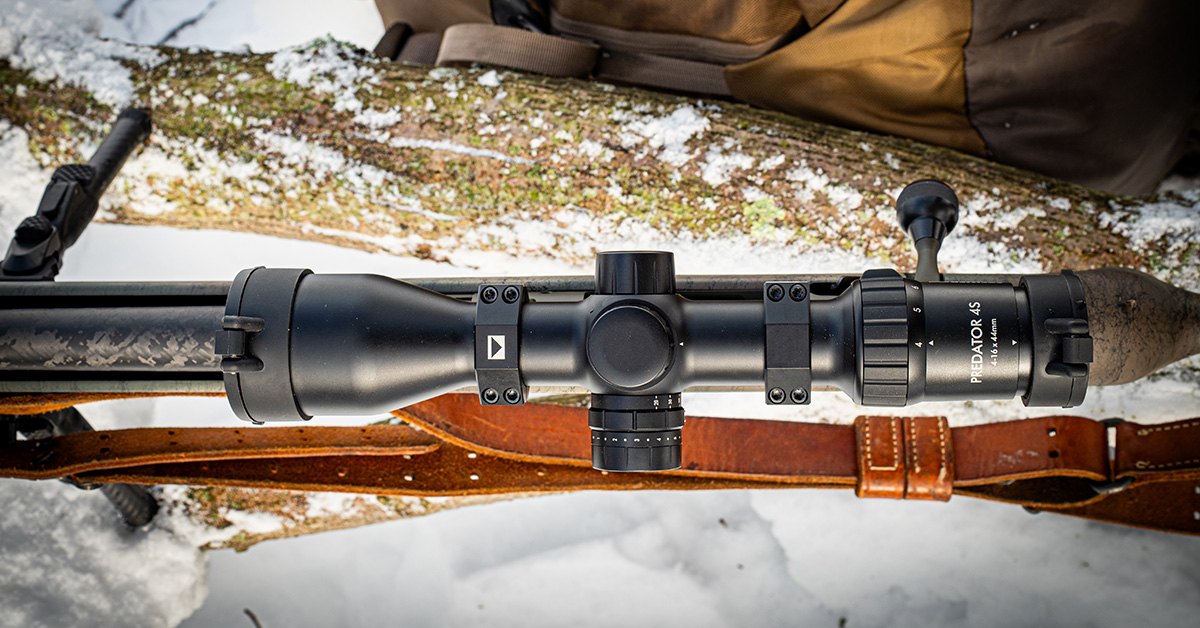
To keep the theme of compactness and mobility, a 4-16x44mm Steiner Predator 4S was attached to the OEM 20 MOA rail using Steiner H Rings. Adding 21.7 oz. for the optic and rings brought the package to 8 lbs. and 12 oz. with an empty steel magazine inserted. Not a “sheep rifle” by most standards, but certainly a manageable weight considering the features and capabilities of this rifle. Keep in mind that an average wood-stocked Savage 110 weighs every bit as much as the PPR does, with the traditional rifle falling short on the added traits of the PPR.
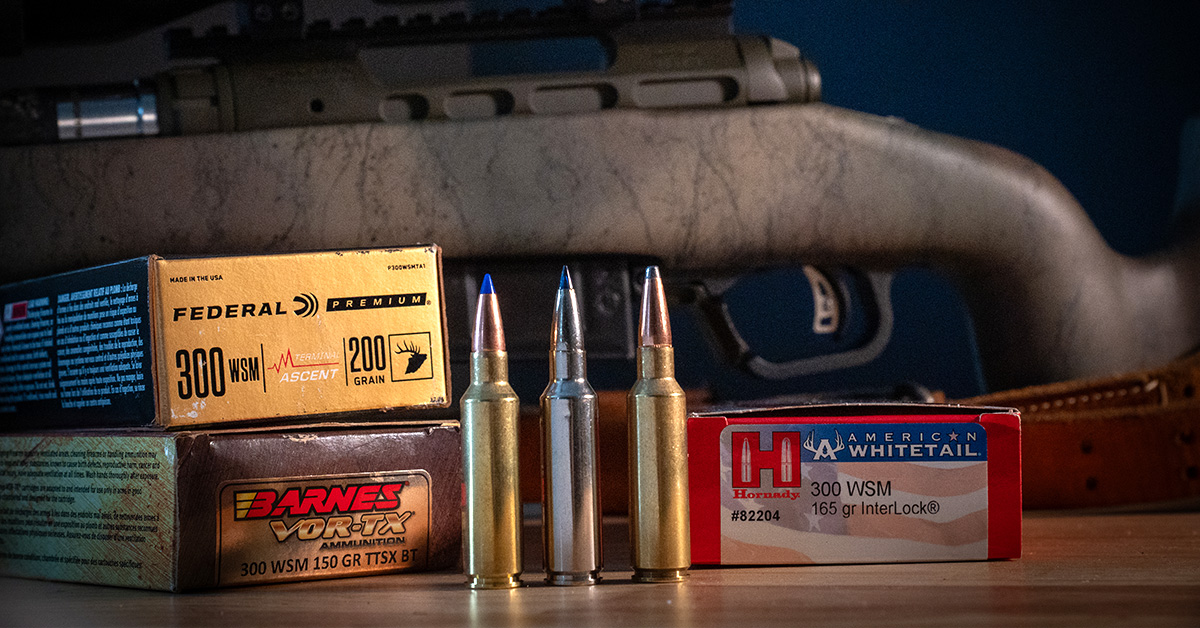
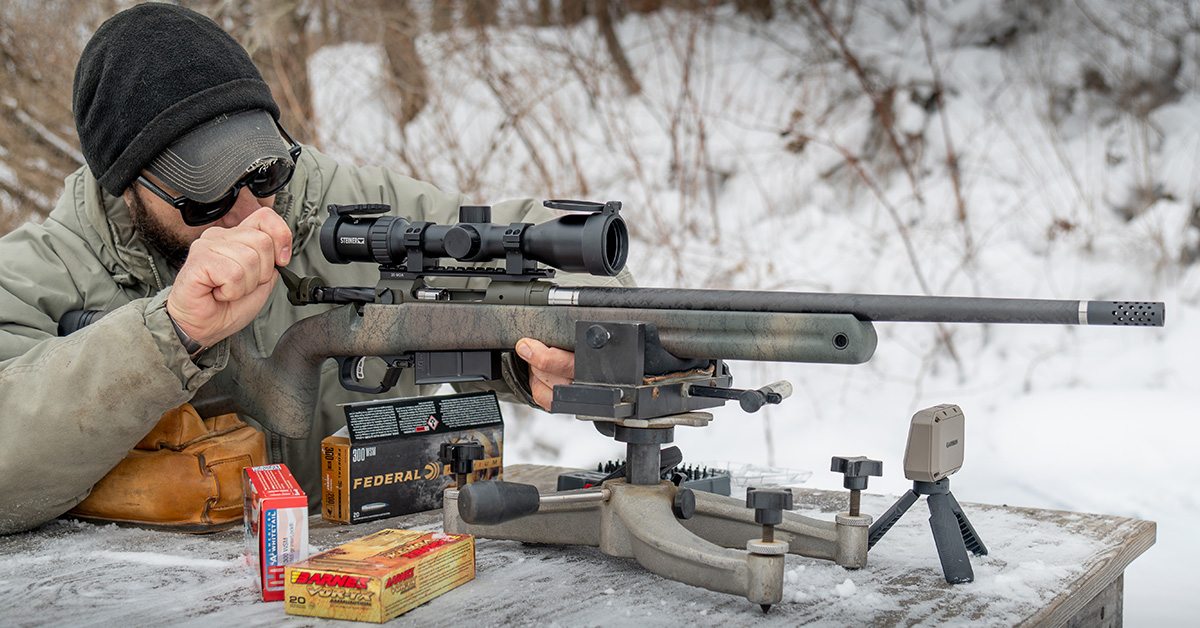
Three varieties of 300 WSM ammunition were selected to fire from the 110 PPR, each of which drastically varied in characteristics and bullet construction. The array consisted of Barnes VOR-TX with 150-gr. TTSX, Hornady American Whitetail using a 165-gr. InterLock, and Federal Premium 200-gr. Terminal Ascent. These selections adequately cover most uses that the 110 PPR will be subjected to, from deer to elk, both near and far. Monolithic tipped, a comparatively economical cup-and-core of mid-weight, and a heavy premium loading designed to expand at distances associated with lower velocities covers all the bases.
Aside from the usual accuracy results, I was also interested in gathering velocity data from the 20-inch barrel chambered for a short magnum cartridge.
On the Bench and Short-Barrel Musings
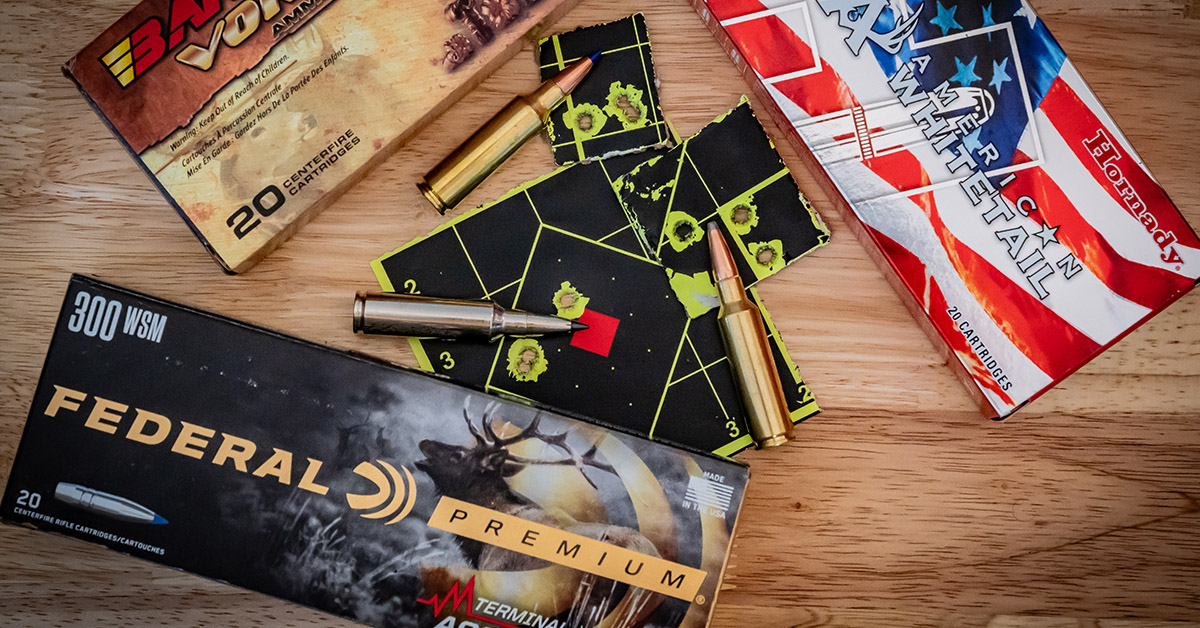
Set from a rock-steady bench, three separate three-shot groups were fired with each ammunition selection. With today’s manufacturing tolerances of reputable rifles, optics, and ammunition, I was not surprised in the least with the results. Of nine groups, only two were over the 1-inch benchmark at 100 yards, and both of those were just a hair over minute-of-angle at 1.095 and 1.110 inches. The overall average was .878 inches. That is an impressive level of accuracy for a mass-produced rifle and factory ammunition by any standard.
Shooting groups with this rifle is easier than a traditional hunting rifle. Ergonomically, the hand is more vertical, and the eye can be perfectly aligned with the optic without strain. The AccuTrigger, used in 110s since 2003, is still the go-to for Savage; they are adjustable, reliable, and crisp. Recoil was well mitigated with the use of the factory muzzle brake. As discussed in previous writing, there is a price to pay with using a brake from a 20-inch barrel with a stiff powder charge — and that is the increased noise level.
This brings us to the elephant in the room. Why are large cartridges being put in short barrels?
The absolute primary reason is the growing use of suppressors as an additional hunting tool. With the recent removal of a stamp fee for several NFA items, including suppressors, it’d be foolish to estimate a decrease in future suppressor use. That translates to a continued norm of chopped-down tubes on our centerfires. Not all is lost, though.
This 300 WSM, even in a 20-inch configuration, still exceeds the speed of lesser capacity cartridges in equal-length barrels. The 150-gr. Barnes averaged 3150 fps, Hornady 165s at 2929 fps, and the Federal 200-gr., losing the least velocity from its box label, at 2761 fps.
Is the PPR For You?
This rifle is a good fit for those who often find themselves in diverse landscapes. Scoped, there is enough overall weight to feel stable from a hasty rest. Slung, it’s not overbearing in weight distribution nor length, fully ready for an arduous hike. If you are searching for a rifle that is mid-weight, suppressor-ready, and uses M-LOK for your choice of bipod and tripod attachments, I’d say this is a piece that should be considered. With its premium Proof Research barrel, Grayboe stock, and detachable box magazines, Savage didn’t leave much room for the DIY tinkerer to improve the 110 PPR.
With an MSRP of $2,399 and typical retail pricing just under $2,000, the Savage Professional Pursuit Rifle sits firmly in the premium category. When you consider the cost of building a comparable rifle with similar components and finish, it becomes clear that this package is a solid value for serious hunters who want performance without the troubles of sourcing individual parts and piecing a rifle together.
Savage 110 Professional Pursuit Rifle Specifications
- Chambering: 308 Winchester, 6.5 Creedmoor, 300 WSM, 6.5 PRC, 28 Nosler, 30-06 Sprg, 270 Win, 300 Win Mag, 7mm PRC, 7mm BC
- Action: bolt, spiral-fluted, dual ejectors and enhanced extractor, Cerakote finish
- Barrel: 20-in. stainless steel, carbon fiber-wrapped, Sendero Lite contour
- Length: 41.5 – 42.25 in.
- Weight: 7.2 – 7.4 lbs.
- Muzzle Brake: Omniport
- Barrel Thread: 5/8×24
- Receiver Material and Finish: stainless steel / Cerakote
- Feed Type: detachable box magazine
- Scope Base: one-piece, 20 MOA
- Stock and Dimensions: Grayboe Phoenix 2, 12.5-13.5 in. LOP, Earth Tone Camo w/ black web
- Trigger: AccuTrigger, 1.5 – 4 lbs.
- MSRP: $2399

- TESTED: Rock River Arms 10.5 A1 Carbine SBR - August 7, 2026
- TESTED: Stoeger STR-9 Combat SX - June 26, 2026
- Burris Veracity Riflescopes: The New Generation - April 27, 2026