Proper handgun fitment is essential for optimal handling and operation. Here’s what you need to consider…
by Bob Campbell
Many years ago, the Chief dropped an FBI Law Enforcement Bulletin off at my desk. Some of the articles were procedural aids and alerts of certain types of nationwide crimes. Others were focused on firearms research. One of these was a study on how firearm weight affected the agent’s ability to carry and conceal a handgun. The conclusion was that a handgun over 35 ounces was too heavy for constant carry and became a burden during the workday. The report was well done. I wish I still had a copy.
When selecting a handgun, there are components of the choice besides weight. Caliber, action type, and maker are important. The sights — whether the pistol will be fitted with optics — and the concealed carry mode are choices. But weight is a driving factor. A lot of folks choose a pistol that is too heavy for constant carry and end up downsizing. Others choose a pistol that is too small and end up finding the piece kicks too much. Weight affects the shooter’s comfort and performance. There are pistols that remain comfortable during long firing sessions and others that are carried much and fired little.
Weight
A heavy handgun may be a large caliber or simply a large handgun in a medium caliber, such as the 9mm, but with a large magazine capacity. A polymer frame is universally lighter. When a polymer frame handgun is offered with an optional metal frame, the aluminum frame sometimes improves the line of sight and balance. A steel frame may tip the scales too much and become too heavy for constant carry.
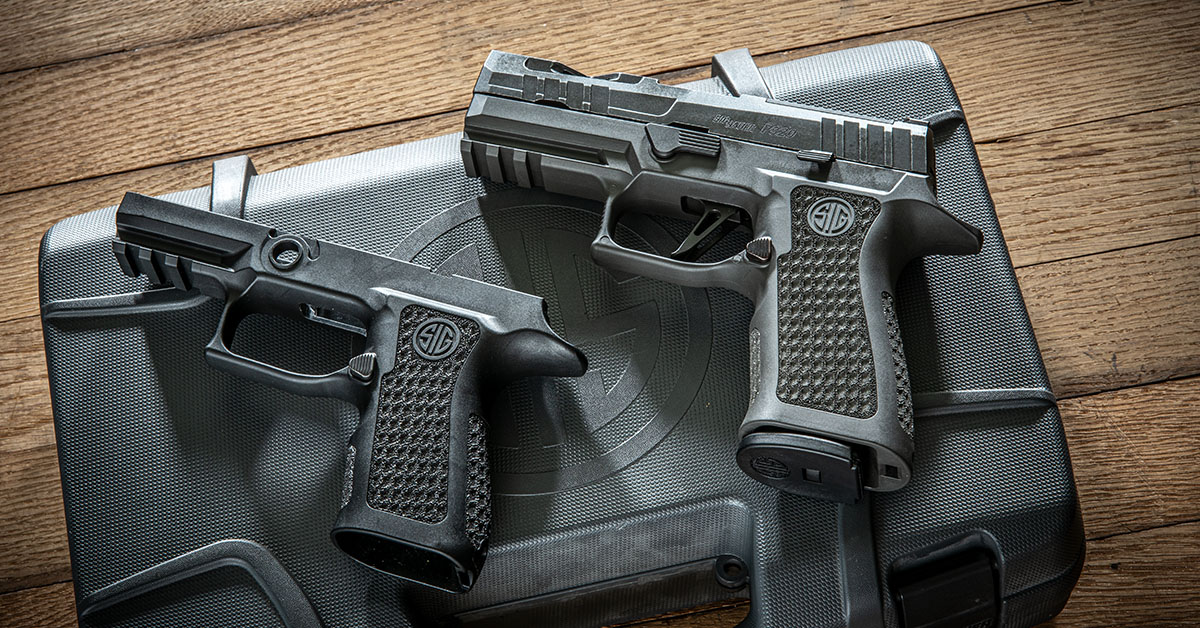
Most concealed carry handguns in 9mm Luger weigh in at 25 ounces or so. At 24 ounces, the Glock 19 is a baseline and often regarded as one of the best-balanced handguns and a good size for personal defense. If the pistol is heavier, what is the advantage? If lighter, what is the disadvantage? Be certain that weight is considered when you choose a handgun.
Recoil
Recoil isn’t always well understood. Recoil is the rearward force exerted as the cartridge fires. A semi-automatic pistol absorbs some recoil energy as the slide reciprocates and the next cartridge loads. The slide itself delivers a jolt as it reaches the end of its travel. This abrupt jolt is part of recoil.
The design of the grip frame has a part in comfort. Some pistols have a thin grip frame that transfers recoil energy to a smaller section of the hand. That can hurt. A few have sharp edges. That can hurt more.
Muzzle report is also a factor. Muzzle blast may be startling and cause an involuntary contraction of the muscles — and is independent of recoil itself. Recoil shock may cause the shooter to begin to clutch the trigger. Flinch is basically anticipation of recoil. Once you begin to flinch it is a difficult reaction to shake. Even experienced shooters who push themselves too much may begin to flinch. For this reason, a training session of more than 100 cartridges or one hour isn’t recommended. Even a modest recoiling 9mm may become a burden as the contest goes on. The flip side is that you will be carrying the pistol concealed for more hours than you will be firing it. This makes for compromise. Sure, a forty-ounce 9mm with a metal frame and compensator is a sweet shooter, but it will weigh you down. Your belt may sag and you may even feel pain on the hip. For competition use, a forty-ounce gun is nice; for concealed carry, not so much.
A continuing fallacy I have often addressed in my classes is that a heavier gun kicks more. Of course, in a given caliber, the heavier the gun the less the momentum and recoil. This misconception has led to shooters choosing a small handgun that kicks too much for their skill level.
Muzzle Flip
Recoil is directly related to another consideration, and that is muzzle flip. Muzzle flip can be severe for some calibers. As an example, muzzle flip sometimes results in a handgun firing high at longer range.
As a stunt, I have fired the snubnose .38 Special with heavy loads at a 100-yard target. With the six-inch barrel .38, I would hold on a man-sized target on the neck and the bullet would fall into the chest or a bit lower due to drop. With the snubnose gun, the bullet might hit a foot over the point of aim because the gun’s muzzle flips significantly while the bullet is still in the barrel.
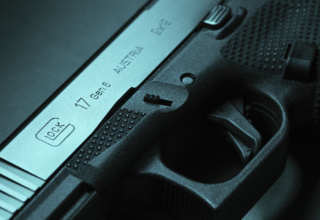
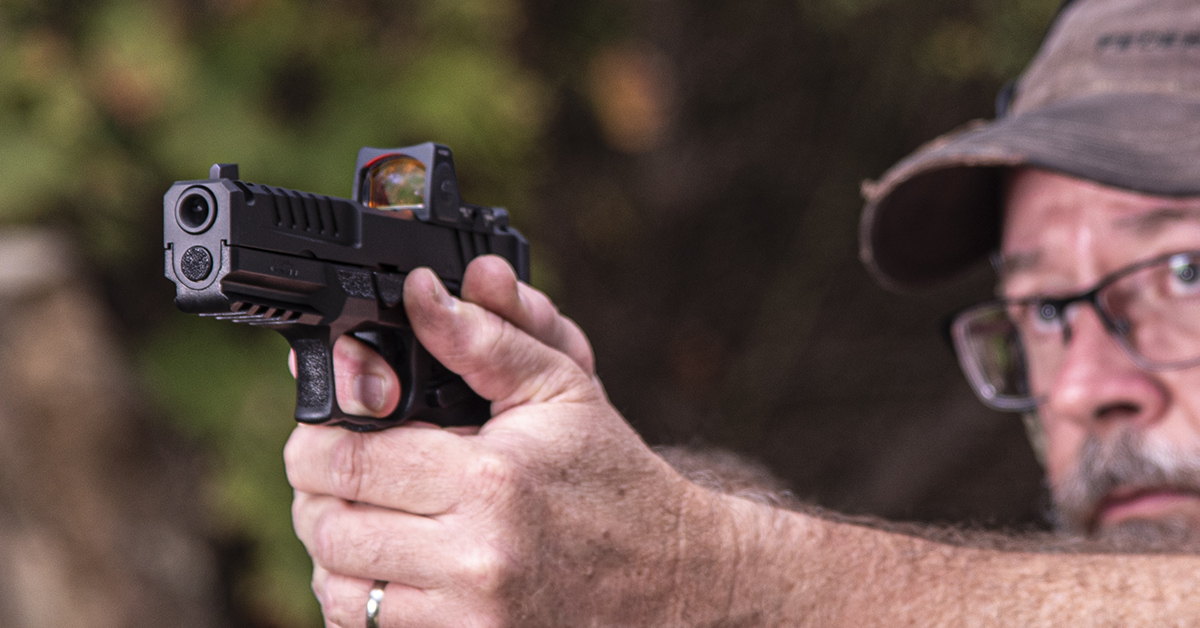
Muzzle flip has quite a lot to do with the length of the slide and the weight of the slide. For others, the centerline of the bore is higher above the hand, and this provides the slide with greater leverage under recoil. A pistol with a low bore axis doesn’t have as much muzzle flip. If you mount a red dot sight, a big dot and a low deck are desirable. Some students will fire too quickly and not recover the sight picture after muzzle rise, resulting in high hits or even missing the entire target. A light handgun with a short slide or barrel is then the most difficult handgun to control well. Some pistols are quite easy to fire well due to their size. The Glock 17 9mm and the Colt 1911 Government Model are among them. Going lighter with a shorter slide should be carefully considered.
After some thought and a great deal of firing of various handguns, I would modify the FBI study results to perhaps a 30-ounce handgun as being ideal for most shooters. After all, few in the civilian world are in the physical condition of federal agents or soldiers. And we have a real need for concealment. The compromise of concealed carry is inherent and something that we must study before we purchase a gun.
Some shooters, as an example, have a long waist and may easily conceal a full-length handgun such as the Glock 17. But the handle may dig into their back when driving or when seated. The short grip Glock 19 or long slide/short grip Glock 49 may be the answer. The holster will make or break the experience. Purchasing a cheap holster is like running a marathon with a pair of box store discount sneakers. Cheaply made plastic or fabric holsters cannot compare to quality Kydex or leather holsters. Choose a good gun belt first. A quality, thick gun belt with a strong clasp will help your load bearing gear remain comfortable…or at least bearable. You will always know it is there, but the proper holster cinched in close to the body is more comfortable than a holster with loose motion.
Grip
The size of the handle means a great deal in firing comfort. We don’t all have the same hand size. Some handguns are a model of superior ergonomics. The 1911 handgun and the mid-size Glock 19 are among them. These handguns fit most hands well and offer a good baseline for handgun size and selection.
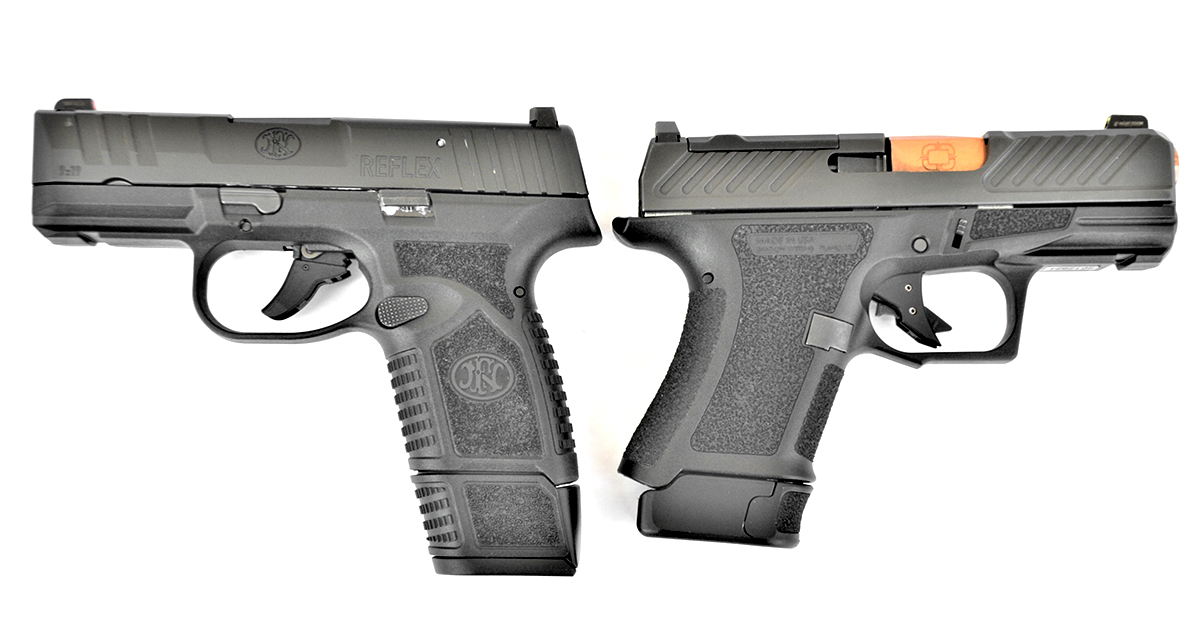
I had the opportunity recently to compare grip height and muzzle flip with the new S&W CSXE pistol. This 9mm handgun features a removable grip extension, making the pistol useful with a 17-round magazine. The handgun may use a shorter grip and 12-round magazine. The pistol is both a pocket gun and a belt gun in effect simply by changing this grip extension.
A similar situation in size exists with the SIG P365 and the SIG P365 TACOPS handguns. I have fired each pistol with different grips, in the case of the S&W, and with extended magazines, in the case of the SIG pistols. The results are interesting. An extended magazine does not create a better gripping area, but an extended grip frame will do so. I was able to compare the SIG P365 XL and standard P365, and the S&W CSX and CSX E. (The E class S&W features a 3.6-inch barrel versus the CSX and its 3.1-inch barrel.) The longer slide handles better while sometimes a heavier slide generates more snap at the end of recoil. A longer grip makes for better recoil control while the shorter slide is easier to conceal. Some grips go so far as to become uncomfortable due to their length. It isn’t all about shooting and it isn’t all about concealed carry. It is a blend.
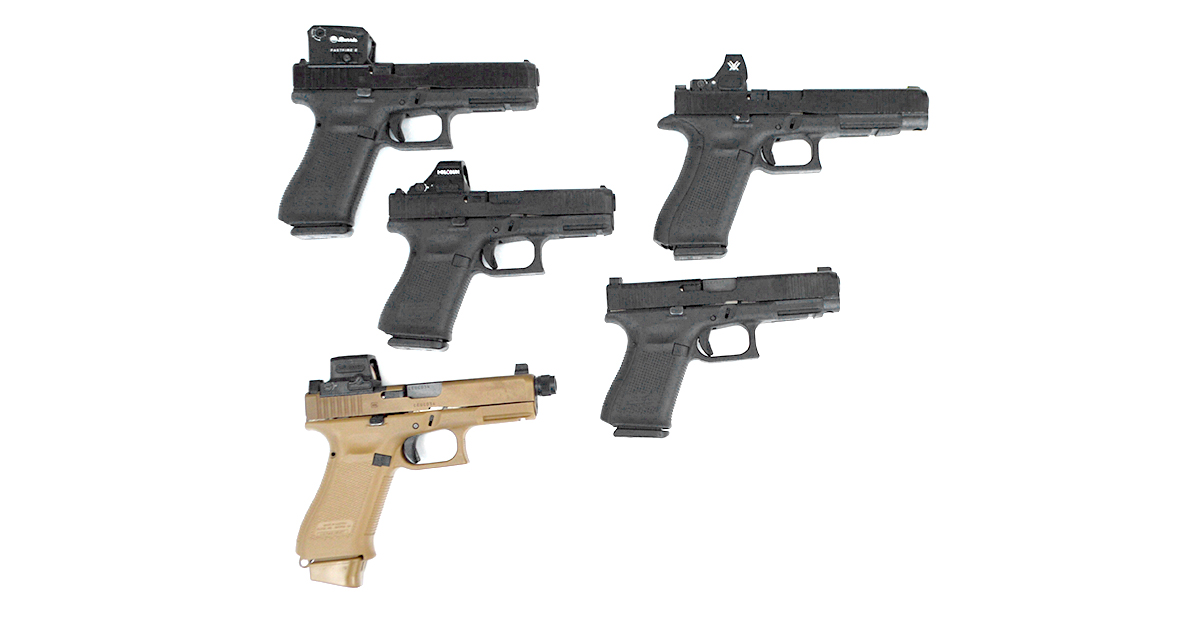
When drawing the gun, a longer grip is easier to get a firm hold and to quickly draw. Grip offset from the body is superior. Another consideration is that, with the shorter grip, speed loads are compromised if the shooting hand extends past the pistol’s grip. The hand overlays the grip and may block or impede speed loads.
Hand Size
Hand size matters. Some shooters have small hands. Others have meat hooks. Most of us are in between. The bottom line is to do a series of presentations and firing drills to determine how effective a particular handgun is. The SIG P365 TACOPS or Glock 19 are excellent in-between, one-size-fits most handguns. There are others that work well. My presentations and firing drills necessarily saw better results with the longest grip, and most of the time I was faster with a longer grip frame. The longer grip made a faster draw in most cases and in shot-to-shot recoil control, the longer grip makes for a better shooter. Consider the total geometry of the handgun. A mid-sized grip frame, mid-sized slide with a 4-inch barrel, and a 30-ounce weight seems like a good place to be.
Grip Geometry
There are several angles on the grip that are sometimes overlooked. The circumference of the grip is important. For most, the Glock 17 is fine, the Beretta 92 a stretch, and the big-frame Glock pistols such as the Glock 20 are too much — at least for my hand and that of most shooters.
Next is width. Width is related to circumference and influences recoil. As an example, a Glock 19 9mm is more comfortable to fire than the thinner Glock 48 9mm. While the Glock 48 is lighter, the thinner grip also centers recoil on a smaller part of the palm.
Trigger Reach
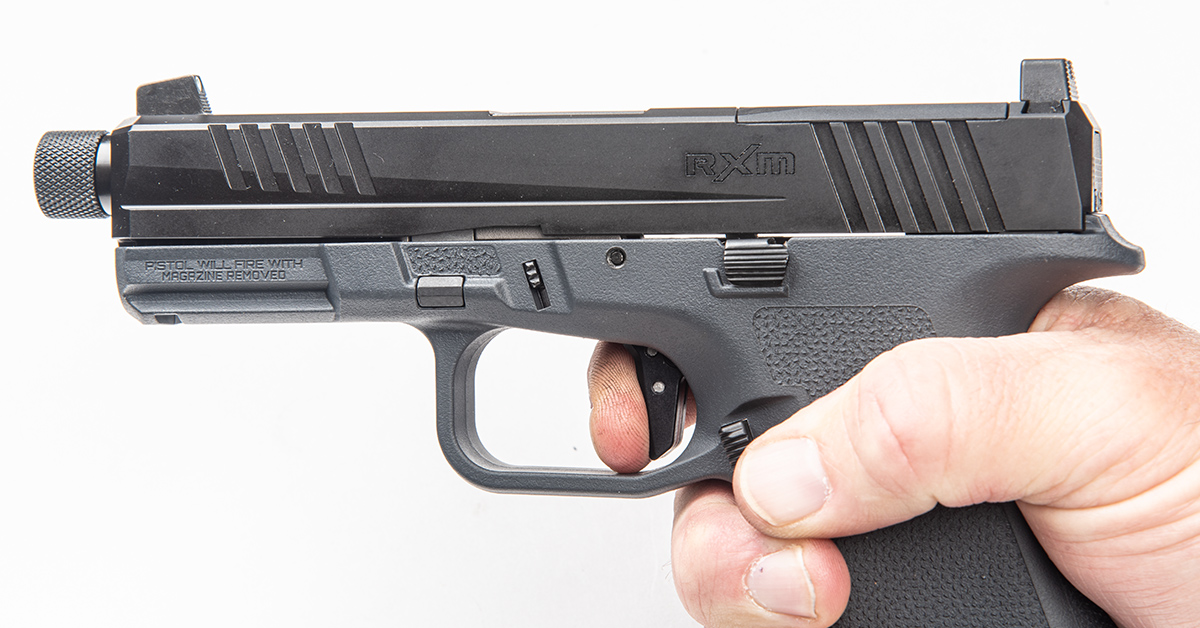
Trigger reach is important. Some double-action first shot pistols and large-frame polymer handguns stretch the hand. A comfortable trigger reach is usually around 2.4 to 2.6 inches (measured from the rear of the grip frame to the face of the trigger). A heavy trigger action and a long trigger span are something few can handle well.
Grip Angle
Finally, we have grip angle — sometimes called pitch. This is the relation of the grip angle to the bore centerline. A natural point is important. This angle is the reason some handguns shoot high or low. The divine angle seems to be around eighteen degrees, which by no small coincidence is the grip angle of the 1911 handgun. Pistols such as the Beretta Vertac have been designed to recreate this angle. The Glock 17 is good but measures twenty-two degrees. The 1911A1 features a curved mainspring housing and short trigger that makes for fast handling. Most modern 1911s have a long trigger and flat mainspring housing, which are really target features. Then we have the Ruger Standard Model .22 at more than fifty degrees angle, largely to accommodate a one-hand grip. This is the reason many older single-shot handguns featured a severe angle that modern shooters find uncomfortable.
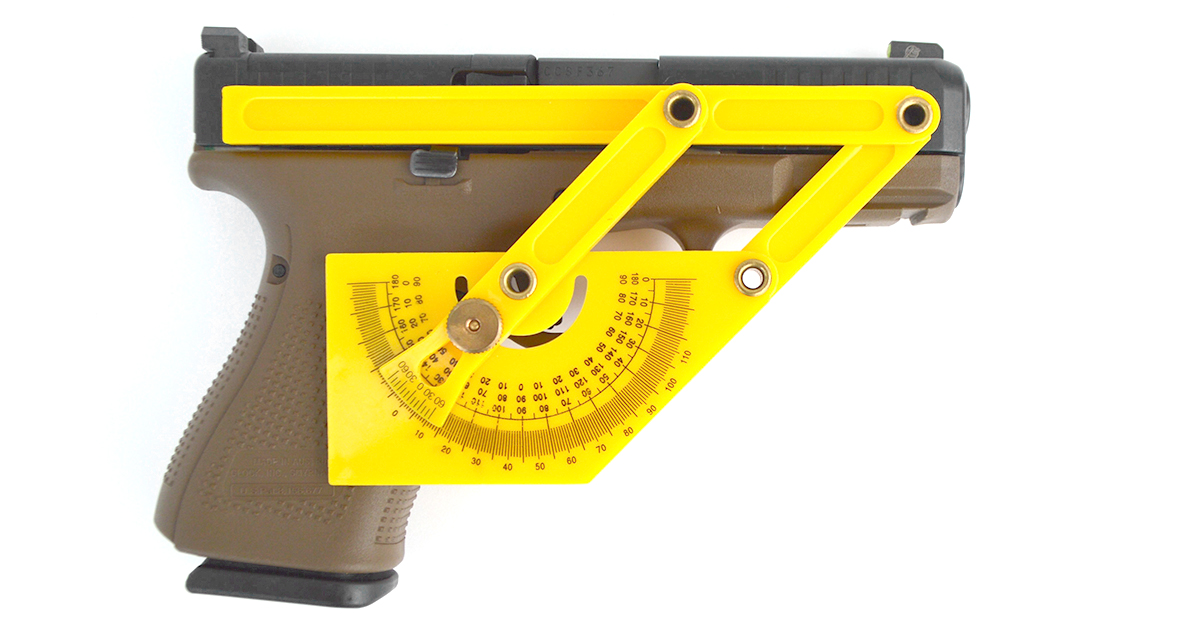
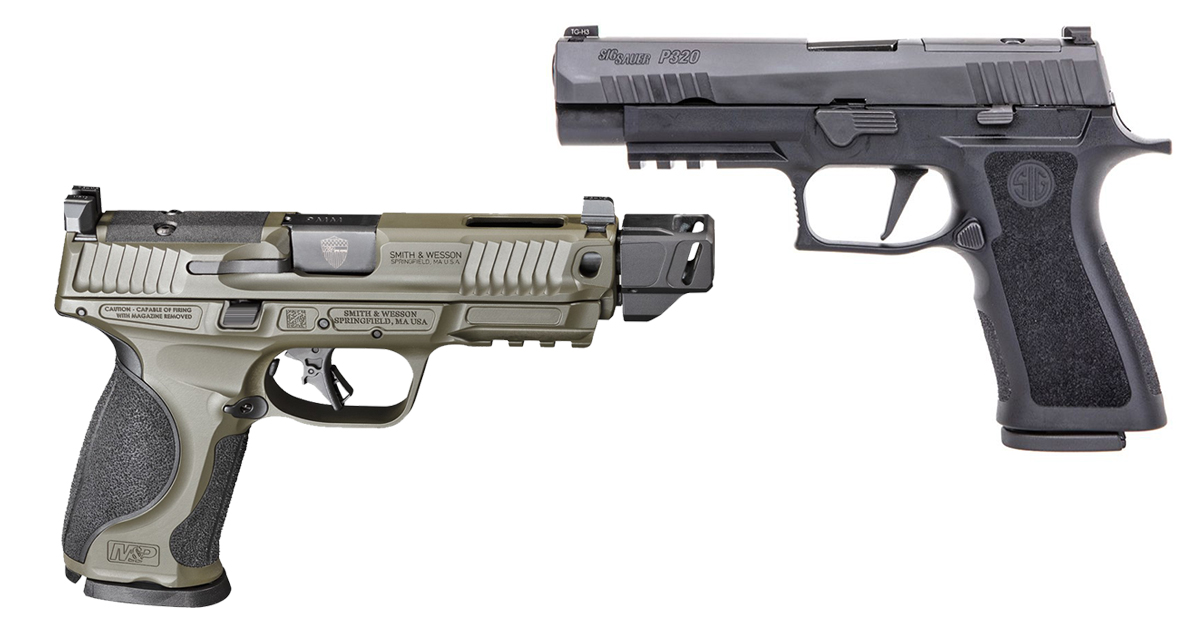
Today, we understand the need for a locked wrist and a two-hand hold. For light-kicking target guns, the grip angle isn’t as critical. For a fast-handling combat gun, the grip angle is important. Some modern pistols, such as the Ruger RXM, have a grip angle that is superior for use with carry optics — something not foreseen when the Glock was designed. A very slight change in grip angle makes for an ability to present the red dot sight more quickly to the eye. Overall, handgun geometry is given far less thought than the maker, the caliber, and the action type. Consider the angles and you may just find the golden ratio of handgunning for your hand size and finger length. Visit a local shop and try a few grip angles. The divine ratio exists, and you may find your lifetime fit.
A Final Thought
Leverage makes manipulating the slide easier. The CZ 75 slide is a unique design that rides inside the frame. While accuracy may be enhanced by this long bearing surface, the CZ 75 slide is difficult to operate for some shooters because it rides deep in the slide. The Springfield Echelon glides much more smoothly. The required force isn’t always the same as the strength of the recoil spring, although there is a correlation. Some pistols are just more difficult to manage. Take the whole picture in and you may find your best choice for handling and shooting.