Is the call of the hunt burning in your veins while your friends and family are doing the Griswold thing? The solution to your summertime blahs is a good ol’ varmint hunt.
by Rob Reaser
For many dedicated hunters, summer is simply a time spent mowing grass between the end of turkey season and the beginning of archery whitetail season. The routine becomes…tiresome. We can think of a better way to spend those long evening hours.
Right now is the ideal time to scratch that hunting itch and to sharpen both your hunting and your marksmanship skills, and that is by pursuing varmints.
Throughout most of the eastern U.S., summer varmint hunting leans towards one species in particular — Marmota monax, better known as the groundhog (or perhaps woodchuck or whistle pig, depending on the local vernacular). The groundhog is a rodent of the ground squirrel group (yet in the same family as common tree squirrels and the like) that are found abundantly in lowland farm country (as opposed to rocky highland habitat) and can pose serious problems for agricultural and husbandry concerns, as well as rural homeowners. They live in underground burrows and can cause significant damage when they dig their tunnels under buildings and around foundations.
For these reasons alone, population management is a goal for agriculture professionals, farming hobbyists, and landowners in general. And that’s good news for folks such as us who enjoy a summer evening in the field with gun in hand.
Sharpen Your Hunting Tactics
Those of you who have hunted groundhogs know that they are one of the most difficult critters to pursue. They are extremely sharp-eyed and always on the alert for danger. If they see you 200 yards out, they’ll keep an eye on your every move; get much closer than that and you’ll see a flash of fur diving for the den hole.
During my youth, groundhog hunting filled my summer days. I hunted them almost exclusively with a bow and arrow because my dad wouldn’t let me take a gun out by myself. While I groused about that at the time, I came to appreciate that handicap because it forced me to develop hunting skills that I would eventually employ on whitetail deer and other large game as I grew older. To get within 20 to 30 yards of a groundhog and shoot it with a bow is a significant feat, requiring the pinnacle of stealth tactics, strategy, and patience.
Most of my groundhog hunting exploits took place behind my grandparents’ house — a long valley used for cattle grazing and interspersed with brush, small hardwood stands, and edged by thick woods. I knew every groundhog den in that valley and learned the best approaches to get within lethal bow range of each one.
If you want to become an apex still hunter and stalker, there is no better training than to pursue groundhogs with a bow and arrow.
Hone Your Marksmanship Skills
Nowadays, I much prefer chasing groundhogs with special purpose guns I put together. First, it allows me to spend more practical time with the guns I invested so much time into on the work bench, and it is a lot more fun than shooting steel and paper from a shooting bench. Steel and paper don’t move around or run away from you if you screw up; they just stand there like idiots waiting to be shot.
Groundhogs are true adversarial targets.
Groundhog hunting also gives you real-world field-shooting experience.
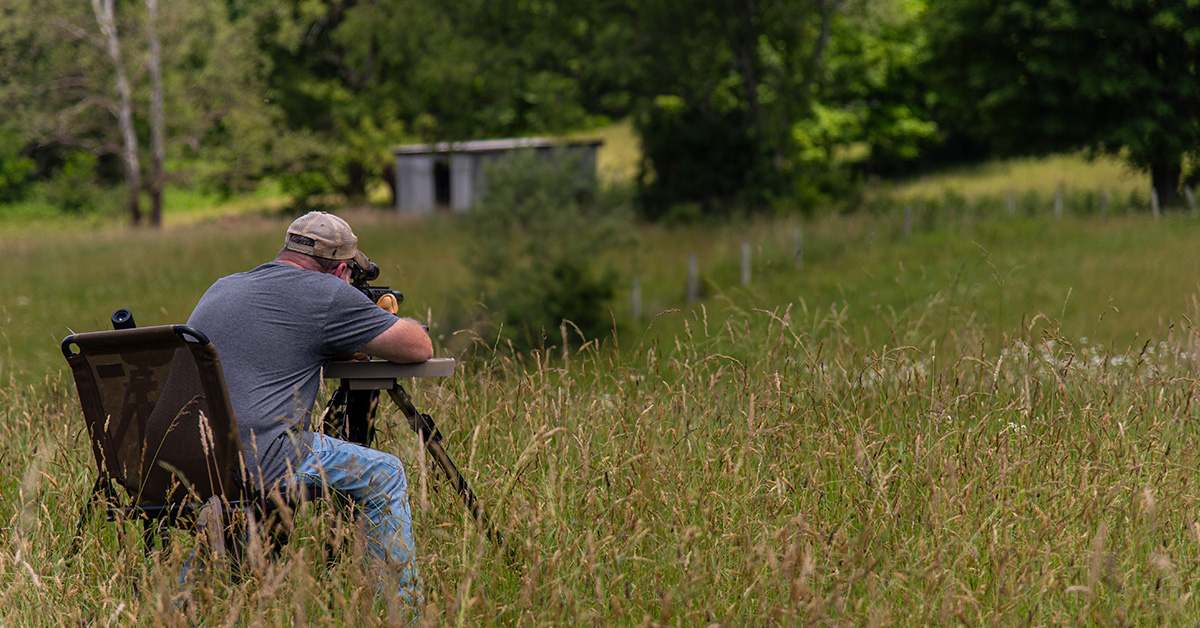
Too many hunters are content to zero their rifles at 100 yards from a solid bench rest and then hit the hunting fields.
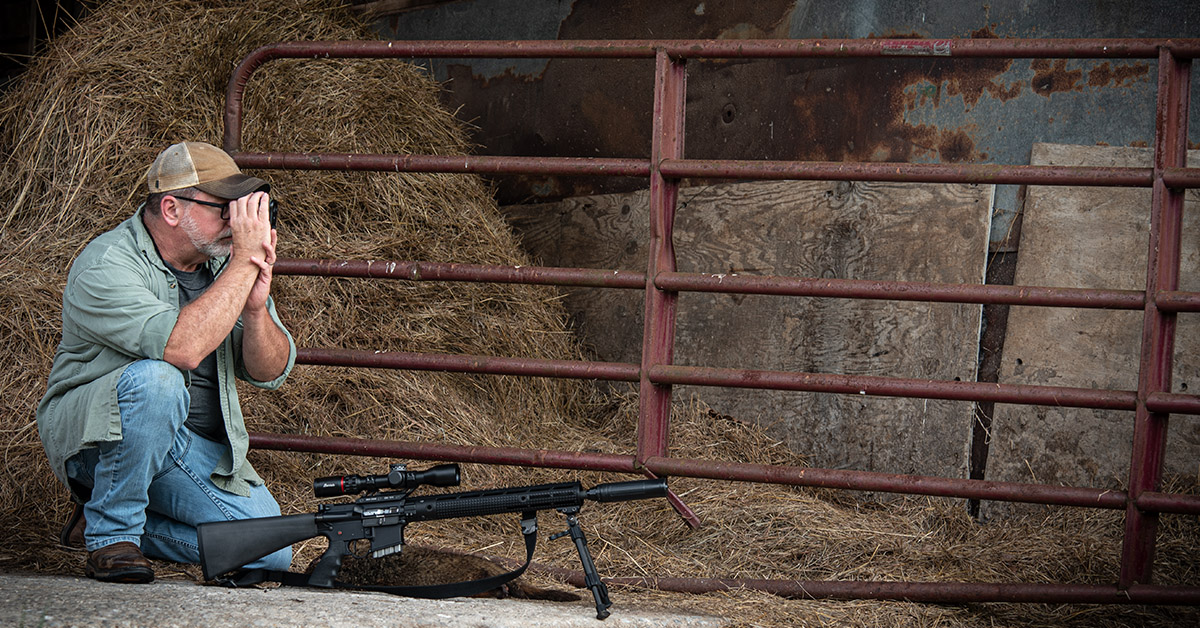
Folks, field-shooting is not that sterile. You must deal with terrain, vegetation, taking fast shots, taking shots from uncomfortable positions, and you should learn how to employ ad hoc field rests to ensure point-of-aim/point-of-impact performance. Groundhog hunting calls upon all these skills.
And there is another important skill that hunting groundhogs in country where shot opportunities can extend several hundred yards can develop, and that is learning to adjust for bullet drop.
You probably know many hunters (and you may be one of them), who get all giggly about their super-technical, high-dollar riflescope with all the bells and whistles. With it, they explain how they can use its complicated Christmas tree reticle or BDC turret to get on target at questionably long distances.
But when the moment of truth arrives and they must make that 325-yard shot on an elk or a big mule deer, the mind freezes and the notion of dialing in the shot doesn’t even enter their minds. If they keep their wits about them, perhaps they’ll have the wherewithal to aim a little higher on the withers.
Shooting groundhogs at longer distances is the perfect way to become familiar with bullet drop compensation — whether that means dialing in the drop via the elevation turret or making use of the scope’s BDC reticle. A groundhog, feeding on grass, clover, or whatever at 200- or 300-yards distance, offers you plenty of time to range the shot and think clearly about holdover or reticle adjustment. That is the kind of practice most of us can’t get if we don’t have access to a long-distance shooting range.
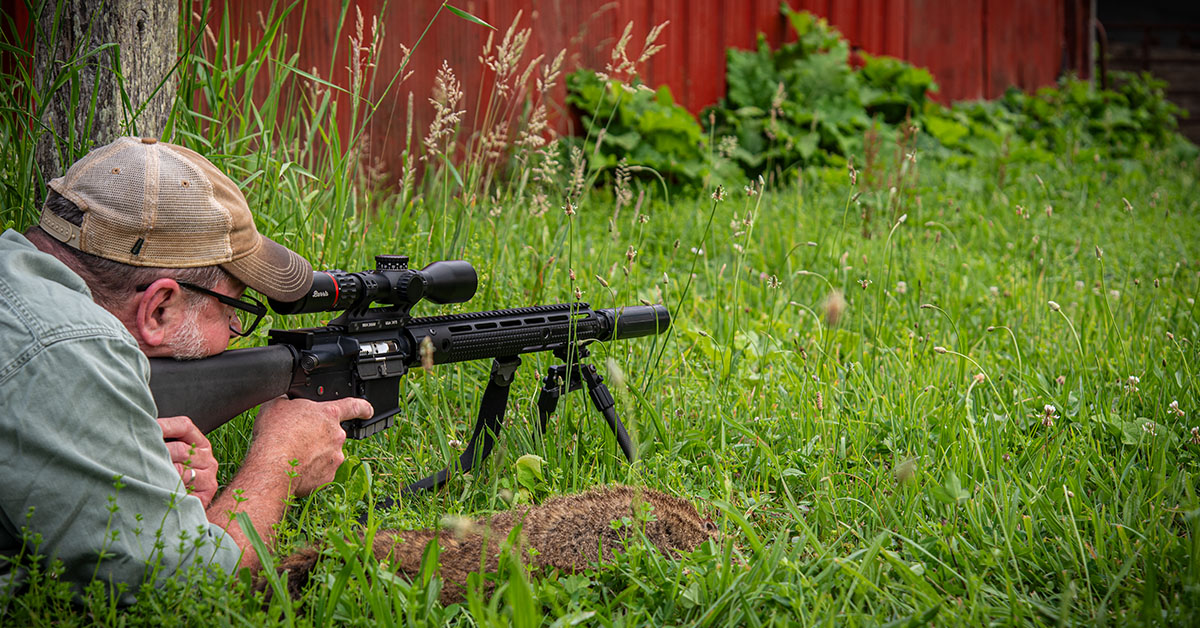
Yet even at shorter distances, groundhog hunting can sharpen your marksmanship skills. If you aim to put a groundhog in the pot (more on that in a moment), headshots are in order. That means a small target even at .22-caliber rimfire ranges. Here you’ll need to implement the kind of body positioning, hold, breathing, and trigger control techniques necessary for consistent and accurate shot placement.
Groundhog Gear
Before you head off to Farmer Henderson’s bean field in search of woodchucks, be sure to cover your legal bases. Naturally, obtain written permission from the landowner to hunt. Next, check your state regulations regarding seasons (there probably is none for groundhogs), legal shooting hours, and allowed equipment. Some states may only allow varmint hunting with small-caliber rimfire cartridges during the summer, so popular centerfire cartridges like the .223 or .243 may be off the list.
If there are no cartridge restrictions, then anything goes. That said, big guns in the .30-caliber class are a bit much…and a bit expensive.
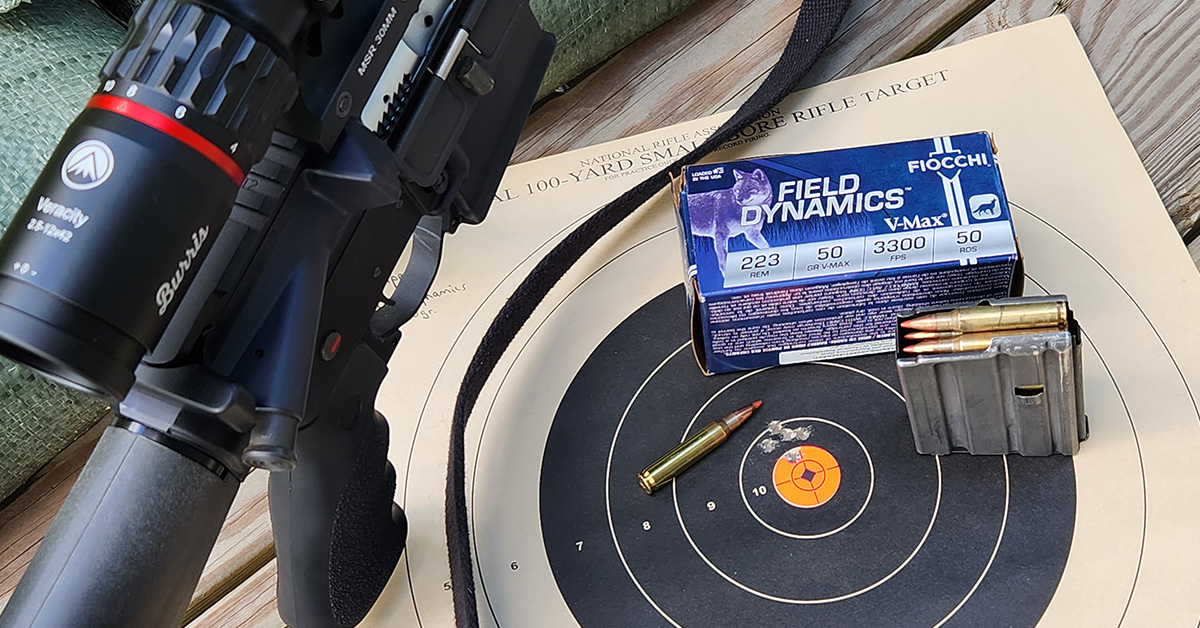
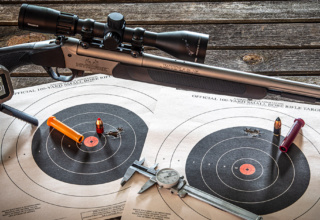
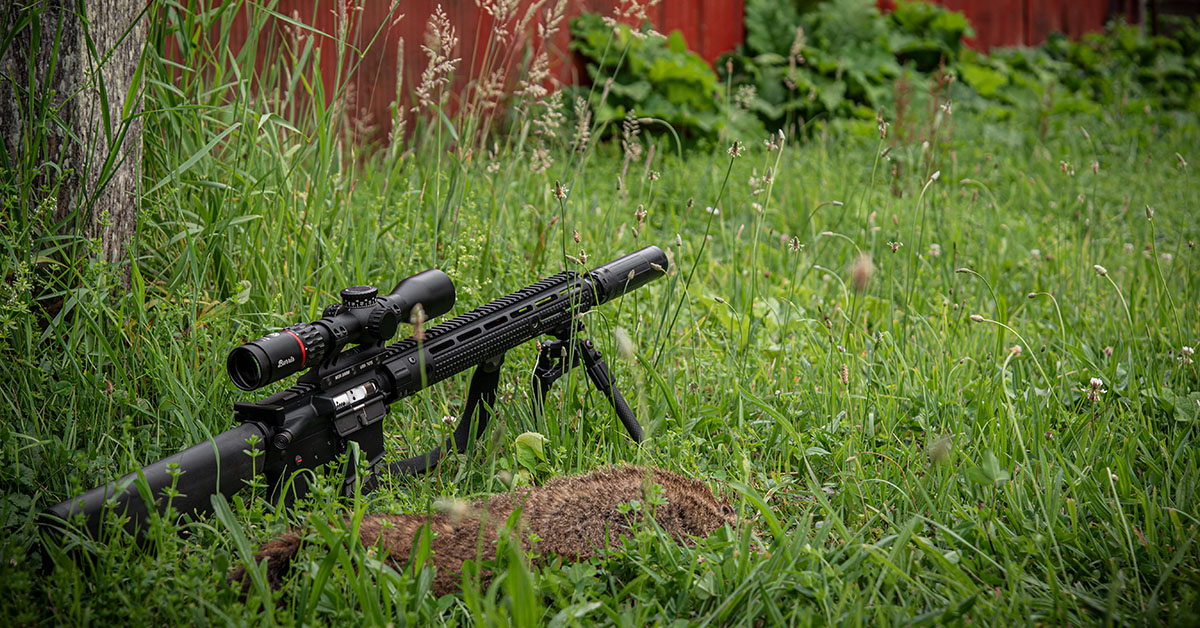
My favorite setup for big fields is a custom-built 5.56 NATO-chambered AR rifle I put together for coyote hunting. It shoots 1/2 MOA with Fiocchi’s Field Dynamicsvarmint load featuring Hornady’s 50-grain V-Max bullet. Wicked groundhog medicine right there.
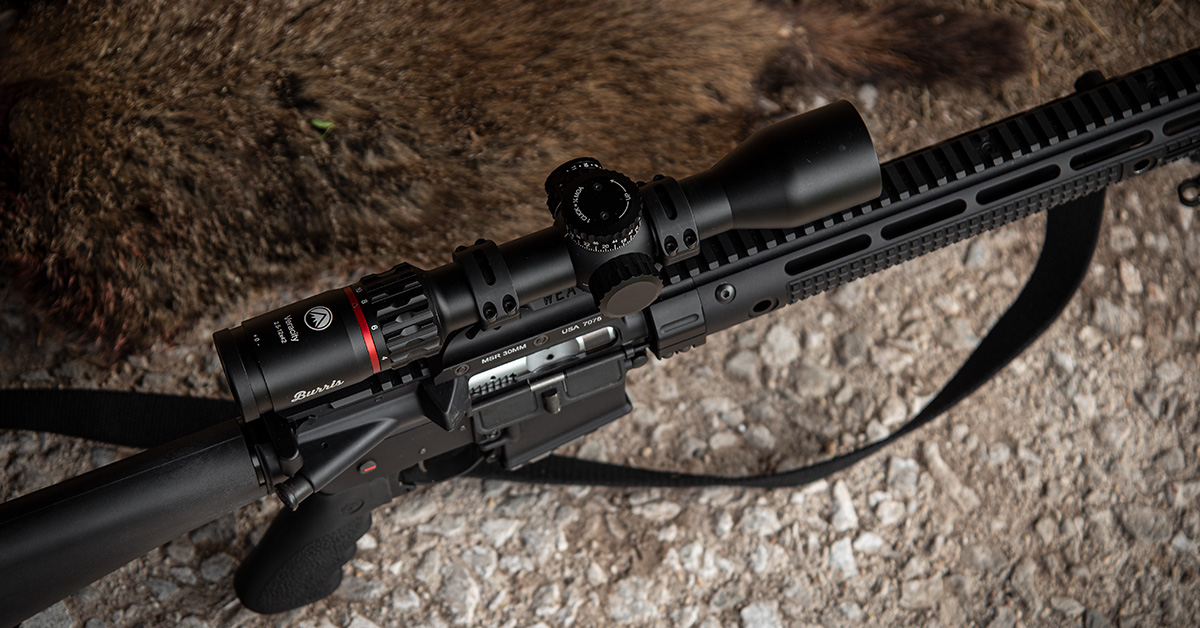
I recently pulled the Topdon TS006 Thermal Scope I was running for coyotes and installed Burris’ newly redesigned Veracity 2.5-12×42 scope for testing. The results have been excellent. The Veracity delivers good optical clarity and sharpness, and the Fiber Dot Plex reticle offers a clean sight picture. The illuminated dot is perfect for getting on a dark-haired groundhog in dim light while the Knob Synergy Exposed Pro elevation turret makes for fast, positive bullet drop compensation for those long shots.
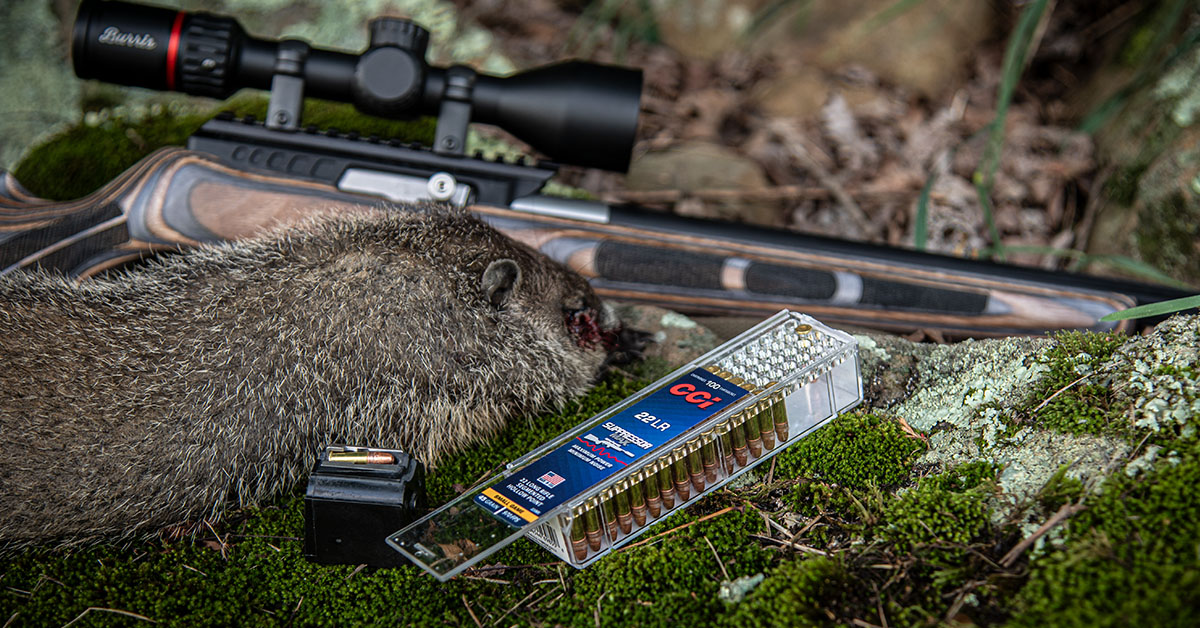
Of course, there’s no doubt that the venerable 22 LR has been knocking down small game for generations of hunters, and it is still the go-to for most of those pursuing groundhogs. There are many flavors of 22 LR to choose from, so the best bet is to try out a large sampling to find out which delivers the best accuracy from your rifle.
Groundhog Tactics
Successful groundhog hunting boils down to a few basic strategies.
Stay hidden. Groundhogs are alert and jittery creatures that will bolt into their holes at the first hint of danger.
Learn the neighborhood. Observing open areas and ag fields from a distance will reveal a groundhog’s territory. They do not stray far from their den to eat. Where you see one, you can be sure you’ll see him there again and again.
Timing is everything. While you may see groundhogs out and about midday, they are most actively feeding during the first 2-3 hours after daybreak and the last few hours before dark. Set up early and you stand a good chance of catching them unawares.
Pucker up. A sharp whistle can sometimes bring a groundhog out of its hole. Groundhogs have a distinct whistle they use to alert others of nearby danger. A whistle spurs curiosity, causing a groundhog to poke its head out of its hole or causing a feeding groundhog to sit up for a looksee, giving you a perfect shot opportunity.
Filling the Pot
Most people balk at the idea of eating groundhogs. That’s unfortunate because groundhogs are an excellent protein source and, being herbivores, are tasty table fare when properly prepared.
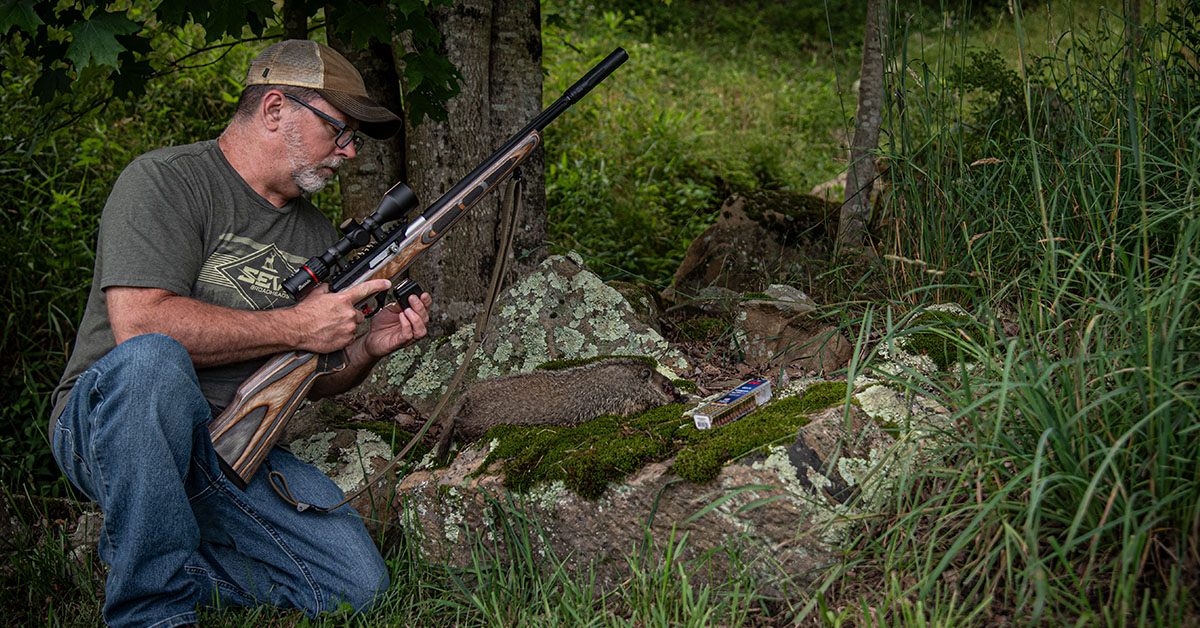
Back in the day, I would bring in all the groundhogs I shot with a bow, cleaned and quartered them, and Grandma would cook them up for dinner. Her method, as with so many Appalachians of her generation, was to “roll it in flour and fry it in oleo” (if you don’t know what oleo is, look it up!). I’ve since had and made better.
A few years ago, Shoot ON contributor Brad Fenson gave up a delicious Korean marinade recipe that I tried with a couple of young groundhogs I’d taken. It was delicious. The other day, I prepared a groundhog I’d shot out of my neighbor’s field. Being large enough for a pot roast, that’s exactly what I made. Again…delicious!
Groundhog Pot Roast
- One or two large groundhogs, quartered. (Be sure to remove all fat from the meat and the various scent glands around the arm pits, back, and genital area. In other words, if it doesn’t look like meat, tendon, or bone, cut it off!).
- Soak in salt water overnight.
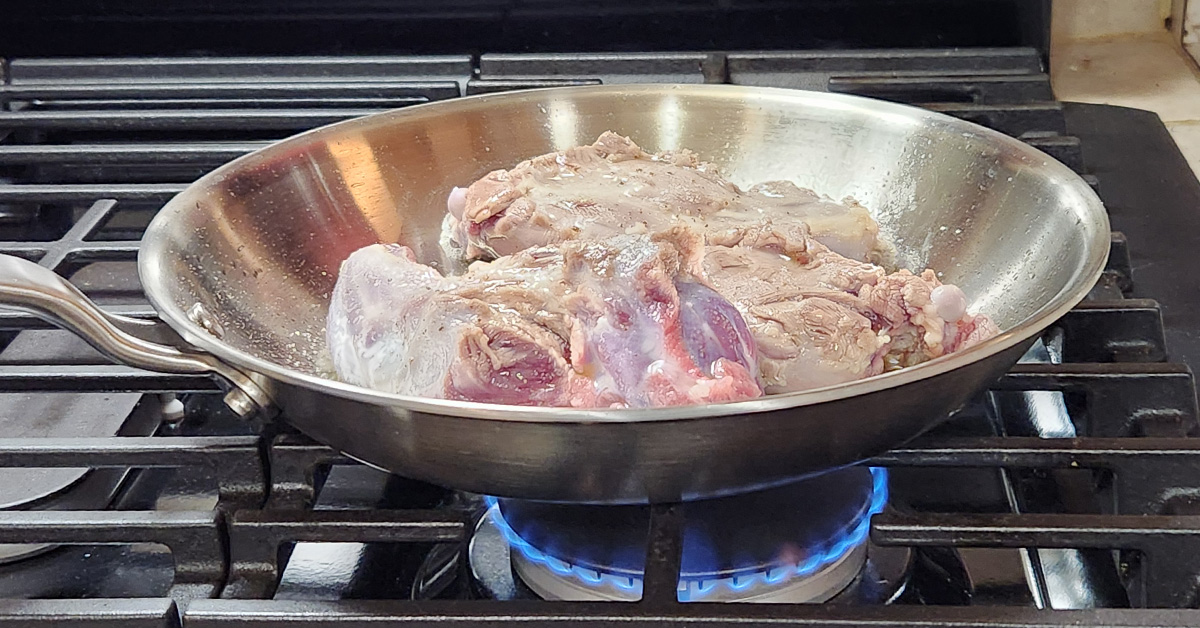
- Brown the quarters in olive oil and dash with salt and pepper.
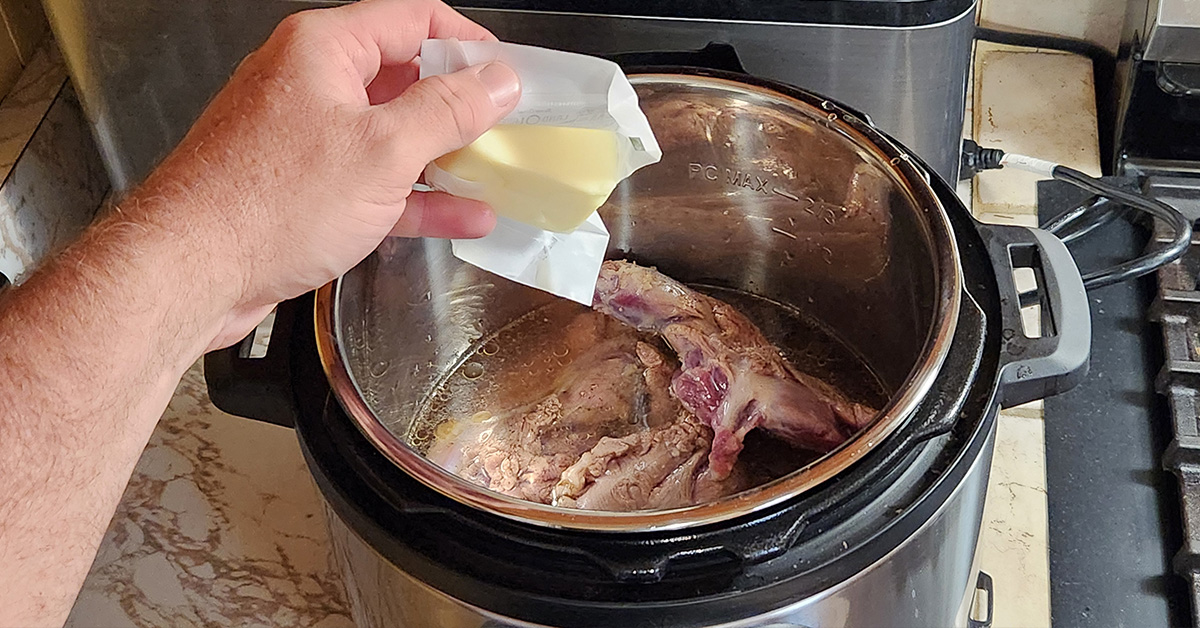
- Place meat in an Instant Pot and cover with water. Add half a stick of real butter and pressure cook on high for 45 minutes.
- After cooling, remove the meat from the pot (don’t throw out the liquid) and pull the meat from the bones. Return the pulled meat to the pot.
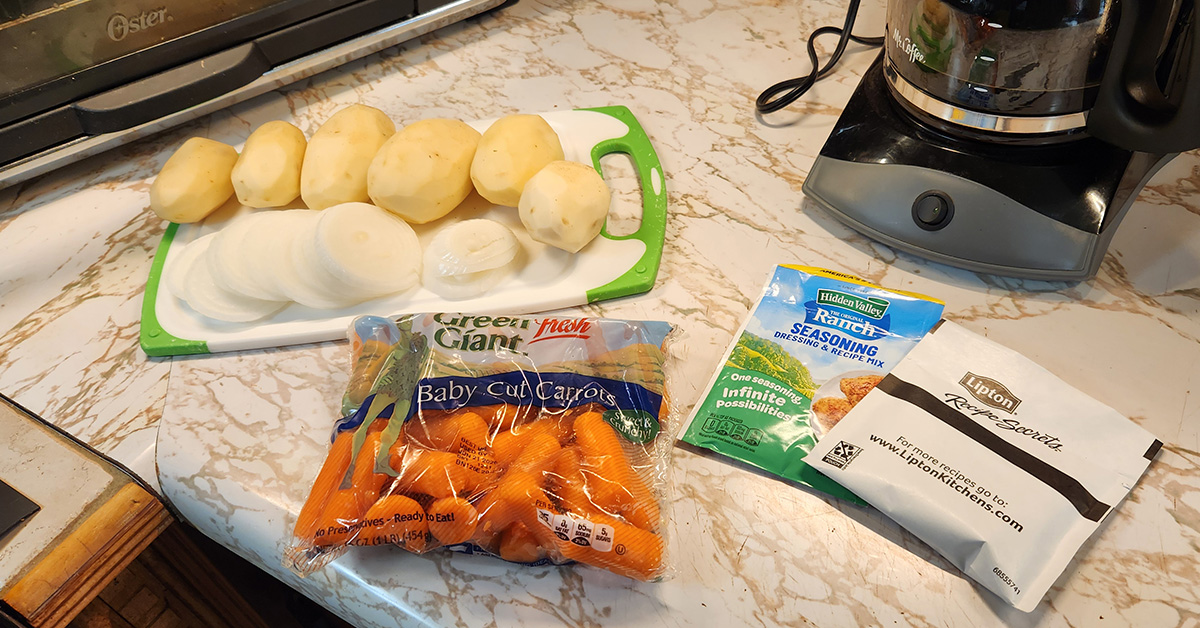
- Chuck in whatever ingredients tickle your fancy, but it’s hard to beat the basics: taters, onions, and carrots. Include one pack of Lipton onion soup mix and a pack of dry ranch mix to really liven up the flavor.
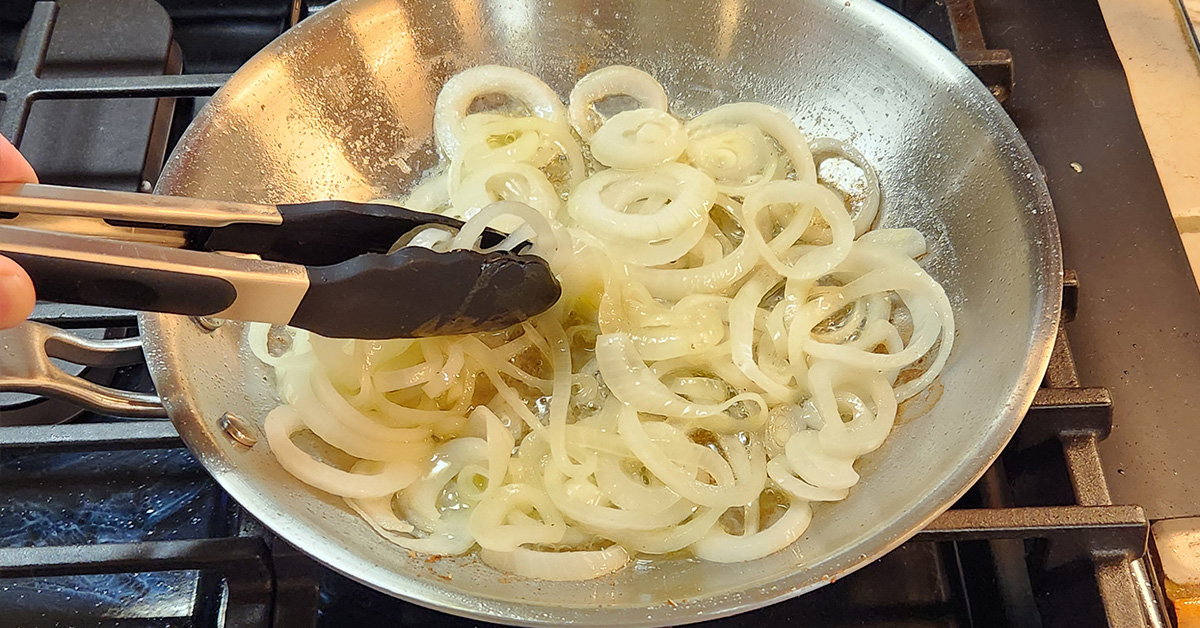
- Caramelizing the onions is always a good bet, or you can simply throw them in the pot raw. It’ll taste great either way. (Hat tip to Shoot ON contributor Paul Markel’s wife, Nancy…an outstanding cook.)
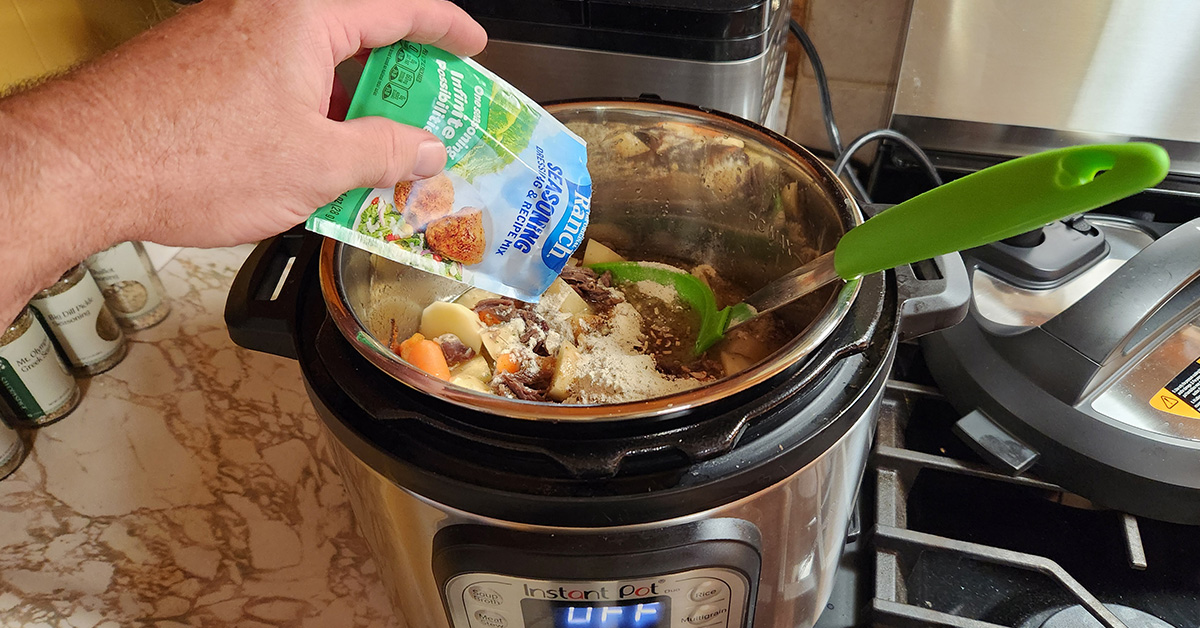
- Add the vegetables and dry mix. Mix about 1 3/4 cups of water with a half-teaspoon of beef bouillon and add to the pot. There should be just enough liquid to cover the contents. Stir to distribute the dry seasoning. Cover the pot and slow cook until done. I set the Instant Pot for eight hours at the slow cook, low setting.
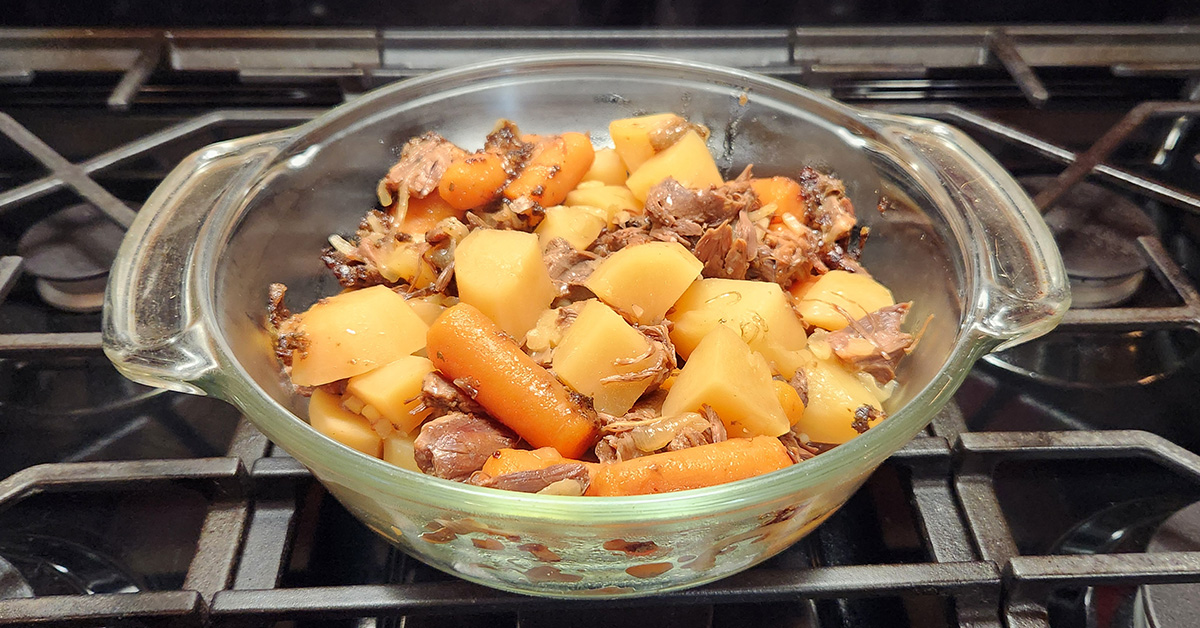
The result…soooooo good!
Nothing Goes to Waste: A Curmudgeon’s Guide to Cooking Squirrels, Rabbits, Groundhogs, and Other Backyard Delicacies
by Ward Archer, Shoot ON contributor (when he feels like it)
There was a time in America when people didn’t stare at a squirrel and think, “Look at that cute woodland creature.” They looked at a squirrel and thought, “That’s supper.”
Modern society has become a little disconnected from the concept. Folks will spend $18 on an artisanal chicken sandwich while standing twenty feet from enough squirrels to feed a church potluck.
My grandfather came of age during the Great Depression. The Depression didn’t care about your feelings, dietary preferences, or whether your protein source had an Instagram account. If it had fur, feathers, scales, or a pulse, somebody was figuring out how to put gravy on it.
The old timers wasted almost nothing.
The meat became supper.
The bones became broth.
The hides became gloves, patches, pouches, or repairs.
The fat became cooking grease.
Even the dogs got a share of what remained.
Today, we’ve somehow convinced ourselves that a boneless skinless chicken breast wrapped in plastic is normal while eating a squirrel is unusual.
History would disagree.
The Aristocrat of Rodents: Squirrel
Squirrels occupy a special place in American culinary history. They’re plentiful. They’re free-range. They’re organic. They’re non-GMO. And they spend most of their lives eating nuts.
If Whole Foods could figure out how to package them, they’d cost $24.99 per pound.
The secret to squirrel is understanding what you’re dealing with. A squirrel is essentially a furry CrossFit instructor. Every muscle is developed. Every ounce of meat has worked for a living. That means low-and-slow cooking wins every time.
Depression-Era Squirrel and Dumplings
Ingredients
- 3 squirrels, quartered
- 1 onion, chopped
- 2 carrots, chopped
- 2 celery stalks
- Salt and pepper
- 6 cups water
- Biscuit dough or dumplings
Brown squirrel pieces in a Dutch oven.
Add vegetables and water.
Simmer gently for 2 to 3 hours until meat falls from the bone.
Remove bones.
Add dumplings.
Cook until tender.
Serve with enough black pepper to make your nose question your life choices.
The result tastes remarkably similar to chicken stew, which annoys people who insist squirrels are inedible.
Rabbit: Nature’s Emergency Chicken
Rabbits have fed civilizations for thousands of years. If squirrels are CrossFit instructors, rabbits are marathon runners. Lean, mild, and surprisingly versatile, rabbit may be the finest small-game meat in North America. The meat is delicate and takes well to almost any seasoning. French chefs adore rabbit. Southern grandmothers adore rabbit.
When two groups that disagree on nearly everything both love something, it’s worth paying attention.
Buttermilk Fried Rabbit
Ingredients
- 1 rabbit, cut into serving pieces
- 2 cups buttermilk
- 2 cups flour
- Salt
- Pepper
- Garlic powder
- Cooking oil
Soak rabbit overnight in buttermilk.
Season flour generously.
Dredge pieces.
Fry at 350 degrees until golden brown.
Finish in a 325-degree oven for about 20 minutes.
Serve with mashed potatoes and the smug satisfaction that comes from eating something that didn’t require a trip to the grocery store.
Groundhog: The Underrated Woodland Pork Roast
Groundhog gets a bad reputation because many hunters have never eaten one. That’s a mistake. A young groundhog harvested during summer is one of the best-kept secrets in wild game cooking. Think of it as nature’s pork shoulder. Older animals can be tougher, but young ones provide rich, flavorful meat perfect for slow cooking. The key is removing excess fat and taking your time.
Smoked BBQ Groundhog
Ingredients
- 1 young groundhog
- Dry barbecue rub
- Applewood smoke
- Favorite barbecue sauce
Apply rub generously.
Smoke at 225 degrees for 5 to 6 hours.
Cook until meat pulls apart easily.
Shred.
Mix with sauce.
Pile onto buns.
Don’t tell guests what it is until they’ve had seconds.
This strategy has a surprisingly high success rate.
The Lost Art of Using Everything
One thing the Depression generation understood was that throwing away edible food bordered on insanity. They viewed waste the way modern people view identity theft. Bones became stock. Stock became soup. Soup became tomorrow’s supper. Hides found uses. Nothing got discarded simply because somebody was squeamish.
I’ve watched modern hunters spend thousands of dollars pursuing game animals, then throw away enough usable material to make their grandparents spin like ceiling fans. The old timers would have considered that a criminal offense…or at least grounds for a stern lecture.
Squirrel Tacos: Because Apparently Everything Becomes a Taco
We’ve reached a point in American culture where people put everything in tortillas. Surprisingly, squirrel works.
Ingredients
- Meat from 3 squirrels
- Taco seasoning
- Onion
- Garlic
- Tortillas
- Cheese
- Salsa
Pressure cook squirrel until tender.
Shred meat.
Season heavily.
Serve exactly like pulled pork tacos.
The squirrel won’t know the difference.
Rabbit Pot Pie
If comfort food were a religion, rabbit pot pie would have its own denomination.
Cook rabbit until tender.
Combine with peas, carrots, potatoes, and gravy.
Top with pie crust.
Bake until golden brown.
The aroma alone can make neighbors suspicious.
Groundhog Chili
Groundhog’s rich flavor shines in chili.
Brown cubed meat.
Add onions, peppers, beans, tomatoes, and chili spices.
Simmer for several hours.
Serve with cornbread.
A second bowl is common. A third bowl is often accompanied by regret.
The Great Backyard Buffet
America contains millions of acres filled with renewable, sustainable protein sources. Meanwhile, grocery stores sell chicken breasts that have traveled farther than some people.
The irony is delicious.
Squirrels raid bird feeders. Rabbits destroy gardens. Groundhogs excavate enough soil to qualify as amateur mining operations. Then we act surprised when someone suggests eating them. The animals themselves seem almost offended by our hesitation.
Final Thoughts from a Cranky Old Woodsman
I am not suggesting everyone abandon supermarkets and start viewing every squirrel as a future casserole. I’m simply saying our ancestors possessed a practical wisdom we’ve largely misplaced. They respected food because they knew what it took to acquire it. They understood that animals deserved to be utilized fully. They wasted little. They complained less. And they made some remarkably good meals from creatures that modern society barely notices.
So, the next time someone wrinkles their nose at squirrel, rabbit, or groundhog, remember this:
Their great-grandparents would probably have invited that same animal to dinner.
The difference is that back then, dinner didn’t arrive wrapped in plastic; it arrived carrying its own fur. And according to generations of Americans who survived hard times, that wasn’t a problem.
That was a recipe.