Smoke, snow, and the sound of a lever gun
by Ward Archer
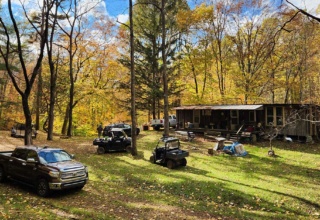
Long before camouflage patterns had brand names and UTVs buzzed through the woods like mechanical beetles, deer camp tradition meant something simpler. It meant a cabin that smelled like wet wool, wood smoke, and frying onions. It meant rifles leaned into the corner, boots lined up by the door, and a group of men who had been counting the days to opening morning since the previous season ended.
Across Pennsylvania, Michigan, and Wisconsin, deer camp traditions took root in the 1940s and 1950s like stubborn oak trees. The Second World War had ended, families were rebuilding normal life, and autumn in the North Woods became sacred ground for hunters who wanted to reconnect with something older than highways and factory whistles.
For many of today’s boomers, deer camp was where they first saw their father laugh harder than anywhere else. It was where they learned the difference between hunting and simply carrying a rifle in the woods.
And if you ask them what they remember most, it usually isn’t the deer.
It’s the camp.
The Food That Built Deer Camp
Before coolers the size of bathtubs and gourmet camp cooking videos on YouTube, deer camp cuisine followed a simple rule: if it could survive three days without refrigeration, it belonged on the table.
Every camp had its staples.
There were pickled eggs, floating in cloudy jars like culinary science experiments. There were tins of sardines, their lids peeled back with a church key while someone inevitably said, “Those’ll keep the bears away…or attract ’em.”
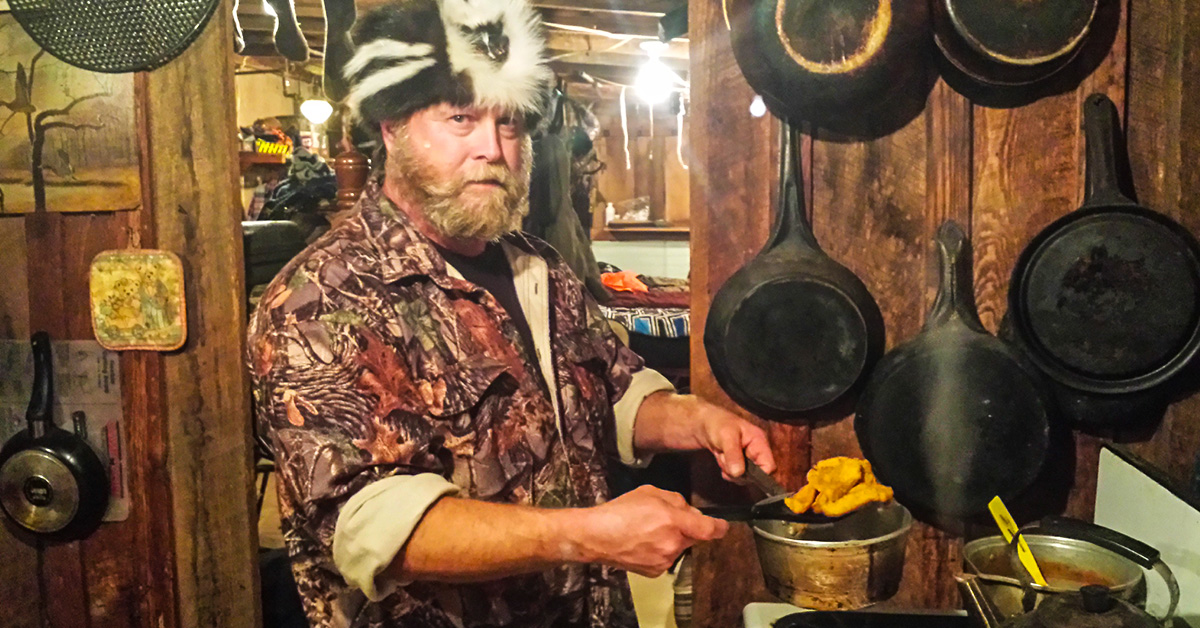
Saltines were stacked in sleeves. Blocks of sharp cheddar were carved with the same knife used to whittle sticks. Summer sausage appeared from mysterious paper wrappings like a magician’s trick.
Someone always brought a cast iron skillet big enough to serve a platoon. In it went potatoes, onions, venison from the year before, and enough butter to make a cardiologist nervous.
And black coffee. Gallons of it.
The coffee pot never seemed to empty. It simply aged.
The Night Before Opening Day
Opening eve at deer camp had its own rhythm.
Rifles were cleaned again even though they had already been cleaned twice. Someone would check the zero on their scope by staring through it at a distant pine tree and declaring confidently:
“Yep. Still dead on.”
But the real ceremony began after supper.
Out came the cards.
Some camps played euchre. Others preferred cribbage, poker, or whatever game allowed the most table pounding and accusations of cheating.
The stories grew bigger with every round.
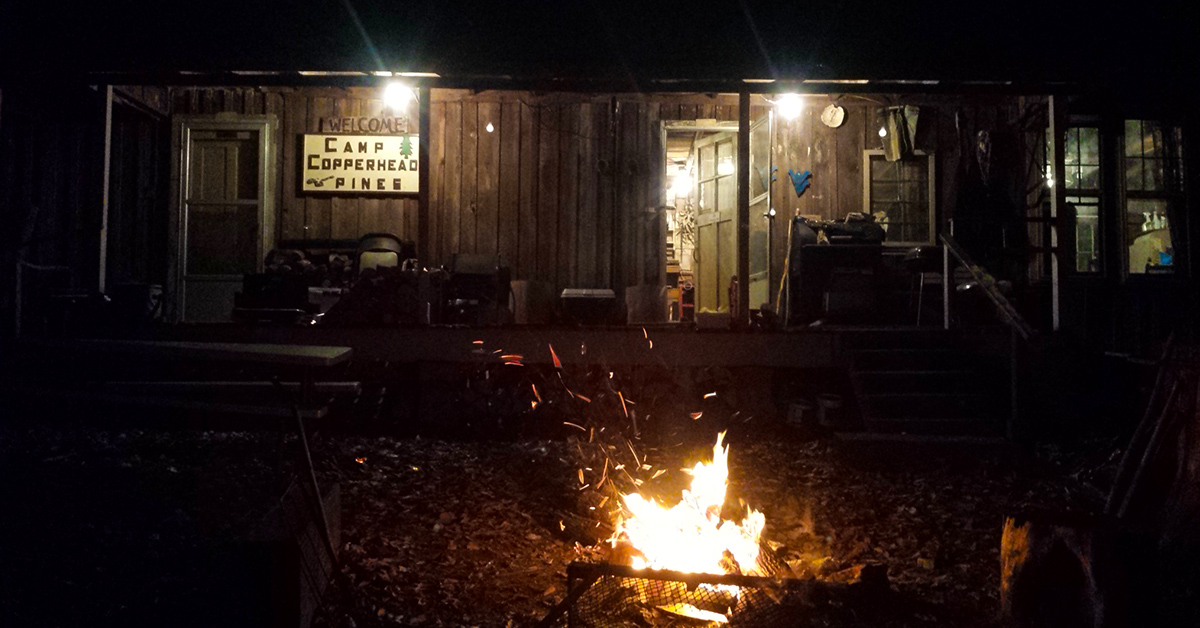
Someone always had a tale about a buck “bigger than the hood of a Buick.” Another claimed he tracked a deer six miles through knee-deep snow, though the map later suggested it was closer to 400 yards.
And somewhere around midnight, the beverages started working overtime.
The laughter got louder. The stories got longer. And inevitably someone said the phrase that has doomed deer hunters for generations:
“Just one more hand.”
Opening morning hangovers became an unofficial deer camp tradition. More than one hunter has crawled into a stand feeling like his head was stuffed with cotton and regret.
Yet somehow, the woods always made things better.
Rifles of the Old Camps
Step into a classic Midwestern deer camp from the 1950s or late 60s and you’d likely see a rifle rack that looked like a catalog of American hunting history.
The most common was the Winchester Model 94 chambered in .30-30 Winchester. It was slim, quick, and as familiar to hunters as a favorite pocketknife. Beside it often sat the equally respected Marlin Model 336, another lever-action legend that rode easily in a truck rack or across a saddle scabbard.
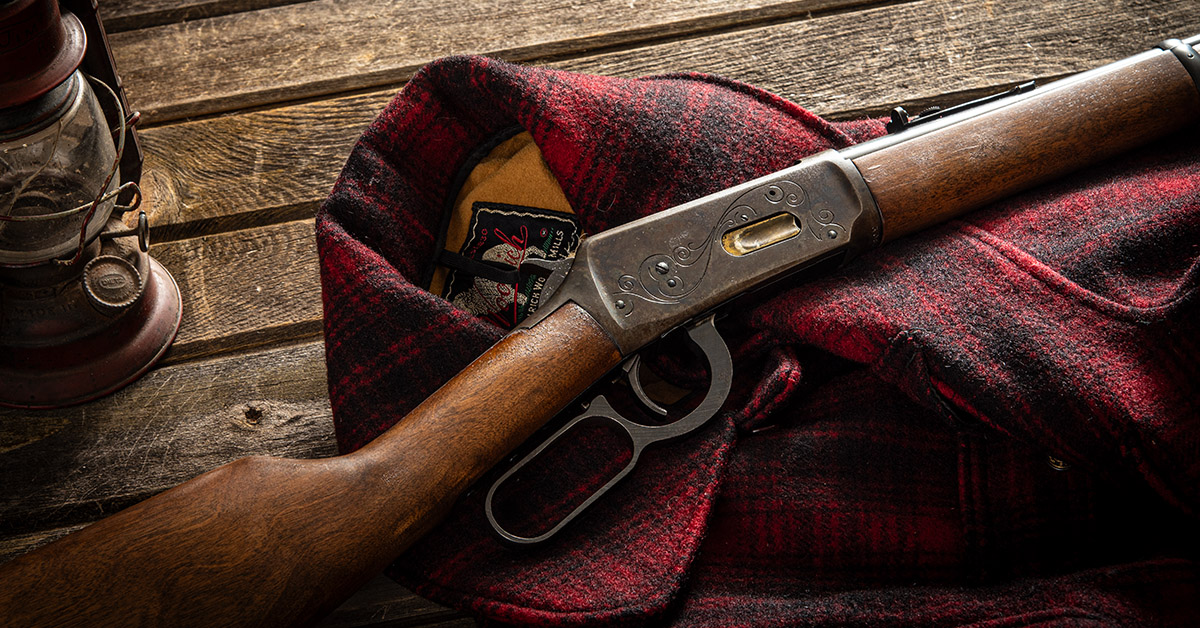
For hunters who liked something a little different, the Savage Model 99 brought its distinctive rotary magazine and smooth lines to camp. Many old-timers swore it was the finest woods rifle ever made.
Then there were the bolt-action patriarch rifles.
The men who had hunted the mountains out West or dreamed of doing so often carried a Winchester Model 70 or a Remington Model 700. Those rifles might hunt whitetails in Pennsylvania one season and mule deer in Wyoming the next.
And if you saw a compact rifle leaning in the corner, chances were it was a Remington Model 600 or Remington Model 660, short-barreled carbines that carried easily through thick timber.
None of them wore giant tactical scopes.
More often than not, they were topped with something simple, like the Weaver K4 — a fixed four-power optic that hunters trusted with the same faith they had in wool socks and duct tape.
Four-power was enough.
If you couldn’t hit a deer with a K4, the old guys would say, “the scope wasn’t the problem.”
The Tree Stands That Became Family Heirlooms
Long before aluminum climbing stands and lightweight hang-ons, deer hunters built their stands the old way.
They nailed them to trees.
Literally.
Across the forests of Pennsylvania and the Upper Midwest, wooden platforms appeared each autumn. A few boards, some nails, and maybe a ladder built from saplings.
Those stands stayed in the same trees for decades.
Sons hunted them after fathers. Grandsons hunted them after grandfathers. Some became so legendary they had names:
“The Oak Throne.”
“The Widowmaker.”
“The Hemlock Stand.”
A hunter sitting there could almost hear the ghosts of seasons past in the wind.
Tracking in Snow
In the northern states, snow turned deer hunting into a chess match.
Hunters stepped into the woods at dawn, searching for the fresh tracks of a buck that had passed during the night.
Tracking demanded patience.
You followed the print slowly, reading the story in the snow. Was the deer walking? Feeding? Nervous?
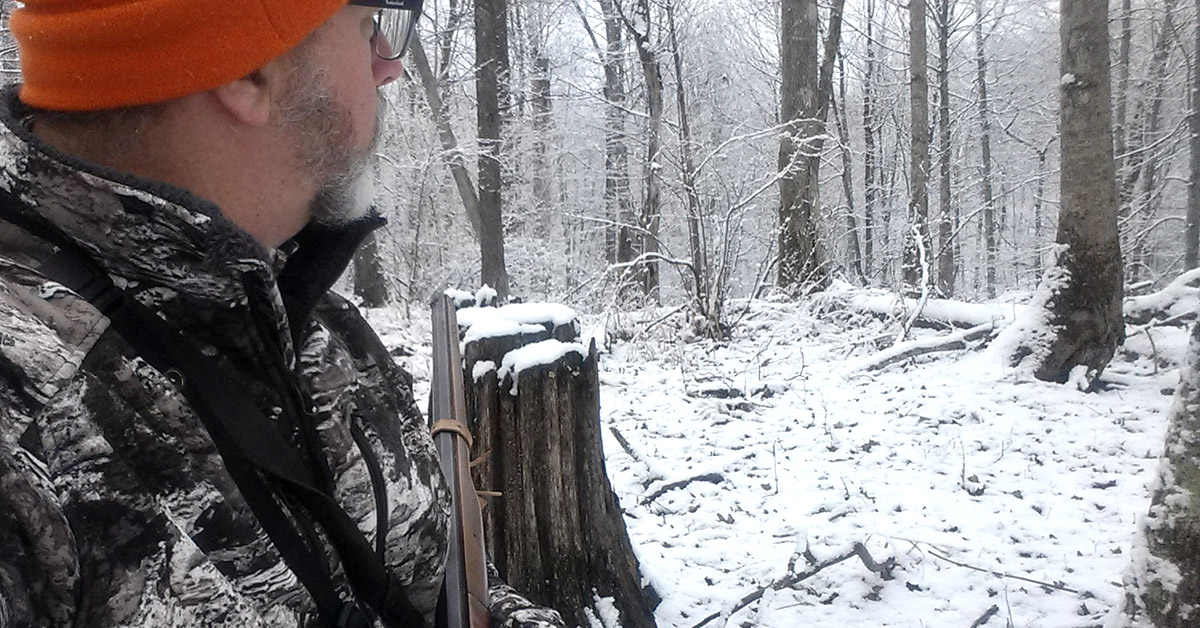
Old trackers moved quietly, pausing every few steps to scan ahead. A buck might be bedded just beyond the next hemlock.
When a deer was finally taken, the real work began.
There were no ATVs waiting nearby.
The deer was tied with rope and dragged out the old-fashioned way. Hunters leaned forward, boots digging into snow, pulling the animal mile after mile back toward camp.
It was exhausting.
But nobody complained much.
Dragging a deer meant success.
The Shirt Tail Tradition
Every deer camp had its rules. Some were written. Most weren’t.
One of the most famous traditions across parts of Pennsylvania and the Midwest involved the shirt tail ceremony.
When a hunter missed a deer, he returned to camp knowing what was coming.
The camp patriarch, often the oldest and most experienced hunter, would quietly fetch a knife or a pair of scissors.
The hunter stood there while the tail of his flannel shirt was snipped off.
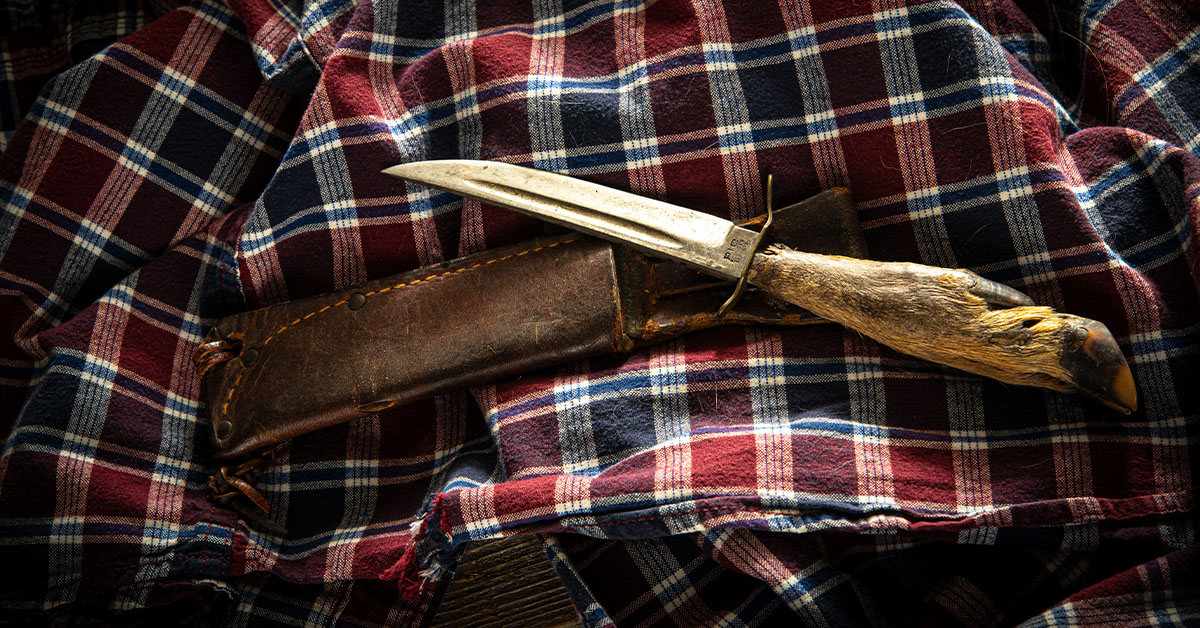
The piece of fabric was then nailed to the wall of camp as permanent evidence of the miss.
No speeches were necessary.
The Wall of Shame told the story.
Years later, a hunter could walk into camp, look up at the patchwork of faded shirt tails, and remember every blown opportunity.
It was humiliation… but the friendly kind.
The First Deer
For many hunters, deer camp also held the memory of their first deer.
The moment often happened in cold silence. A buck stepping through frosted brush. The safety clicking off. A heartbeat that seemed louder than the wind.
After the shot came excitement.
Then responsibility.
Field dressing a deer for the first time was a rite of passage. An older hunter would kneel beside the young shooter and walk him through the process step by step.
“Cut here.”
“Slow down.”
“Don’t puncture that.”
The lesson was practical, but it carried deeper meaning.
This was respect for the animal and respect for the hunt. And at the end of the task, the mentor would pull out his leather flask full of blackberry wine and squirt some into the junior’s mouth, christening the right of passage.
The Changing Woods
Today, deer camp looks different in many places.
ATVs and side-by-sides can haul deer out in minutes. Electric bikes glide quietly down logging roads. Trail cameras text photos of bucks to smartphones miles away.
Technology has made hunting easier.
But sometimes easier isn’t the same as better.
Many old camps have disappeared. Cabins collapsed or sold. Traditions forgotten when the older generation passed on.
Yet the spirit of deer camp doesn’t have to disappear with them.
Keeping the Traditions Alive
Preserving deer camp traditions doesn’t require abandoning modern gear. It simply requires remembering what made camp special.
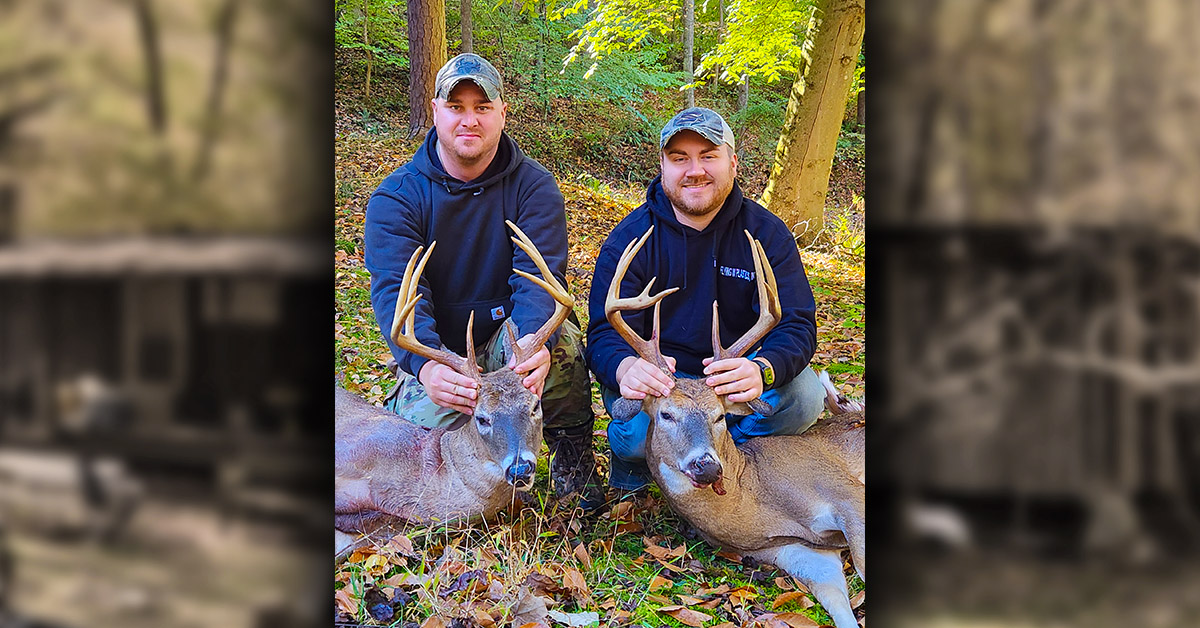
Cook the old foods once in a while.
Play cards the night before opening day.
Tell stories that grow a little bigger every year.
Pass down the old rifles when possible.
Build a stand in the same tree your father hunted.
And maybe, just maybe, keep a pair of scissors hanging on the wall. Because someday a young hunter will walk back into camp after missing a buck. And when that shirt tail gets snipped, the laughter around the room will sound exactly like it did in 1954.
In that moment, the past and present share the same firelight.
And deer camp lives on.
- Deer Camp Traditions - November 25, 2026
- From Bachelor Pads to Family Herds - November 2, 2026
- Coon Hunting Goes High Tech - March 4, 2026