On the road or at home, crisis demands thoughtful preparation to execute immediate action. Here are realistic considerations for short-term disaster survival.
by Rob Reaser
Most of us with a personal defense mindset have pondered the possibilities of “What would happen if…?” This is a natural inclination for anyone who, for example, dedicates themselves to preparing for the worst when navigating daily life. We stay armed, and we remain cognizant of where we are on the threat level color code.
The “What if…?” questions are a natural extension of this lifestyle.
This is especially the case for those of us in the Gen-X camp. We came of age under the threat (imagined, manufactured, or real) of nuclear annihilation by the USSR. We were the first to be teased with the concept of societal collapse at the hands of artificial intelligence (The Terminator). The focus on materialism and wealth created a nation firmly seated in Jeff Cooper’s Condition White — fat, dumb, and happy — unprepared as sheep to the slaughter for foreign invasion (Red Dawn). Before the Covid nonsense, we were already primed for the impact of rampaging viruses (The Andromeda Strain).
We are sensitive to the “what ifs” because many of us have already lived them, if not in reality, at least in our minds.
We’ve Seen It Before
As adults with fewer years ahead of us than behind us, we have a more realistic view of the “what ifs.” We don’t need to look to Hollywood to fuel our survival fears and fantasies.
- Those working in Manhattan on September 11, 2001, experienced it.
- Those who were slammed by Hurricane Katrina in August of 2005 experienced it.
- We all saw how Covid opened the door for the self-inflicted wounds of mass formation psychosis in the summer of 2020.
- Victims of the devastating Maui wildfires of August 2023 experienced it.
- Mountain residents of North Carolina and Tennessee socked by flooding from the remnants of Hurricane Helene on September 27, 2024, experienced it.
- SoCal-area residents forced to flee the Pacific Palisades Fire in January 2025 experienced it.
Real life can be just as frightening and deadly as anything script writers and film directors can conjure on the big screen. The difference: in Hollywood, dead isn’t dead; in real life, dead is dead — you, your family, or your neighbors.
Fantasy Disaster Prep vs. Real-World Survival
My view from the sidelines of the social media morass (I walked away from all social media years ago) is that too many in the gun culture have some unrealistic notions of what sound, short-term survival strategies entail. This is because few have ever practiced it. And because Hollywood apocalypse tripe has ignited fanciful ideas of loner survival in bombed-out wastelands, the gear they think they need probably doesn’t match the reality they’ll face in a genuine short-term crisis.
Example: if you’re packing a breakdown .22LR single-shot rifle with the expectation of shooting a rabbit for your evening meal-on-a-spit, you’ve got it all wrong.
The reality is that there are multiple ways to configure a short-term survival kit that makes practical sense because there are so many potential conditions. Further, there is no way you can prepare for all conditions in a single kit (or “go bag” or “bugout bag” or “get-home bag” …call it what you will).
The possible scenarios come down to three:
- You are trying to get home but can’t. A climactic event or a civil disruption, for instance, prevents you from getting home or to a safe place. In short, you are homeless and possibly on-the-move.
- You must leave home with nowhere to go, and you must do it NOW! (e.g., catastrophic weather event like flooding, a firestorm is approaching, or there is a manmade disaster like a chemical leak)
- You are home but your house has suddenly been destroyed (e.g., tornado, earthquake, flash flood, et cetera)
These are the realistic conditions for which you want to prepare a kit.
To keep this simple and to offer you something to build on, we’ll consider an individual, not a family, and the contents of a short-term kit that can get you through an immediate displacement crisis.
Analyzing the Basics
When I was around eight or nine years old, I got my hands on one of my uncle’s old BSA handbooks. First published in 1929, its worn, yellow-aged pages and elementary line art ignited my passion to live like a mountain man.
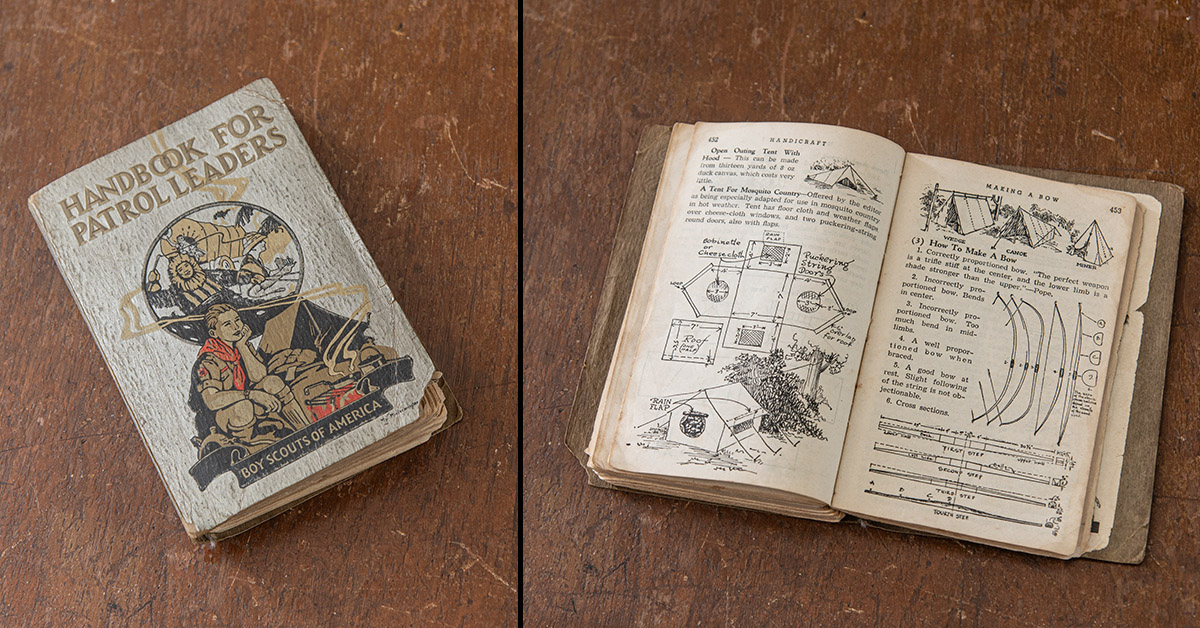
I spent hours reading and re-reading this book, learning how to build a fire, set up a wilderness shelter, tie knots, First Aid, and so on. While the book was way outdated by the time I got my hands on it (somewhere in the 1970s), it laid the foundation for a life of learning and practicing how to exist in the wilds with the least of resources. This manifested later in life when I began backpacking in the remote Appalachians and bivouacking in the western mountains.
The point of telling you this is to underscore that the following recommendations come from actual experience and application, not keyboard musings or LARPing.
Again, you can’t prepare for everything or every condition. If you live in a four-season climate, for example, your kit will need to be modified relative to the prevailing weather. What you would need in the winter is different from what you would need in the summer, so keep this in mind as you map out your own kit. For this exercise, I will run through a kit that will work for a warm season with nighttime temperatures down to the low fifties or upper forties.
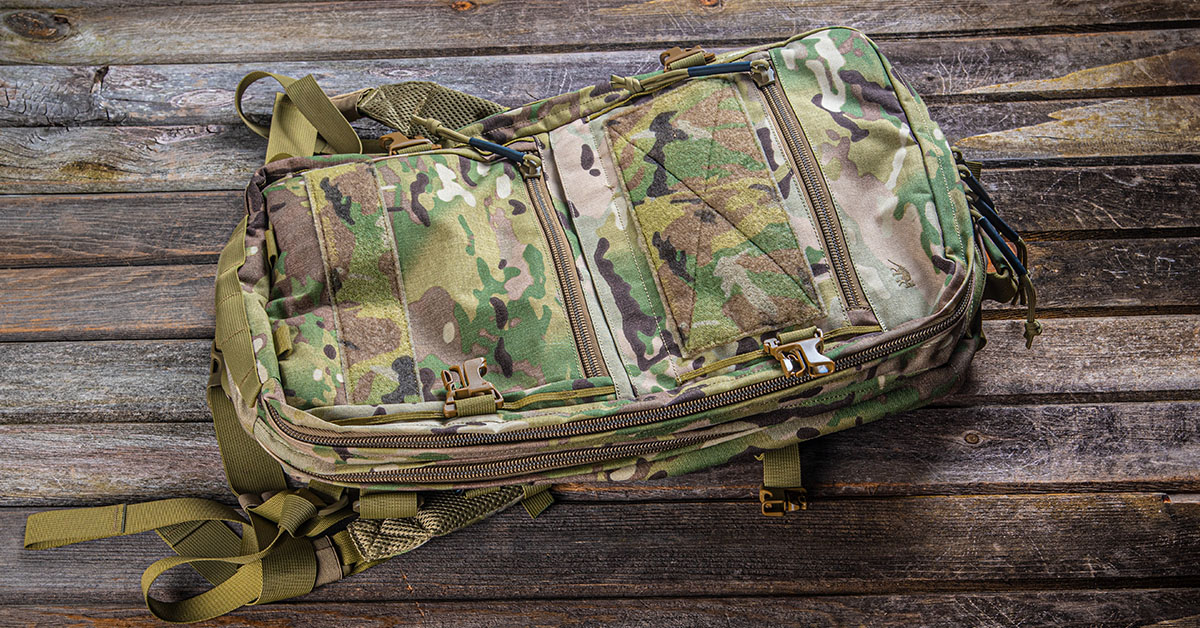
Another parameter for this short-term survival kit is the gear and supplies carrier. You require something that not only will store everything you need but can also provide hands-free carry. That means a high-quality backpack (a day pack or a one- to three-day pack) in a compact configuration and with multiple compartments.
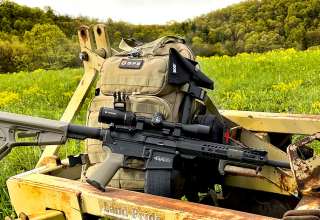
A good example of such a pack — and the one illustrated here — is the TT Modular Grab Pack 30 MC from Tasmanian Tiger. This pack has a 30-liter capacity spread among two interior compartments, each of which fully opens to give quick access to needed items without disrupting all the contents. The outermost compartment features four zippered pockets on one side and four removeable zippered pouches that attach via hook-and-loop patches on the other side. The rear compartment is not segmented, so it is perfect for storing longer, larger items. A hook-and-loop panel with MOLLE stitching provides custom configuring for pouches if the front compartment pouches aren’t enough, and there is a full-size zippered panel on the opposite side.
I’ve used and tested many packs over the years, and as short-term survival gear goes, you’ll have a tough time finding a pack more suited to this task.
So, what are the essentials you must address when putting together a short-term survival kit? I order them in this manner:
- Defense – It doesn’t matter where a displacement crisis takes place. Whether in a rural or an urban environment, you need protection as the first order of business. We’ll assume you are a steady EDC practitioner, so having a handgun on your person is a given. If a really bad deal goes down, though, you will certainly desire something more substantial than your 3.5-inch barrel 9mm…like a carbine or SBR. Just sayin’.
- Medical – While it is great to have a well-rounded medical kit, what we are most concerned with here are supplies to address catastrophic bleeding. For the theory on medical trauma, check out this article by trainer and Shoot ON contributor Paul Markel.
- Sustenance – Water and food (in that order) are, obviously, next on the priority list. No need for further explanation.
- Shelter and Support Gear – Most likely, in any displacement crisis you might encounter, you will probably be in or have access to your vehicle. That’s your primary shelter. Nevertheless, you want to be prepared to sleep in the sticks. We’ll discuss shortly the minimal requirement for that.
- Communications – Cell phones are great, but cell phones can fail. You need options.
As we continue this discussion, keep in mind the framing for our kit considerations.
We are talking about kitting for one person and two scenarios: 1) you are away from home and can’t immediately get back, and 2) you are at home and must immediately leave with nowhere to go. If you are a household head, you will need to develop kits appropriate for all family members to prepare for an immediate home evacuation.
Defense
As mentioned, we’ll assume you always carry a handgun. The question then becomes: do you keep a carbine or shotgun in your vehicle along with your survival kit? That’s a tough call for most folks. Who wants to leave a long arm in their vehicle every day while they are at work? Can you even do it? You certainly want a long gun with you should you be forced to flee your home, but it may not make sense or even be possible for your on-the-go, keep-it-in-the-trunk kit.
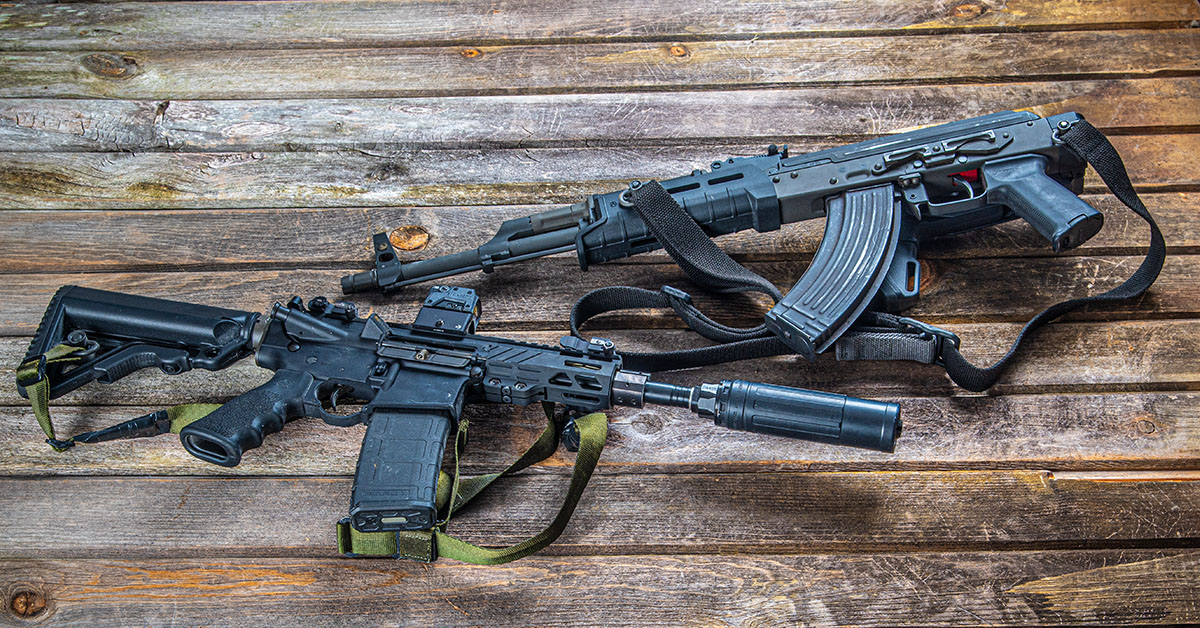
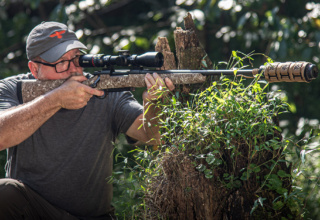
Whatever you decide, just remember that shorter and lighter are better. You want a long gun you can carry easily while toting a pack. You’ll also want something that is intended for defense. [If you want to pop that rabbit and cook it on a stick while living out some zombie apocalypse fantasy, go right ahead, but you can roll a rabbit with a shotgun or an AR; you don’t need or want that takedown .22LR. That’s just silly for this purpose.]
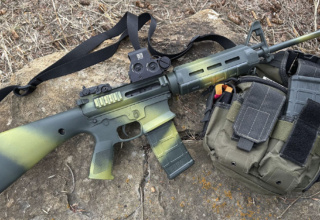
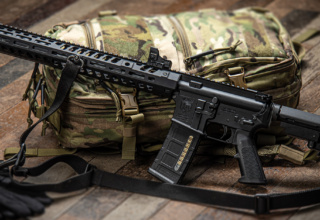
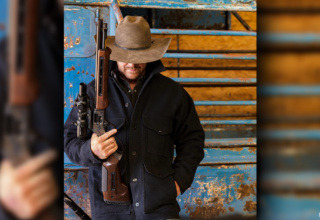
An AR-platform SBR, preferably in 300 BLK, is my preference, and a folding-stock AK will do nicely as well. Both are easily carried and as discreet as you can get in a centerfire rifle platform.
Medical
Refer, again, to Paul Markel’s article on civilian trauma medical kitting. This will give you a good starting point for developing your own kit. I keep mine in a zippered MOLLE pouch. The contents include a tourniquet, Israeli bandage, QuikClot, sterile pad, tape, triangular bandage, compressed gauze, gloves, compression wrap, nasopharyngeal, scissors, tweezers, safety pins, antiseptic wipes, Hyfin chest seal, emergency blanket, and assorted-size bandages.
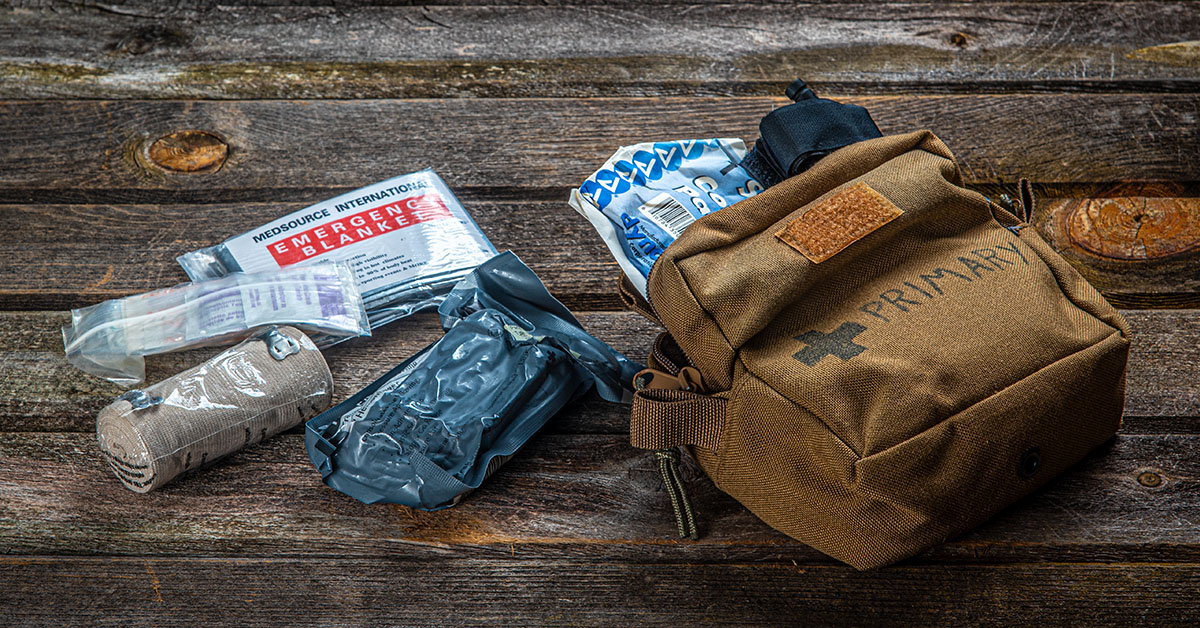
You can put quite a lot of med gear and supplies into a small pouch if you pack intelligently. Whatever the case, this is not a comprehensive med kit but a short-term, absolute essentials kit. It’s not too big and not too heavy, yet it has what you need for the most critical field trauma. With a pouch like this, you can secure it to the outside of your pack for fast, efficient access, which is exactly what you want.
Sustenance (Water)
Most of us can skip a few meals and be just fine. Dehydration, though, will take you down faster than you might imagine. Your kit must, therefore, include a means to purify and collect water from open-air sources (streams, puddles, lakes, ponds, et cetera).
You don’t need an elaborate purifying system for basic survival, nor do you want one because they are bulky and can add significant weight to your pack (especially those with ceramic filters).
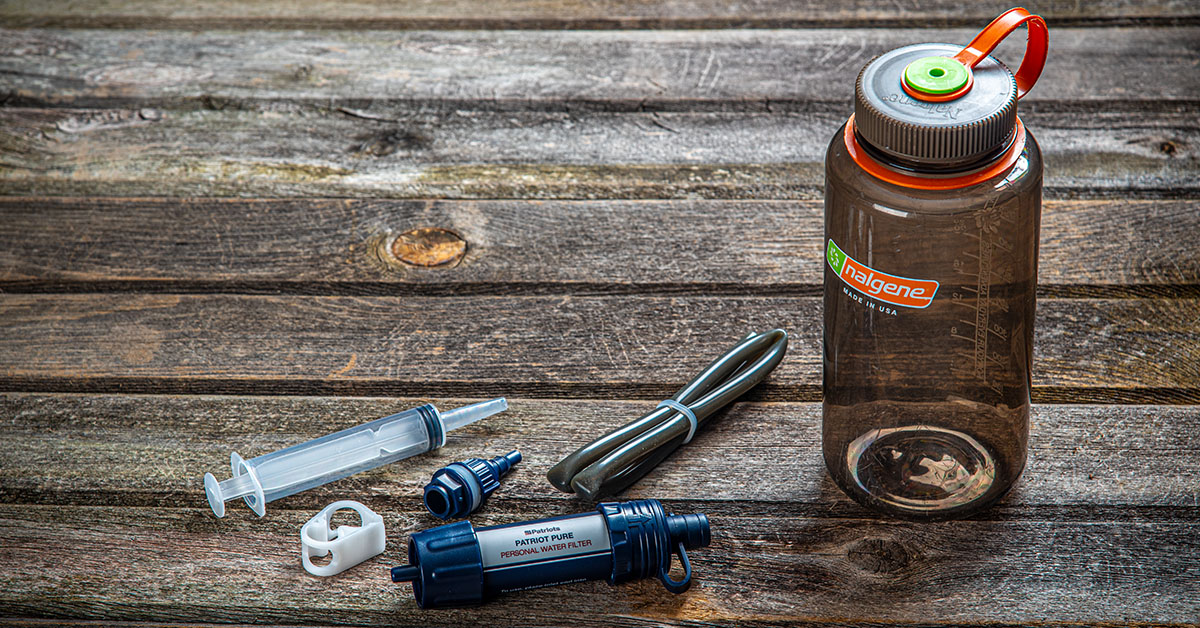
The Patriot Pure Personal Water Filter from 4Patriots is an excellent choice for a short-term survival kit because it is not only light and compact, it also offers three different means of clean water delivery. This system can be used like a straw, drawing water directly from the source and into your mouth; you can fill a standard water bottle with unprocessed water to the intake side of the filter and draw it through the filtered side; or you can deploy it as a gravity-fed filtration system to fill larger containers.
I keep a 32-oz. Nalgene bottle in my kit. The Patriot Pure can fill it up via gravity filtration, providing enough on-the-go water for drinking and for cooking a dehydrated meal.
Sustenance (Food)
Short-term survival is meant to be just that — short term — so don’t expect to be enjoying multi-course meals. You just need enough grub to keep you going until things settle out.
For years, I’ve relied on Mountain House individual dehydrated meals for that purpose. The meals weigh around 4-5 ounces and come in a resealable bag. You simply add hot water, wait for the contents to rehydrate, and eat. They taste great and stow easily into your pack.
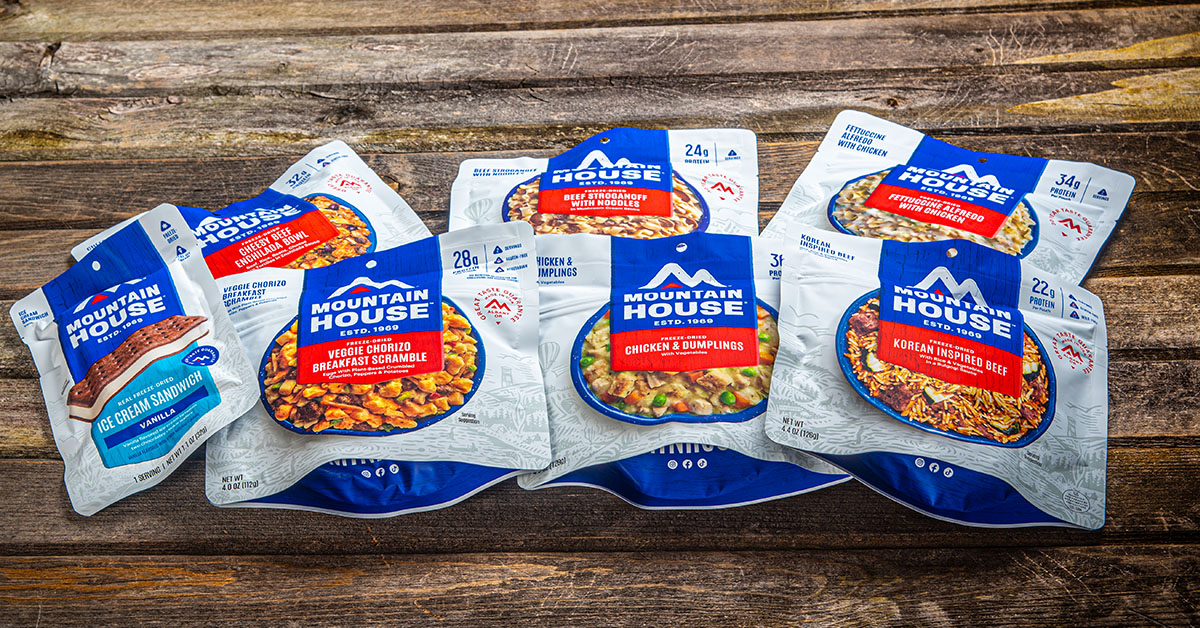
What I like about these meals for an on-the-go crisis is that you can stretch them out by eating just what you need to curb the hunger, then seal the bag and hit it again later.
Of course, hydrating a meal requires some tools. Here is the minimum I would suggest for your survival kit.
You need a container for boiling water. I use a 16-oz. stainless steel cup with a wire handle. I boil water for meals in it, brew coffee in it, and make my morning oatmeal in it.
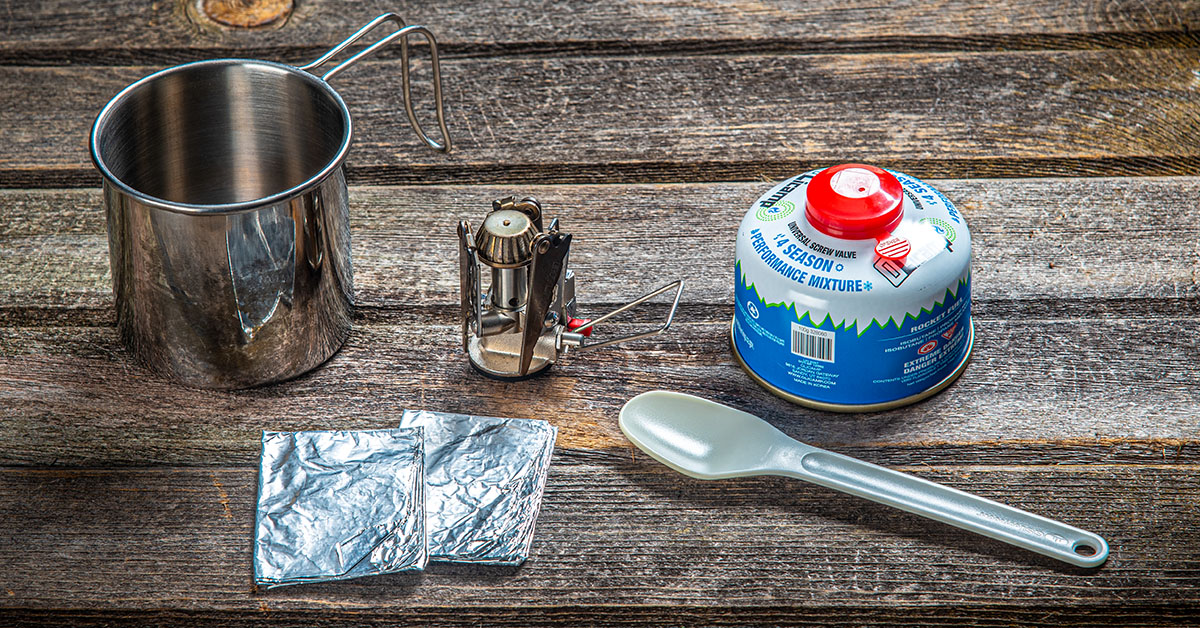
Heating tasks go to a small, single-burner stove that screws onto a can of isobutane/propane fuel blend. These provide instant cooking heat in any condition (you don’t want to rely on building a fire for your on-the-go meals).
Add in a spoon and your cooking and eating challenges are solved. I also keep a couple folded sheets of heavy-duty aluminum foil in my kit. You can find many uses for aluminum foil — from cooking and storing food to creating a heat reflector or a wind break for your stove.
Shelter and Support Gear
I’m not going to pretend to tell you, if you haven’t done it before, that camping rough is a fun and comfortable experience. It is not. What I want to get across is that you can stay functional — getting rest and stay alert and healthy enough to survive a short-term crisis — with a bare minimum of gear.
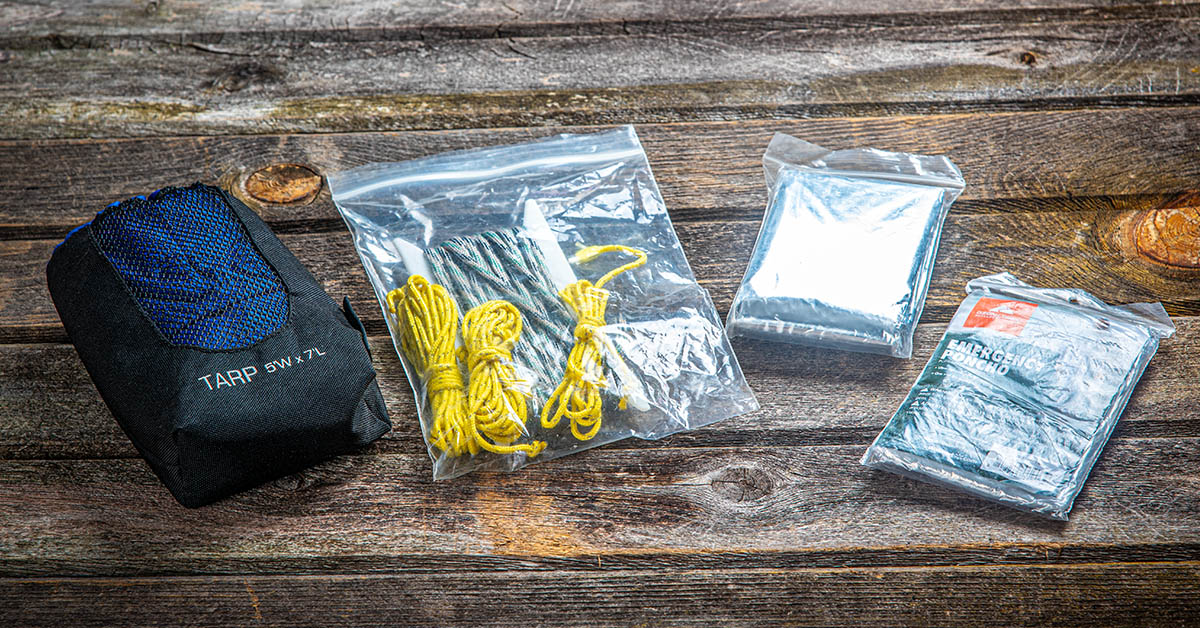
You need something over your head when hunkering down for the night. I’ve spent many nights under a simple 5×7-ft. pocket tarp. It can be configured in many ways to serve multiple purposes, like a ground barrier, a wind break, rain and dew protection, a tent, et cetera.
The key purpose of a tarp shelter is to keep you dry and warm. If you are wet and cold, your body and your mental health will quickly degrade at a time when you need to stay as alert and functional as possible.
A few nylon cords and some sticks are all you need to build a tarp shelter.
A couple kit add-ons that serve the same purposes of keeping you warm and dry include an emergency blanket (I’ve made tarp shelters out of these) and a cheap poncho to keep you dry if you are moving on foot.
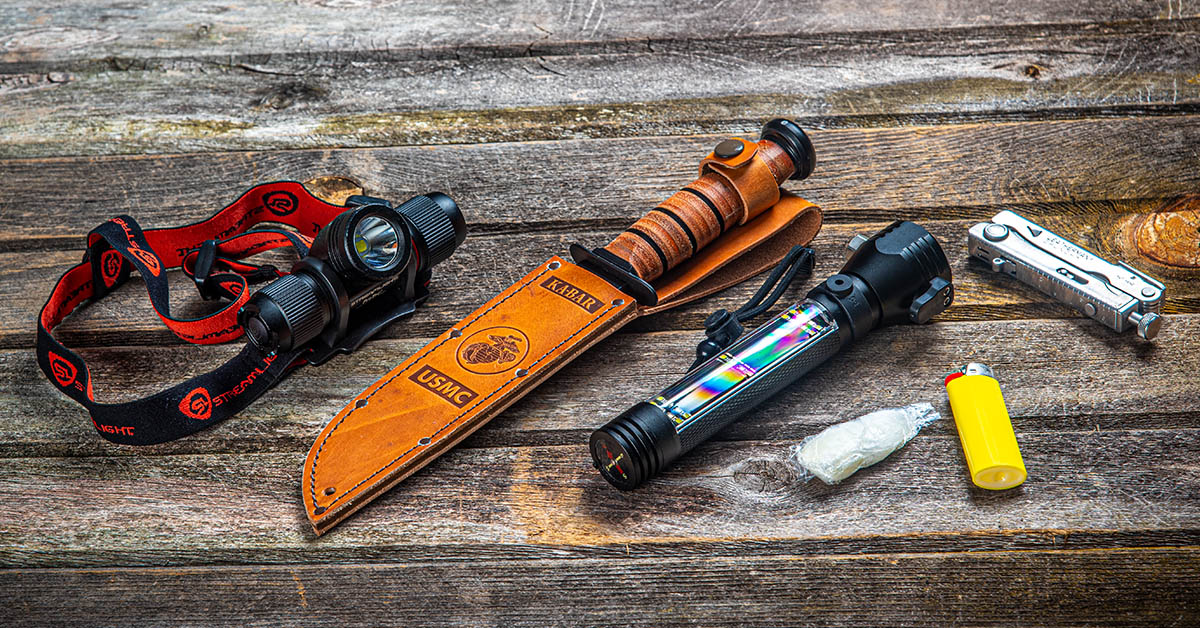
Support gear is equally minimal. For starters, you need a good cutting and chopping tool. Some would say this is a prime kit for a small camp axe.
I would not say that.
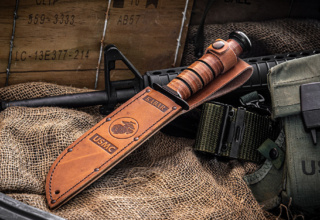
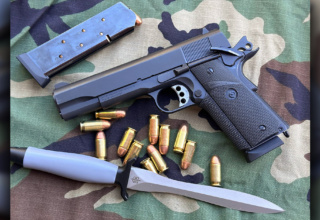
A well-made axe is an ideal tool to have, but it counts as unnecessary bulk and weight for the kind of kit we’re talking about. Better to go with a proven utility knife like the KA-BAR seen here. You can chop wood with it and cut whatever you need to cut with it. The pommel will also serve to drive your tarp pegs and uprights into the ground. It slips easily into your pack, or you can wear it on your belt (recommended) for quick access.
A light source is a must-have. One should be a headlamp to keep your hands free. The problem with most headlamps is that the batteries tend to peter out faster than I like, so a backup is recommended.
My kit also includes the 4Patriots’ HaloXT Tactical 9-in-1 Solar Flashlight shown here. As the name implies, you can charge it on-the-go via the integrated solar panels. It comes with a cord/seatbelt cutter, window breaker, compass, strap, and magnet, and the aluminum alloy case is IP66 rated for rain and snow use. A single button controls the multi-illumination main light as well as the side light panel (area illumination). The side light panel also has white and red light strobe functions for emergency signaling.
Other must-haves include a multi-tool and a lighter for starting a fire. Yeah, you can opt for a ferrocerium rod to start your fire, but that requires gathering or making good tinder — and you do not know if you will have access to such.
I prefer a reliable butane lighter and cotton balls soaked in petroleum jelly. Simply light the cotton ball and you have a solid flame for about 10-15 minutes. That’s plenty of time to ignite a pile of small, dry twigs and branches and to get a good fire going.
Communications
I put communications on the bottom of the list because, while you would certainly like to be able to contact family, friends, or first responders in a crisis, this is not essential for short-term survival, and it may be more than you wish to add to your pack. Further, everyone has a cell phone. Whether it will work where and when you need it to work is something you should consider.
That said, being able to contact others or to know what is going on in a crisis is desirable.
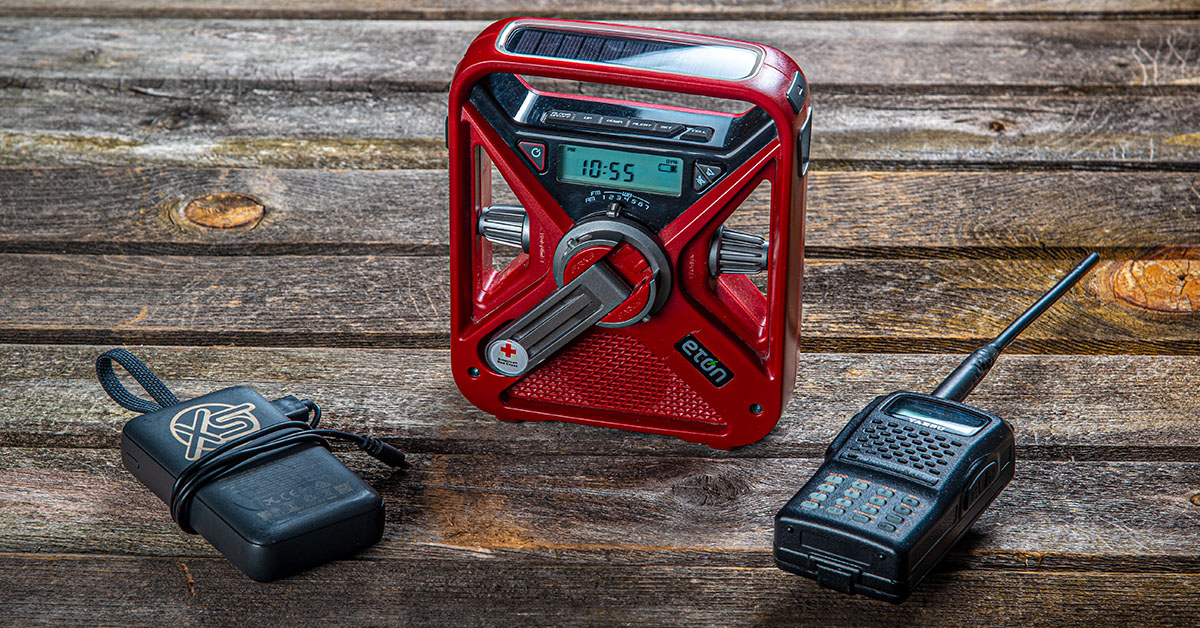
To keep your cell phone running, a hand-sized power pack is recommended. It may only give you a couple of recharges, but that’s still something.
A solar- or mechanical-generator-powered emergency radio is also something to consider…if you can manage it in your pack.
The best communication option for navigating a disaster is amateur radio. Amateur radio operations are controlled by the FCC and require participants to be licensed to exercise the privilege of transmitting on designated frequency bands. License applicants must pass a test covering basic radio communication and electronic theory before receiving any of the three license classes (Technician, General, Amateur Extra).
One of the most popular ham radio communication opportunities occurs on what is called the 2-meter band. This is a powerful line-of-sight frequency range that utilizes repeater systems that connect stations across a large region, or you can simply conduct one-to-one communications (simplex) at shorter distances.
As a ham operator, I have used small, hand-held 2-meter radios like the one pictured above while deep in the mountains, miles from civilization, to talk to other operators who were miles away.
If you are serious about emergency preparedness, amateur radio should be part of your repertoire.
Wrapping it Up
Now, all of that may sound like a lot of gear and supplies to stuff in a compact, on-the-go pack.
It’s not.
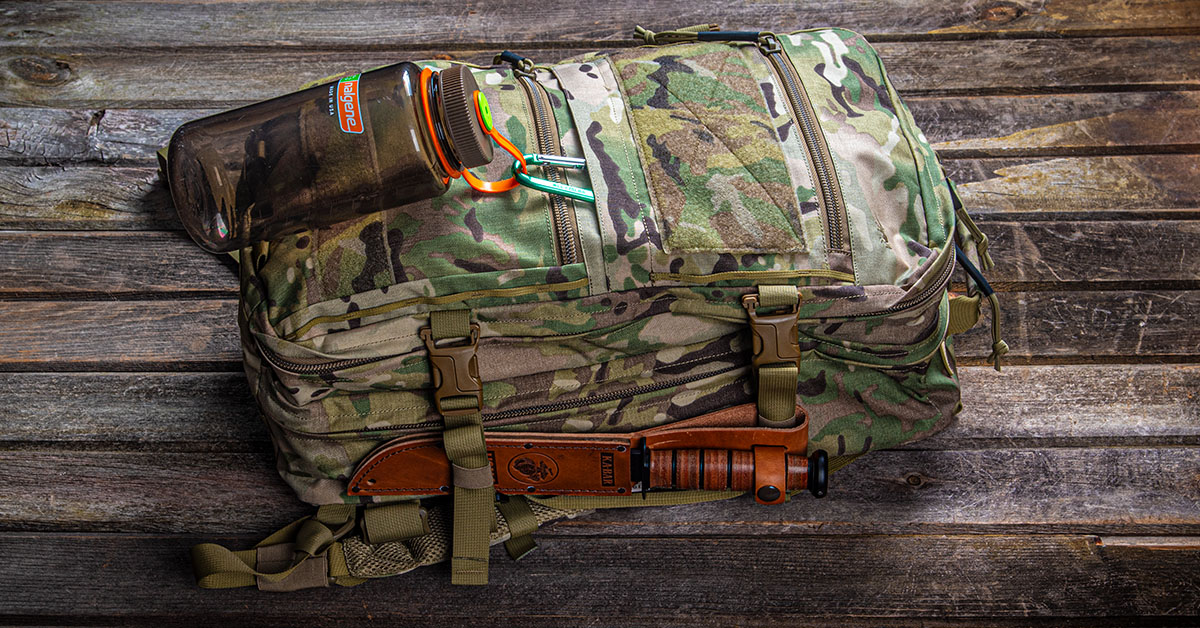
In fact, after packing all the above into the TT Modular Grab Pack, I have plenty of room and numerous pockets still empty. Could I add more? Yes. Would I? No. If I must truck it on foot for a day or two, possibly avoiding others by way of circuitous routing, less is more. I have everything I need to stay on the move or sheltered in place for three to five days in moderate-temperature climate conditions.
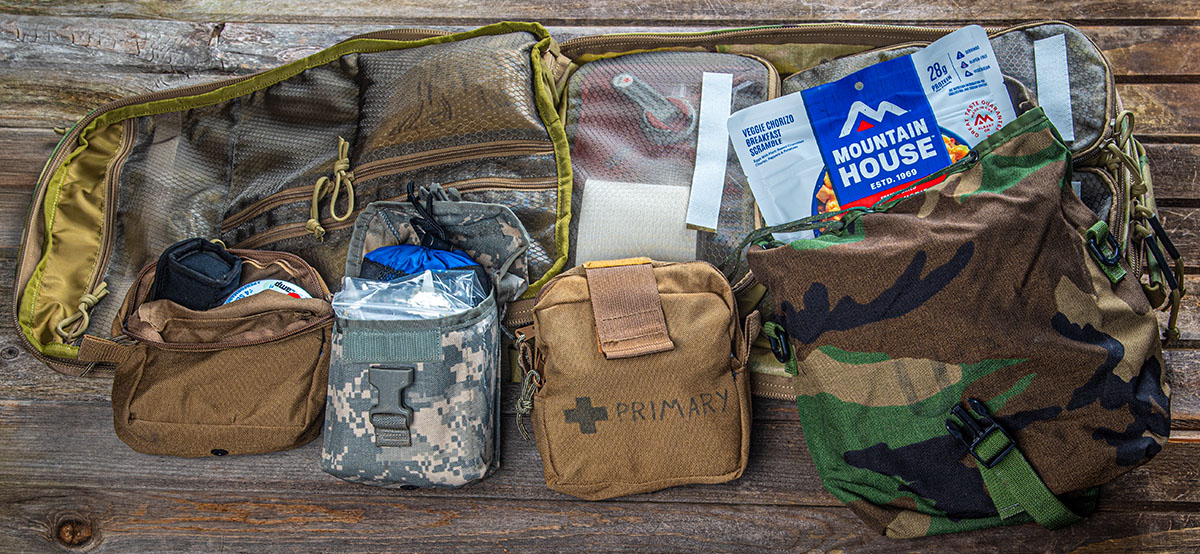
Key to all of this is not only learning to get by with the most basic supplies and gear, but also strategic packing. Nearly everything I pack stows in its own pouch — food in one, medical in one, water purification, shelter, and fire starting supplies in another, and so on. This keeps the pack organized and stuff is easy and quick to access without upsetting the entire pack.
A Home or Mobile Generator Option
The kit described here would serve an individual who keeps their pack in their vehicle or in the hall closet, ready for immediate home evacuation. It is designed for multi-day, on-foot survival.
But not all crisis scenarios demand such an austere approach.
Perhaps you must evacuate your home but will not require foot travel. Maybe you don’t need to leave your home at all — you just need to get through a widespread power outage caused by, say, a severe snow or ice storm, a hurricane, or the power grid is knocked out (pick your scenario for that one).
Something I recently came across and have been testing for a while is another product from 4Patriots called the AlphaCase Elite.
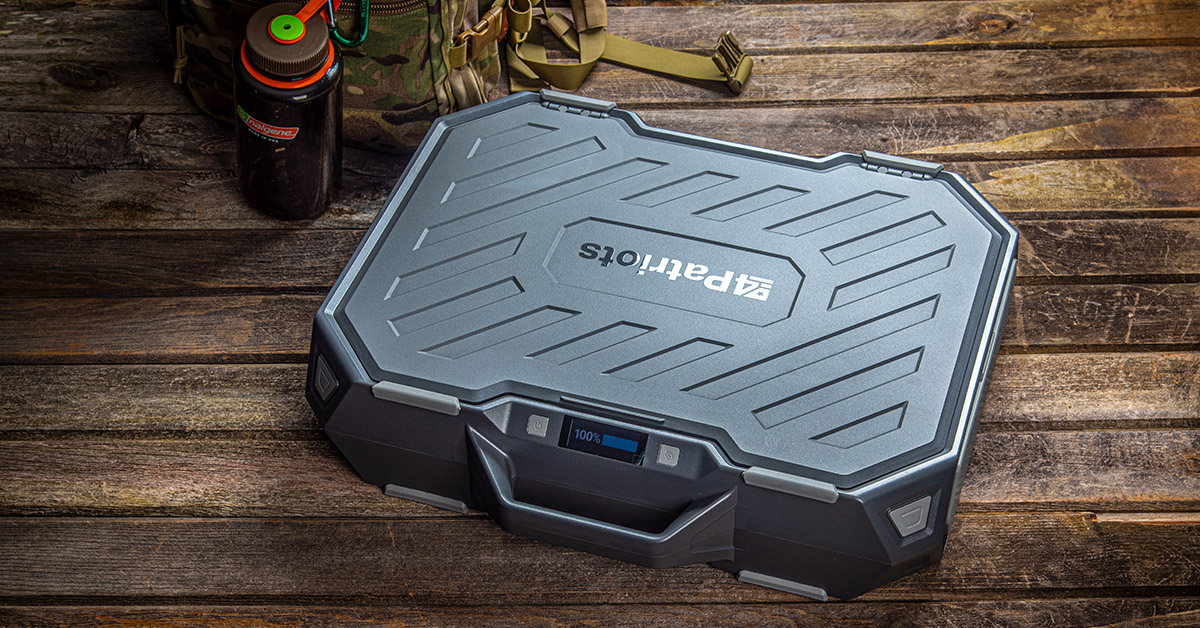
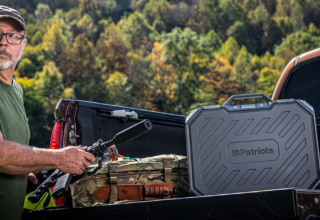
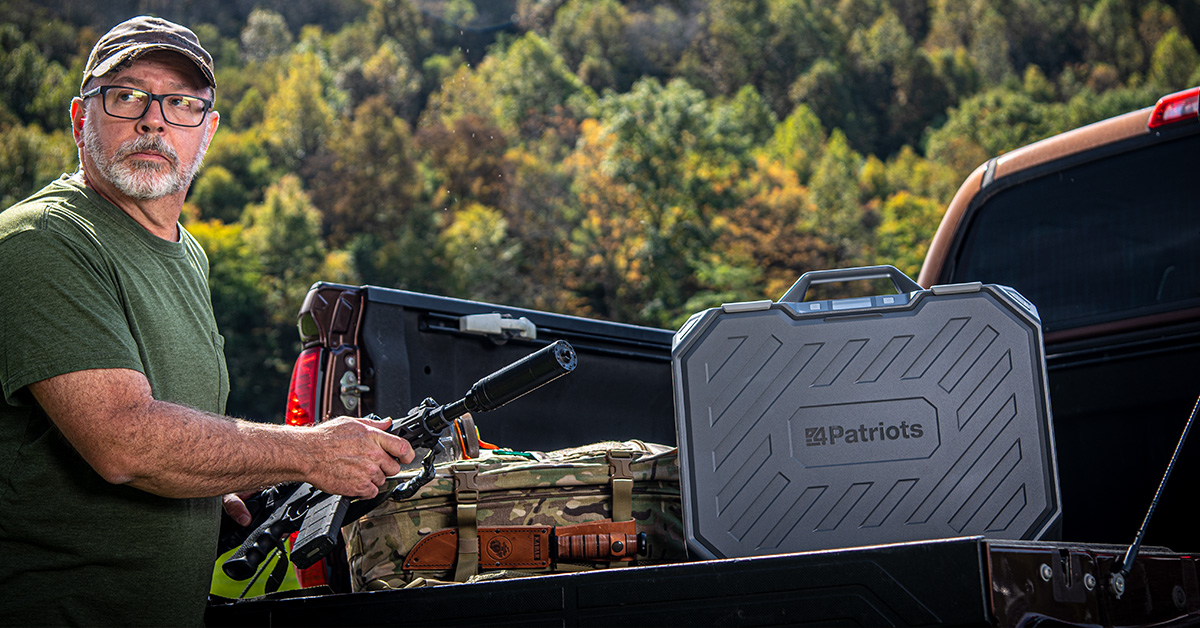
The AlphaCase Elite is a compact, mobile power generator that 4Patriots refers to as a “briefcase generator.” Its small size, relatively light weight (just over 27 lbs.), and carry-style design make it an ideal companion for your “leave the house now” kit because you can easily take it with you in your vehicle.
This is essentially a battery bank that can be charged either directly through AC plug-in or via solar panels. The unit boasts an 800-watt output and a 736 watt/hour capacity. No, you won’t run your house with the AlphaCase Elite, but it will provide you with the ability to run essential electronics (lights, phone charging, refrigerator/freezer, power tools, home security, computer/TV, satellite receiver, C-Pap machine, et cetera) in a crisis.
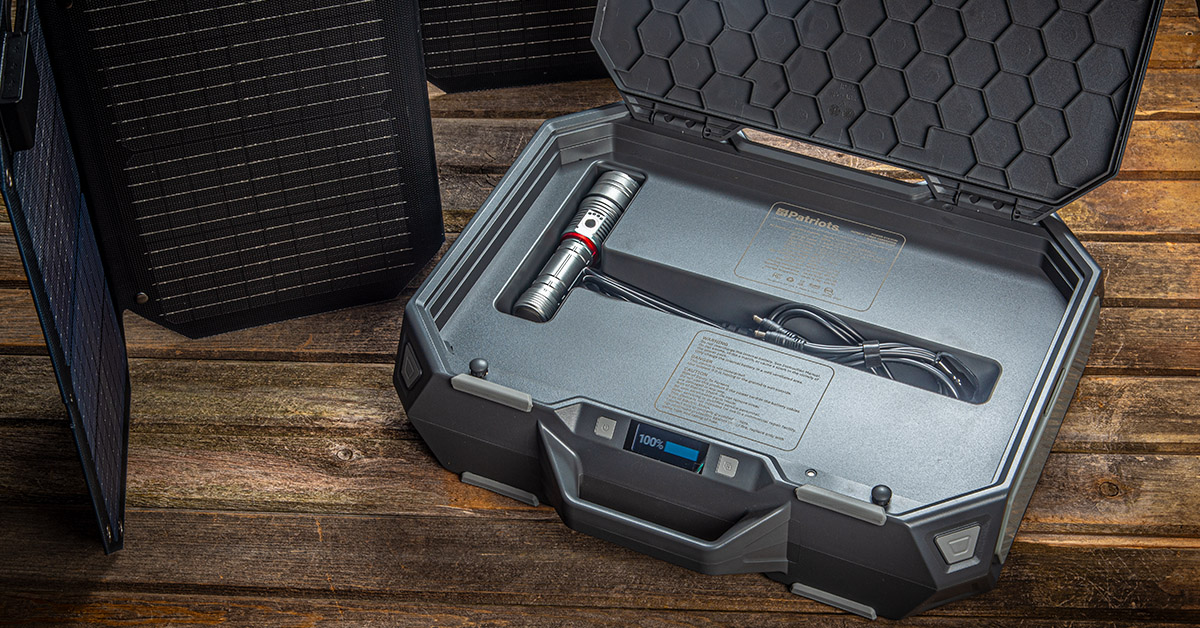
One of the really cool things about the AlphaCase Elite design is that it is completely self-contained and self-sufficient. Open the lid and you’ll find inside a 60W solar panel, charging cords (AC, DC, USB), and a rechargeable flashlight. The flashlight inclusion is a great idea because you know it is always there when you need it.
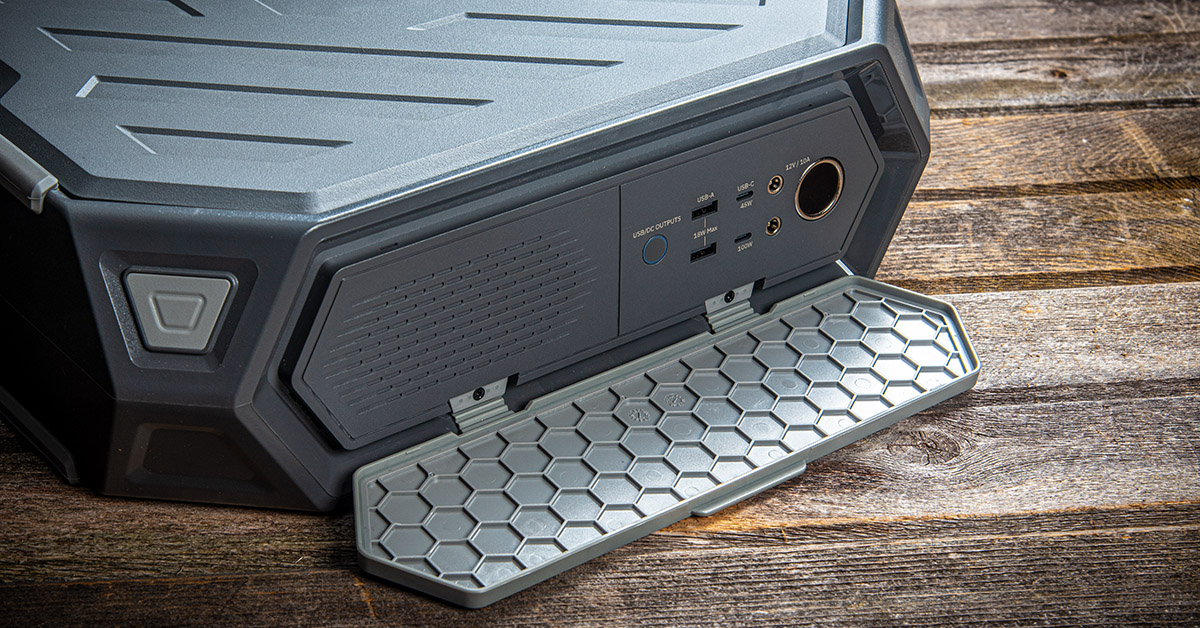
The right side of the case is where you’ll find the various USB/USB-C and 12V DC output ports. There are two USB outlets, two USB-C outlets, two 12V DC barrel outlets, and a 12V DC socket outlet. Once your device is plugged in, simply push the DC power button to engage.
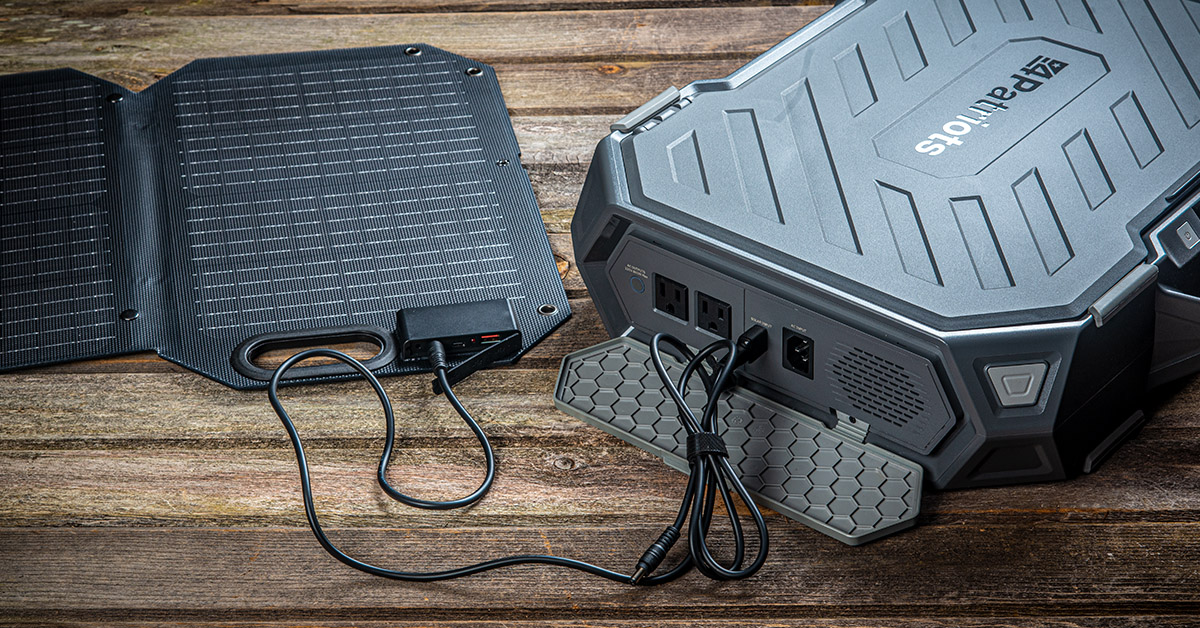
The left side of the case is where you can charge the system with the supplied 60W solar panel and DC power pole cord. This cord features two leads coming from the Anderson plug, which allows you to connect two 60W solar panels for even quicker recharging of the power bank.
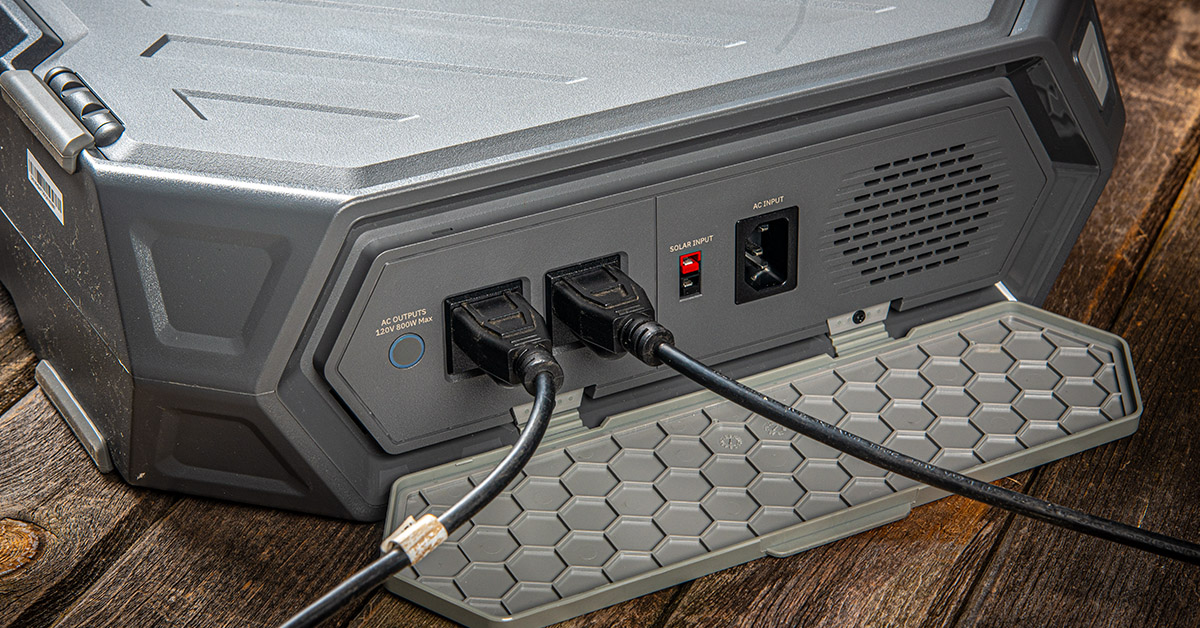
For higher-amp power needs, the AlphaCase Elite offers two 120V AC outlets. Here is where you’ll power your typical plug-in items such as lights, computers, power tools, or other essentials. The maximum continuous output capacity of the battery and inverter combination is 800W. More than that and the unit will automatically shut off the AC ports to prevent damage.
The AC charging port (110V-240V) is also located on the left side of the case. The charge time from depletion is one hour, according to the manufacturer. I’ve never let the unit completely run down, but I did time a recharge from 60% to 100%, and it took 26 minutes, so the one-hour rate seems about right.
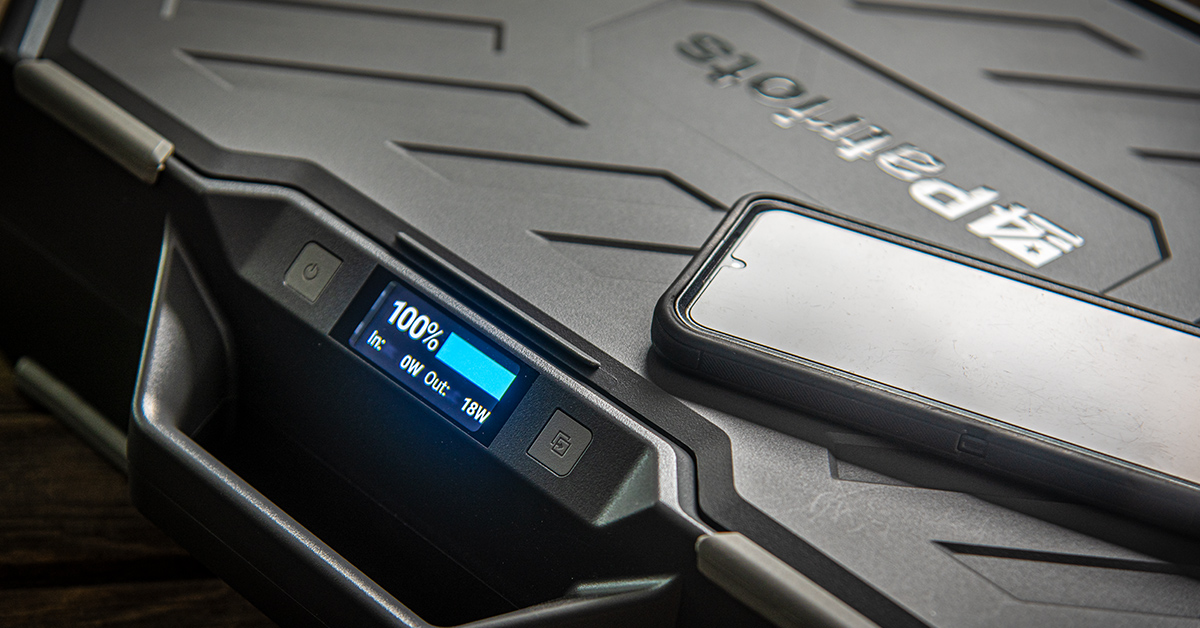
The interface panel at the front of the AlphaCase Elite has an on/off button, an LCD display screen, and a screen toggle button. From here, you can monitor several functions. The home screen displays the percentage of battery life. The charging screen (seen here) shows the remaining battery life plus the charging input and usage output in watts. My phone is showing an 18W draw.
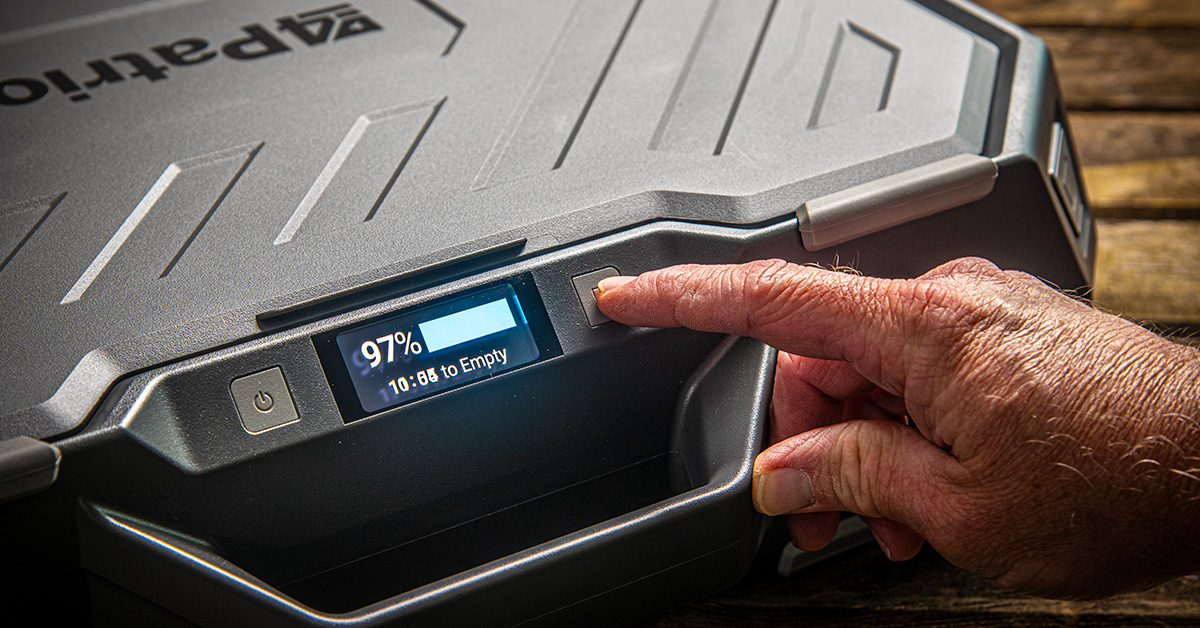
You can also toggle to the usage screen. This gives you the percentage of battery life as well as the estimated time to empty. That is a welcome feature because it allows you to better estimate your electrical reserve relative to your output needs so you can adjust usage accordingly.
Overall, the AlphaCase Elite is a perfect mobile power solution to take with you in the event of a home evacuation scenario. It also can serve as a critical power source that will get you by in the event of a sustained power outage.
For those of you who do not have or are not able to use a whole-house, multi-fuel generator, this is an option you should consider. You can go to the 4Patriots website to learn more about this and other solar power generators the company offers.
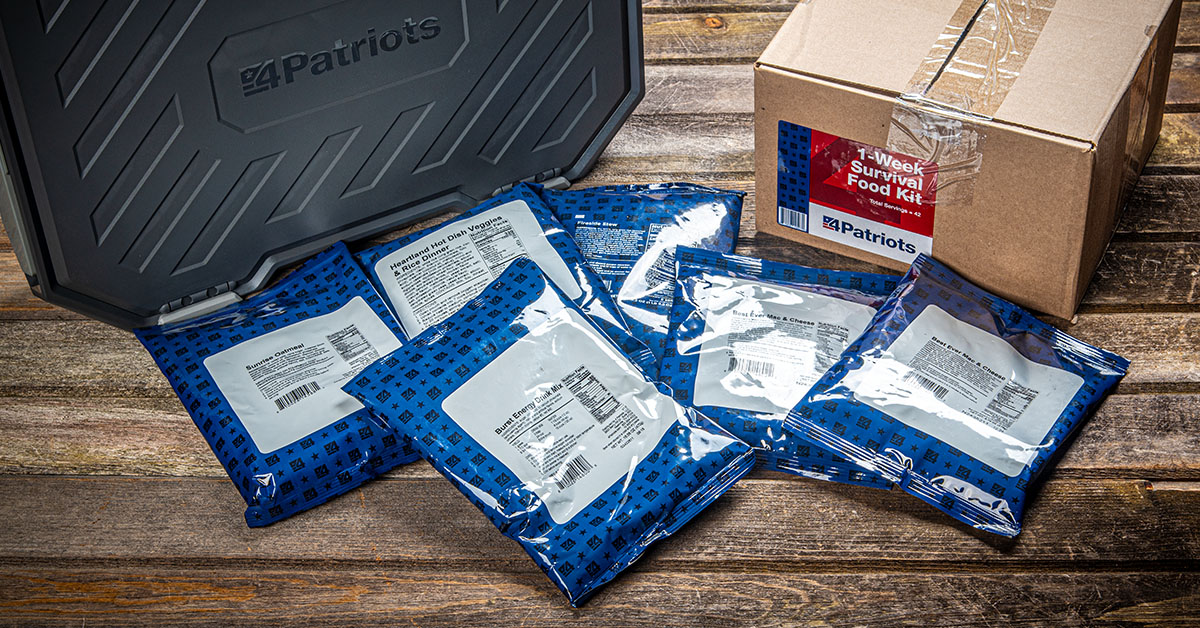
And while you’re there, check out the company’s full line of emergency preparedness supplies and equipment. One of their specialty lines is emergency food kits. While you can purchase these meals individually, 4Patriots also packages mixed meals as time-based kits (e.g., 72-hour, 1-2 weeks, 1-3 months, 1 year).
Unlike the meal-in-a-pouch you want in your on-the-go survival pack, the 4Patriot dehydrated meals are best for shelter-in-place scenarios, as they require a higher volume of water pot cooking to prepare. I would consider these as emergency backup meals for a family unit.
Wrapping it Up
The takeaway I want to impress upon you from all we have discussed here is this: discard any lone survivor, bugout fantasies you may have and concentrate on reality scenarios when developing your personal or family survival kits. Your goal is to reach safety and security as quickly as possible, not to play out a long-duration survival adventure. You want and need only what is necessary to get back home or to leave home and reach safety as fast as possible. That means considering realistic scenarios and keeping the gear you need to achieve that goal to a bare minimum. Should you have to go it on foot, extra ounces in a pack will equal pounds of regret in short order.