Don’t get muddled by marketing ploys and clueless influencer types. Real fighting EDC handguns should meet these five requirements…
by Paul G Markel
Recently, the algorithm fed a story into my media feed entitled “Best Concealed Carry Guns for 2026.” I gave it a once-over and was not surprised to see that it read like a list of the top advertisers for the digital gun magazine in question.
The article read like the accolades bestowed to members of the Senior Class. Only instead of Most Likely to Succeed, Class Clown, Best Dressed, or Most Athletic, the categories were Overall Pick, Runner Up, Best Classic, Best Revolver, et cetera. Yet rather than getting into the down and dirty, nitty-gritty of what is involved in a concealed carry self-defense shooting, the author wanted to talk about things like grip angle, trigger feel, optics-ready, how many magazines shipped with the pistol, and so on.
I shared the link to the piece with our benevolent editor, and we decided to do a Top 5 Requirements for EDC Guns and then consider which factory guns meet the criteria. And so, without further delay, let’s get into it.
The Goal
Before any discussion of hardware or features, we need to apply some intellectual honesty and consider just what our goal for an everyday carry (EDC) handgun happens to be.
First, what we have witnessed, thanks to the never-ending narcissism of social media, is that the goal for far too high a percentage of gun buyers is to show off their EDC gun while manipulating it from behind the steering wheel of their car or truck.
If you are in the habit of whipping out your blaster while seated in your car in order to snap a daily #EDC pic for your Instagram account, stop it right now. Your habitual gun fiddling is eventually going to send you to the hospital or the morgue. Every time I witness someone needlessly muzzling both femoral arteries so they can take a picture for the “gram” I want to puke.
Our goal of carrying a handgun, habitually, every day, even though we don’t plan to use it, is no different than keeping a trauma kit and a fire extinguisher in your truck. You don’t plan to use them, but you will be exceedingly happy to have them during a crisis.
Handguns are the least effective man-stoppers when it comes to firearms, but they are the most convenient to carry.
When I went through the police academy decades ago, one of my firearms instructors put it this way, “If you know you are going to a gunfight, you’d be an idiot not to grab your shotgun.”
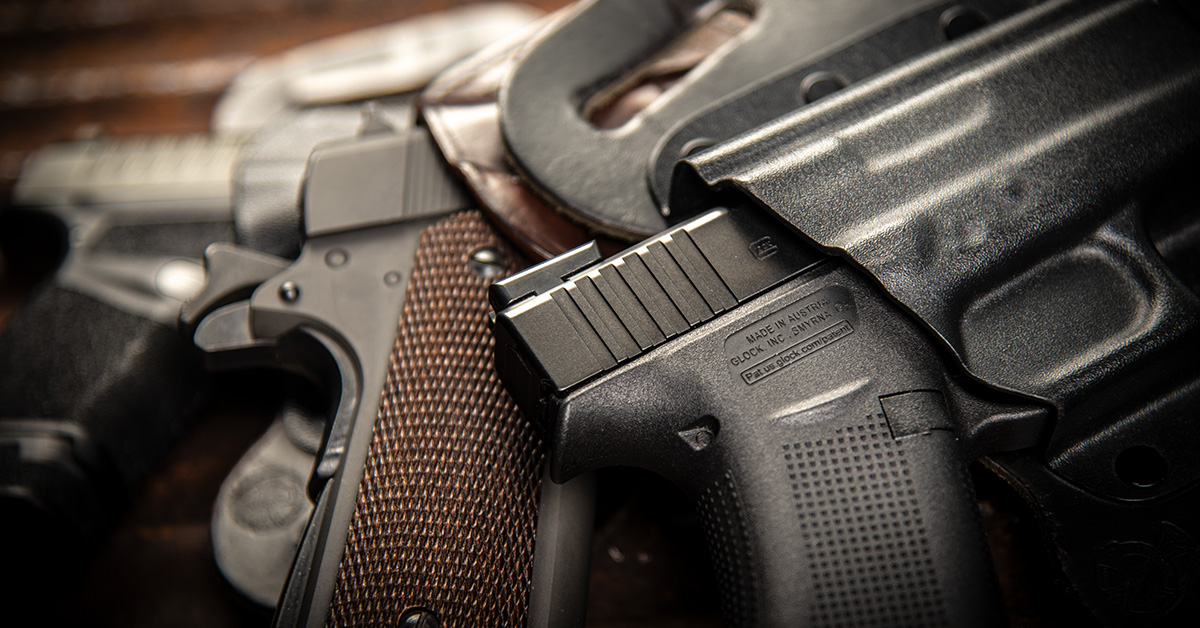
That being said, with the limitations understood, a good handgun is far more effective than harsh words, pepper balls, or a rape whistle when facing an unexpected lethal threat. Deadly force is defined as: “the use of or threat of force that could result in death or serious bodily harm.”
Death is easy to define; it means to assume room temperature. But what about serious bodily harm? “Serious bodily harm means bodily injury that creates or causes serious permanent disfigurement, protracted loss or impairment of the function of any bodily member or organ, or creates a substantial risk of death, prolonged hospitalization, and rehabilitation.”
If someone threatened to “break your kneecaps” with a baseball bat, that would not likely kill you, but it could/would cause permanent disfigurement and loss of function. A slap in the face does not qualify as deadly force, but a claw hammer to your head does.
We carry our EDC handgun as a tool to STOP a person from committing a violent felony on us or other innocent people who cannot protect themselves. Part one of the stopping part could be the presentation of our handgun and a determined desire to use said firearm. We cannot bluff dangerous felons. If they think you are not serious about pressing the trigger, they’ll take your gun and kill you with it.
Part two of the stopping portion is inflicting injury to your attacker, which might not necessarily be immediately life-threatening. Nonetheless, the realization that they have been injured forces a psychological desire to flee. Both part one and part two involve the attacker psychologically surrendering. This is not to be confused with “shoot them in the leg” or “shoot the gun out of their hand.” We always attempt to put our rounds up into the thoracic triangle.
The most dangerous felon is a Type 3 — one who does not fear the sight of a gun and is determined to carry on their deadly attack regardless of injury. In that case, only a physiological stop will end their assault. As mentioned before, compared to rifles and shotguns, handguns are the least likely to get that job done. It’s not impossible, it just requires more effort, determination, and rounds.
We just watched a body camera video that showed a police officer firing a half dozen rounds into an armed suspect who was seated in his car from about three yards away. The suspect, unphased, continued to fight and got out of the car and charged the officer. Uneducated commenters were shocked that a trained police officer could miss from such a close distance. The reality was that the officer had not missed his attacker; his attacker had decided to keep fighting regardless of the injury from the officer’s bullets. In that case, the armed felon eventually went down — the key word being eventually.
Now that our goal for carrying a self-defense handgun has been established, we can better evaluate the potential tools for which we can accomplish our mission.
Goal Number 1: Reliability
Regardless of the name on the side of the gun, the most important trait of an EDC gun is reliability. While that might seem obvious on the face of it, 100-percent reliability has not always been the case with out-of-the-box factory pistols.
For a while, I was conducting one-day concealed carry classes, where folks brought in the guns that they’d kept on the nightstand next to their bed, dropped into their purses, or shoved into a pocket “just in case.” Many…not all, but too many…of the students moved on to the live-fire portion of the course and could not get their self-defense guns to cycle two or three rounds without a stoppage. One woman brought a revolver that was so badly out of time that she had to pull the trigger three times to get one shot to fire.
The great news is that modern firearms manufacturing is at its zenith. Rarely will you discover a reliability issue with a newly made handgun; however, that does not relieve you from the responsibility to get training and confirm that the gun is dependable under all circumstances.
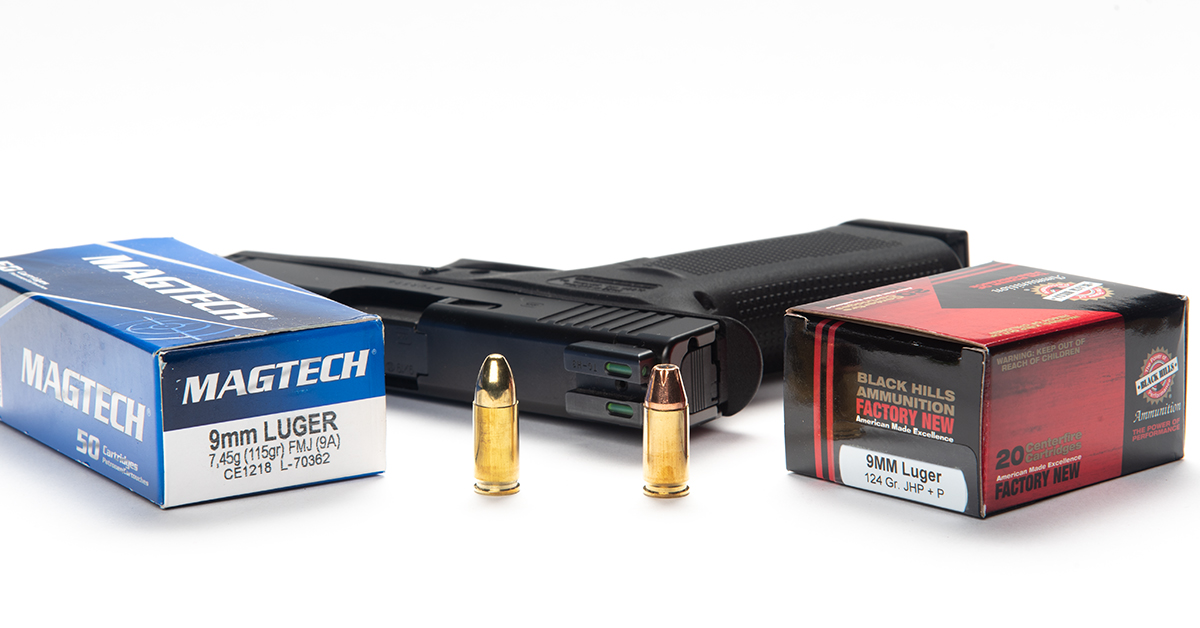
Additionally, part of the reliability test is to run the ammunition that you will be carrying for self-defense through the gun. Some folks do all their training with full metal jacket ammo but never run the controlled-expansion rounds in the gun because “it’s expensive.” You know what else is expensive? Three months in the ICU is expensive. Funerals are expensive. Budget an entire box of your super-stopper, depleted-uranium ammo for reliability testing.
Another undeniable truth of fighting handguns is this: the more aftermarket parts you install in them, the less reliable the gun becomes. That’s not my rule, that is reality. If you want to make a factory gun less reliable, start swapping out parts.
Goal Number 2: Ambidextrous Function
You must be able to run the handgun with either your dominant hand only or your non-dominant hand only. It has been in the last generation or so that firearms makers have stopped building handguns that are dedicated to “righties” and only work well when you put both hands on them.
Lethal force encounters are hyper-violent and ugly. During the infamous FBI Miami shootout, eight of the ten participants received gunshot wounds to their dominant hands, arms, or shoulders. If your dominant hand is injured, you cannot call “time out.” You must finish the fight or it will finish you.
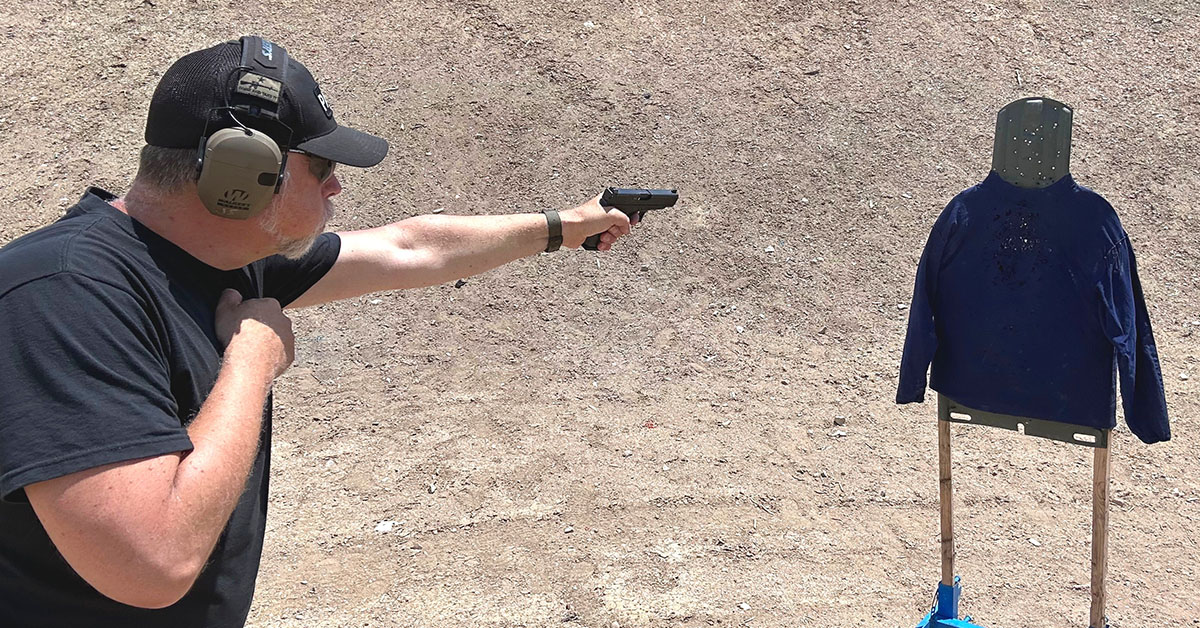
Of course, shooting a handgun with a single or non-dominant hand requires dedicated training and a desire to practice that way. You might not need to use your non-dominant hand, but having to do so should not be a death sentence because you cannot make the gun work or hit your attacker. As a bonus, the more you shoot with your non-dominant hand the better your overall physical coordination will become.
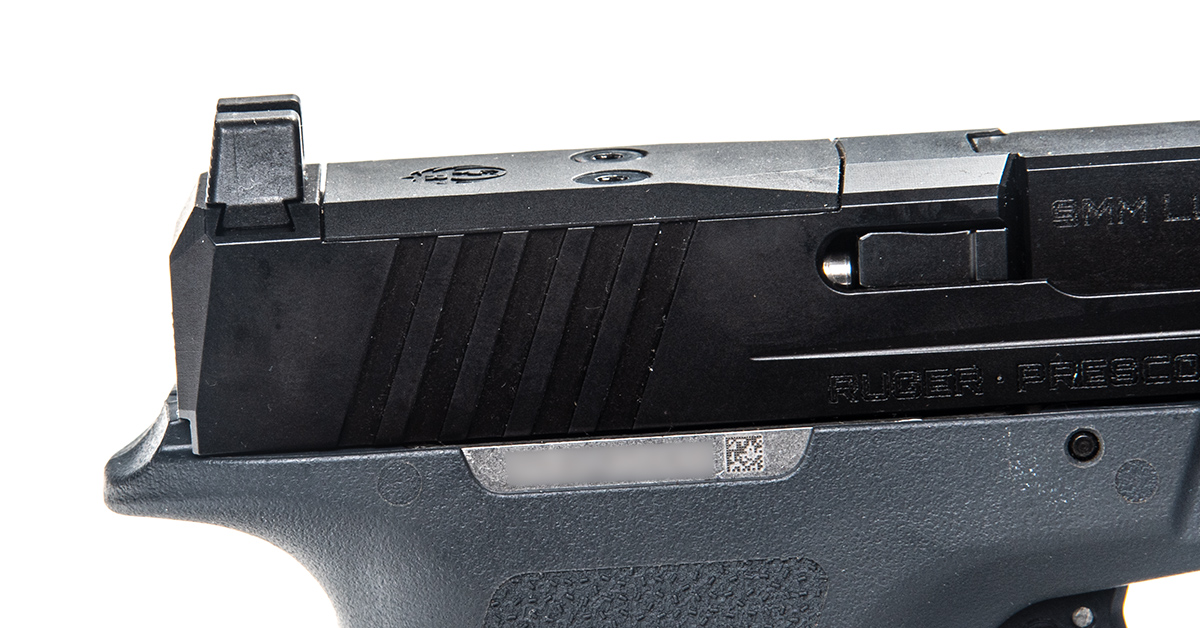
Running a semi-automatic handgun single-handedly requires an ability to clear stoppages or reload using only one hand. The preferred method for running the slide single-handed is to catch the rear sight on a belt, holster, or something in order to manipulate it all the way. If the rear sight on your semi-auto is sloped, snag-free, or beveled/rounded so as to prevent such manipulation, that is not a sighting system built for serious work…it is for toys.
Goal Number 3: Accuracy
Once more, we have good news in this category. Modern factory barrels are made with such precision and quality control that the gun that comes out of the box has more inherent accuracy built into it than 99-percent of the hands that will hold them.
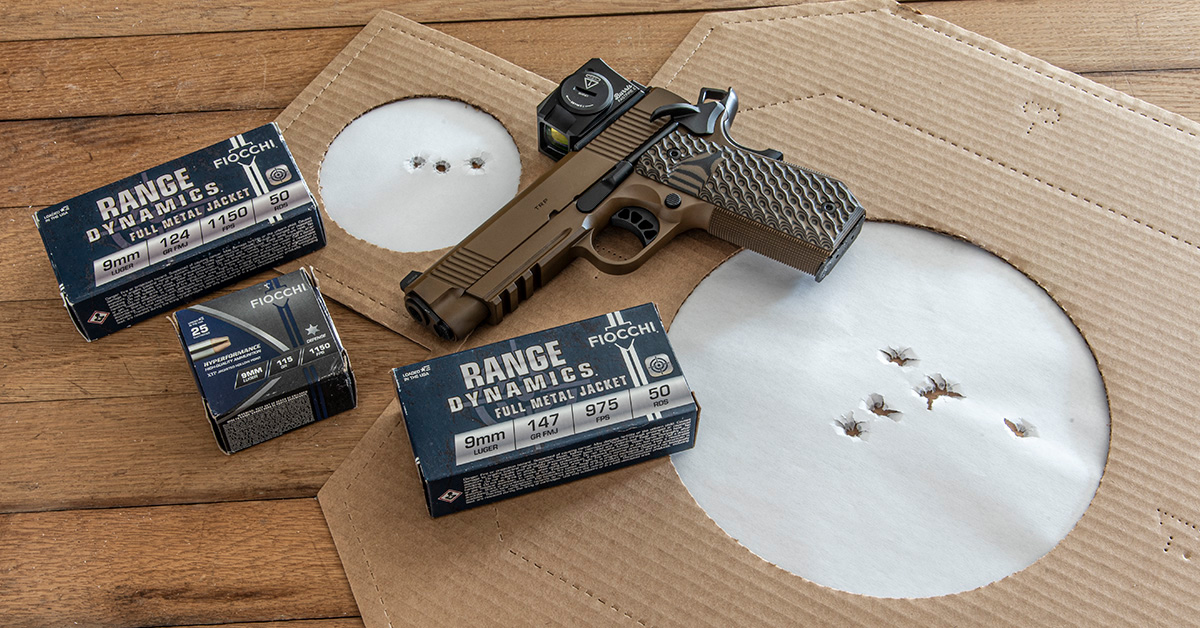
Regarding your ability to hit a human-sized attacker on demand, regardless of the circumstance, is the true “X factor.” People always want to blame the trigger, the sights, or the grip angle for their inability to hit the target. Going back to my Marine Corps days, our Primary Marksmanship Instructor opined, “It’s not the dope on the rifle, it’s the dope behind it.” We were hitting human-sized targets at 500 yards with MILSPEC triggers and iron sights.
Regarding the expressed opinions of some that a short barrel is “not accurate enough,” we recently conducted a test with barrels as short as 3.1 inches. From 21 feet, we put five rounds into a tight cluster that measured 0.67 inches across with the shortest barrel. Yes, certain loads print better in certain guns, but we are talking about fractions of inches.
Goal Number 4: Ports and Comps on Carry Guns
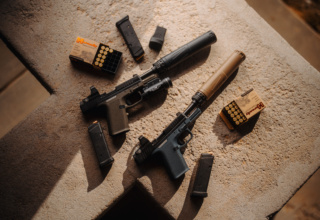
As this is a “requirements” review, we should also discuss certain things that are required to NOT be on a serious EDC gun. These prohibitions include the latest trend to drill holes in perfectly good barrels and to attach “compensators” to 9mm and .380 ACP pistols, both perfect examples of non-serious buffoonery.
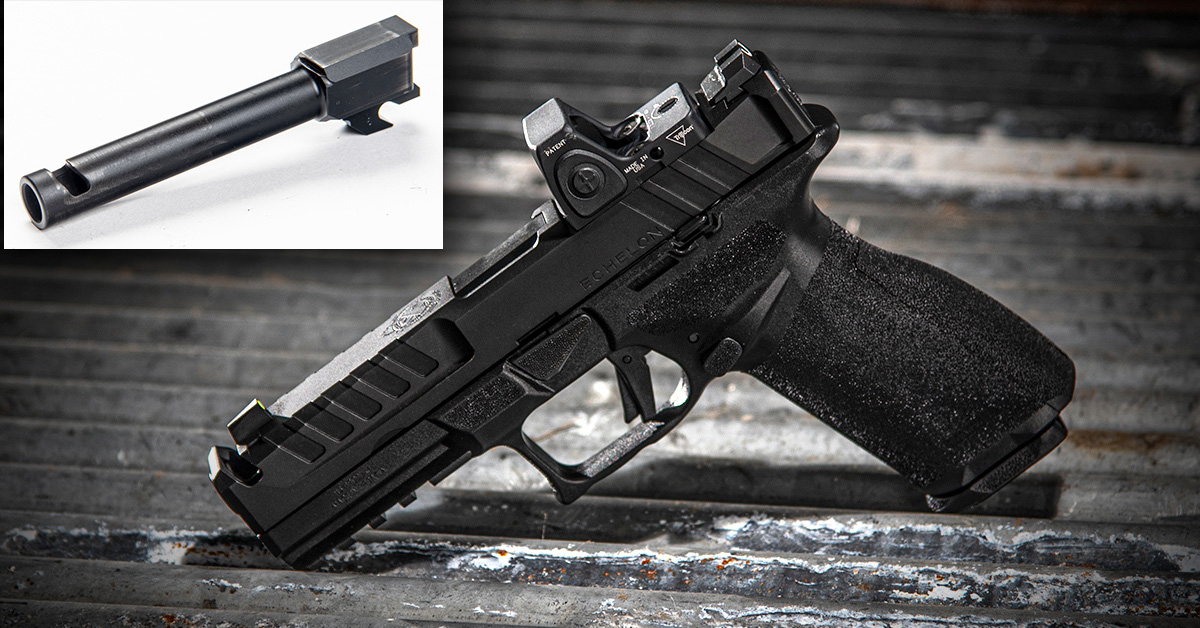
First, ports and comps, rather than allowing the burning propellant gases to be directed in the direction of the target, instead vent them up and into the field of view of the shooter. You never notice on a sunny day, but we cannot guarantee that the fight for our life will be outdoors under sunny skies. At least 50-percent of lethal force encounters occur during hours of darkness or in what is called “diminished light circumstances.” Blinding yourself with the flash of your first shot is not the preferred way to begin a gunfight.
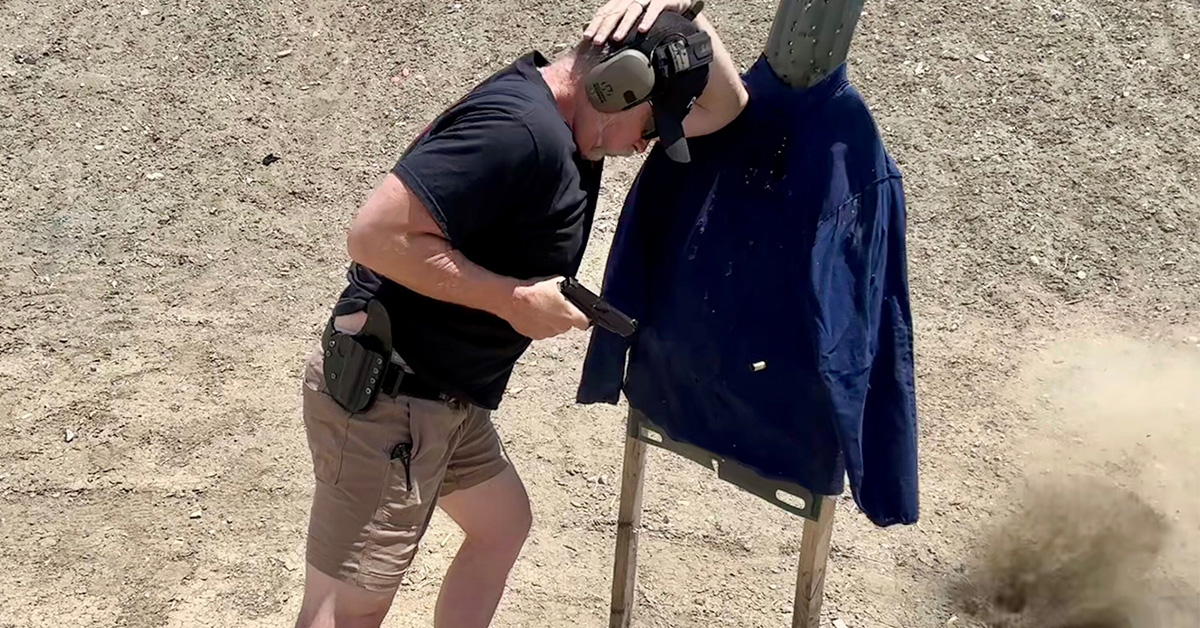
Second, real life and death encounters can and do require defenders to take shots from what we refer to as a “retention” position — the gun is tucked back close to your body. We have discovered that it is not just the propellant gas that is coming out of the ports and comps, but also micro fragments of the projectiles tend to escape from the drill holes in the barrel.
During one training course, a student received a cut on his cheek from exactly that. He was lucky. A hot fragment to the eyeball would have ruined his day and many days in the future.
Also, if you are struggling to maintain control of your handgun by using your support hand and the burning gas coming out of the multiple holes in the barrel goes into your hand, we have yet another form of self-inflicted injury. A lethal force encounter is already a bad enough situation without inflicting injury on yourself.
Goal Number 5: Superfluous Holes Carved in Slides
As stupid as putting ports and comps on self-defense guns is, the modern trend of carving “viewing holes” into perfectly good slides is another sign of non-serious behavior. If you habitually carry a handgun, 365 days a year, even a standard firearm will need to be cleaned regularly to remove unwanted dirt, dust, and debris that always seems to find its way inside.
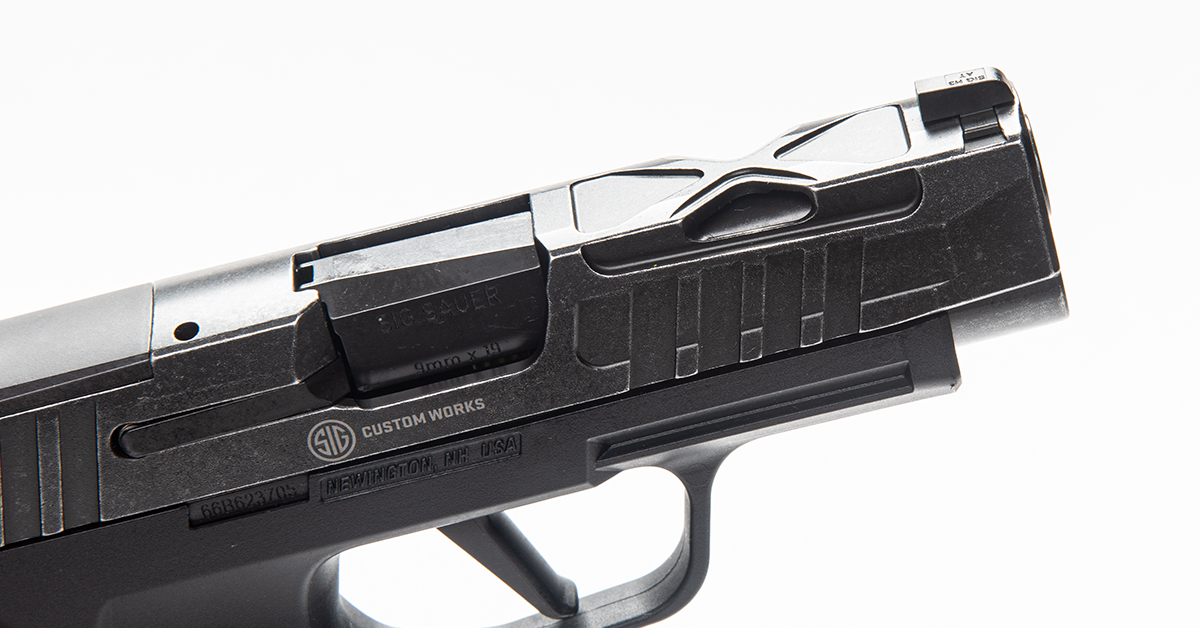
One student came to us with the complaint that his pocket gun was “jamming” all the time. We disassembled it and found the aforementioned three Ds had built up to the point where the action was being hindered by the crud. After a thorough cleaning, the gun ran fine.
Bottom line: carving witness holes in a slide so you can see your barrel offers absolutely zero practical or tactical advantage in a fighting handgun. Gun companies do it for aesthetics, so it looks cool in Instagram photos. Carrying a self-defense gun with deliberate holes carved in the slide is amateurish and another sign of non-serious behavior.
Bonus: Steel Sights or No Plastic Sights
Plastic sights have no business on a serious fighting handgun. Glock pistols are the ultimate in reliability department and their generic plastic sights are garbage. We have seen the plastic rear sights pop out from one-handed slide manipulation. The front sight is waaaaaay too low/short, causing shooters to always shoot high beyond close ranges. The plastic front sight on Glocks will come out and go bye-bye if you engage in realistic training with them.
The other plastic sights are the super-cool fiber optic sights in multiple colors that really stand out when you hold the gun in your hands at the gun shop. Fiber optic material is brittle and fragile, and it always breaks when used. It might not break today or tomorrow, but if you train with your fighting handgun and practice regularly, there will come a day when you look down the slide/barrel and all that will be there is the empty frame where the fiber optic rod used to be.
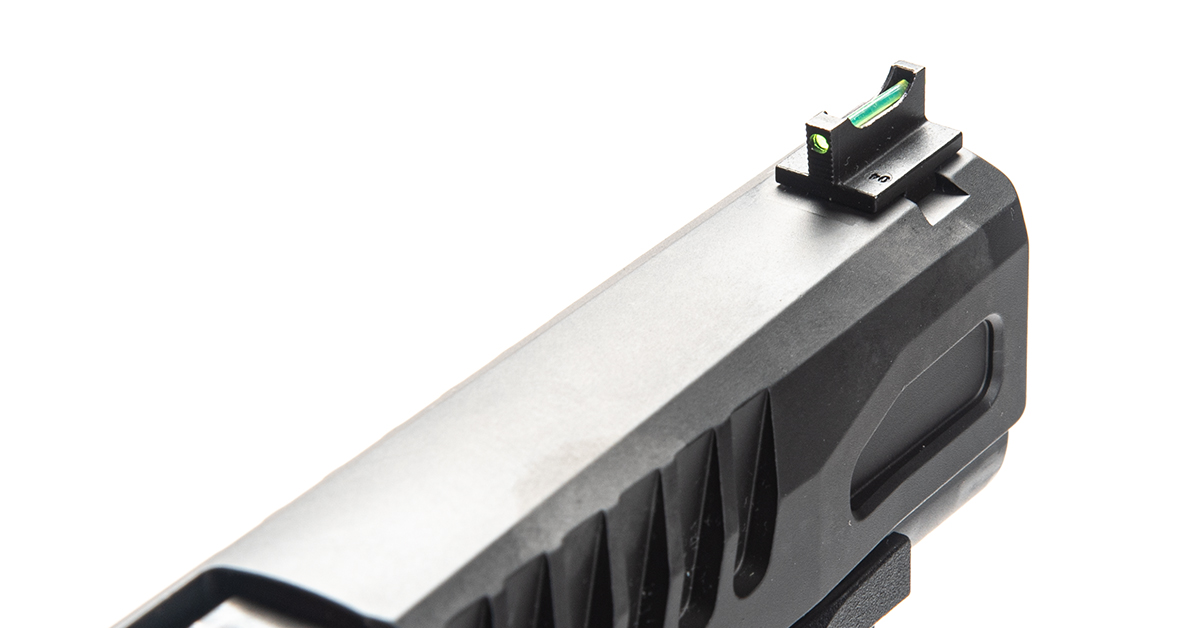
I know you are asking, “If plastic sights suck so bad, why do gun makers put them on their handguns?” Reason #1: plastic sights are cheap to manufacture and cost the gun maker pennies to install. Reason #2 is that the gun makers are betting that you are going to spend more time looking at your gun than you are going to spend shooting it.
If you have a gun with plastic sights or stupid “snag-free” sights, Night Fision makes genuine steel sights that are robust and offer you a bright, easy-to-find reference point. Also, installing good sights on a gun does not hamper its reliability.
Guns That Meet the Criteria
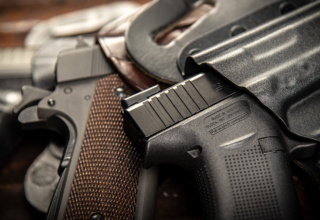
Despite what the “influencers” might attempt to convince you, there is nothing wrong with the Glock handgun (minus the sight issue). The Glock 48 9mm pistol in its “slim” configuration is a fantastic carry pistol.
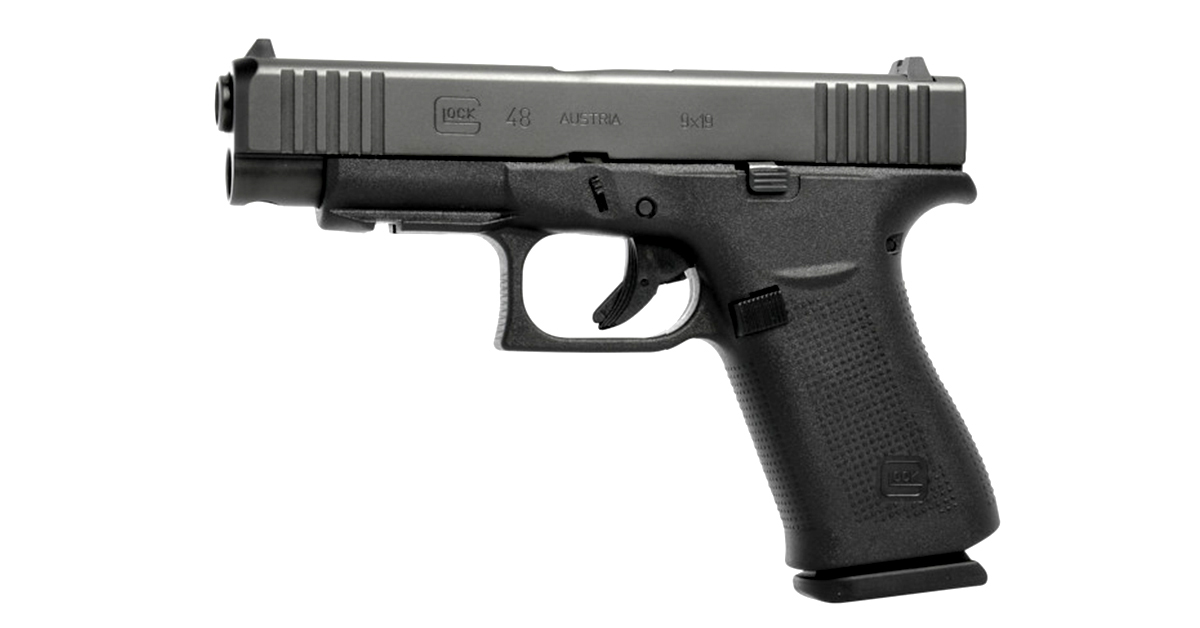
When they finally catch up with demand, Glock’s new 15-round steel factory magazines will take a good thing and make it better. Both the Glock 19 and the Glock 26 have much to recommend them, primarily being ultimately reliable, easy to use with either hand, and as accurate or more so than the hands that hold them.
The Canik USA Mete MC9 series of pistols can be had minus comps, ports, and stupid holes carved into the slides. The MC9 standard pistol comes with a 12-round flush magazine and an extra 15-round version that sticks out an extra inch or so.
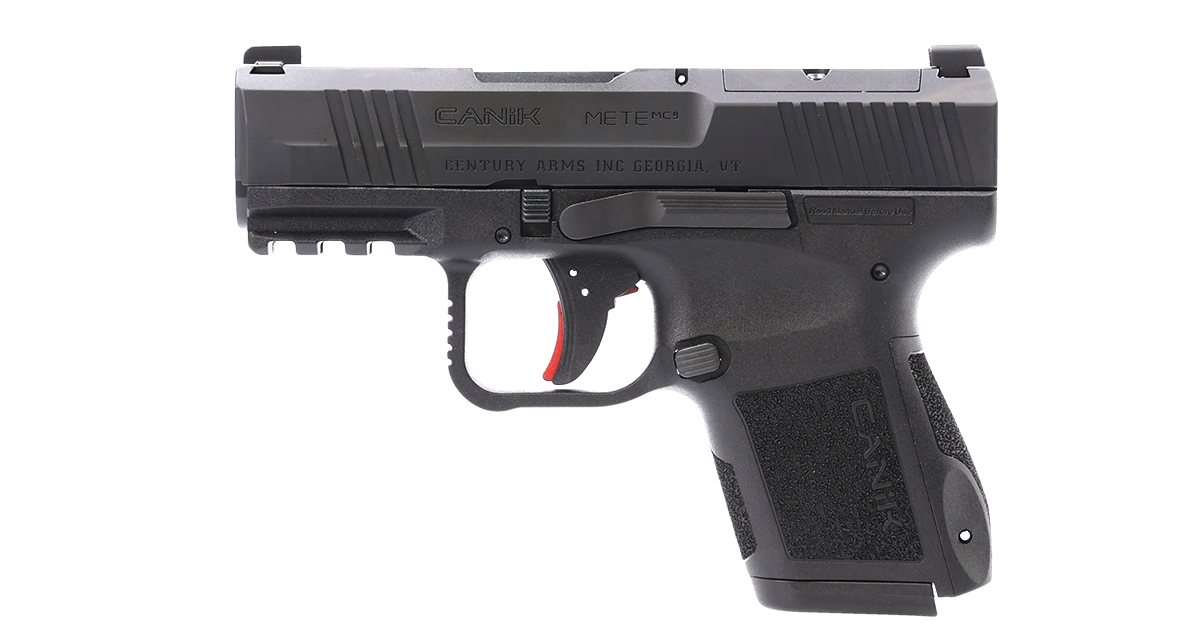
I’ve been testing and evaluating Canik pistols for over twelve years now and can say that they are 100-percent reliable, ambidextrous, and accurate. Their factory triggers are not too heavy nor are they too light; they are simply “Goldilocks.” And Canik pistols come out of the box with steel sights.
From Smith & Wesson, the latest Shield 2.0 pistols would be an easy recommendation were it not for their ridiculous sloped rear sights. The thumb-safety versions also make them less friendly to a left-handed shooter. The thumb-safety is a right-hand only design.
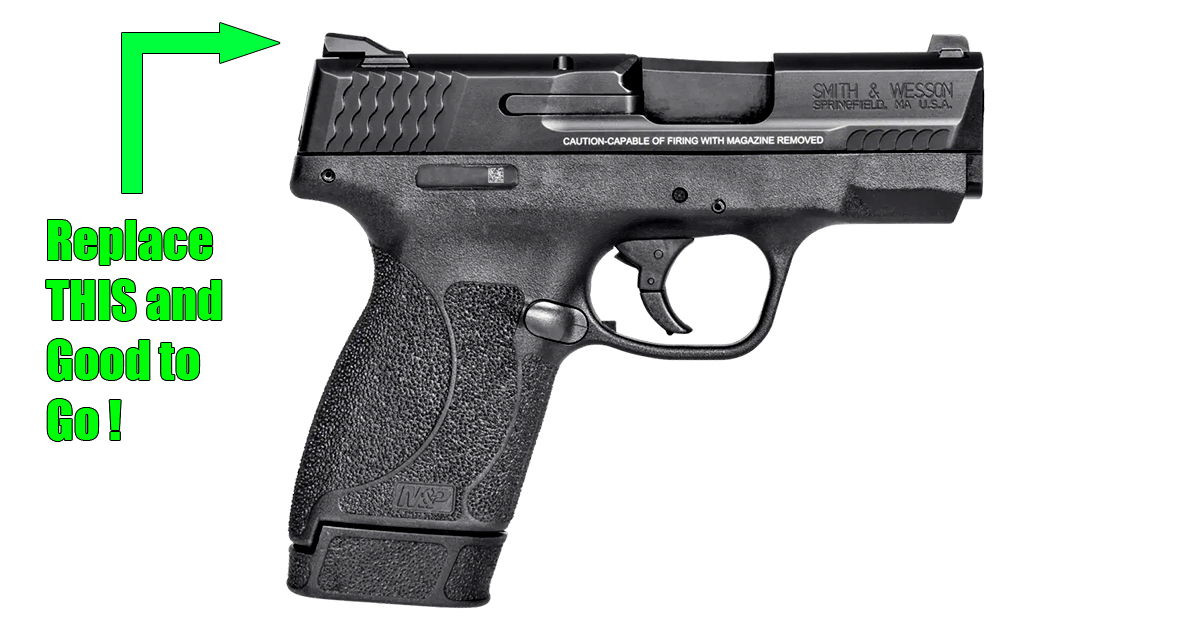
For those who are willing to put good sights on a Shield and buy the version minus the thumb-safety, the S&W Shield is a good-sized pistol that is reliable and accurate.
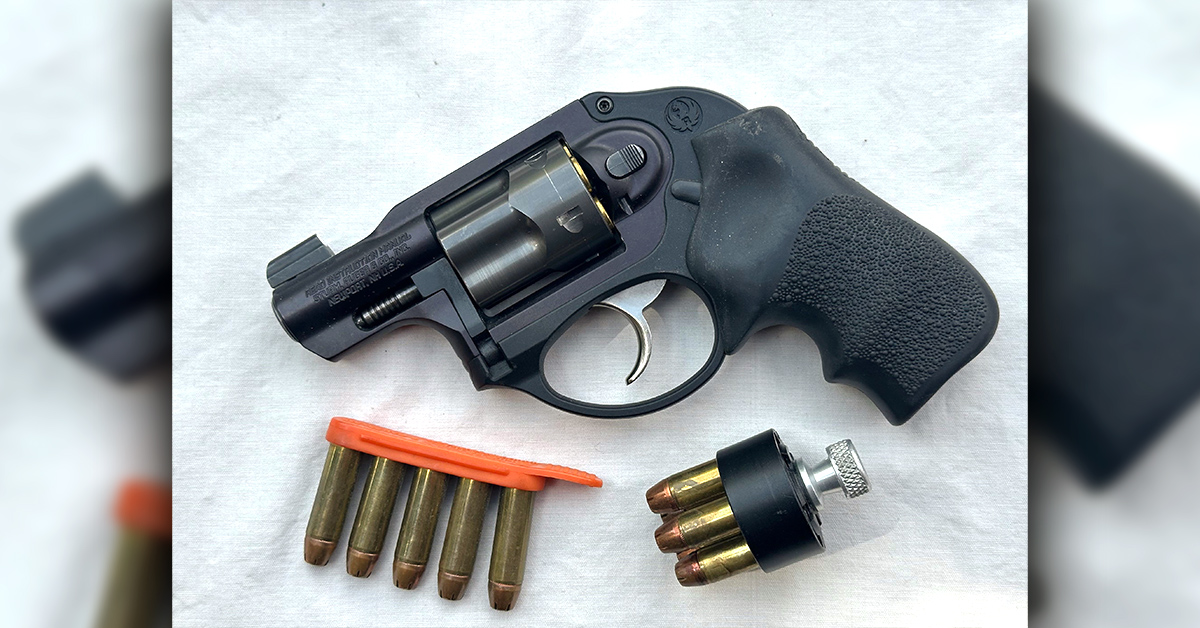
If you really must have a compact revolver, the Ruger LCR models (recently on “suspended production”) have triggers that were miraculously not designed by a team of lawyers. Their rubber grips give you a solid purchase on the gun; however, keep in mind that you get five shots and you are out. Yes, you can reload, but it’s going to take serious training to be able to do so under pressure.
We also hear good things about the Springfield Hellcat and the SIG P365 but stay away from the versions that have comps/ports and/or plastic sights.
It should be obvious that the primary purpose of this piece has been to establish that the concealed handgun you choose should not be based upon what looks cool on social media. The criteria that we have set can be applied to any make or model of handgun.
Everyday carry is about saving your life, and that deserves serious consideration.