Despite fanciful musings, one gun cannot cover it all, yet owning multiple guns is no guarantee of proficiency or being prepared for anything
by Bob Campbell
The one-gun man who really knows how to use his firearm has the greatest respect from the rest of us. We all own too many guns, maybe don’t shoot, and don’t bear down and get serious like this man.
“Beware the man with only one gun — he probably knows how to use it,” is the adage reaching the status of a proverb.
There are problems with this statement, as my personal experience doesn’t include anyone who owned only one gun and was serious about shooting! That includes a huge number of peace officers and a horde who call themselves defensive shooters. It takes quite a few long guns to be an all-around sports shooter. Many of these men and women are very good shots with every single firearm they own because they aspire to master the piece they deploy. Some are better comparatively at one thing or the other, but many folks who own a lot of guns fire everything they pick up fairly well.
People tend to ascribe more individuality to a firearm than they merit. Rack-grade guns are rack-grade guns. Glocks, military-grade AR rifles, and pump shotguns are reliable. Individual guns that have been modified are the ones that give trouble in my training classes. The one-gun man fools with his trigger and controls and the results are not always pretty.
Some guns are inviting to modify. They are like a Mr. Potato Head. We all like guns and will own all we can afford. That’s OK, but we also need a lot of ammunition to go with them. There is absolutely nothing wrong with owning a lot of guns. One is none and two is one. Most competitors have one gun in a match — one spare and another in the shop. They will laugh at you if you think the best guns don’t break. Their $5K guns often break at 20,000 rounds. The man with one gun, then, has no gun in case of a malfunction breakage or other loss.
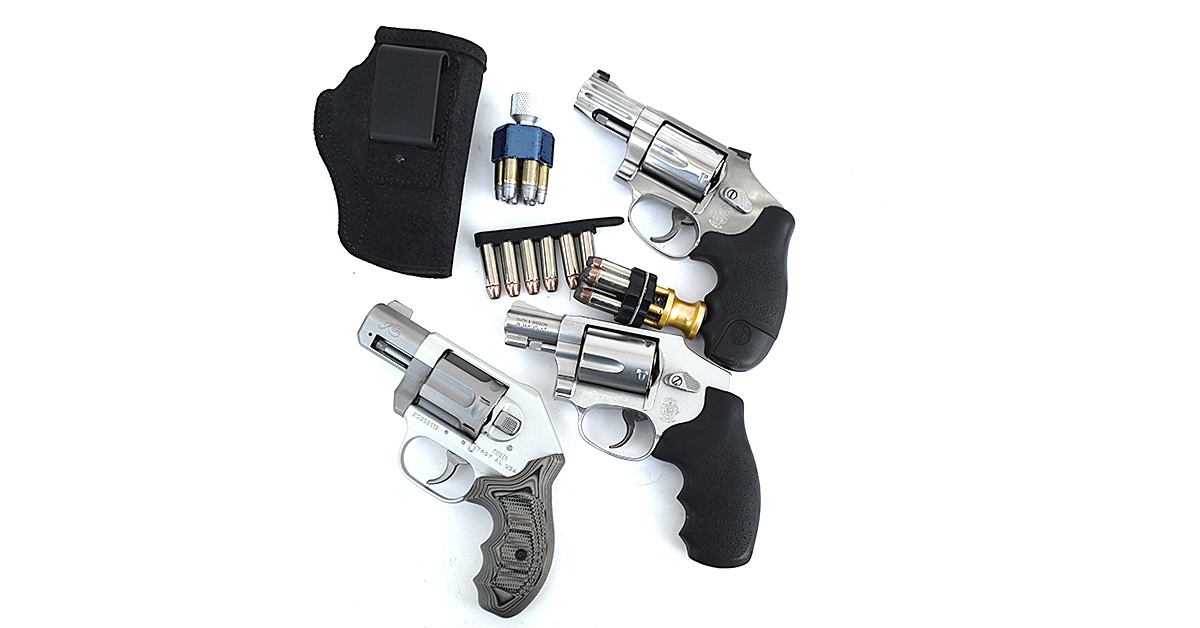
Most shooters would profit from training with a basic core of carry guns. Too many only practice with the gun we wish we could carry but it is too large. We should train with the gun we do carry. I would love to carry a TRP 1911 all the time, but I carry a TRP CC with a lightweight frame. So, we all need a small gun when we cannot carry the medium-size gun. A single stack 9mm or a snub .38 suits my needs.
But wait…how do you train with a 1911 and possibly manage to shoot a revolver well?
To use the language of the young, “It’s just a thing.” And, yes, it isn’t that difficult to glide seamlessly from one gun to the other if you consistently apply the basics of grip, stance, sight picture, sight alignment, trigger press, and follow through. A lot of folks who are not serious are not achieving real proficiency. They sometimes think they are good shots because they impress themselves. They are middle-of-the-road at best, but most have mastered safety.
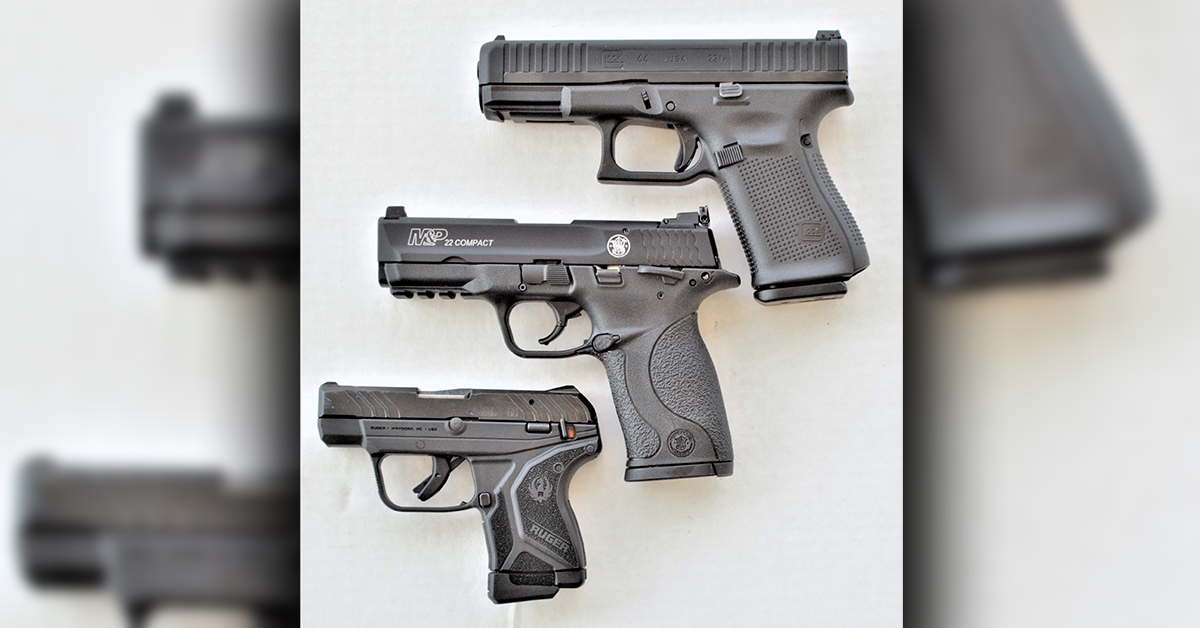
The fellow who deploys a Glock 17 in open carry, a Glock 19 concealed, and a Glock 43X in deep carry during the steaming summer has the same trigger action and controls to contend with. That’s great, especially for those with limited training time. But a fellow who masters the Glock may surely fire his double-action .38 revolver back-up well because it is a simpler system. After all, look at competitive shooters. Few participate in only one discipline. Many work different stages with different firearms. Three-gun is all about versatility. A whole lot of shooters stick with the same type — Glock or 1911. They did not begin with a certain type of handgun because it was expected of them as an enthusiast, but they use these handguns because they perform well. The man who shoots a lot of guns usually has weeded out the chaff and deploys good kit. I have known some of the great shooters. I am not one of them. But the greatest are there because they are consistent. These athletes practice hard. They will pick up most any gun I own and outshoot me with it.
I would just say that you cannot use a certain number of modifications and a pet gun as a crutch. Individuality is good, sure. But if the pistol doesn’t have my favorite trigger compression weight or XS sight picture, well, I don’t expect to fall apart. A too light trigger isn’t something only the experienced will handle; it is something we shouldn’t handle. Longevity and safety demand we ignore the ultralight trigger.
I will agree that a beginner should not move from one gun to the other too often. Master one or be defeated by a gun in the beginning but stick with it until one or the other happens.
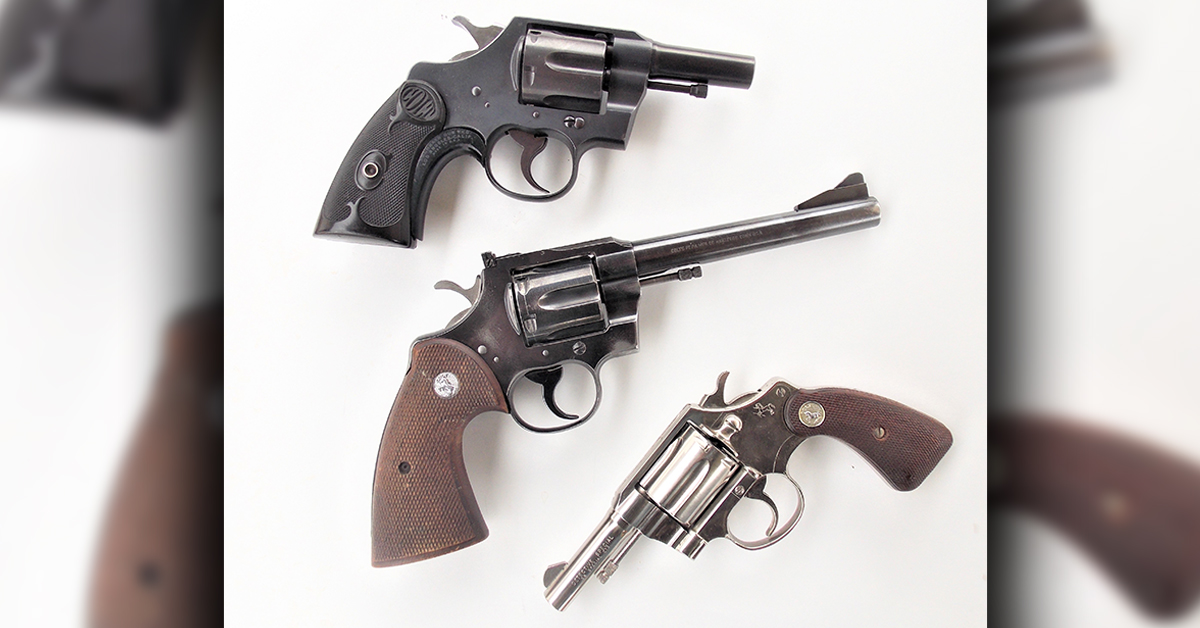
A young friend struggled with a double-action first shot HK USP. He felt it demonstrated superior fitting and that the fabled HK was for him. After a long and stormy relationship, he went to a HK VP 9 and now does very well. The point is that he tried a good gun and got all in before moving to another.
I am not certain that limiting your carry guns to a single type is quite as valid a program as some may think. Among the striker-fired guns, my favorite is the S&W M&P Performance Center Carry Comp 9mm. I sometimes carry a Glock 49, Glock 45, or Glock 48 — all in 9mm. The sights are not the same in all, the S&W wears a red dot, the Glock 48 features XS sights. The Glock trigger actions are similar, but the guns are not as similar as you may think. The grip frame is different in full-size, compact, and subcompact guns. This makes a difference in handling — as great a difference as the trigger action. The way recoil is spread out in the palm also makes a difference. Recoil impulse is different. Some don’t quite realize you cannot relax when firing the softer shooting big guns; they must be held tightly to ensure function.
Sure, three similar-size Glock pistols may be easier to transition between in carry choices — some of us live in a true four-season climate — but there are valid reasons for carrying different guns in different situations.
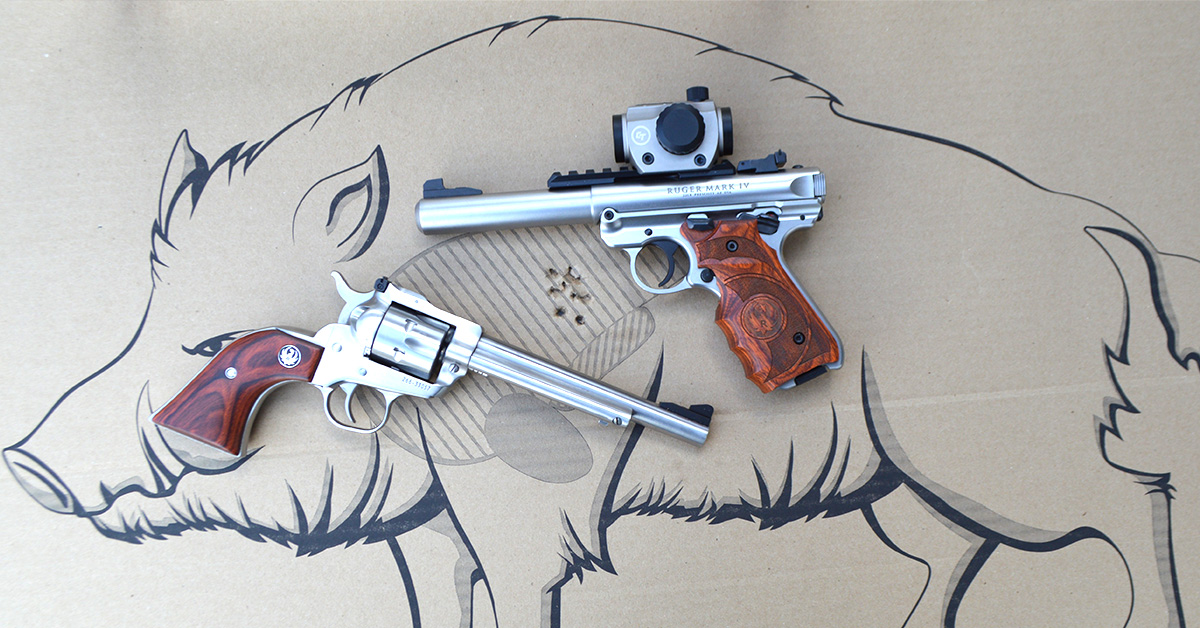
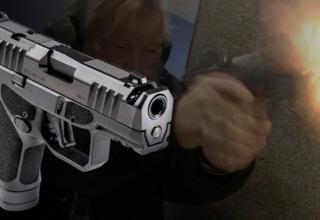
And there is the Springfield Echelon I am fast realizing is a great shooting pistol for those who put the time in. It just may replace the others — in the 4.0 C version, that is.
I may carry a striker-fired pistol or a 1911. No problems there. I never miss the safety when practicing with the 1911. After all, it is basically the same motion as the AR-15.
Among the times I resort to the carry rotation is when traveling. When in the wild and sleeping on or inside a sleeping bag, I sometimes lay the Manurhin revolver on my chest. Not that I think a wendigo will bite my face off. The handgun must be somewhere and it will hurt if I roll over on it! I am a bit more comfortable with a revolver in this situation. If I feel that I may need more thump in the wild, I carry a Magnum. When resting in a rented room, I lay the pistol beside the bed, and sometimes the Pretty Girl and I take long walks. A double-action first shot pistol with a safety is sometimes chosen. In this case, handling and convenience are more important than combat ability. Or perhaps I should say range ability, and it isn’t the same. After all, each of my carry guns will put the bullet into a single, ragged hole at seven yards.
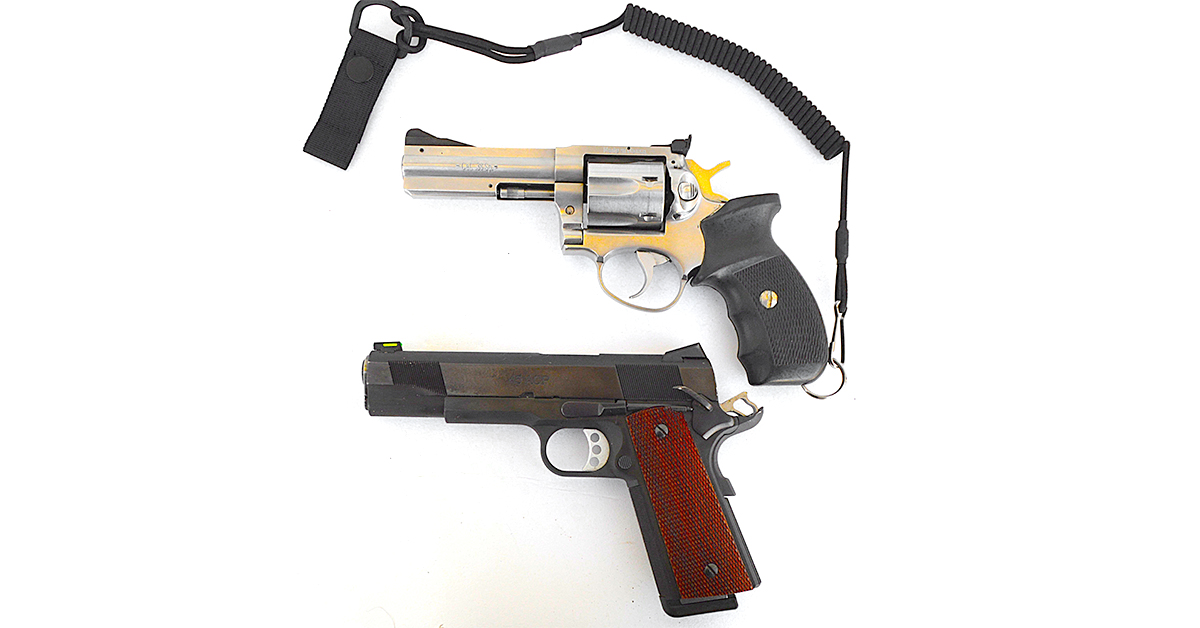
I don’t know a great shooter who owns only one gun. I do know a farmer or two who has only shown me one gun and another who has more in his closet than he lets on to most folks. I would not gainsay anyone on a tight budget who feels that sticking to a single type of gun is best. Only you can answer the question in the end.
I would regret having to choose between the 1911, Python, Performance Center 9mm, or CZ 75. I really don’t want to give up the Browning BDA or Ruger SP 101, either, as they fit handsomely into a limited but perfect niche.
But then, I am often the man with one gun. That is the gun that’s on me, and I have mastered it to the best of my ability.
Just kidding. I carry two guns.