No one likes to clean muzzleloader barrels, but diligence and some elbow grease combined with these focused processes can boost your barrel’s performance and accuracy potential
by Rob Reaser
Sometimes, in our zeal to bring you the best, most useful gun-related content on the interwebs, our Shoot ON contributors go to great, often unnecessary lengths.
A case in point: following our recent article on muzzleloader load development and accuracy, I wanted to do an article on deep-cleaning conventional (FireStick-compatible and in-line) muzzleloader barrels. I had shot over 50 rounds out of my Traditions NitroFire .50-caliber muzzleloader for that test, only lightly swabbing the bore with a couple solvent and cleaning patches between each 3-round load string.
That’s it. To help illustrate the deep-cleaning process for this article, I purposely did not clean my barrel after returning from the range…for five weeks.
Yikes!
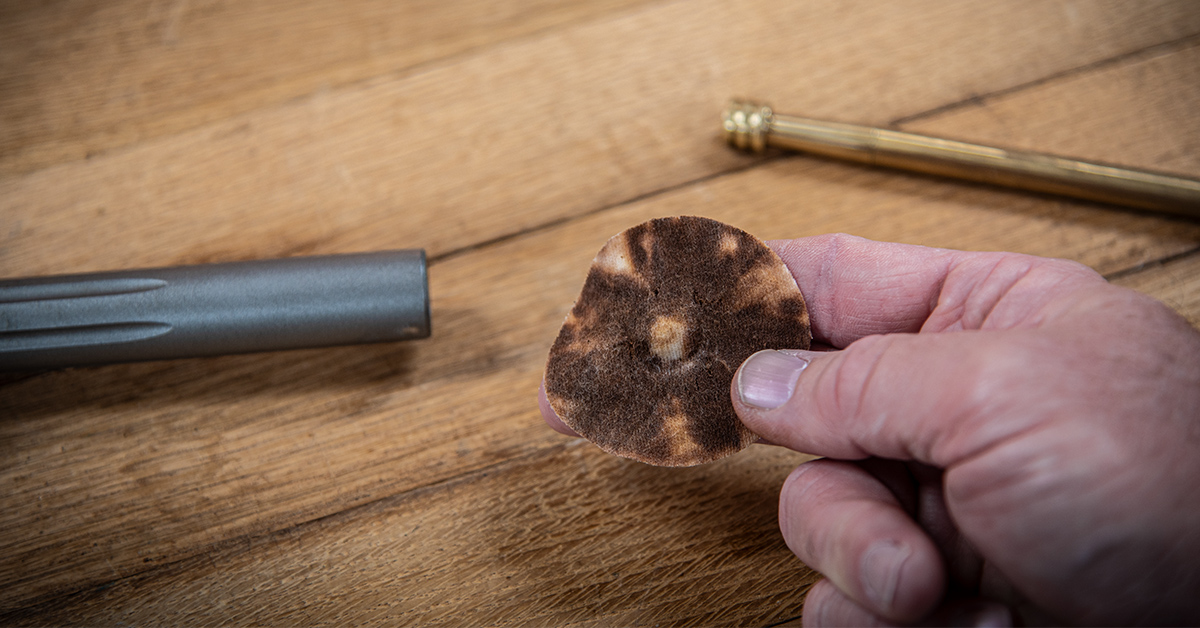
I may have been a tad exuberant in that effort because that neglect put the muzzleloader bore in pretty bad shape. From the first pass of a solvent-soaked patch down the bore, I could tell the bore had nothing but rust on the lands and grooves — from the breech to the muzzle. It was downright rough.
This, unfortunately, is the condition of many muzzleloaders out there (okay…maybe not that bad, but crunky enough to need emergency care). And, boy…did my barrel bore now need some serious care.
Keeping your muzzleloader barrel in top condition is essential for several reasons. The nature of muzzleloading systems, the propellants used, the overall of dirtiness compared to centerfire rifles, the sometimes-difficult access to the breech area, the common use of plastic sabots, et cetera add additional burdens to keeping these guns clean and in peak performance condition. Furthermore, corroded, rusty, or less-than-clean rifle bores can degrade accuracy and make loading increasingly difficult.
What we want to do here is detail the three levels of muzzleloader barrel maintenance and cleaning. We’ll start with field cleaning, move on to bench cleaning, and finally introduce a technique borrowed from the precision centerfire rifle world that will ensure the cleanest barrel possible and help restore a barrel that has suffered severe neglect.
Field Cleaning
Field cleaning is the minimum maintenance you’ll apply to your muzzleloader barrel. It is something you’ll do at the range or if you are in a camp environment and don’t have access or the capability of performing a more rigorous cleaning protocol.
Field cleaning is something you should do after every three to four shots while you’re shooting at the bench. You would also want to do this at the end of the day following a field discharge if you are unable to do a proper cleaning.
The process is simple and basic.
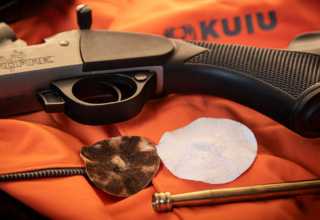
- Run two or three pre-saturated FireStick cleaning patches (if you are using FireStick technology) or a patch saturated with Hoppe’s #9 down the bore using a caliber-specific jag. This will break down and remove most of the gross fouling in the barrel.
- Follow this by running two or three dry patches down the bore to remove the solvent and any additional fouling that may be in the bore.
- Last, run one or two pre-treated cleaning and seasoning patches down the bore. This will lubricate the bore to make it easier to load the next round, and it will provide a protective coating to the bore to arrest rust and corrosion until you can perform a more substantive cleaning.
This is good for continuing your bench shooting session or to prepare your gun for the next day’s hunt.
Bench Cleaning
This is what we consider to be the “standard” muzzleloader cleaning process. Do this when it’s time to give your rifle a thorough cleaning after a range session or when your hunt is finished and you are ready to put the muzzleloader away for an extended period.
- Begin by disassembling the rifle, separating the barrel from the forend and stock/receiver assembly. Also, remove the breech plug and nipple in guns so-equipped, following the gun manufacturer’s instructions.
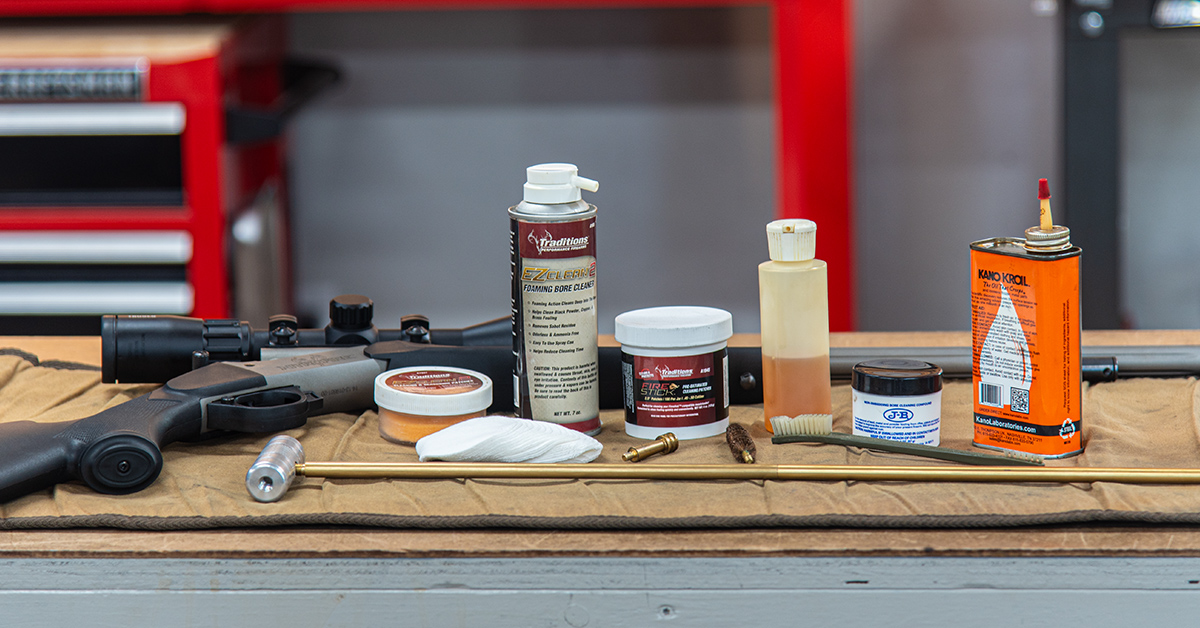
- Run two or three patches saturated with bore solvent down the barrel to remove the worst of the fouling. If you use FireSticks, Traditions makes a specially formulated pre-soaked solvent patch you may want to try. You can also follow this by using a foaming bore cleaner. The foaming bore cleaner easily coats all the sharp corners between the rifling’s lands and grooves that may not get touched by simply using a solvent patch.
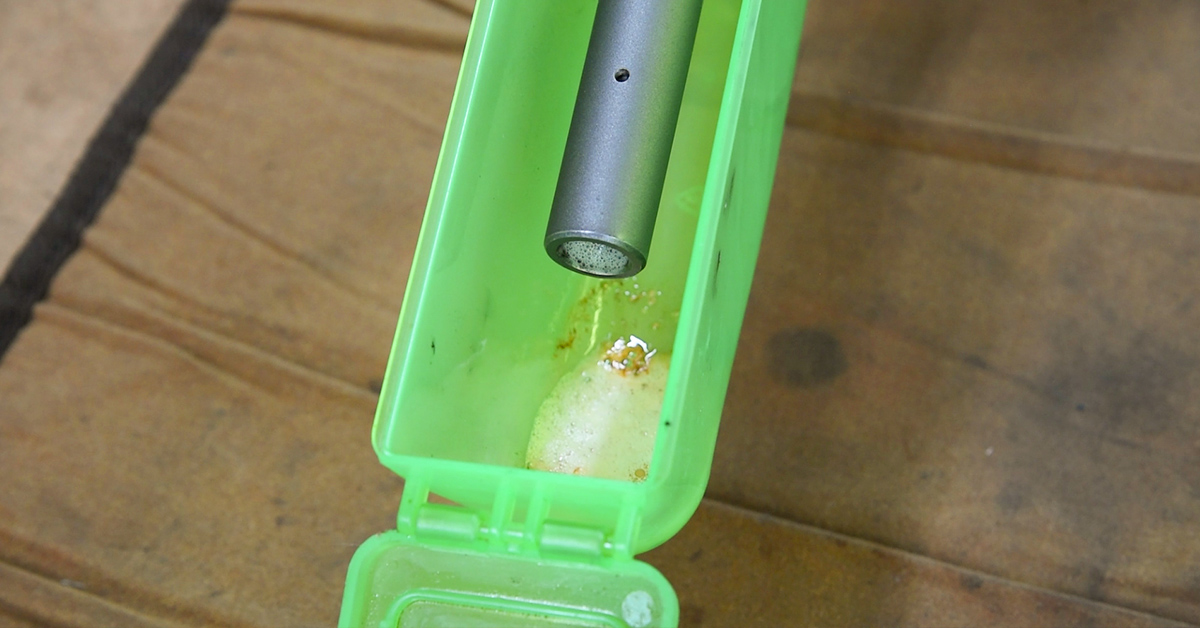
- Let the solvent soak for about 15 minutes (one hour with bore foam).
- If cleaning an in-line, soak the breech plug and nipple and then scrub these parts with a nylon brush. Be sure to clear out the fire channel with a pick and fire channel brush. When finished, dry all components and lubricate the breech plug threads (I also lube the nipple threads) with breech plug grease. Traditions makes a great kit for small parts cleaning as well as a handy small parts cleaner.
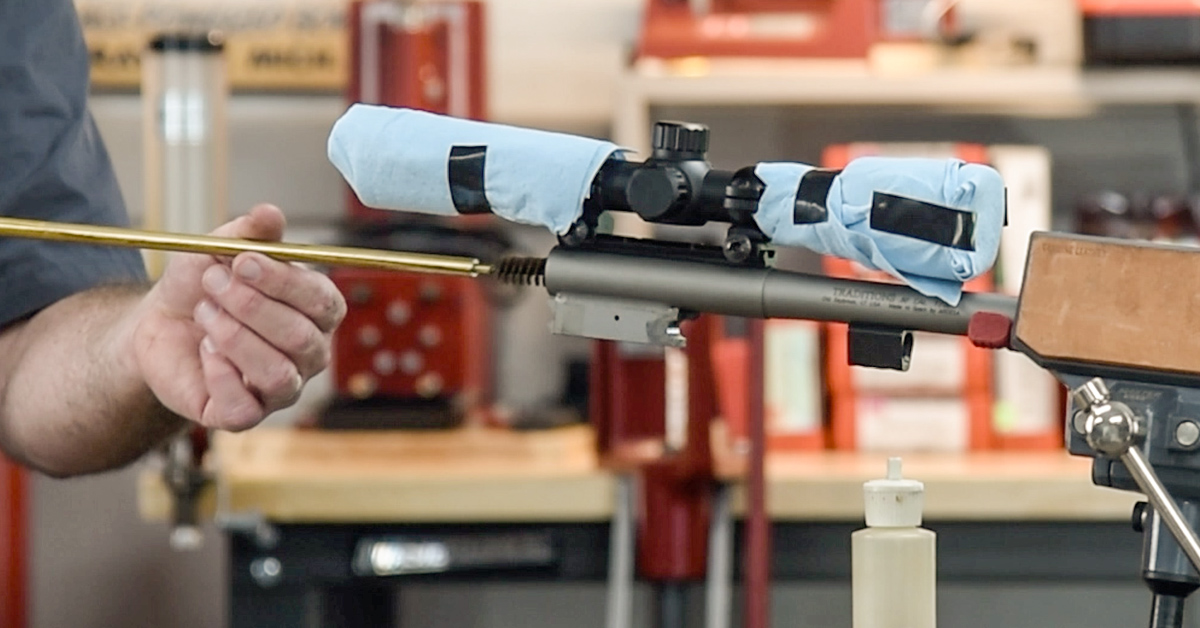
- Moving back to the barrel, it’s time to give it a thorough scrubbing with a bore brush, preferably a bronze brush, as it will clean more effectively than a nylon brush. I prefer soaking the brush with Hoppe’s #9 for this stage of cleaning. But BE CAREFUL! Make sure beforehand that you are able to pass the bore brush completely through the barrel before inserting it into the barrel. If not, and you need to reverse the brush because it cannot fully pass through the barrel (i.e., in the muzzle and out the breech, or vice versa), the brush could get stuck and you will experience a very bad day. Now, scrub the breech area with a brush and solvent. Run the brush back and forth for around 10 passes.
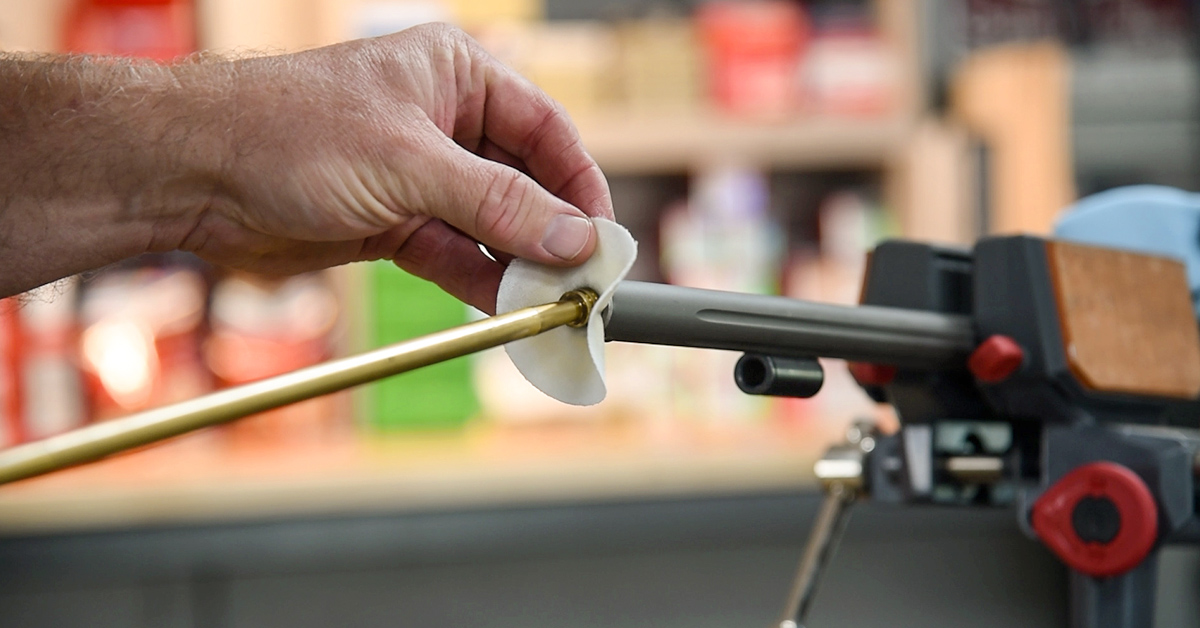
- Run a wet patch, followed by a couple dry patches. Repeat this process until the patches come out clean.
- To finish, apply gun oil to a clean patch and run it down the bore, or run a couple of cleaning and lubricating patches down the bore to prevent rust and corrosion.
Deep Bore Cleaning/Polishing
Muzzleloaders, more than any other sporting firearm, in my opinion, can best benefit from deep bore cleaning because the barrels are subject to significantly more fouling than those that shoot smokeless powder cartridge ammunition.
The bench-cleaning process we just described is perfectly fine for ongoing maintenance and preservation of the rifle bore; however, every muzzleloader can benefit from what we’ll call “deep cleaning.”
What is deep cleaning? Generally, it amounts to bore polishing; specifically, it is a process utilizing Kroil and J-B non-embedding bore cleaning compound.
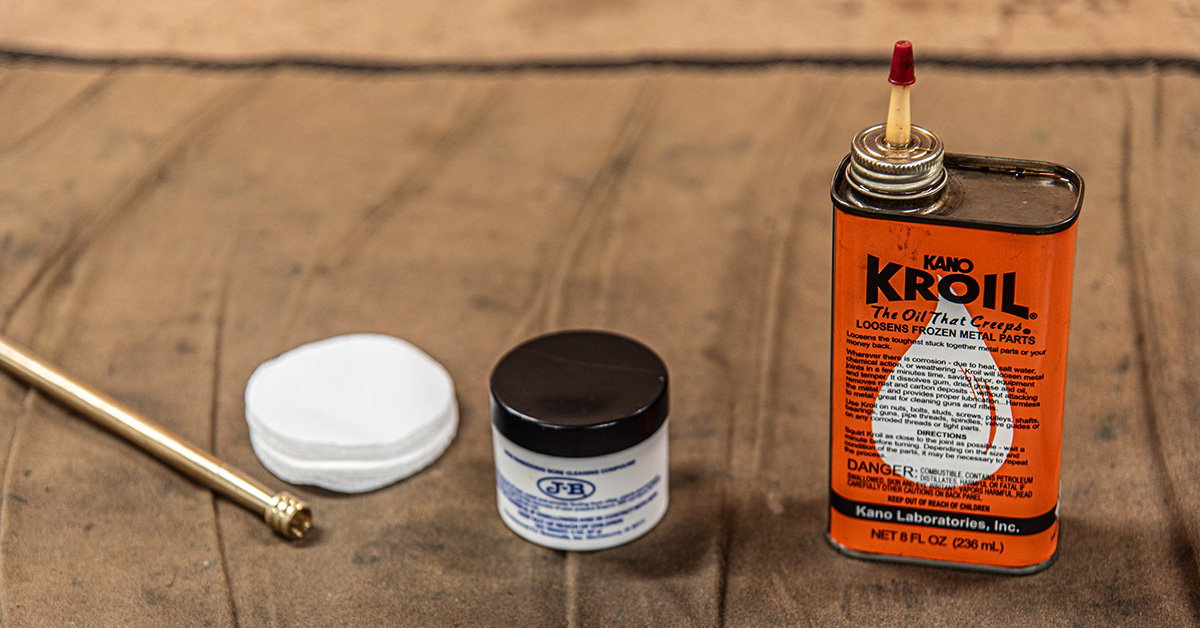
Kroil is a superior penetrating lubricant that, given time, will creep into the deepest, tightest recesses between metal and whatever is stuck to it. That can include light surface rust and corrosion formation.
The J-B compound is an extremely mild abrasive paste that, when used in conjunction with a light penetrating lubricant like Kroil, can help remove the most stubborn particulates (copper, lead, fouling) and scrub away mild rust and corrosion. It can also smooth out minor scratches and machining marks in a barrel bore.
Combined, Kroil and J-B bore polishing will allow you to clean your muzzleloader barrel as best it can be cleaned and smooth the bore in the process. This has several key benefits: maximum barrel longevity, easier loading, easier cleaning, and maximized accuracy potential.
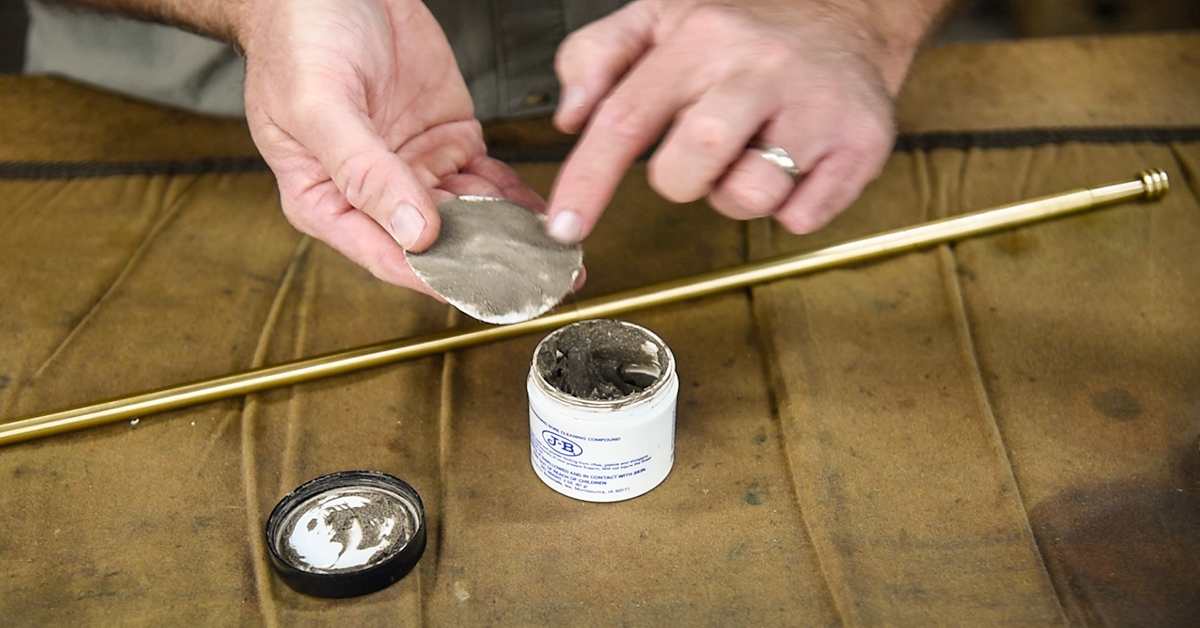
Obviously, this is not something you need to do frequently. Depending on how much you shoot your muzzleloader, you may only want to do it a few times in the life of your gun. For the typical muzzleloader hunter who may shoot ten times at the bench for sight-in and verification, and a couple of times taking an animal, once every few years is probably sufficient. Higher volume shooters may want to do this once a year.
If you have never done this to your muzzleloader, I would say do it now because it most definitely could benefit from this treatment.
This is also a good option if you have an older muzzleloader with a compromised barrel bore — one that shows signs of rust and corrosion or has never been properly cleaned and maintained.
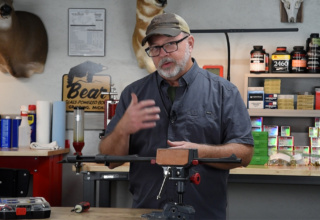
To learn how to do this, and to see just what a deep cleaning/polishing process using Kroil and J-B compound can do for a filthy and neglected barrel, check out the video below. We’ll also give you a tip for long-term (season-to-season) storage of your muzzleloader so you’ll never have to worry about rust and corrosion again.