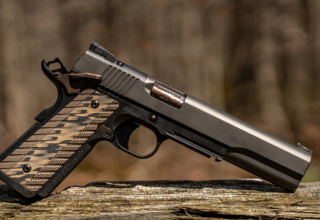
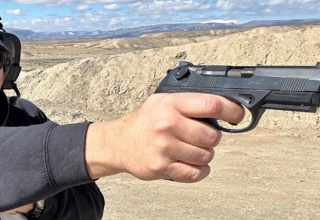
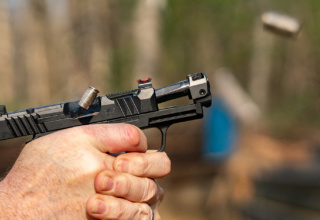
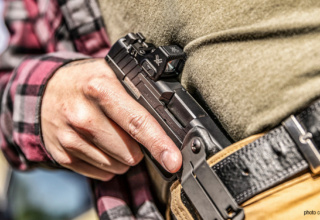
Flexing John Moses Browning’s iconic 1911 design with a nod to contemporary shooter expectations, 2011 pistols deliver what may be the best of both worlds. Maybe it’s time you discover what the stir is all about.
by Bob Campbell
It is said that one generation fights its wars with the arms of the previous generation. This was true as I came into the gun world and began carrying a handgun. Most cops carried .38 revolvers. A few owned a P38s or GI 45s as a curiosity. Snubnose .38s and .32s were common civilian handguns, and some hardcore bad guys also found a GI .45 or a Walther P38 9mm to their liking.
Colonel Cooper’s California Renaissance reached other parts of the country, and his clear, incisive logic was convincing. The 1911 was, after all, the greatest combat handgun ever designed. I campaigned to carry the 1911 and eventually was authorized to carry the piece after a grueling qualification that was far more difficult than that specified for revolvers. I was issued the SIG P226 much later and qualified with the P220 and never felt at a disadvantage with these handguns. My training wasn’t completely based on Cooper’s precepts, although there was nothing to argue with on any level with these principles. I based my training on good names with practical experience, including Masterson, McGivern, Jordan, Applegate, Weaver, and Ayoob. I haven’t managed to invent anything myself nor completely master the most difficult drills.
My training — and I am very thankful to have learned to shoot from men not well known even in their home state, but who were very capable — was based on well-defined parameters in a proven structure. The point is, learn in the established manner before you go anywhere different. I qualified consistently with a near perfect score with the revolver. The instructor smiled and said, “I taught you well, but can you ride a different horse?’
I did. I was intent on learning many disciplines. Psychology was among them, and in the physical arts, I learned Wing Chun enough to do well against those who did not know the path. Yet I was not a master. I used the Dempsey Drop Step operationally to the detriment of brawlers. As you may imagine, I sought the fastest and hardest hitting skills and instruments.
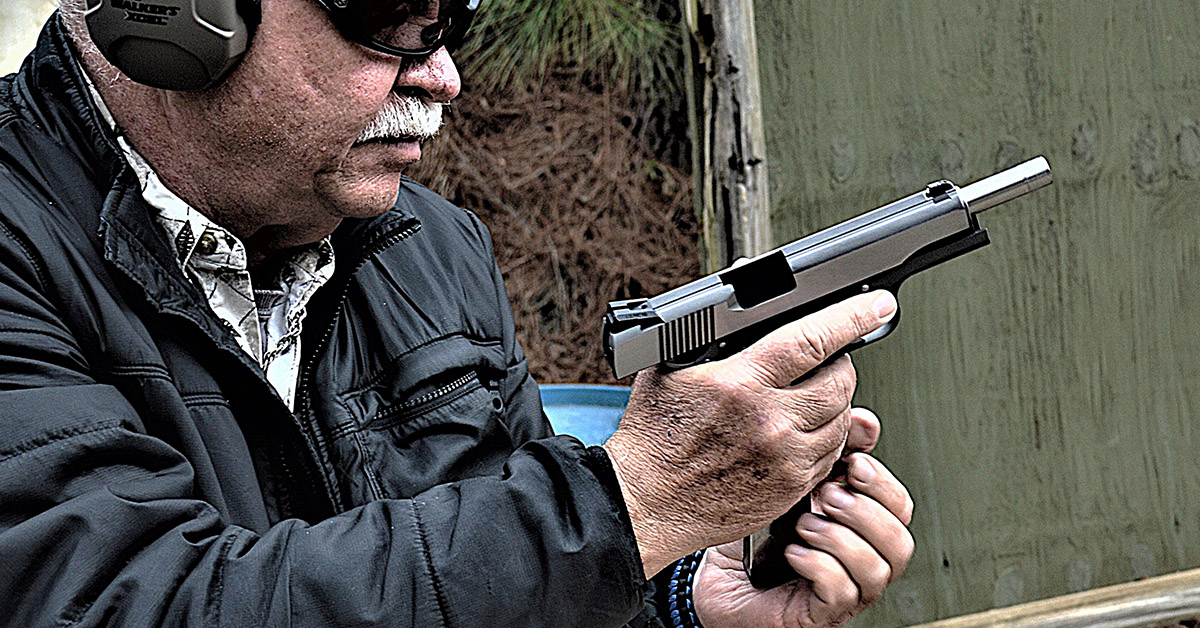
The 1911 was fast from a holster and the fastest of all handguns to an accurate first shot. A short, straight-to-the-rear trigger press, a low bore axis, and a grip that fit most hands well lead to excellent results on the range.
A not inconsiderable advantage of the 1911 is safety. The pistol is carried cocked and locked. The disconnect is out of battery and the hammer locked by the slide lock safety. There is a grip safety that prevents the pistol from firing unless fully depressed. And so it was, I was very happy with a handgun designed prior to my grandparents’ birth.
Enter the 2011
I became immersed in the 1911 and wrote three books on the type. While I owned a couple of good .38 Supers, my 1911 handguns were .45 ACP pistols. Wound potential and practical accuracy are excellent. Eventually, I developed a preference for less guns in number and a smaller battery of better guns, which is where I reside today — the Springfield TRP, Dan Wesson, Wilson Combat, Les Baer. I found the 9mm 1911 fun to shoot but had no desire for one. I felt that if you were going to carry a 9mm, the Hi-Power or a good CZ 75 would be the best bet. I thought that — it isn’t strictly demonstrable, though — a 9mm 1911 of a different type was coming.
The 1911 is still a great handgun. The history and legendary performance of the 1911 are compelling. The 1911 today is a highly developed handgun that serves well. But the 2011 type has the advantage of modularity and capacity that the modern world demands. And perhaps rightly so.
The road to the 2011 was sometimes difficult. There were various high-capacity frames for the 1911 .45 that felt like a 2×4 in the hand. Quality was sometimes poor. High-capacity 9mm 1911 handguns were also large and slow handling. The advantage of the 1911 was lost with these handguns. Handling was ruined.
Then we began to see high quality pistols from makers such as STI that changed the equation. The 9mm Luger was becoming increasingly popular, and 9mm 1911 handguns with a high-capacity magazine were designed that handled well and ran well. The good ones weren’t cheap but became more affordable.
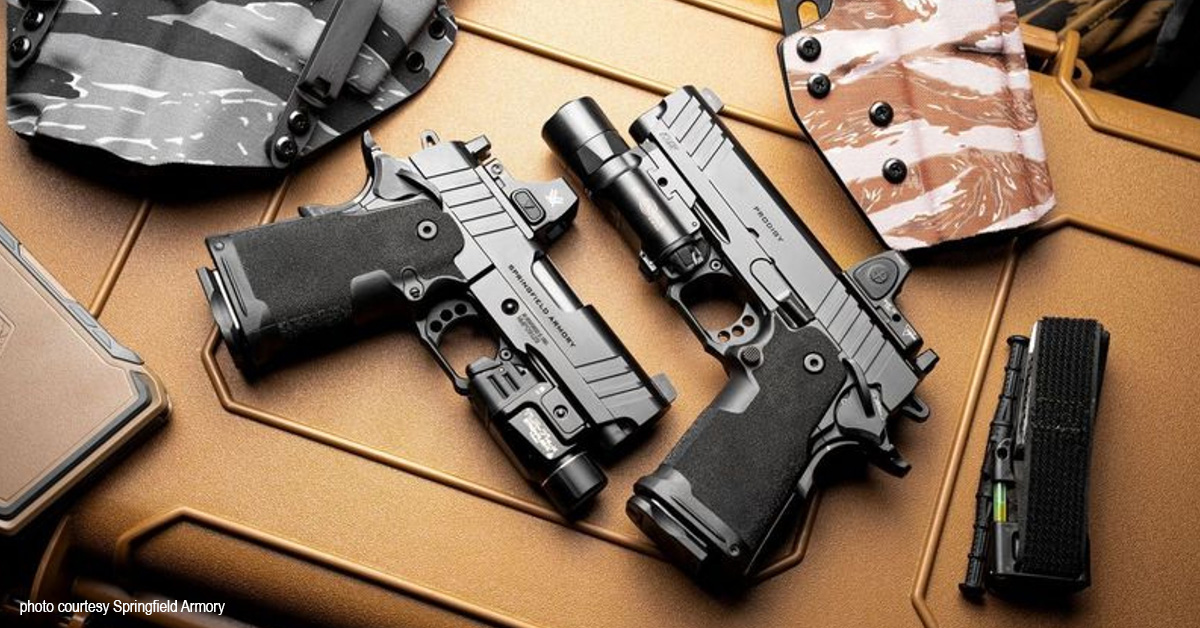
At this point, there was a divergence in design. Some pistols were basically 1911 handguns with a twist. The Kimber KDS9C and Wilson Combat’s SFX9 are among these. They feature a metal frame and eliminate the grip safety. Other types such as the Springfield Prodigy feature a two-piece frame. These guns are examples of the enduring legacy of the 1911 and at the same time they are proud spear bearers for new generations.
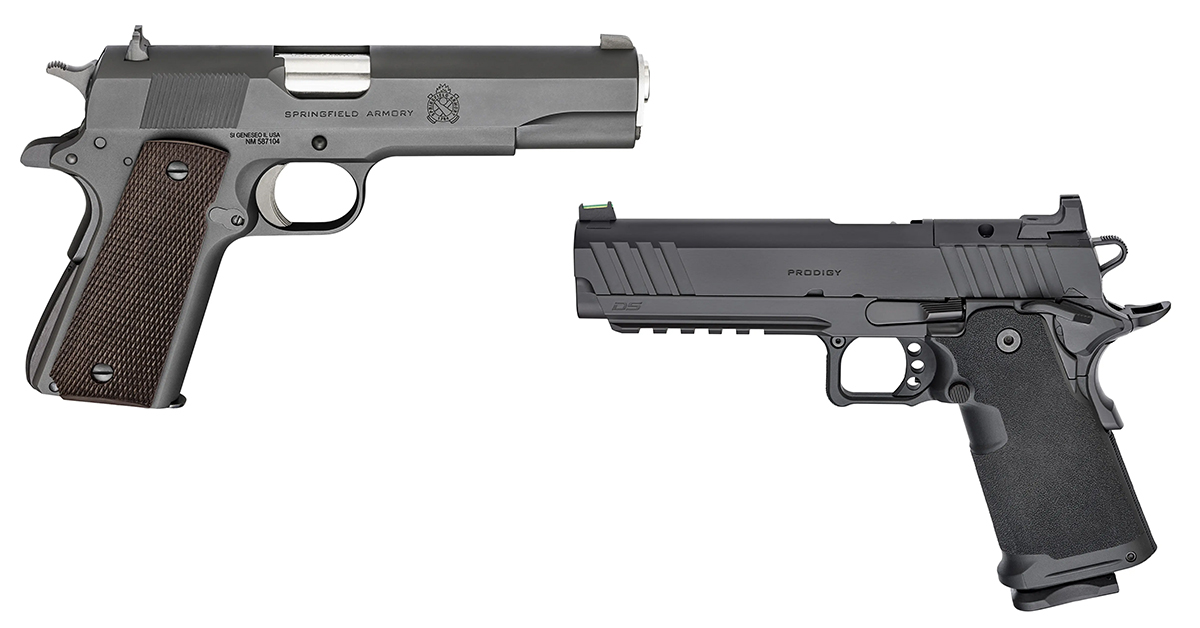
In contrast to earlier high-capacity types and aberrations of design, the 2011 actually outshoots the original. The pistol has been used in contests and proven both reliable and accurate. While the polymer frame, striker-fired gun is the default carry gun for police and military — and much of the civilian world — the handling superiority of the hammer-fired 2011 is demonstrable.
The 2011, versus the 1911, is designed from inception to offer optics mounting options and an accessory light rail. These are important features in the modern world of interpersonal combat, which mean a great deal to modern shooters. Some of the 1911s with these features feel like a lash up and all rails are not the same. Even Colt has used different types of rails. Some 1911 rail guns had problems in the long term. The 2011 builds on these experiences. The 2011 maintains the good shooting ability of the 1911 while minimizing the 1911’s shortcomings.
As an example, a bull barrel without a barrel bushing provides all the accuracy anyone may wish without the maintenance demands of the 1911. The big “R” (reliability) and the small “m” (maintenance) is a reality in today’s market for high-performance handguns.
There have been larger .40-caliber 1911 high-capacity pistols, .38 ACP Super types, and various modifications, but for most of us, a 2011 is a 1911 9mm with a nicely designed grip small enough for comfort but containing a high-capacity 9mm magazine. The pistol remains ergonomically designed with well-placed controls and a grip contour accommodating most hand sizes well.
The design features a modular grip frame and alternate modules in some examples. I don’t know for certain how far I am stretching the definition, but the Dan Wesson DWX seems like a 2011 to me in most regards yet features an all-metal frame.
One thing a 2011 must have is excellent sights, an improved trigger, and a 1911-type slide lock safety. Most are optics-ready. The pistols are sometimes competition oriented and others personal defense oriented. A good factory pistol such as the Springfield Prodigy is well suited to either role.
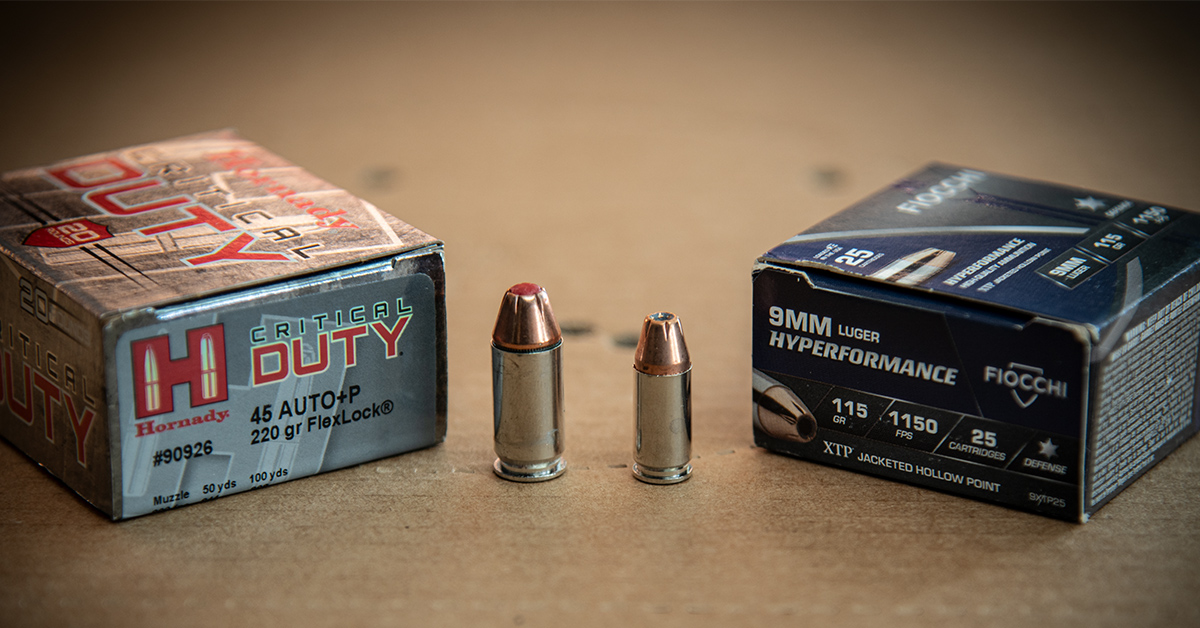
The 9mm Luger still doesn’t hit as hard as the .45. No amount of revisionist history, poor science, and storytelling called “Stopping Power Studies” will change that. But the 9mm Luger is a reasonable choice for personal defense. There are loads that offer a good balance of expansion and penetration and that have good wound potential. Accuracy can make up for power; the reverse is seldom true. And after all, the 2011 is designed for shooters and competition first; the 1911 was designed for soldiers.
The differences in grip, grip size, capacity, and caliber are evident. A 2011 carry gun may offer modest recoil in a lightweight package. That is where the real problem with .45 ACP recoil lies, not in Government Model steel frame pistols but in aluminum frame Commander types. Recoil may be brutish, making them pistols to be fired little (bad idea) and carried often. The “fired little” part goes against the principles of personal defense training. The 9mm pistols, though, are fun to shoot, and that means you will be undertaking a lot of practice.
It is more difficult to customize a 1911 than a 2011. A few tenths of an inch may be gained with thicker grips or shaved off with slimline grips; long and short triggers and different types of mainspring housings are available. That’s about the sum of it. The 2011 offers far more stretch in tailoring the choice to your needs.
Top-Rated 2011-Type Handguns
Springfield Prodigy
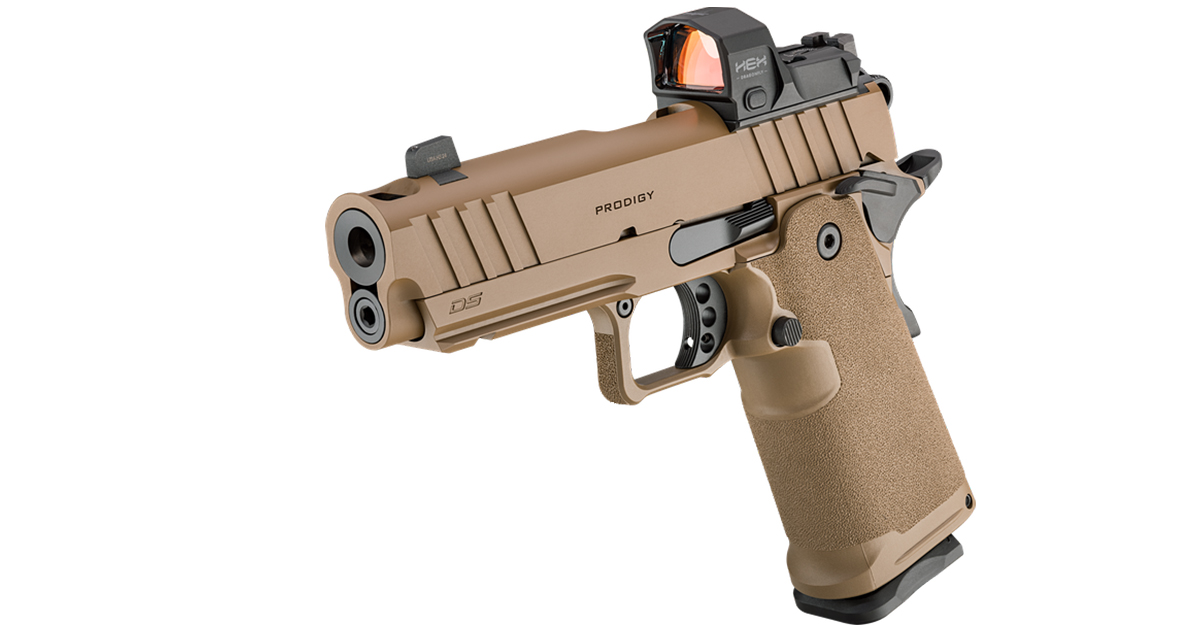
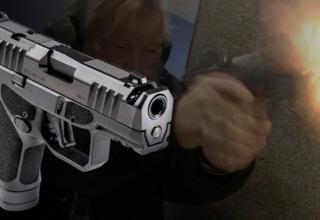
This one is at the top of the list. Affordable in this esoteric genre, the Prodigy is 1911-like in handling and speed but features an improved barrel, sights, and a sharp trigger action. The polymer frame allows Springfield to offer a more compact frame than a steel frame pistol while maintaining a 2011 high-capacity magazine. The Prodigy is available in a compact version. This is my pick regardless of price.
Dan Wesson DWX
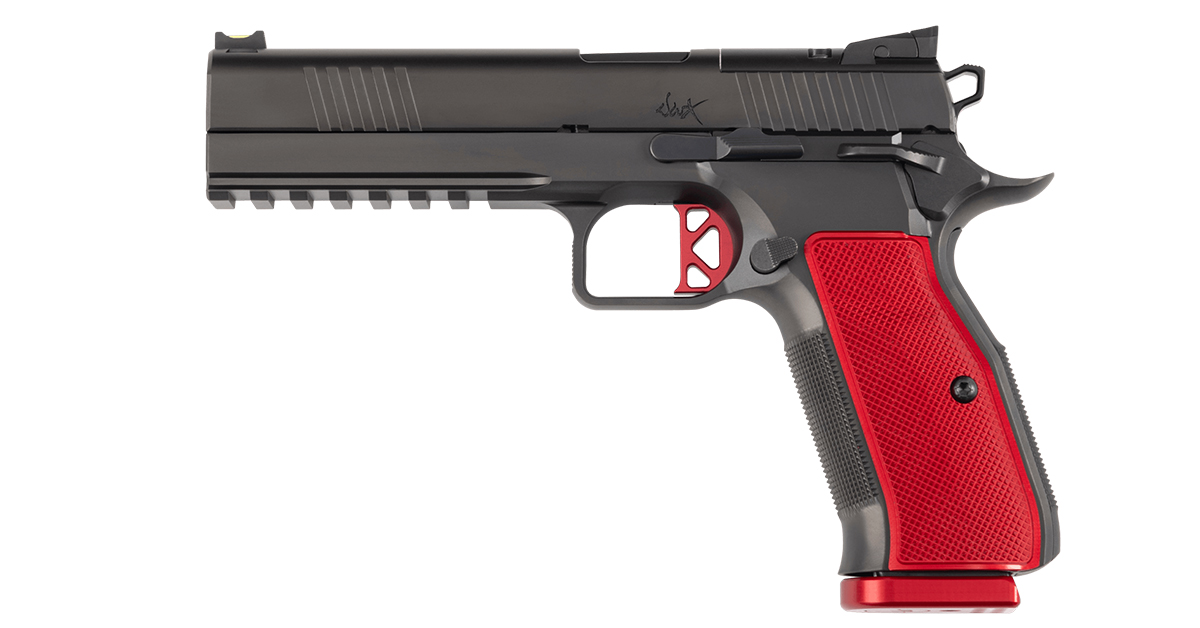
I love the Dan Wesson DWX but, in the end, perhaps it isn’t a true 2011 but instead an alternative to the 1911 .45 ACP. Well, it isn’t a CZ either, and Dan Wesson took the 1911 and parent company CZ’s CZ 75 and came up with an exceptional handgun. The aluminum frame is compact enough to fit most hands well and the pistol accepts readily available CZ 75 magazines. That is a big deal. A version with an optics plate and light rail is available in the compact size. Or you may purchase a slick-slide version without a rail, which definitely isn’t a 2011.
Staccato
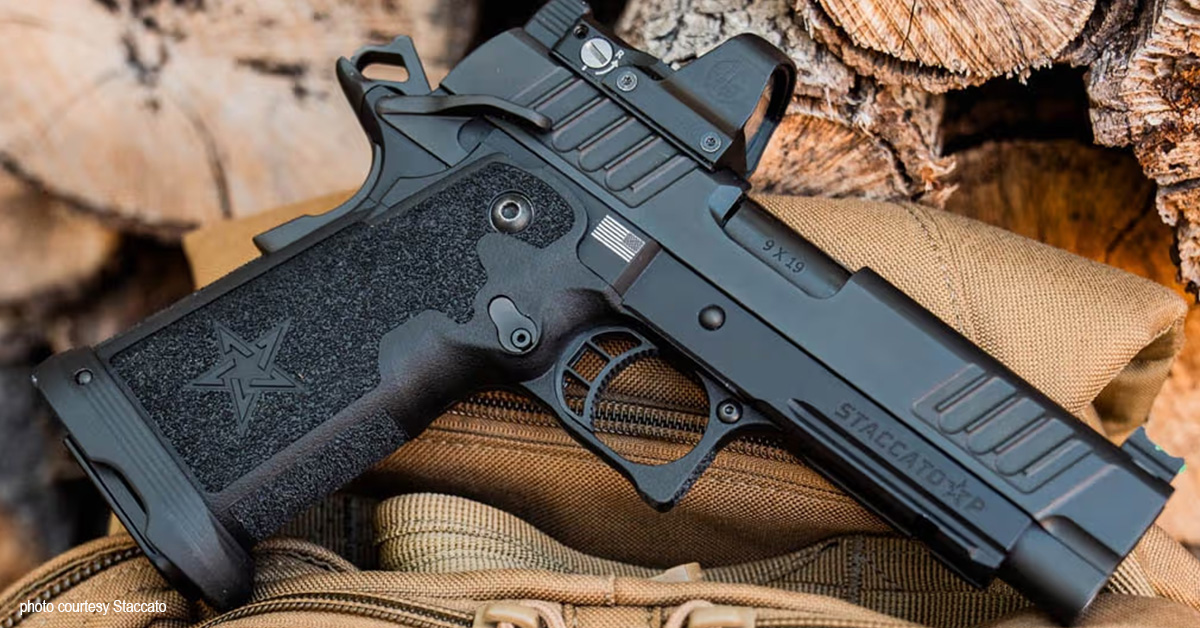
This 2011 is, in many ways, the defining handgun of 2011 fame. Built for maximum reliability and accuracy, the Staccato isn’t inexpensive, yet top shooters deem it worth the money. The piece is available in a wide range of frame and slide choices. Among the finest shots I know wears a Staccato on a daily basis. So does a young military gunsmith. I value their opinion. If a lesser gun limits your performance, this is an alternative.
Alpha Foxtrot
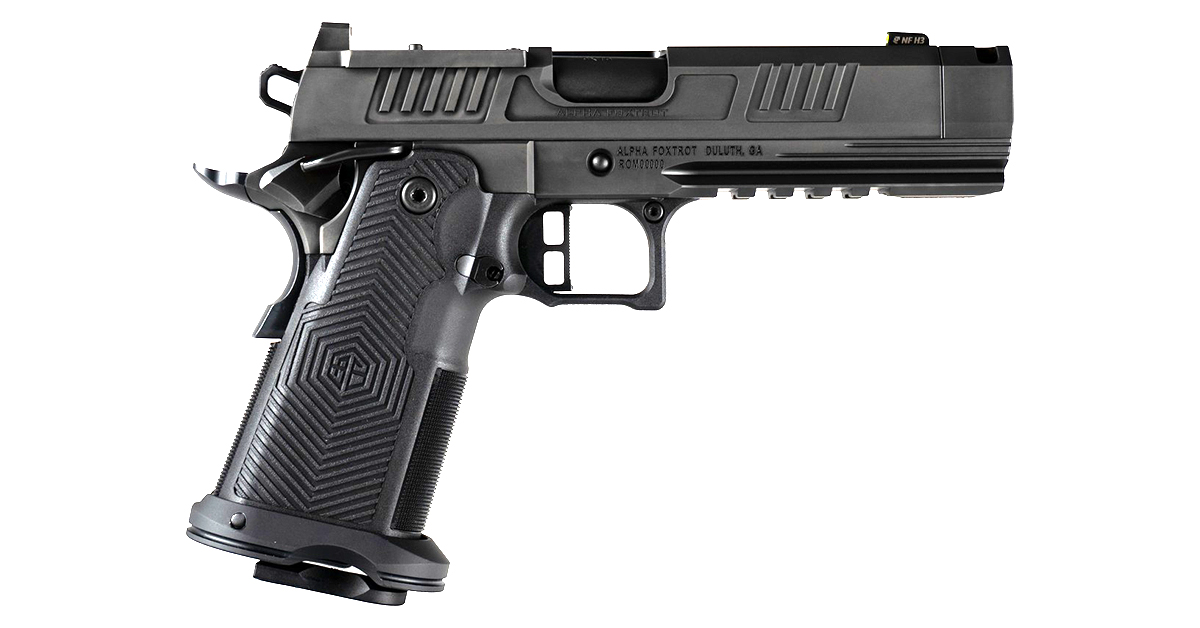
Alpha Foxtrot is a relatively new company. I have handled and fired their firearms and found them good for the money. I don’t have a great deal of experience concerning them, so it is wait and see. What I see, though, is promising. This pistol takes Shield magazines, and this means it also accepts Glock 43X and Glock 48 magazines.
Wilson Combat Division 77
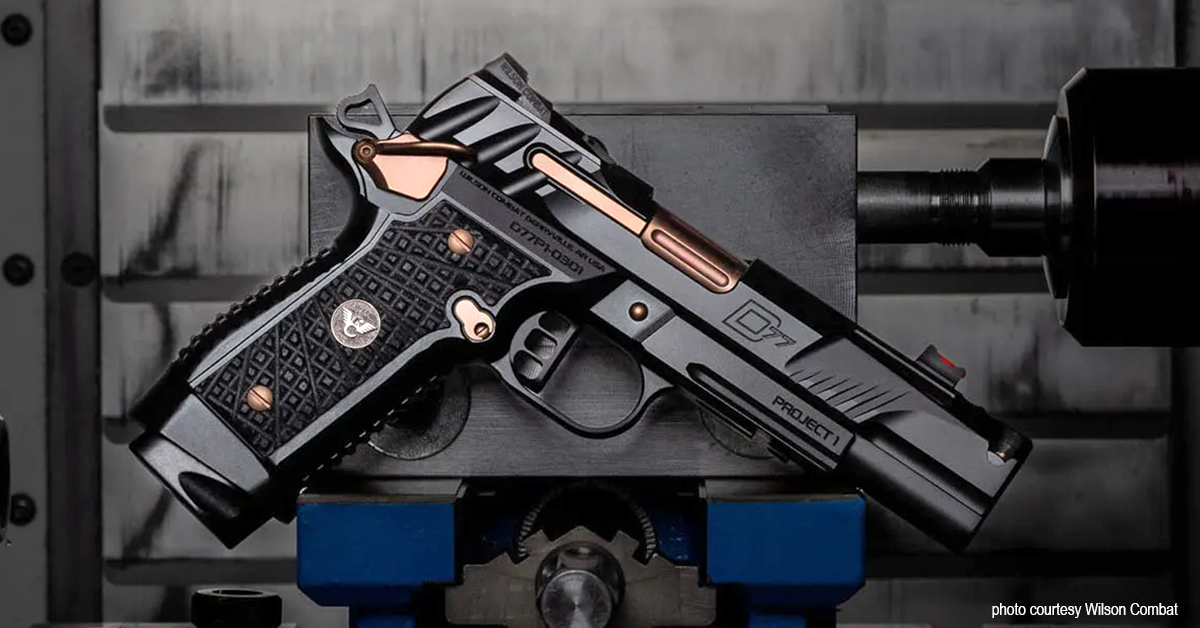
I live happy just knowing such a pistol as the Wilson Combat Division 77 exists in this world and what man may achieve. This is a superbly built handgun according to the images and my past experience with Wilson Combat. Start filling your piggy bank as they start about seven grand. There are handguns in use by competitors that cost more when all is said and done.
Live Free Amory Apollo 11
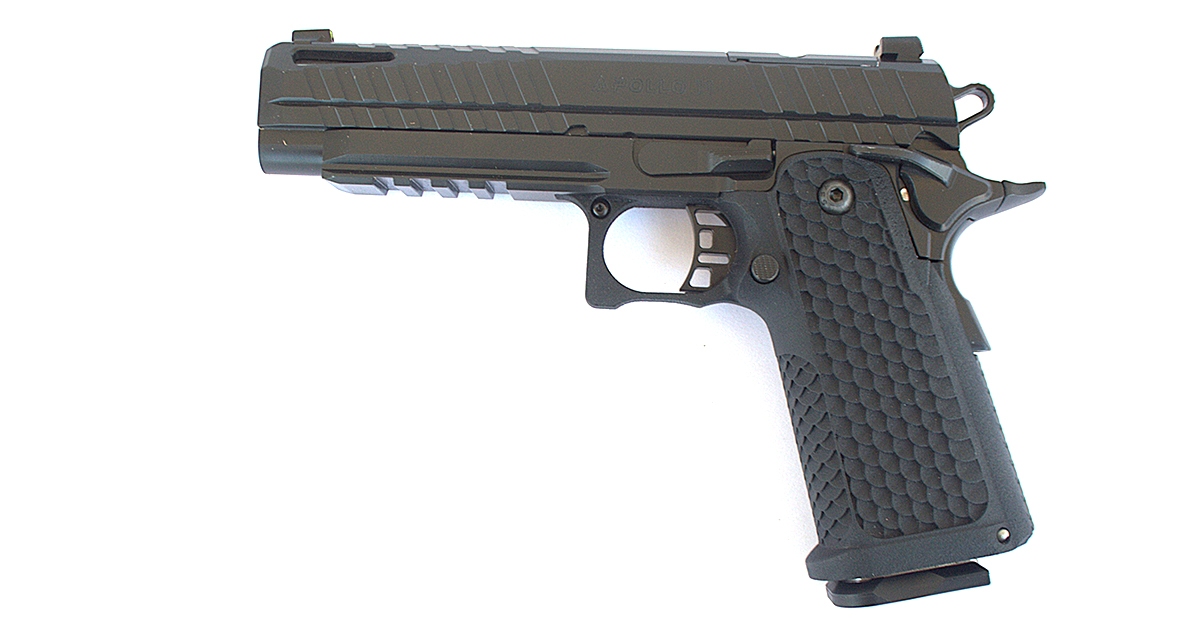
The Apollo 11 guns from Live Free Armory are more toward a 1911 than a 2011 but they certainly have merit. LFA has strived to build an affordable high-capacity 9mm, and they have done so. (They also offer a metal frame Glock clone.) You get what you pay for, and, in this case, you get a tractable, fast-handling pistol with good accuracy.
Import Guns – Overall, there seems to be an equal amount of adherence to and avoidance of these DS type guns. Hang around the indoor pistol range and you learn a great deal about performance. They don’t win matches and, at this point, reliability is suspect. Since the 2011 is, by definition, a high-performance handgun, you will not prosper by going cheap.
Is the 2011 the gun for you? If you choose a good example, you will not be disappointed by performance. Accuracy and reliability are there. The 2011 is among the most enjoyable handguns to fire and use that’s available. From the full-length pistols to 3.5-inch defense guns, the 2011 has many choices. And in the quality guns, they are very good choices.