“Tactical” and weapon-mounted lights may have a cool-factor appeal to some, but their purpose and essentialness for home defense is deadly serious
by Paul G Markel
Startled awake by an unexpected sound, the man climbed out of bed and removed the pistol kept on his nightstand from its holster. Moving toward the direction of the noise with a pistol in his right hand, he activated the flashlight held in his left hand and he was relieved to see that the source of the sound was his daughter. The young woman had decided to come home a day early from college but had neglected to inform her parents.
A similar but tragic story played out in Columbus, Ohio, a few years back. In this situation, though, a father fatally shot his daughter in the dark, mistaking her for an intruder. The difference came down to one simple aspect — positive target identification.
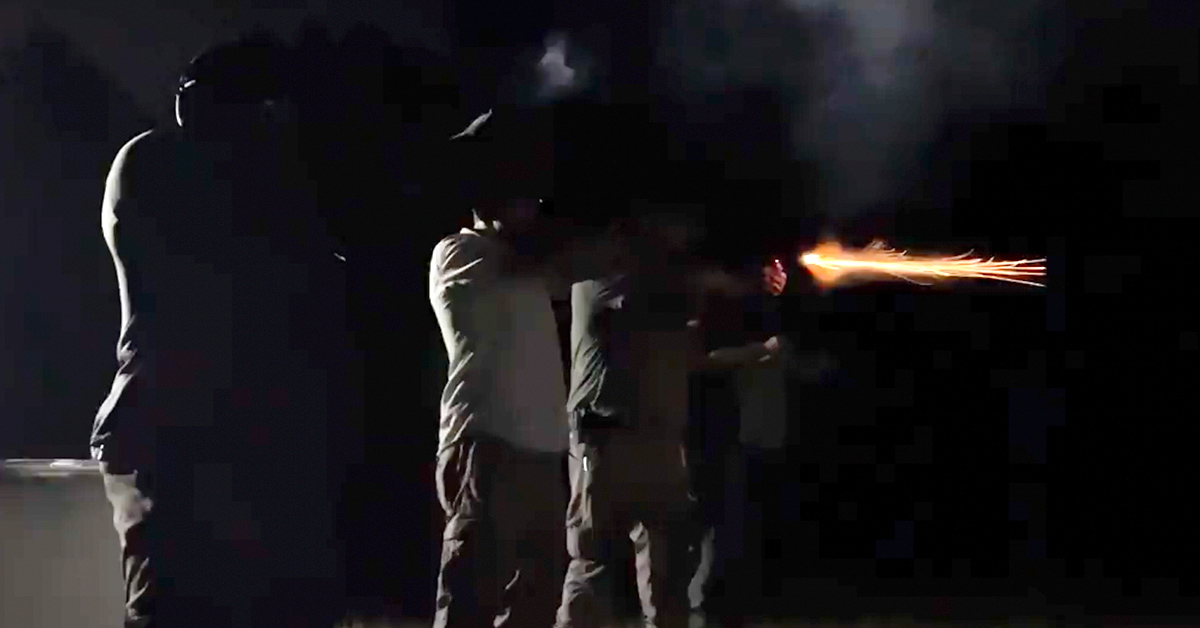
The first incident was related to a class of students present for our recent Advanced Martial Application of the Pistol course, which included low-light/night shooting, by the father of the college girl. Fortunately for all involved, he had been habitually keeping a powerful flashlight within easy reach while sleeping and that good decision prevented tragedy.
Night Shooting
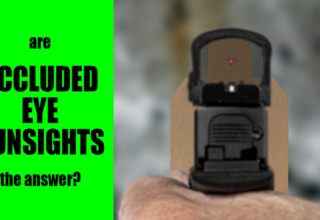
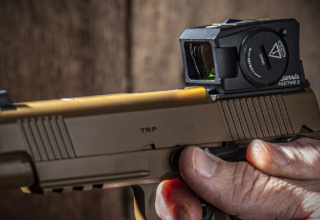
Sadly, I find that when the subject of low-light or night shooting comes up, most of those in the conversation steer the topic immediately to “night sights.” Yes, having the ability to see the front sight on your pistol in low light or darkness is a good thing. I fully endorse the products from Night Fision, particularly the Accur8 tritium sights.
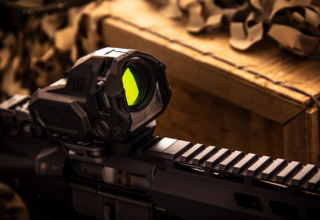
HOWEVER…whether it is a tritium sight or a red dot optic, neither one of those tools assist the shooter with positive target identification. Do you remember Universal Safety Rule 4? You know…know your target, what’s around it, and what’s beyond it? Well, that does not just apply to the shooting range; it applies to the real world and potential lethal force encounters.
Tactical Lights: Bullet Magnets or Life-Savers?
Few folks would argue that having a bright “tactical” light is a bad idea, although I have known some to pontificate that they would not use one because “lights are bullet magnets.” Yes, in the darkness, when faced with an armed threat, a light absolutely can be a bullet magnet. You know what? That does not alter your responsibility to be 100% certain of what you are shooting at. Only Joe Biden can get away with shooting at shadows or scary sounds.
Responsible, intelligent citizens should not be firing in the direction of scary noises, shadows, or dark silhouettes. If you are startled by an unexpected noise, your brain will start filling in the blanks. Before you get out of bed, in an adrenaline-filled state, your brain has convinced you that your home is being invaded. Minus the ability to positively determine what is actually happening, you are setting yourself up for a life-altering disaster. The Columbus incident was not the only one. A similar situation happened in Colorado Springs, Colorado, where another father shot his daughter by mistake.
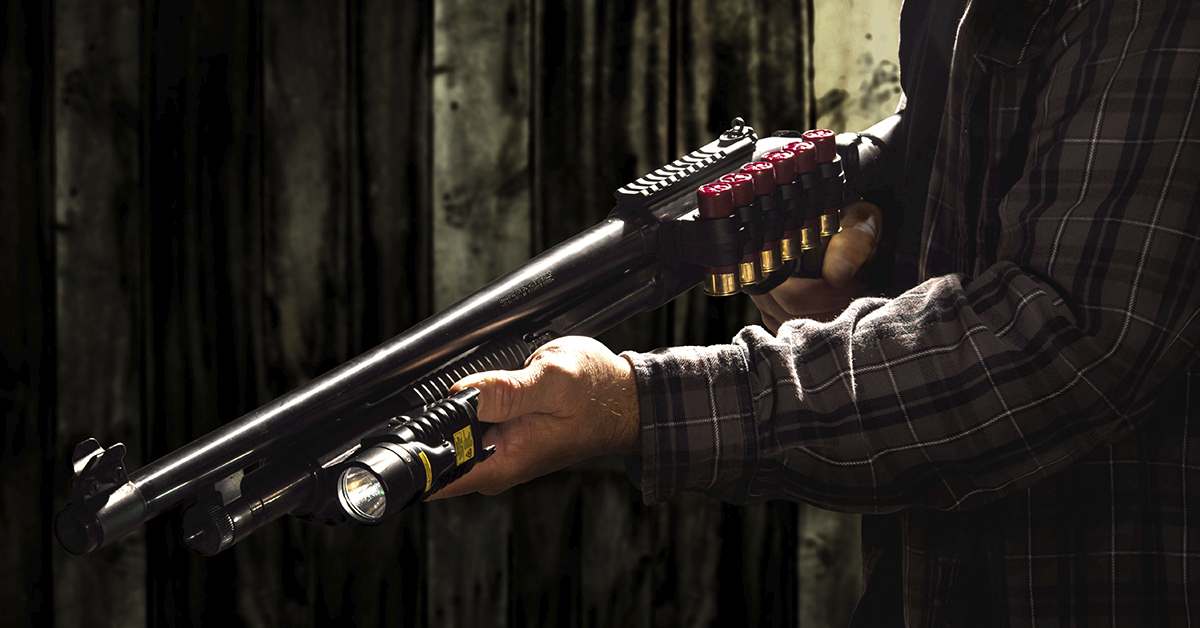
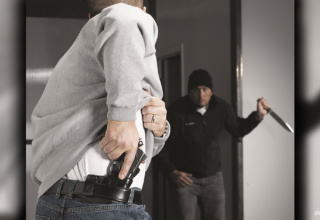
The question becomes how do we balance the tactical reality that a light can be a bullet magnet if there is an armed threat in our house versus our absolute, non-negotiable responsibility to positively ID anything/anyone we shoot? In the very first incident we listed here, a bright light was an absolute life-saver.
Training
Despite the fact that each year the FBI Uniform Crime Report confirms that at least 50% of officer-involved shootings take place in either situations of low light or diminished light, the percentage of gun carriers who train in low light and darkness is miniscule. If we were to be honest, we’d find that less than one percent of those who claim to own firearms for “home defense” have ever attended training where they practiced using them in the dark.
Many moons ago, I went through the fantastic Surefire Institute Low Light Instructors Course. There was a tremendous amount of material presented to the student instructors, but one of the core principles was light-and-move. In order to mitigate the bullet magnet issue yet ensure we are ID’ing our target, we illuminate the area quickly using the momentary switch of our light and take a quick mental picture. That quick picture provides your brain with data from which to make a decision. The moment the light is off, we move our feet so to move our body away from that momentary light source.
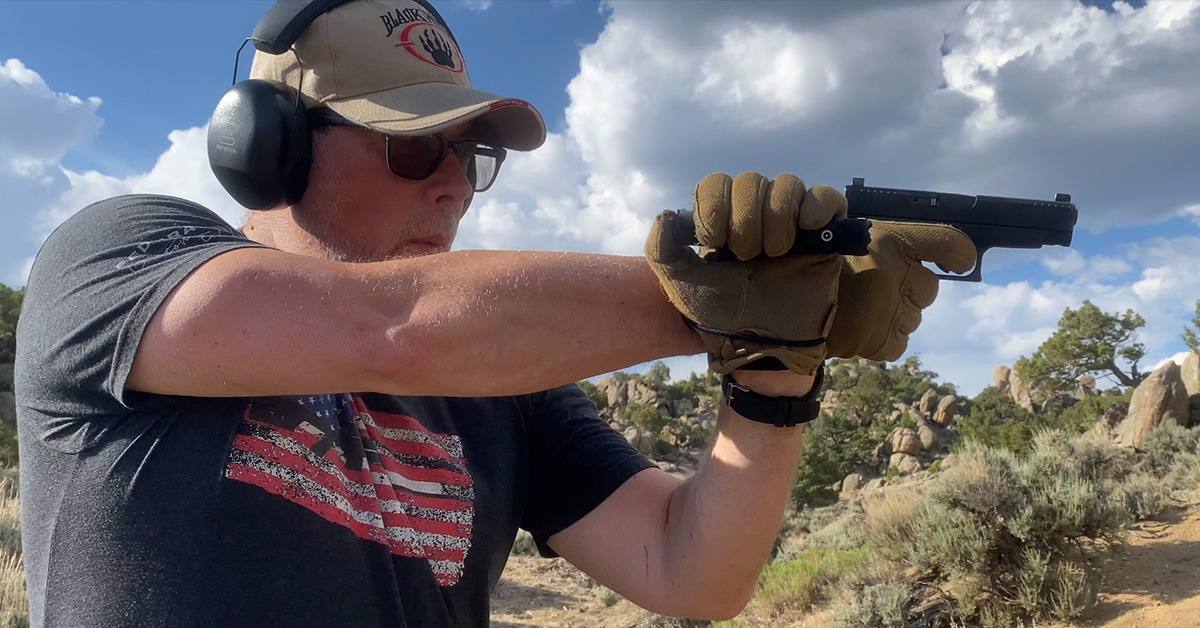
During the aforementioned Advanced Martial Application of the Pistol Class, students were presented with scenarios where they had to use twilight, ambient light, and handheld lights to make shooting decisions and engage targets. Shooting in low light has many challenges, amongst which are dealing with depth perception issues and varied light conditions. During training, we view dark, shadowy areas as holes and “all holes contain rats” as one of my instructors used to say.
Also, it is a reality that as our eyes age, our ability to see and perceive images in darkness diminishes. Even if you have “good vision,” a man in his 40s or 50s is going to need four times the white light that an 18-year-old would need to see and perceive images in the darkness. The solution to this issue is to pour on the white light.
The Tools
Thanks to many factors, GWoT being one, the quality of tactical lights available today is off the charts compared to only 20 years ago. We don’t use “candle power” to describe the power of a light now; we use “lumens.” Both rechargeable and disposable battery-operated lights offer tremendous run time. LED lights have replaced the older bulb technology. A 200-lumen handheld light is a great place to start.
The question that many gun folks have is: weapon-mounted light or handheld?
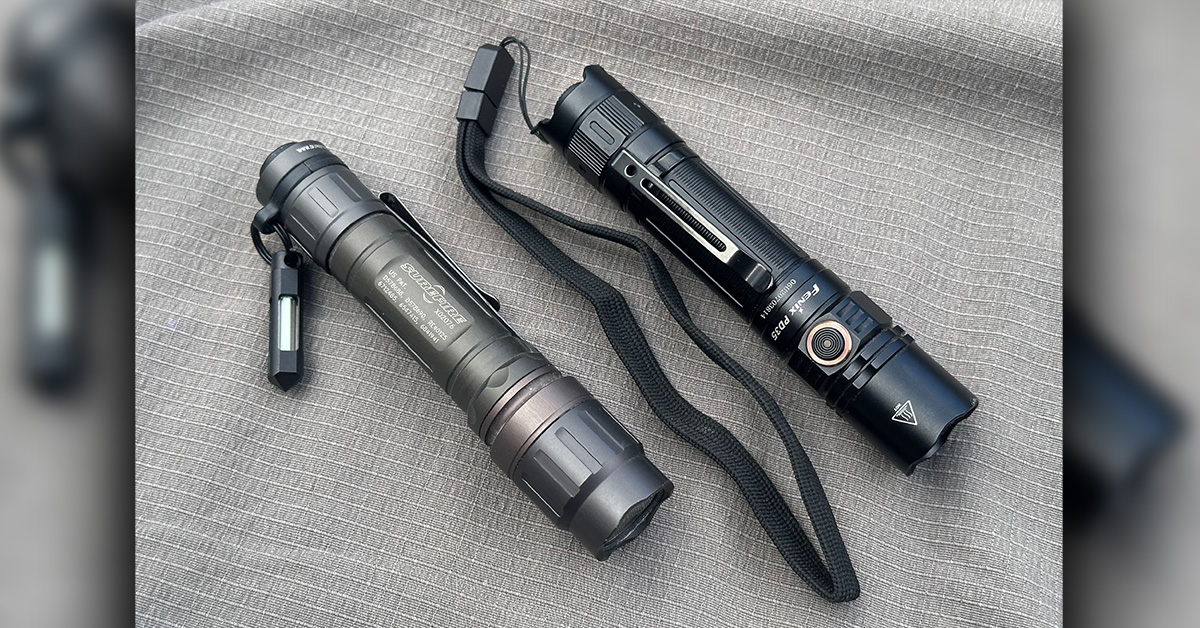
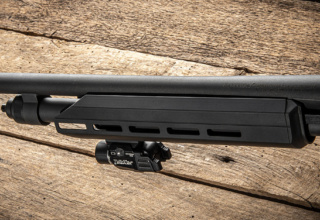
When it comes to a weapon-mounted light, you must accept that such a lethal tool is not a utility light. What you have is a deadly force instrument — a gun — with a light attached. Having a weapon-mounted light does not relieve you from the responsibility to carry a handheld light. You either have a handheld light only, or you have a weapon light and a handheld light.

Regarding the configuration of the tools at hand, one of the most basic for a handheld light is the tailcap switch. All tactical lights must have a tailcap switch and that switch must offer a “momentary” light option.
As for weapon-mounted lights, you have “rocker” switches, “pressure” switches on the unit itself, and “remote pressure switches” — sometimes called “tape switches.” Which one is the best has been a subject of debate for well over two decades now. Regardless of the type of switch you choose to have on your weapon-mounted light, you must train with that tool under realistic circumstances to understand its capabilities.
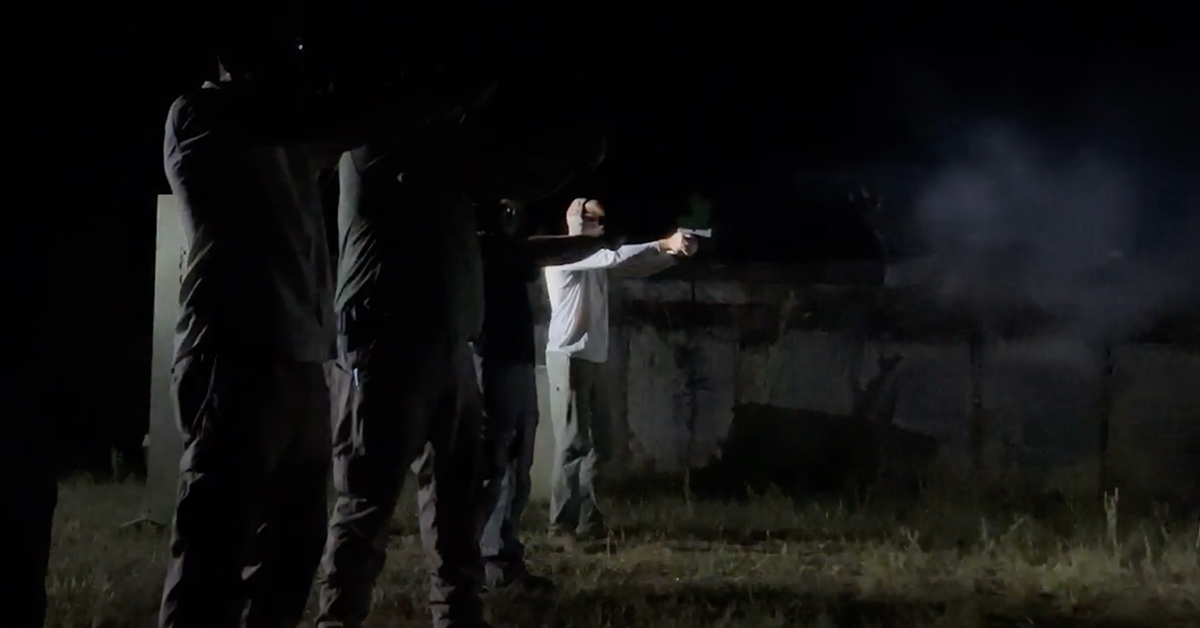
How we use both the handheld light and the weapon-mounted light in a tactical fashion during a potentially life-threatening scenario is, once more, a matter of training. Only a fool thinks, “I know how to turn on a flashlight, I don’t need to train.” Mistakes made in the dark can be deadly mistakes. How do you go from simply searching in the dark with a flashlight to instantly fighting with a light and a gun in your hand? How do you build genuine confidence with the tools?
Parting Thoughts
No, shooting in the dark is not a basic or entry-level skill. Most professional schools and academies require that students pass pre-requisite training before moving onto the more advanced skill of night fighting. This is both prudent and expected. Nonetheless, having to take a pre-req course before you take a low-light course should not be an excuse not to participate in that training.
At the very least, I would hope that this brief article will convince you that you have a non-negotiable responsibility to have not only a firearm for home defense, but also a bright tactical light that you have the confidence and ability to use under stress. We should all understand that one single mistake made during a second or two of error can lead to a lifetime of regret. I cannot fathom the unimaginable sadness and regret of negligently killing a family member.
Take your preparation and training seriously and prepare accordingly.