It’s a dangerous world out there, which is why more people are adding concealable body armor to their everyday carry gear. Here are five great systems that are priced right.
by Rob Reaser
We spend piles of time and money — and rightly so — on hardware needed to keep ourselves safe and to be ready to defend the homestead. Not as much thought, unfortunately, goes into medical preparedness and trauma mitigation.
While we regularly lean on the insights and advice of field trauma expert, firearms trainer, and Shoot ON contributor Paul Markel for guidance on the emergency medical front, we haven’t put a lot of consideration toward the discussion of body armor as an integral component of any personal defense or safety strategy.
Now, I know there are many folks reading this who may think that body armor for civilian use is nothing more than tacticool fanboys playing Army. I’ll grant you that truly is the case for a lot of guys who spend big money on plates and carriers that they further weigh down with enough gear to go into battle. I won’t even mention helmets and NVGs.
Hey…whatever rocks your world.
For several years, though, I have taken a more practical approach to body armor.
The highway can be a dangerous place. That’s why I have committed to wearing ballistic protection any time I am on a road trip. Why? Because I could be pumping gas at any Interstate exit and some random nut case might try to shoot me for my vehicle or for cash that I never carry.
There are other reasons.
Why Wear Body Armor?
If 2020 taught personal defense practitioners anything, it is that you could be driving through any metro area, minding your own business, and suddenly find yourself engulfed in a rage-filled mob.
Heck…you don’t even have to think back that far.
As I write this, Minneapolis is blowing up, with anti-law enforcement agitators actively committing violence and applying well-coordinated mob tactics against Federal law enforcement members who are simply carrying out their lawful duties. And this is happening in the outliers of the city — the suburbs, where you may easily find yourself. If you get trapped in that kind of mess and the mob realizes that you are not on their team, heaven help you.
Consider another example where wearing body armor is a prudent measure — a public shooting range.
In my area, public ranges are set on relatively remote, state-run Wildlife Management Areas. They are unsupervised, and there is no range master or safety officer to keep the public in check. It is a total free-for-all situation that depends on all participating shooters adhering to universal safety protocols. For the most part, the shooters exercise good safety practices. But I’ve seen benches occupied by pure idiots doing purely idiotic things. That’s why I now refuse to go to a public range. But if I were to go to one, I would absolutely be wearing body armor and making my stay as short as possible.
Another thing to consider is that ballistic armor doesn’t just protect you from bullets penetrating your innards. They can arrest knife penetration and keep other sharp, pointy objects from running you through. Assault with a knife is still a thing. Witness the depraved subway murders that have made headlines in recent months. But then, a knife attack could happen anywhere, like in a box store or supermarket. (Do I need to bring up recent headlines again?)
I’ll give you another argument for the wearing of body armor. This connects somewhat to my road trip reason for wearing it. The ballistic panels that make up a body armor system can distribute impact energy and help prevent or minimize blunt force trauma that could occur from, say, a vehicular accident.
Noted firearm expert Massad Ayoob, in a video posted on Wilson Combat‘s YouTube channel, offers his first-hand experience how body armor saved his life in a vehicle crash. It’s worth the listen…
Too Much Bulk?
No doubt, many of you with a personal defense mindset would wear ballistic armor on a regular basis if not for the fact that you consider it to be bulky, heavy, uncomfortable, and totally impractical for daily wear. To that I would agree, to varying degrees.
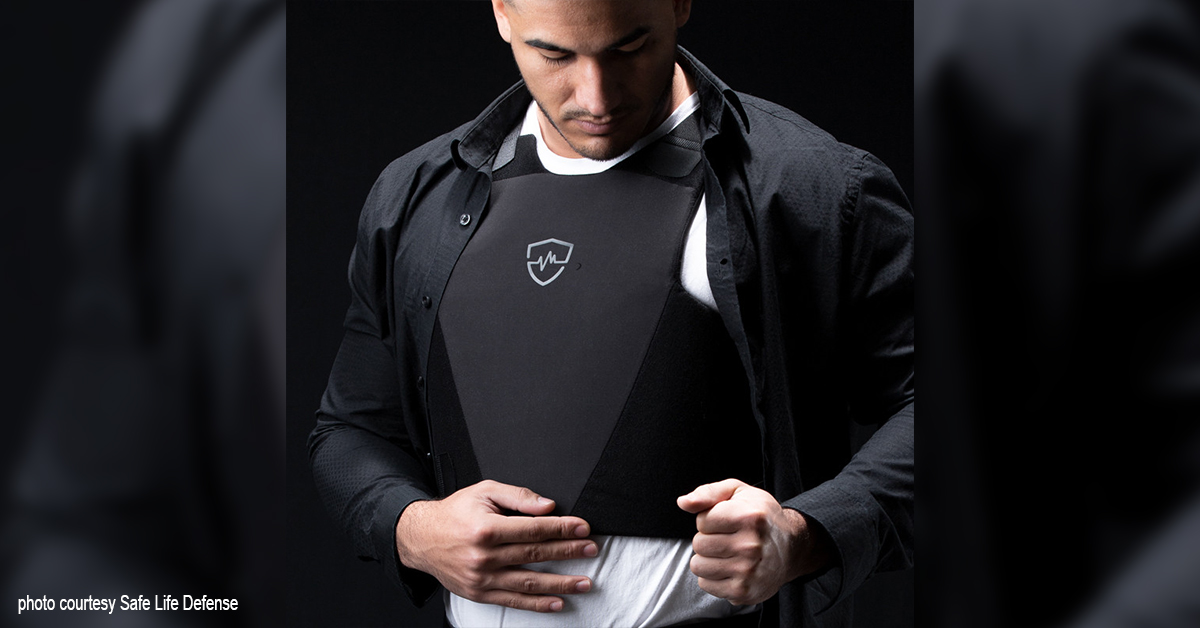
But body armor does not necessarily mean heavy steel or ceramic plates that must be worn in a robust tactical plate carrier. On the contrary, there are several types of concealable armor options (often referred to as soft armor) that can be worn discretely under casual clothing. Granted, these work best in cooler weather conditions when the armor is easier to conceal and the body heat it traps is welcome rather than a nuisance. Nevertheless, there are several options in the concealable armor category that you might want to consider.
Protection Ratings (Levels)
Standards of body armor ballistic resistance follow those issued by the National Institute of Justice, which is under the U.S. Department of Justice. In 2023, the NIJ issued new standards (0101.07 and 0123.00). This replaces the “Level” standards that those of you who are familiar with armor ratings will recognize and that are still used by some body armor manufacturers.
The new ballistic resistance rating system makes more sense than the often-confusing Level system. There are two handgun ratings, or threats (HG1 and HG2), and three rifle ratings, or threats (RF1, RF2, and RF3).
- NIJ HG1 – replaces Level II
- NIJ HG2 – replaces Level IIIA
- NIJ RF1 – replaces Level III
- NIJ RF2 – a new protection rating that includes RF1 resistance plus resistance to 5.56mm M855 ammo
- NIJ RF3 – replaces Level IV
High-velocity rifle cartridges obviously demand heavier armor to prevent penetration than handgun cartridges require. Since this roundup article focuses on concealable armor options, that necessarily points to handgun-rated soft armor, or fiber panels, and not metal or ceramic plates that are essential for stopping high-velocity rifle bullets.
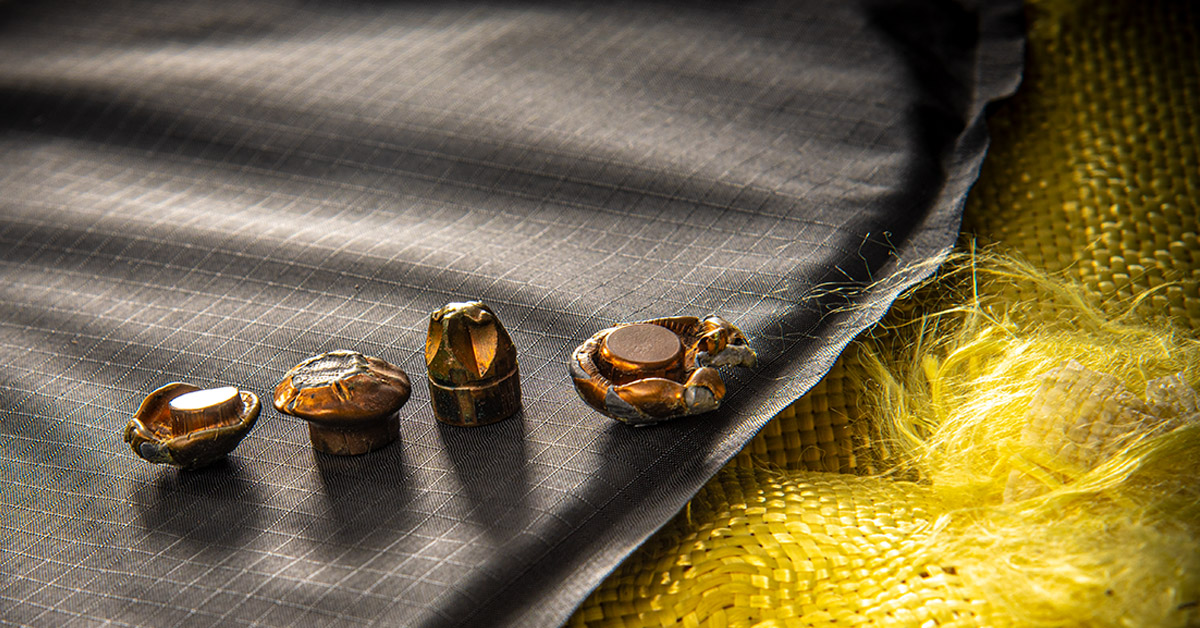
Our roundup here will only cover HG2/Level IIIA concealable armor designed to resist penetration of handgun-caliber ammunition up to .44 Magnum and 12-gauge shotgun buckshot and slugs, plus blade/spike penetration. You could opt for HG1/Level II armor, which is thinner and lighter in most cases, but I see no reason to go this route. This rating reduces your penetration-resistance capabilities, and whatever gains you may achieve in thinness and weight savings probably wouldn’t be noticed by most users. Better to go with the maximum protection option of HG2/Level IIIA for your concealable armor needs.
Safe Life Defense
Two of our top five concealable armor picks come from Safe Life Defense.
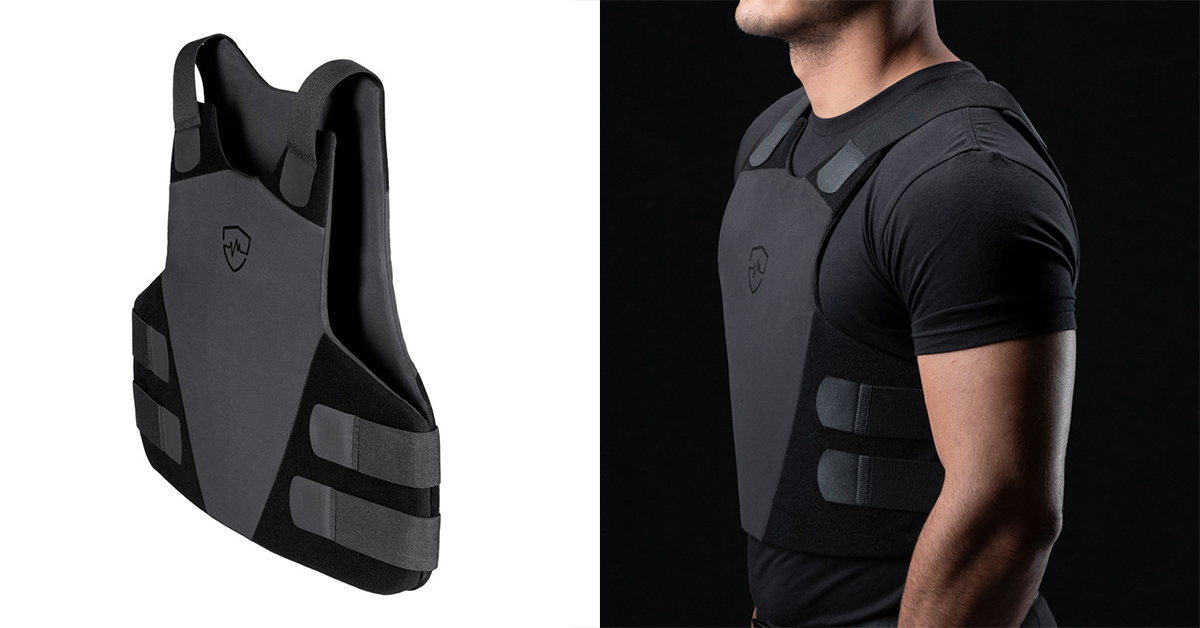
If you are willing to pony up $1,128, the Hyper Concealable Hyperline Vest is our pick of the litter. This soft armor system is as thin and light as it gets. Each ballistic panel is a mere 0.19 inches thick while the carrier is only 0.03 inches. Everything about this setup is geared towards optimal concealability and ease of wear. There are 12 adjustment points to ensure a close and comfortable fit, and you can even wear it next to your skin, under a T-shirt. Despite the Hyperline armor’s thin profile, it boasts a Level IIIA/HG2 rating and falls within the NIJ Safe Zone of 44mm for backface deformation (BFD).
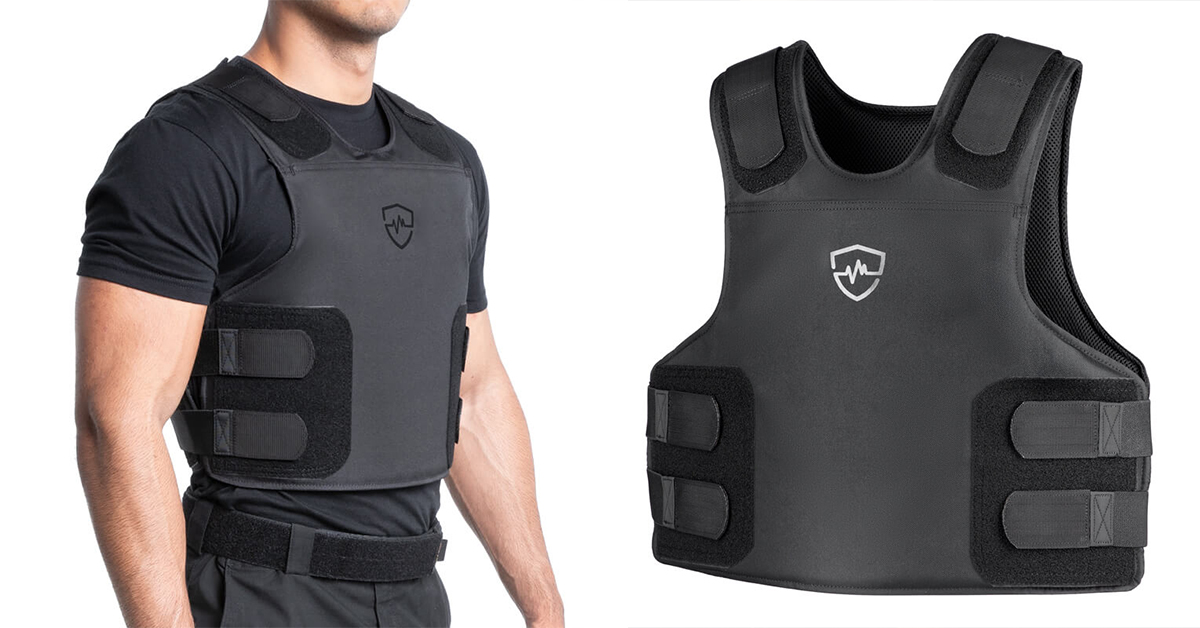
A more budget-friendly option at $599 is Safe Life Defense’s Concealable HG2 Multi-Threat Vest. This vest offers 10-point adjustability and full side protection. It also features an HG2/Level IIIA resistance rating. A bonus is that this vest comes with a mesh interior lining, so it provides space for air to move between your body and the carrier. This breathability is a huge benefit when wearing the armor in warm conditions.
OmniProtex OPX Concealable Body Armor
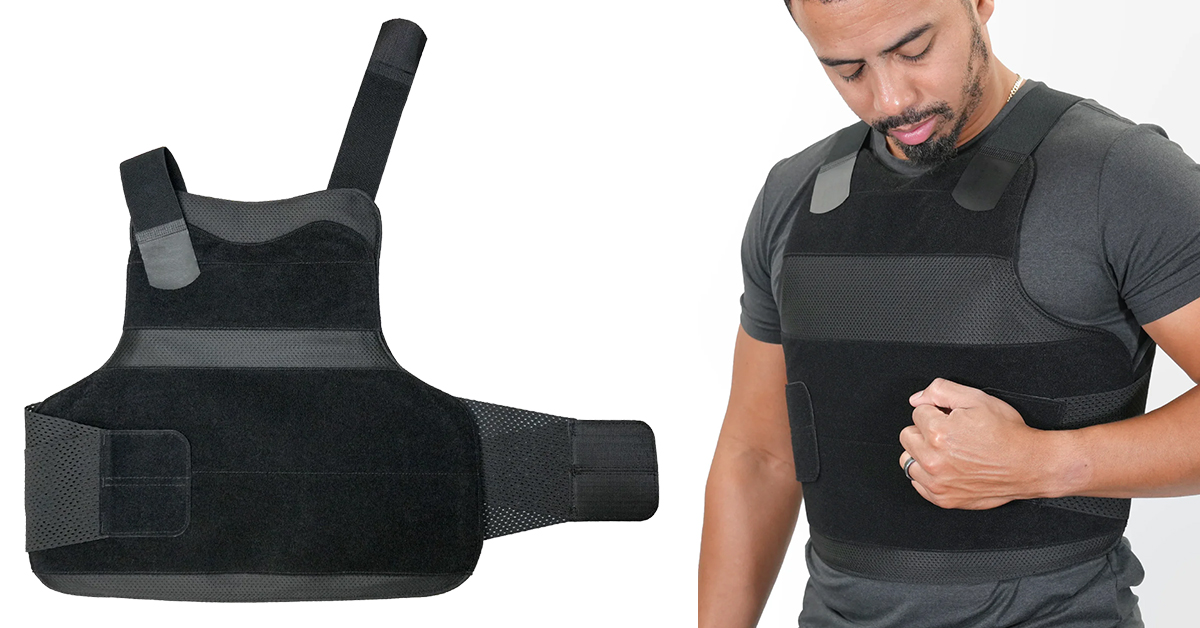
The OPX Concealable Body Armor by OmniProtex is another lean and trim solution for those looking for an everyday-wearable soft armor system. This is a unisex design that offers good side coverage with eight-point adjustability for a just-right fit. Pricing for the OPX series varies depending on the protection level you choose. The OPX-Elite is priced at $849 and carries the older Level IIIA resistance rating (Standard 0101.06) for handgun cartridges up to .44 Magnum. The OPX-Ultra ($999) is Level HG2+ rated with the new Standard 0107.07 and can withstand impact from monolithic solid copper handgun bullets. Finally, there is the OPX-HG2, which is the lowest priced system in the series at $599. It also boasts the new NIJ Standard 0101.07 and uses the company’s OmniPROTEX multi-layer ballistic construction to optimize energy distribution while controlling BFD.
RTS Tactical Relentless Body Armor Compression Shirt
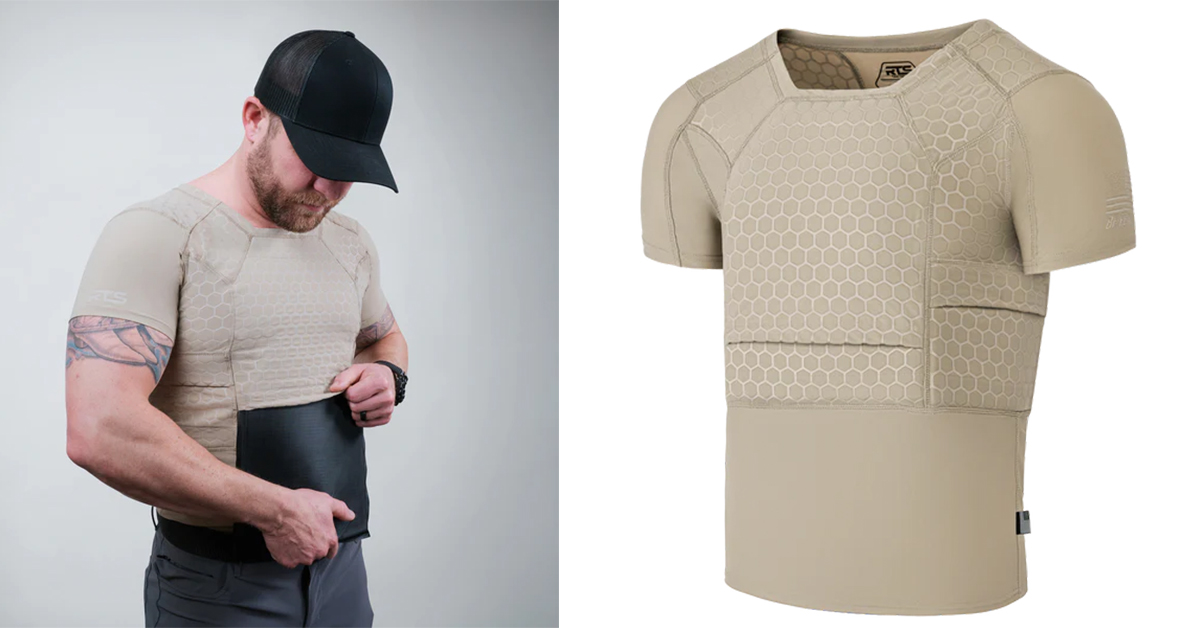
Another super-concealable armor system, and perhaps the most concealable of our top six picks, is the Relentless by RTS Tactical. The Relentless features a compression shirt with integrated panel pockets to accept RTS Tactical’s HG2 ballistic panels. These include large front and back panels and two side panels. The SpeedCoreX compression fabric doesn’t restrict mobility, yet it is supportive enough that the pockets keep the ballistic panels securely in place (no bouncing or shifting). At $595.95, the system is affordable, but being worn as an undergarment, this may not work for those desiring everyday protection, even though the manufacturer states that the shirt is odor resistant. Currently, RTS Tactical does not offer the compression shirt as a standalone item.
Premiere Body Armor Everyday Armor T-Shirt 360
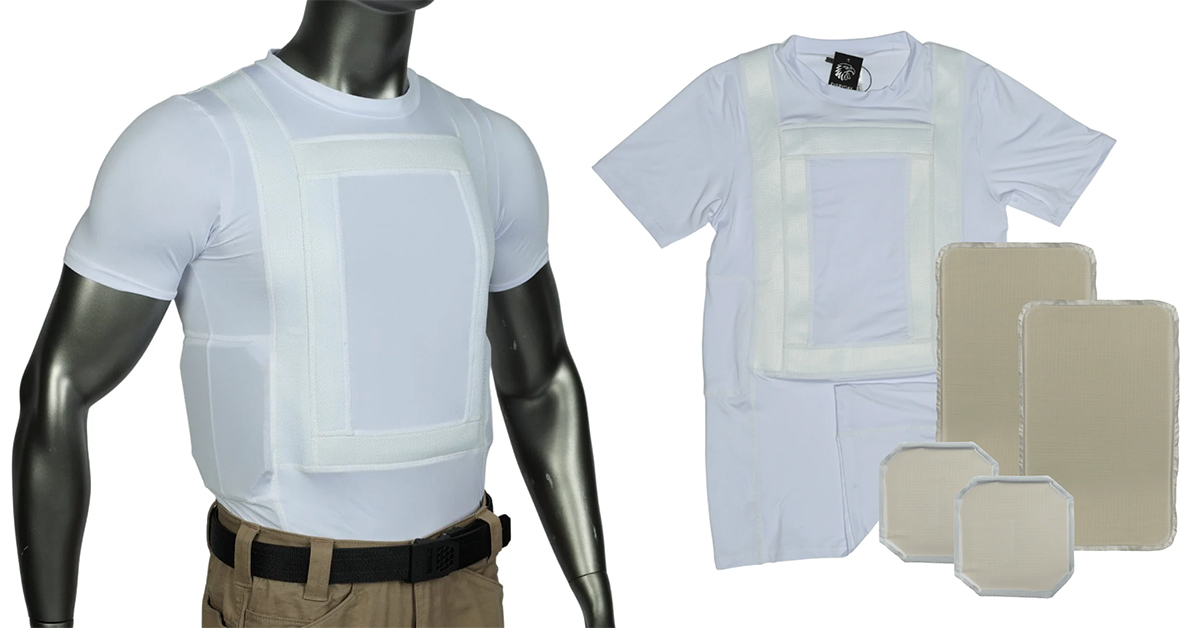
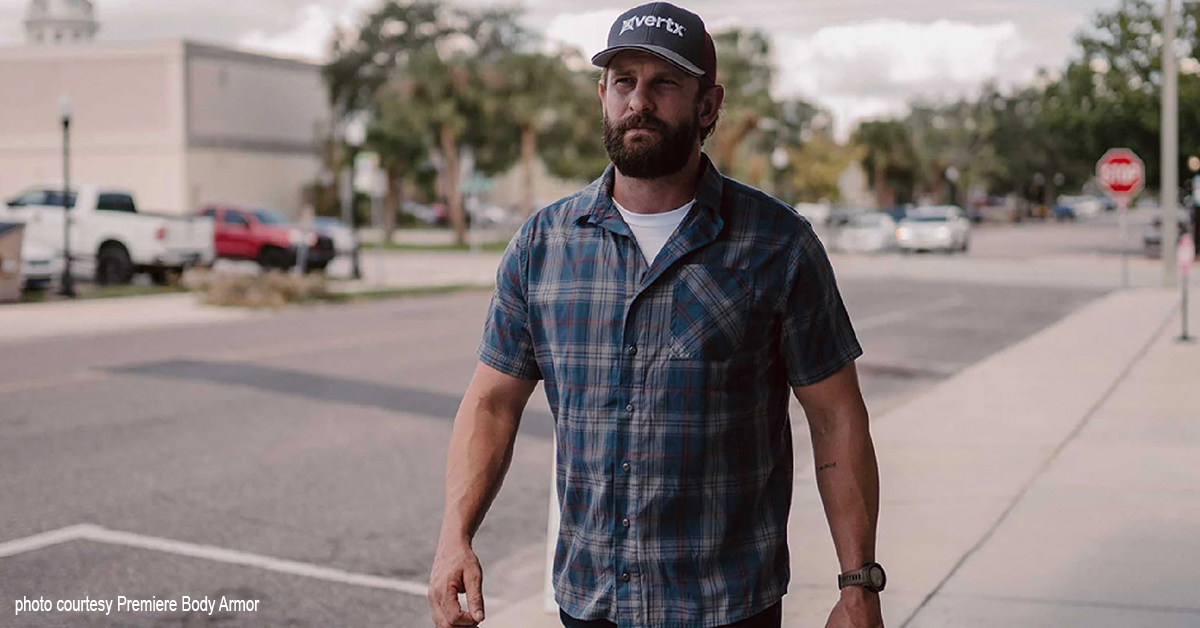
Another base layer armor option is the Everyday Armor T-Shirt 360 by Premiere Body Armor. Built around a compression undershirt, this is the most affordable of the concealable armor options on our list at $379.99. This T-shirt carrier provides full cardiac box coverage with its 7.75×12.75-inch Level IIIA front and back panels and it comes with 6×6-inch side panels. The compression design keeps the panels snug to your torso for maximum concealability and ease of movement.
As you can see, there are two general options for concealable body armor — one that uses a slip-on carrier system that you wear over an undergarment and one where the system is the undergarment. One of the advantages of the slip-on carriers is that they can be worn many times between washing, making them ideal for those who wish to wear armor daily with a standard T-shirt base layer. The advantage of the T-shirt-style carrier, on the other hand, is that it offers the ultimate in concealability and comfort; however, the need for frequent washing means it may not be your best choice for daily wear.
Consider all this before you decide which system is right for you.