Kimber’s K6xs .38 Special is a mighty mite backup revolver that’s easy on the hip and easy on the wallet
by Bob Campbell
My carry guns are well thought out. None are simply fashion accessories or afterthoughts. A Commander .45, three-inch barrel .357 Magnum revolver, and a Glock Model 49 9mm are among my go-to pieces. Yet no matter the handgun, I primarily rely on a snubnose .38 Special as the backup.
A capable, reliable and trusted tool, the revolver has many advantages in concealed carry. A concealed hammer revolver may easily be drawn without snagging, and firing from inside a pocket is possible. A revolver may be thrust into the adversary’s body and fired until empty without danger of failing to fire, making it an advantageous piece for many roles, including animal defense.
There are advantages to the revolver, but disadvantages as well. This isn’t a handgun you may leave in a drawer and fire occasionally and expect to be a formidable shooter. Capacity isn’t the strong suit, with only five shots in most versions. But there are revolvers that address the snubnose handgun’s shortcoming and make for an improved platform.
With the introduction of a new Kimber snubnose revolver, I thought it wise to revisit the original Kimber and take a hard look at their new lightweight revolver.
In 2016, Kimber introduced a compact double-action revolver. The K6S is a steel frame stainless steel handgun. The cylinder features six chambers in a profile scarcely larger than a five-shot cylinder. The double-action-only trigger is smooth and tractable in firing. The action is based on proven principles but with certain improvements, such as an improved hand (pawl) design. The result is among the most sophisticated revolvers of the previous twenty years. Kimber chose to offer the revolver in .357 Magnum. The original barrel length is two inches. The K6S features a humpback grip frame concealing the hammer. This allows for snag-free presentation from concealed carry. Further, the geometry helps control recoil in a superior fashion to exposed hammer revolvers.
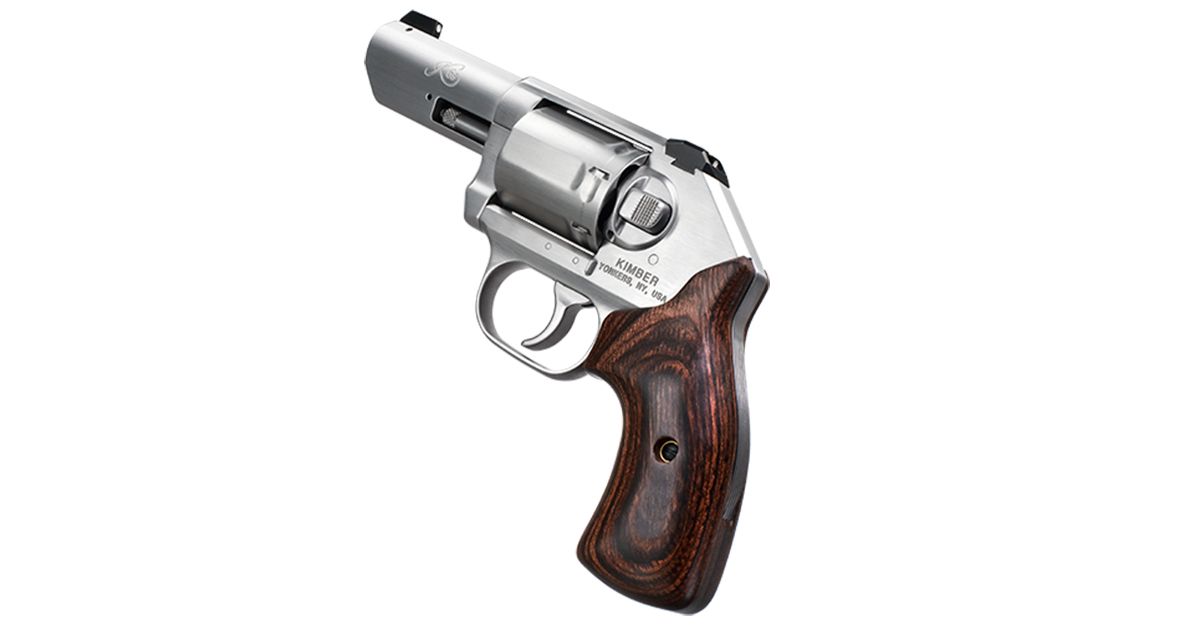
Since then, Kimber has offered several versions of the K6S, including a three-inch barrel version and a four-inch barrel revolver. Kimber also offers a K6S variant with an exposed hammer. I can understand the desire for a single-action trigger press for a field gun designed for outdoors use, and the four-inch barrel exposed hammer version fits that design envelope well. For my use, the concealed hammer revolver remains the best choice. For primary carry, a steel frame three-inch barrel Magnum is a great option. Even if loaded with +P .38 Special ammunition, you have a revolver that makes for excellent protection.
I have fired Kimber revolvers extensively. My takeaway is that they fit into that niche of guns often described as “shoots like a big gun.” They do that well. The Kimber revolver invites practice, and in the steel frame revolvers with proper handles, the piece is as comfortable to fire as most four-inch barrel K-frame revolvers. This accuracy comes from well-designed geometry, good sights, and a smooth trigger action. The demerit and trade-off are that, after unleashing a fifty-round box of full-power ammunition, your hands and wrist tell the tale: the lighter-weight revolver exhibits more recoil than a heavier handgun with a grip that spreads recoil out more than the Kimber.
This doesn’t matter much to me. The Kimber K6S is light enough to carry constantly, and when you need it, the K6S is accurate and reliable. It simply isn’t the gun to take to the range for an extended session with full-power ammunition. With target loads, which should be the majority load in the Kimber’s diet, the K6S is comfortable for a hundred cartridges or so. With .357 Magnum loads, you are best limited to a cylinder or two in an outing. The chamfered cylinder makes for rapid speed loads and the sights are excellent.
New Additions
An aluminum frame revolver, commonly referred to as an “airweight,” was missing from the Kimber lineup. Kimber addressed this with the aluminum frame K6xs. The K6xs incorporates several changes that allow Kimber to sell this revolver at a reduced price. Kimber K6S models begin at $1,061 MSRP and go up to just over $1448. The K6xs…$679 MSRP.
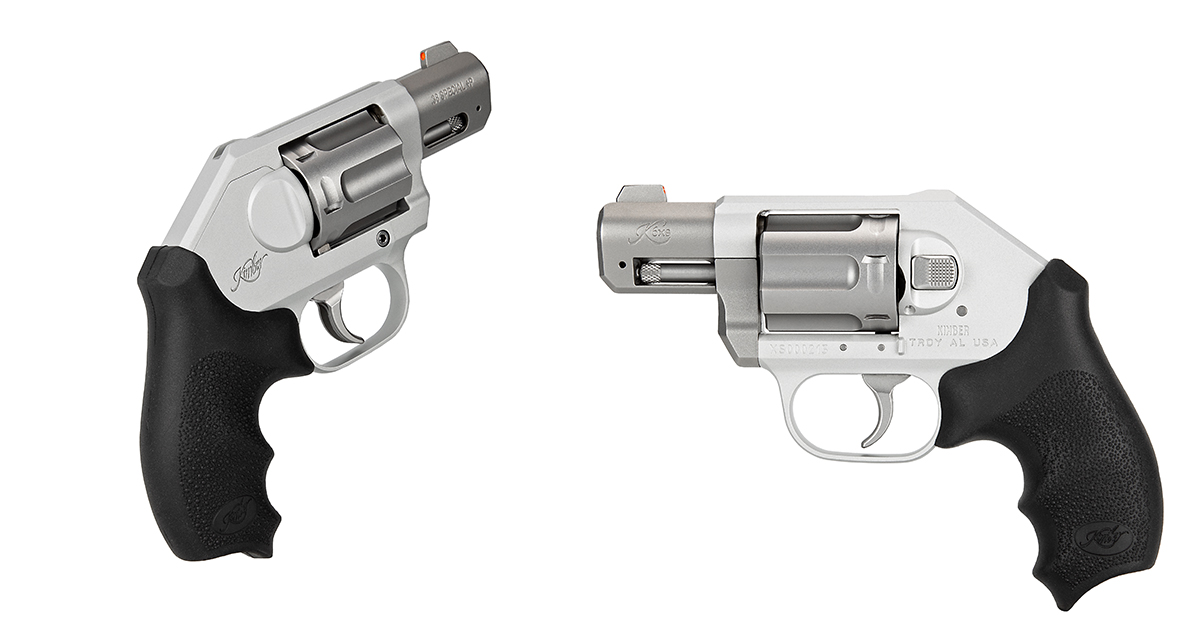
The first aluminum frame Kimber K6 variant is chambered in .38 Special only — a wise choice. With an eight-ounce weight saving over the steel frame revolver, the K6xs rides light on the hip…even in the pocket or on the ankle. The barrel is two inches long. While the frame is aluminum, the barrel, cylinder, and other stress points are stainless steel.
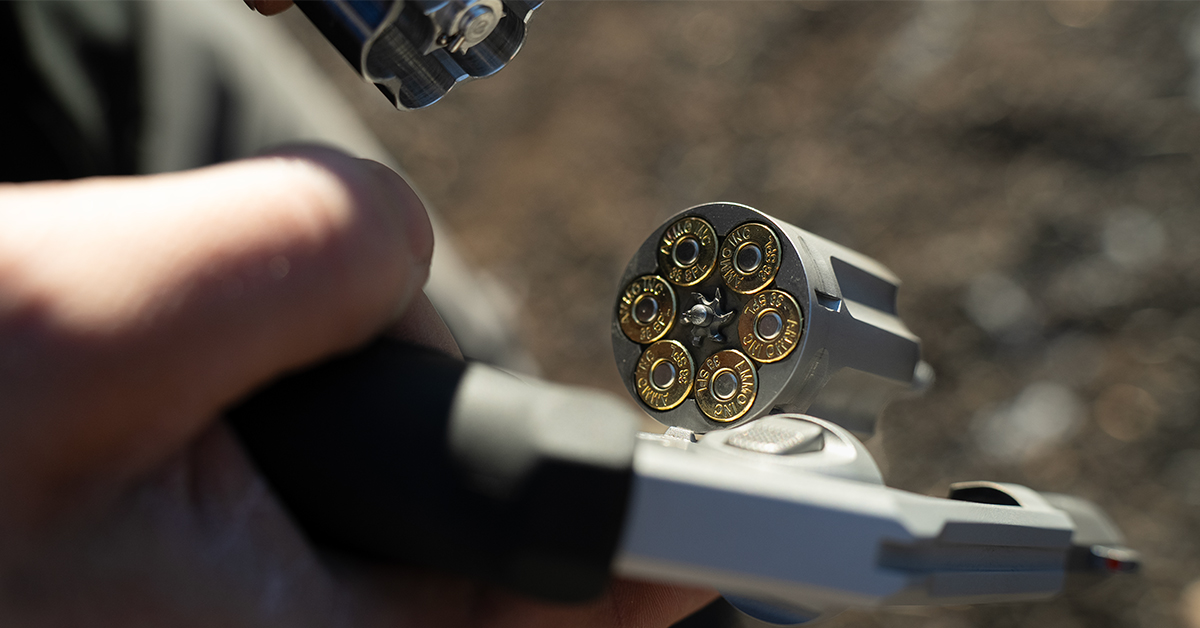
The six-shot cylinder is designed with flats that help make for a narrow profile. The cylinder features recessed chambers for safety. The charge holes are chamfered for easy loading. The finish is matte rather than the bright finish of more expensive variants. The grips are Hogue Bantam synthetic and offer a good feel, helping separate recoil from the frame and the shooter’s hand. The barrel is a heavy type for a snubnose, with a substantial underlug. The front sight is a post type with a bright orange enameled dot. The original K6S features high-profile fixed sights.
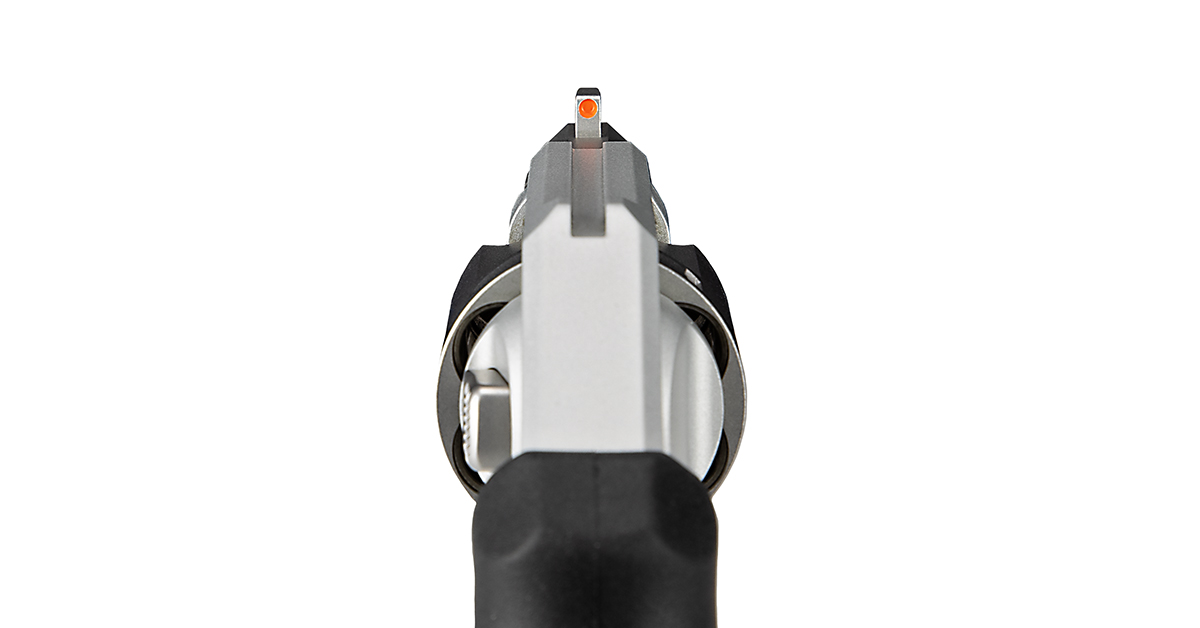
With the concealed carry niche of the K6xs moving toward the hideout role, the gun is designed with the more traditional groove in the top strap sight. The rear sight notch is squared off and visible.
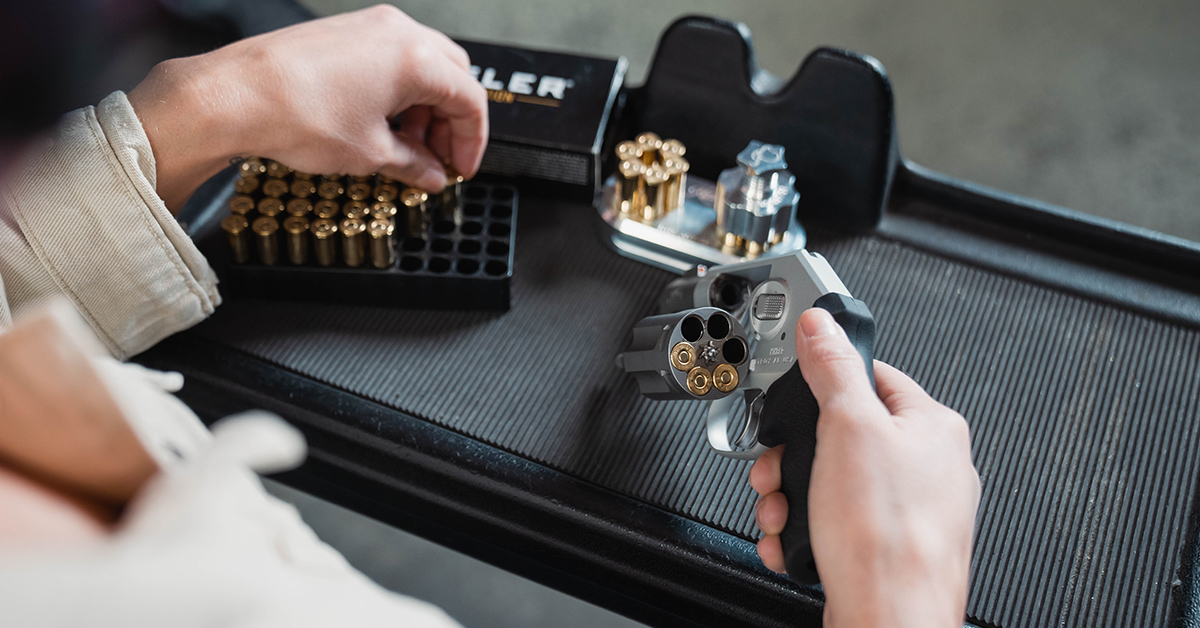
The cylinder release is typical for American revolvers. Press in on the release and push the cylinder out of the frame. Not only are the chambers chamfered to facilitate speed loader use, but the front of the cylinder is also slightly beveled. The beveled appearance looks good and keeps the cylinder edges from digging into a holster.
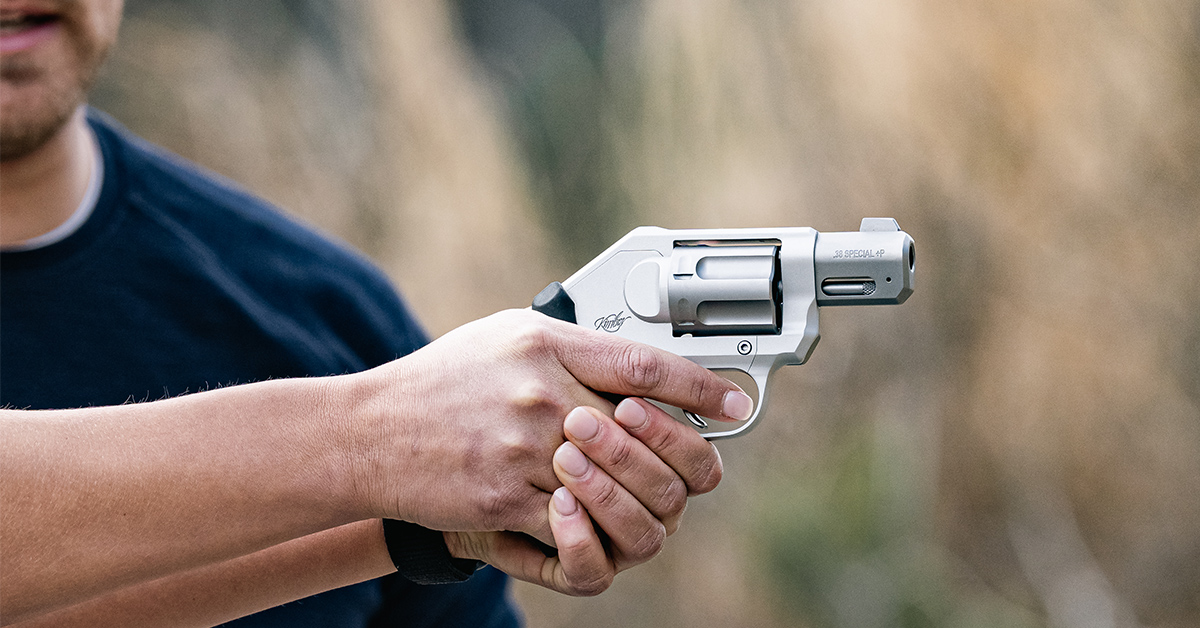
The double-action-only trigger is smooth and sharp. The action is fast — operating faster than most small revolvers due to the short throw. Well-thought-out changes to the J-frame-type lockwork have led to what may be the smoothest operating action in the industry. I found that when six-shot revolvers were converted to seven-shot lockwork, the action was rendered somehow shorter and therefore faster. The lockwork of the K6S is much the same. It takes some getting used to. Rather than a long, smooth action you have a short, sharp action that proves controllable with practice.
My example is fitted with Hogue’s G10 Bantam grips. They are not for everyone, but they make for greater control for my shooting style with the balance of adhesion and abrasion favoring abrasion. They are sharper than rubber grips and uncomfortable in extended firing sessions, yet they really work for me. After all, groups don’t save your life. The shots in the gun are what matters and how accurately you can deliver them. The revolver was evaluated with a mix of ammunition, including 130-grain FMJ, 158-grain RNL, and 158-grain FMJ in initial firing.
I fired 220 cartridges during the test and evaluation. Most were fired at short range in fast-paced drills that reflect the shooter and the handgun’s ability. The Kimber revolver gets on target quickly. A smooth trigger action and a highly visible front sight made for excellent results. Sight regulation is good at ten yards.
Recoil, though, is quite apparent. You know you have fired a powerful revolver with good wound potential. With standard velocity loads, the revolver isn’t a hand-stinging piece at all, but the push is present.
I tested Federal’s 110-grain Hydra Shock — an 800-fps load with good potential. Hornady’s 90-grain Lite is especially designed to offer good expansion and modest recoil at 900 fps. Moving to +P loads and others, including Buffalo Bore’s non-+P load with a 125-grain JHP at 900 fps, recoil was more noticeable. The Kimber will handle these loads but the shooter finds discomfort increasing as recoil energy is increased.
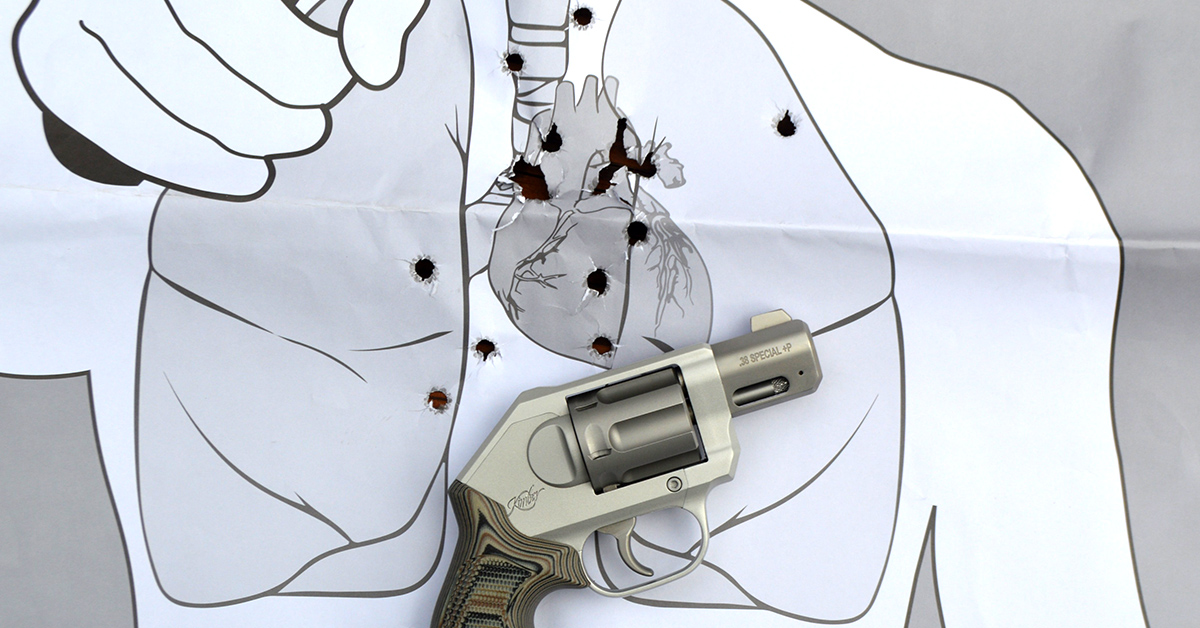
The revolver remained controllable yet speed between accurate shots was reduced by heavier loads. Among the loads tested was the Black Hills Ammunition Honey Badger. At 100 grains and over 1000 fps, this all-copper bullet has excellent wound potential. While recoil is there, it isn’t as great as heavy bullet loads in the +P range. It is tolerable for a few cylinders.
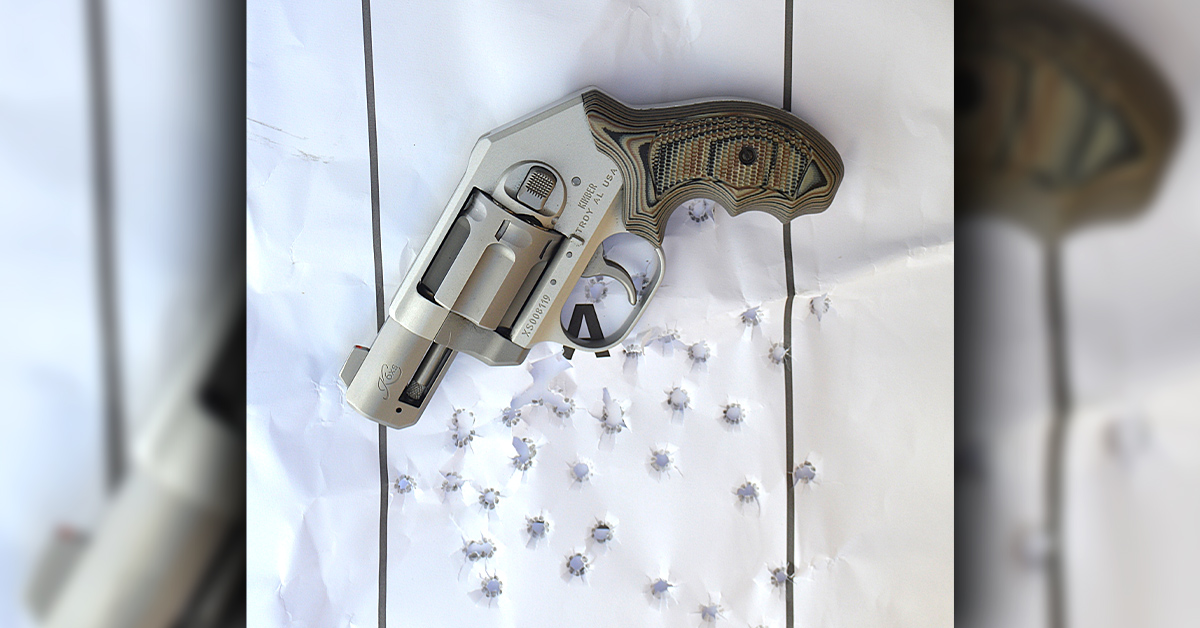
The Kimber is accurate enough to make center hits at 25 yards in the hands of a skilled shooter. At this range, the author found it necessary to aim about four inches below the X ring as recoil causes the short barrel to rise and the revolver will fire high. The Kimber K6xs is a good shooter and an excellent lightweight carry gun. If you desire less recoil and a revolver that is easier to fire accurately, the steel frame version is a good choice. I really like the K6xs for its intended application. It isn’t a primary gun for me, but if you fancy a snubnose .38, it is among the best. It is more of the sgian-dubh of modern handguns for my use — a hideout and backup.
Carrying the Kimber
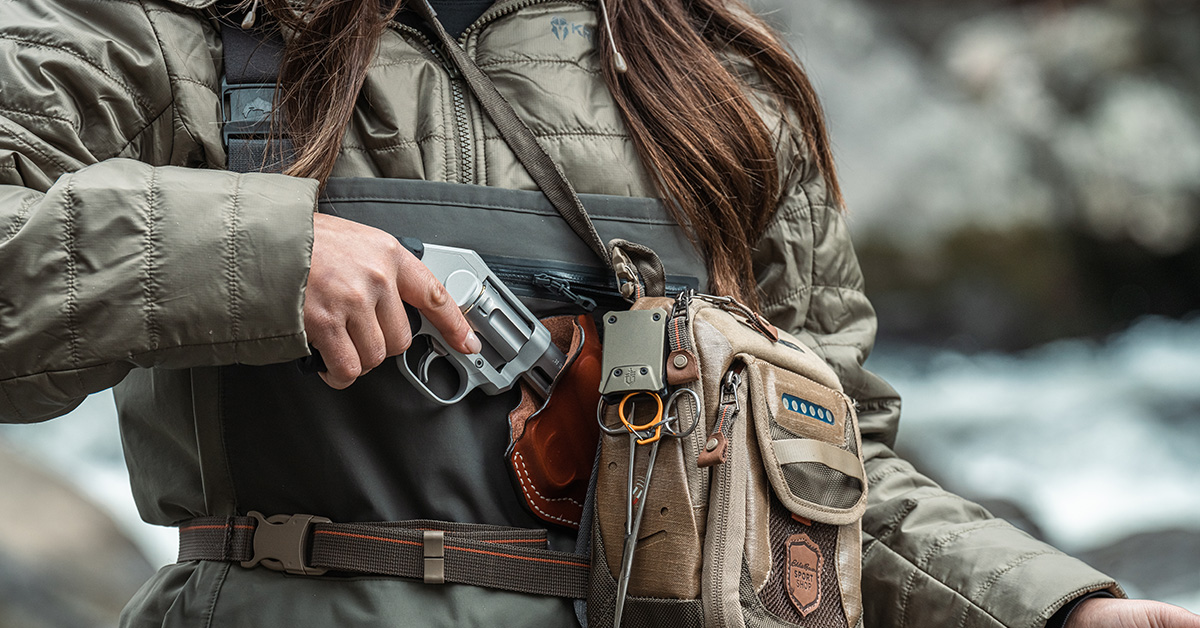
In testing both steel frame and aluminum frame Kimber versions, I looked to Galco holsters for concealed carry options. I adopted the Galco Stow-N-Go inside-the-waistband holster. The Kimber K6xs rides lightly on the belt with this holster. Speed is good and the balance of speed, access, and retention comes together well.
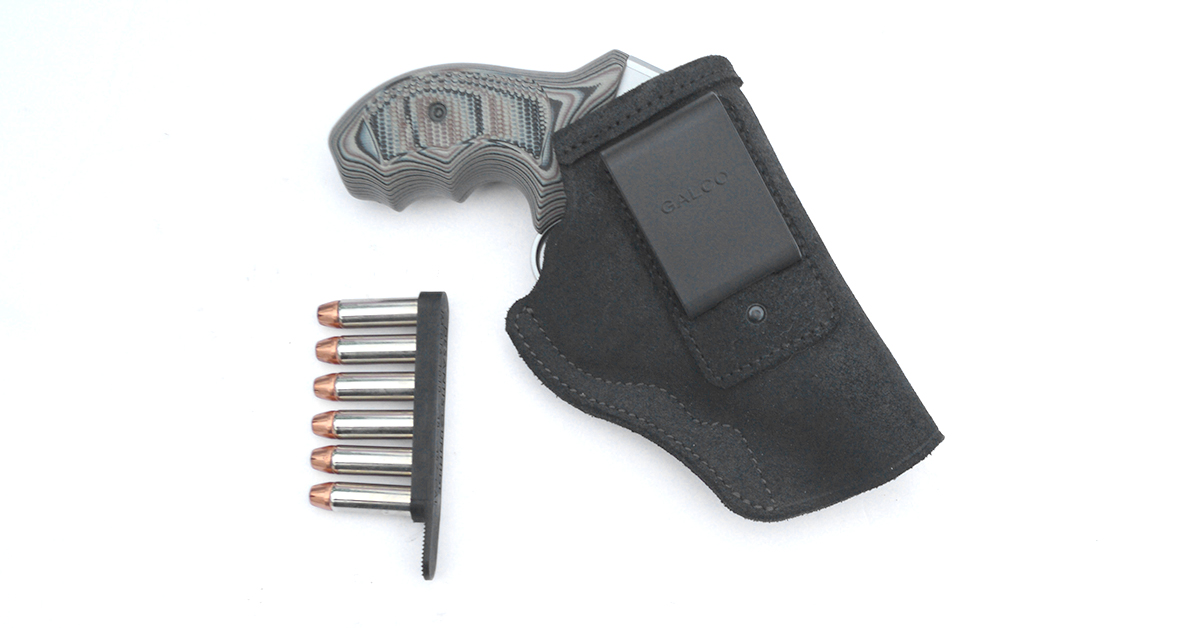
The Stow-No-Go features a reinforced holstering welt and a belt clip that takes a good hold on the gun belt. For carry beneath a covering garment, the Combat Master remains the finest all-around belt holster. I like the balance of speed and retention, plus the finish and fit cannot be faulted.
What I Like
- I like the Kimber revolver line. The smooth action and good sights are excellent. The grips are well designed.
What I Don’t Like
- Comparing the K6xs to the full-size guns, recoil is stout, but that is an expected trade-off for a lighter gun.
What I Would Change
- I cannot think of a change needed in the full-size guns. The lightweight is a good choice for hideout. Perhaps a version with the K6xs sight made to sell for less but with a steel frame?
Compare To
- The K6S beats the S&W 642 on most counts, and it should since it cost a little more. The K6xs absolutely lords over the Taurus 856 and outshoots the S&W lightweight guns.