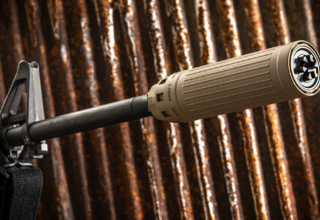
Don’t let your shotguns — even your home defense shotgun — gather dust! If you want close-in action, off-season excitement, and first-rate target engagement practice, put that scattergun to work on predators.
by Brad Fenson
The first howl rolled across the valley like a challenge. It was sharp, aggressive, and confident — the kind of female coyote vocalization that wakes up a whole neighborhood and makes every dominant dog within earshot start thinking about territory. I let the sound hang in the cold air for a moment, then followed it with a hare in distress. The cries were frantic and desperate, the perfect follow-up that suggests easy food and an opportunity worth pursuing.
It did not take long. Less than a minute later, movement appeared at the edge of the trees about 200 yards out. A coyote stepped into the open and paused just long enough to lock onto the sound. Then a second coyote appeared. Then a third. The cover seemed to produce them one after another, and suddenly there were four, then five coyotes racing across the open ground like they were competing for a prize. They were not cautious or slow. They were coming hard, driven by hunger, aggression, and the instinct to beat the others to the source.
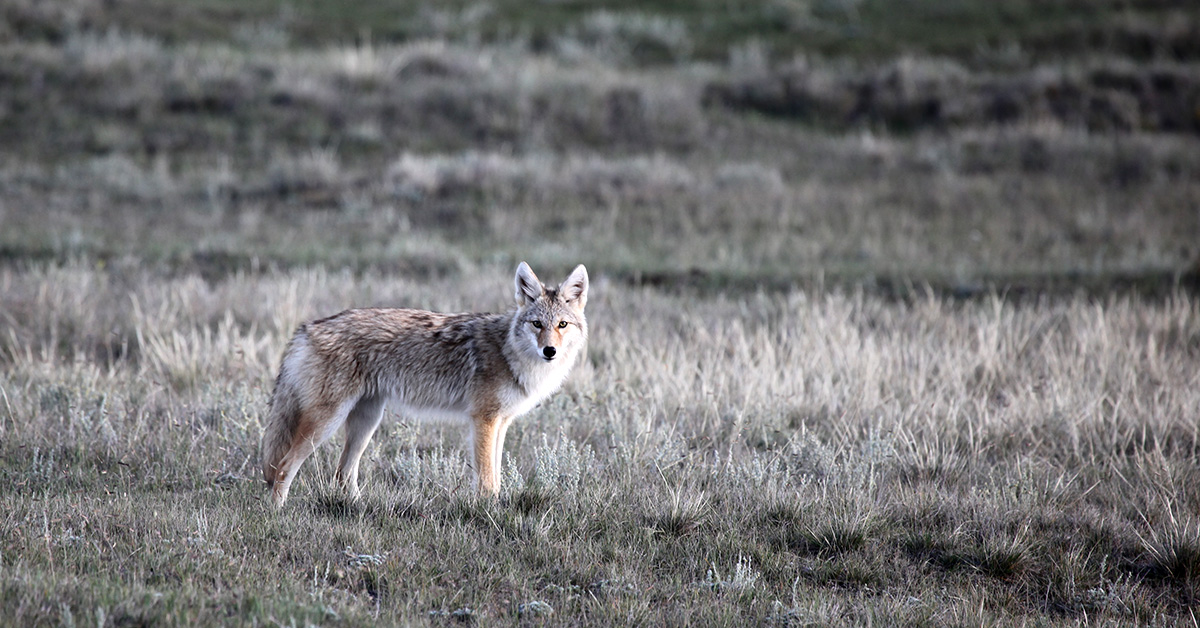
The closest coyote hit shotgun range so fast it felt unreal. Under 20 yards, the dog was almost on top of the decoy. The shotgun came up naturally, the bead found fur, and the first shot dropped him instantly. The second blast came just as fast, and another coyote folded before the rest of the pack even understood what had happened. A third shot was true, and the remaining coyotes finally reacted, scattering. I transitioned to a predator rifle and managed to anchor one more before the last dog disappeared into cover. When the stand ended and the adrenaline faded, one thought kept coming back. I should have removed the plug from the shotgun. When predators charge in close and multiple animals are on the move, having more shells ready means more opportunities and more fur on the ground.
Shotgun Respect
That kind of fast action is exactly why shotguns deserve far more respect in the predator world. Coyotes are often associated with long-range rifle hunting, and rifles absolutely have their place, especially in open country; however, when you call coyotes into close range, or over bait, the game changes. A shotgun is not just an alternative tool. In many situations, it is the best tool available. The advantages are speed, efficiency, and the ability to handle chaos. When coyotes come in close, they rarely stand still. They cut angles, they weave through cover, and they often appear suddenly where you least expect them. A rifle can be precise, but it is not always fast enough when things happen in seconds.
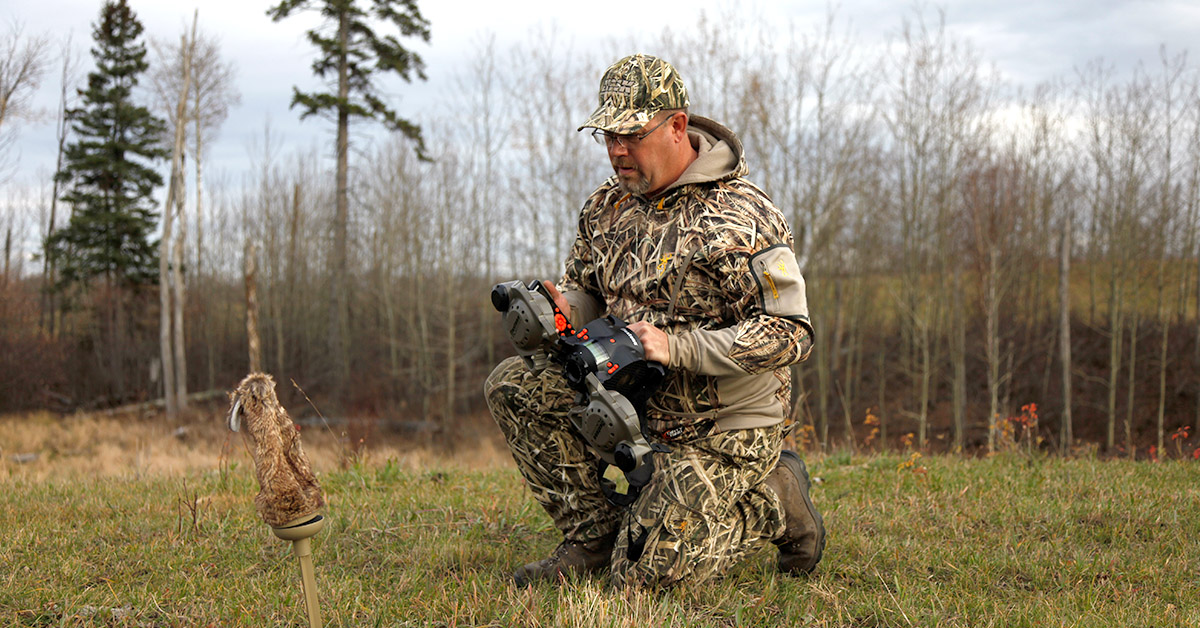
Calling sequences are designed to draw predators into your world, and when the setup is right, the typical shot is often between 20 and 40 yards. In thick bush, broken terrain, creek bottoms, or timber edges, that distance can shrink quickly. It is not unusual for a coyote to appear within 25 yards, and it is also not unusual for two or more coyotes to come at once. That is where a shotgun shines. A shotgun comes to the shoulder quickly, points naturally, and delivers a lethal pattern without the need for perfect precision. It gives the hunter a better chance of connecting with fast-moving targets and allows quick follow-up shots without losing sight picture or breaking focus. When multiple coyotes are in play, a shotgun can be the difference between one coyote down and a pile of fur on the ground.
Options
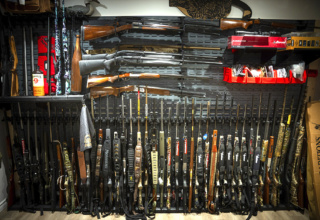
One of the best parts of hunting predators with a shotgun is that almost any quality shotgun can work. Many waterfowl and upland bird models are excellent predator guns right out of the case. These shotguns are designed for quick swings, harsh weather, and fast follow-up shooting — all of which translate perfectly to predator hunting. The most important feature is the availability of choke options. Interchangeable chokes allow you to tune the shotgun to the load you plan to shoot and the distances you expect to encounter. Modified chokes can provide wide patterns for close work, while full chokes can tighten the spread for longer shots across open ground. Semi-automatic shotguns are especially effective because they allow rapid shooting without manually cycling an action, but pump guns can be just as deadly in the hands of a hunter who runs them confidently.
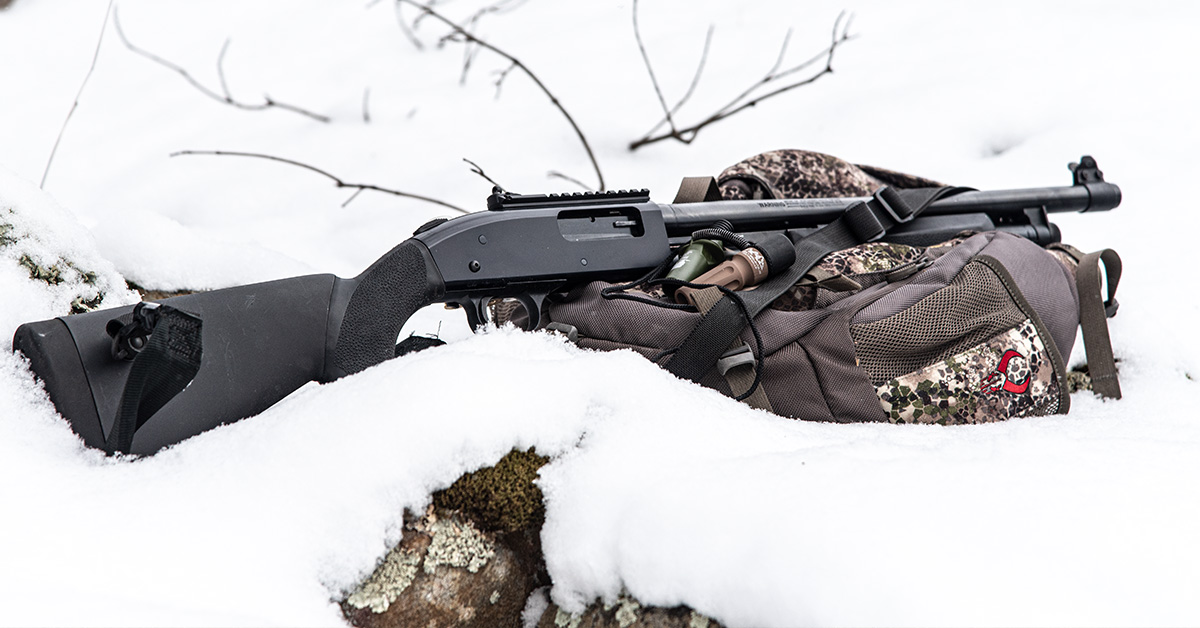
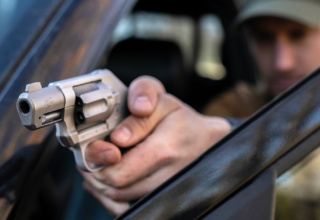
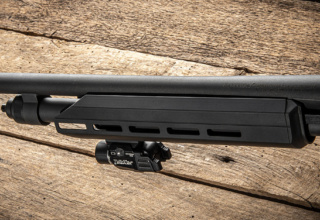
Another category of shotguns that deserves attention is the personal defense shotgun. These shorter, handier models are often overlooked in the predator world because hunters associate them with home protection rather than hunting. A short-barreled shotgun can be a deadly predator tool when you are calling in thick cover or expecting close encounters. The shorter length makes the gun easy to maneuver while sitting against brush or in tight terrain, and it comes on target quickly when coyotes appear unexpectedly. There is also a practical advantage to hunting with a defense shotgun. Many hunters own one but rarely shoot it. Predator hunting gives a real reason to become familiar with it under realistic conditions. It builds confidence, improves handling, and allows hunters to develop the ability to mount and fire quickly when adrenaline is high — all desirable skills to be honed for defensive work. Coyotes coming hard to the call are a far more realistic test of shotgun handling than punching paper at a range. Make sure to check patterns with the short barrels, as they are the only limiting aspect that needs consideration.
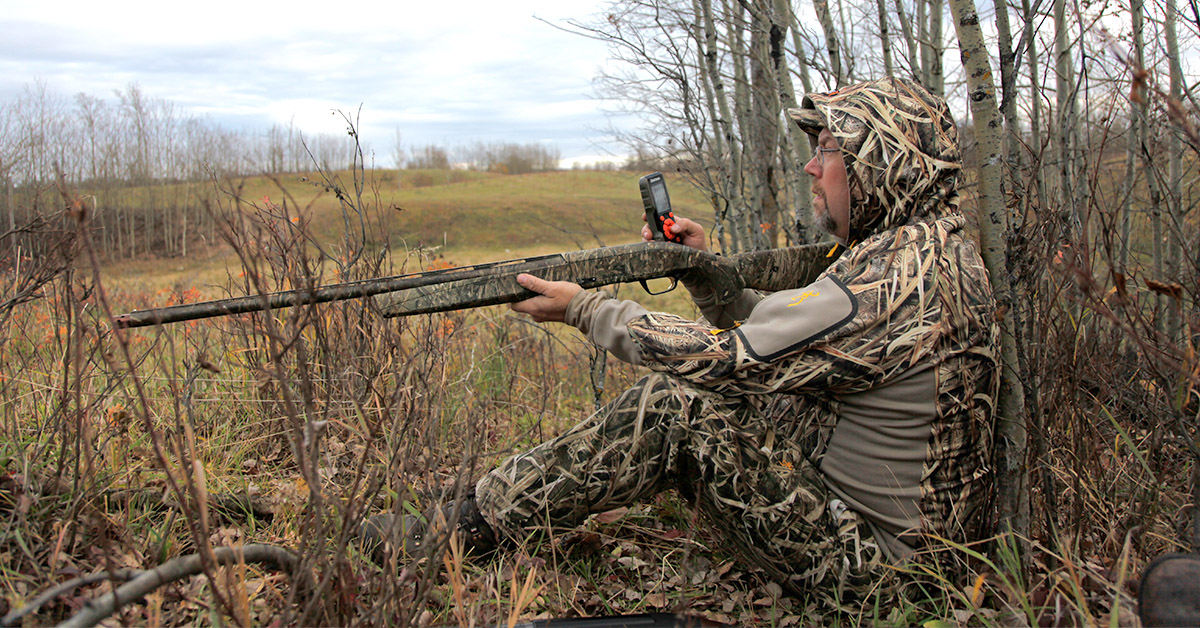
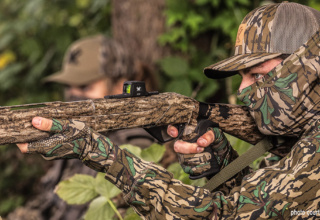
A third shotgun option that often gets overlooked is the turkey shotgun. In many ways, turkey guns are almost perfectly designed for predator hunting. They are typically compact, easy to maneuver, and designed to produce tight patterns at longer distances. Turkey shotguns are commonly paired with full and extra-full chokes, which means they can deliver dense patterns that keep pellets in the vital zone far beyond what many hunters expect. A turkey gun is also built to be carried, used from sitting positions, and aimed quickly at targets that may appear suddenly. Those traits match predator hunting perfectly. With the right choke and load, a turkey shotgun can become a multi-purpose tool that earns its value in fur as much as it does in feathers.
Draw Them Close
The true strength of a shotgun comes into play when predators commit and close the distance. Calling setups that focus on pulling coyotes into close range are ideal. A well-placed decoy can help hold their attention and pull them closer, while strategic positioning can funnel coyotes into shooting lanes. When everything works as planned, the shotgun becomes the ultimate close-range weapon. Coyotes that might otherwise slip through cover or hesitate at a distance can be dealt with quickly and decisively once they are inside range. When multiple coyotes rush the call, the shotgun lets a hunter take advantage of the brief window before others realize danger. Those moments are where shotguns produce doubles, triples, and some of the most memorable predator stands possible.
Range?
One of the most misunderstood aspects of shotgun predator hunting is effective range. Many hunters assume shotguns are only good out to 40 yards. That may have been true with older ammunition and general-purpose birdshot, but modern predator shotshells have completely changed the game.
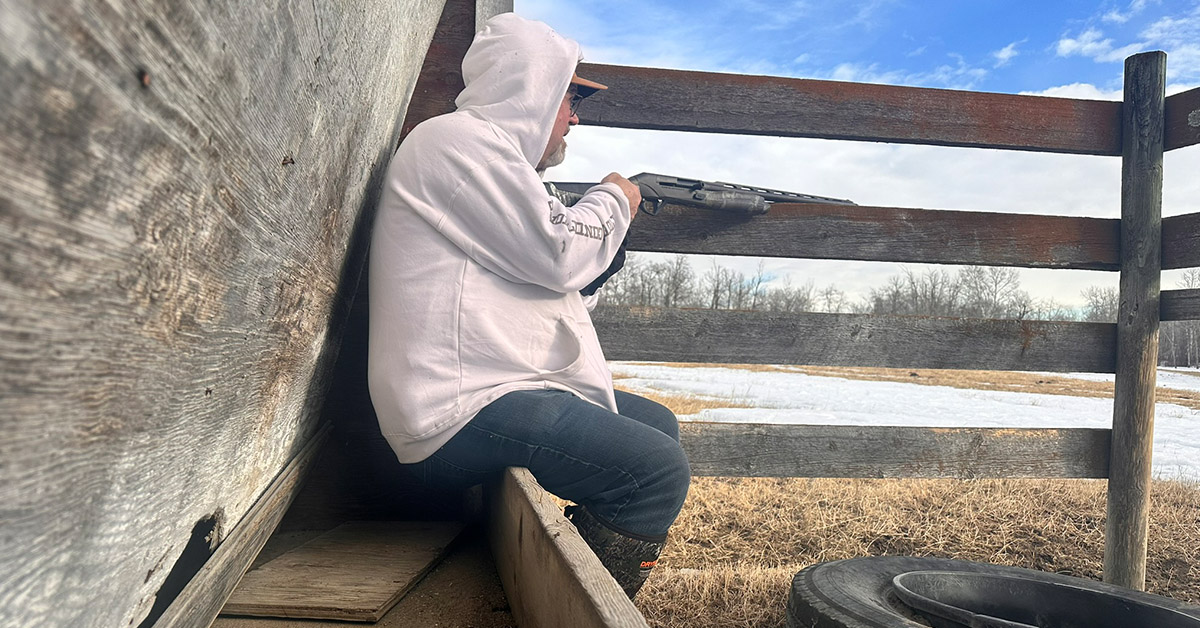
Premium loads using buckshot or heavier-than-lead materials can extend lethal performance far beyond 60 yards. Over the years, I have used a rangefinder to confirm distances on shots that seemed questionable, and the results have proven repeatedly that a shotgun can reach farther than most hunters believe. A coyote feeding on a dead cow spooked while I was approaching and rolled into a dead run. When I shot, the rangefinder later confirmed 64 yards, and there was no doubt the load carried enough energy to cleanly anchor that coyote. On another hunt, a huge male badger at 65 yards did not twitch after impact. That mattered because, with badgers, the priority is preventing them from escaping down a hole, and the shotgun was the insurance policy that kept the animal put.
Shotshells
Shotshell selection is one of the biggest keys to success when hunting coyotes with a shotgun. Coyotes are tough animals, and a marginal load can result in runners. Buckshot remains one of the most effective options because larger pellets retain energy longer and penetrate deeper. Even a single pellet placed correctly can be lethal, and multiple pellet impacts increase the odds of an immediate anchor. One of the best all-around buckshot sizes for coyotes is number one buckshot, which measures about .30 caliber. That is essentially like launching a swarm of small rifle-caliber projectiles downrange. It offers an excellent balance between pellet count and pellet size, giving good pattern density while still delivering serious penetration.
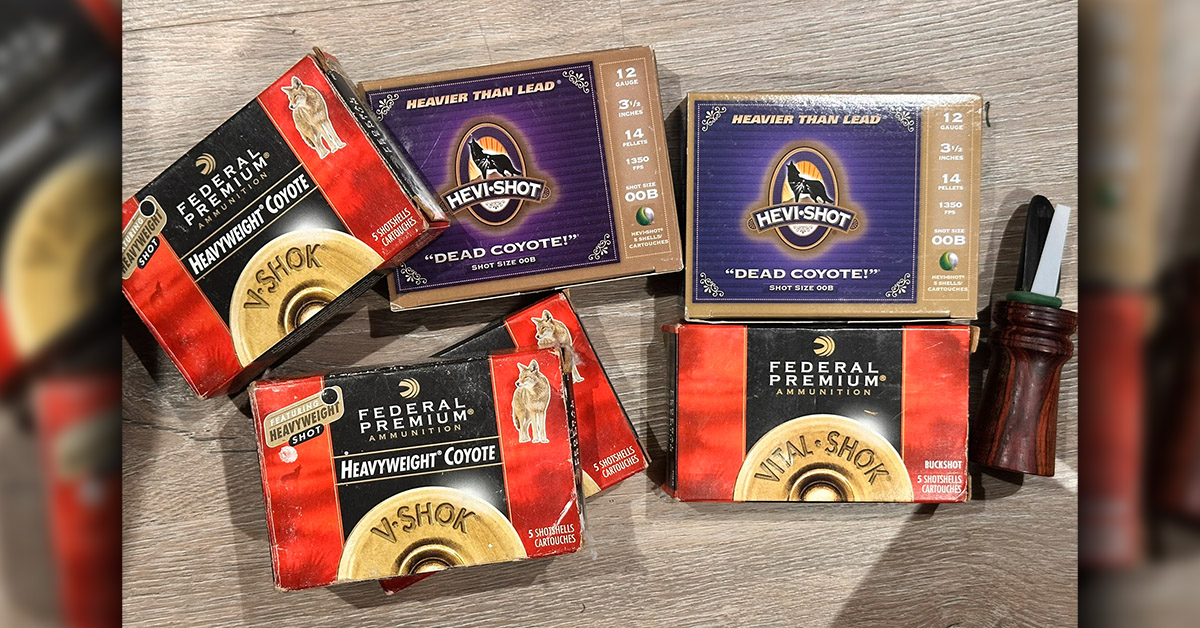
There are also premium options that push shotgun performance to another level. HEVI-Shot Dead Coyote is one of the most well-known predator loads and has become a favorite for open country where longer shots are possible. The heavier-than-lead pellet material carries energy exceptionally well, extending the effective range. HEVI Tungsten loads in large shot sizes are another excellent option, offering impressive penetration and consistent performance. Federal buckshot loads with the FliteControl wad system have also proven effective, producing tight patterns that stay together longer and deliver dense pellet strikes at extended ranges.
For hunters looking for more economical options, Remington Express Buckshot remains a time-tested, reliable load at a good price point. Winchester Varmint X is another option engineered specifically for predator hunting and deserves consideration for those seeking specialized performance without a premium price tag.
Pattern
The most important step in becoming effective with a shotgun is patterning. Shotguns are not rifles. Every shotgun behaves differently, every choke changes performance, and every shotshell load pattern is unique. A load that works beautifully in one shotgun might be inconsistent in another. Patterning removes the guesswork. It allows you to see exactly how your shotgun performs at different ranges and gives you confidence when a coyote hangs up farther out than expected. Patterning boards should be used at realistic distances, and plywood backing is a smart way to observe pellet penetration and spread. It also highlights the differences between lead pellets and harder alloy or tungsten pellets, which often penetrate more aggressively and retain energy better at longer ranges.
Advanced Impact
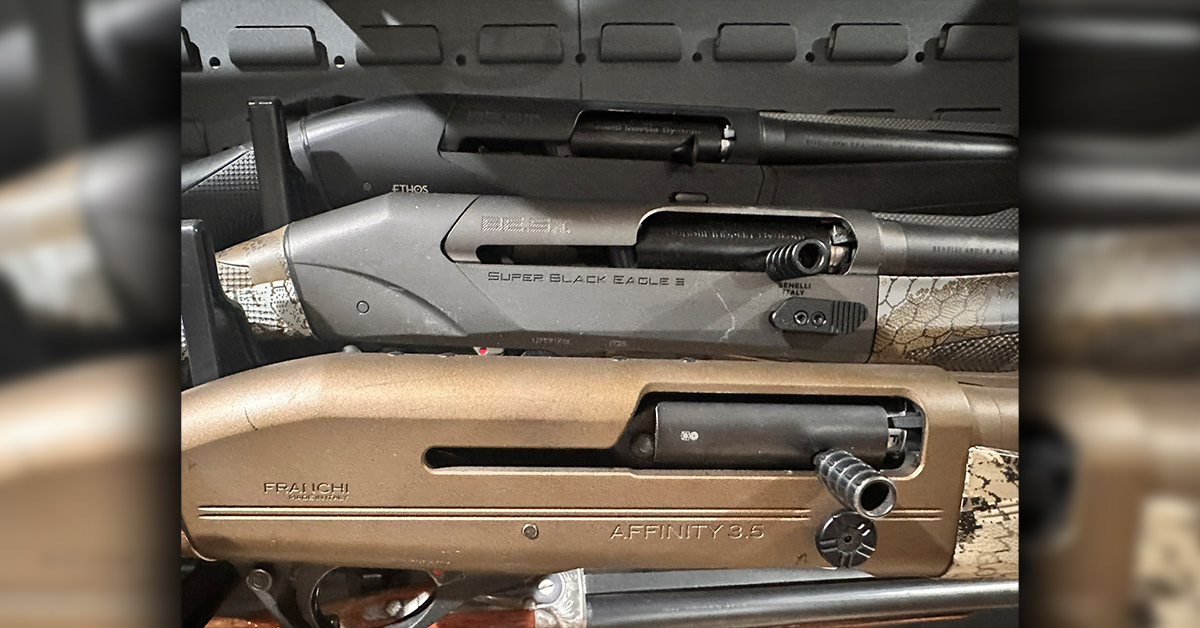
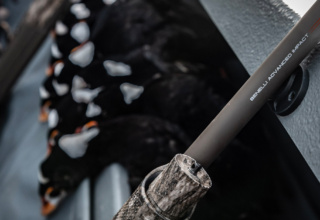
Modern shotgun technology has also played a role in extending the range for hunting predators. Benelli shotguns equipped with Advanced Impact barrels have proven effective in tightening patterns and reducing stray pellets, which can increase consistency and extend lethal distance. In my experience, these shotguns have patterned well with modified and full chokes, offering killing patterns across a variety of ranges. That flexibility matters when calling predators in mixed terrain, because one coyote may rush to within 15 yards while another coyote hangs back at 55 yards. The ability to cover both scenarios with one shotgun setup is a major advantage.
Reaction Time
Shotgun hunting for predators also offers something that rifles often cannot. It makes the hunt more dynamic. Coyotes rarely come in slow and steady. They rush, they circle, and they react quickly to any sign of danger.
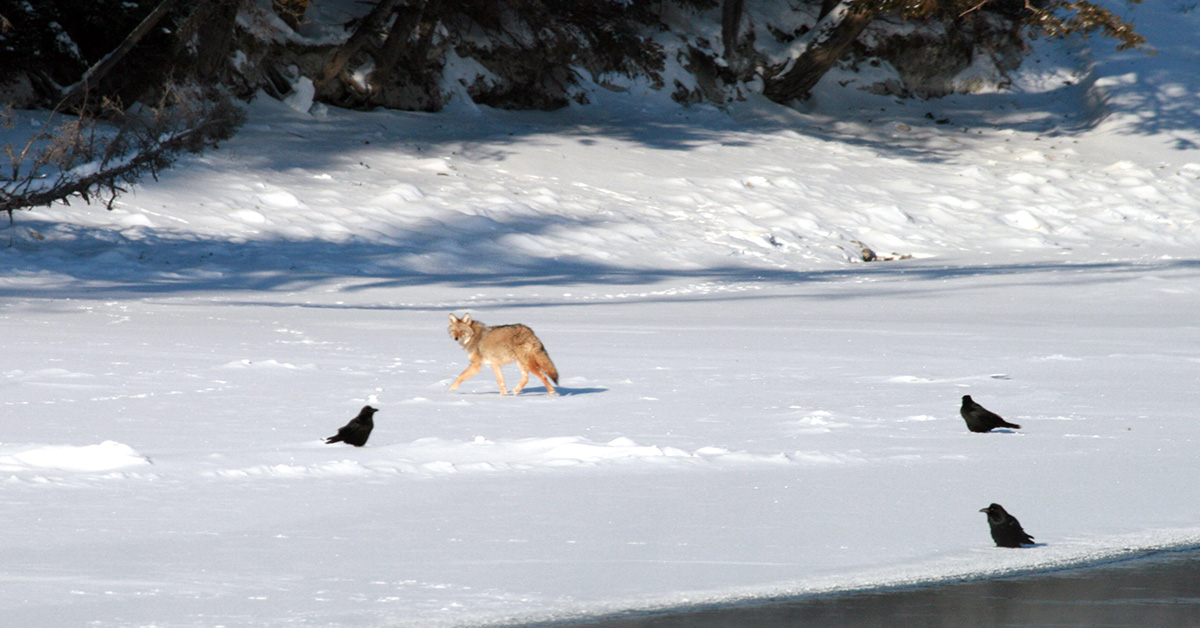
When you hunt with a shotgun, you are prepared for the chaos. You can shoot quickly, recover quickly, and engage multiple targets without losing the rhythm of the stand. That is why shotguns often produce more doubles than rifles. When coyotes come in together, the shotgun gives the hunter a better chance of capitalizing on the moment before others scatter.
Skill
Over time, hunting predators with a shotgun becomes a learning curve that improves overall skill. It teaches fast target acquisition, better call setups, and more awareness of how predators approach. It forces a hunter to understand angles, movements, and timing. It also builds confidence in close-range encounters, where adrenaline is high, and decisions must be made in seconds. Most importantly, it builds respect for the scattergun. Many hunters think of shotguns as short-range bird guns, but predator hunting proves they are far more capable tools. With the right choke, the right load, and the right preparation, a shotgun becomes one of the most effective predator weapons available.
Increased Adrenaline
Calling predators is already one of the most exciting forms of hunting but calling them into shotgun range takes it to another level. When coyotes explode into view and charge hard, when multiple dogs race each other to the call, and when shots happen fast and close, the shotgun becomes pure advantage. It is fast, lethal, and built for the kind of hunting where fur comes in on a dead run.
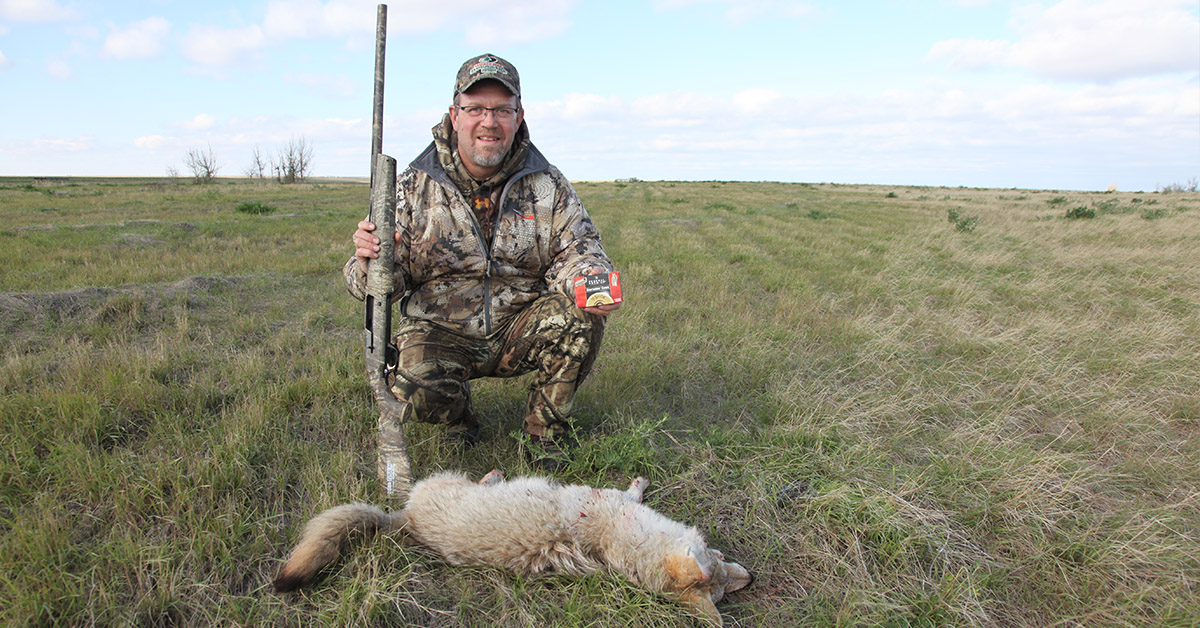
Whether you are using a waterfowl shotgun with interchangeable chokes, a short defense shotgun you want to master, or an overlooked turkey gun built for tight patterns, the result is the same. More opportunity, more excitement, and more coyotes down.
And if the stand goes perfectly, you may find yourself standing over multiple coyotes, wondering why you ever thought a rifle was the only way to hunt them.