Most factory guns are pretty darn good, but you don’t know how good a gun can be until you wrap your hands around a precision-built custom gun. The question: is it worth the scratch?
by Richard Mann
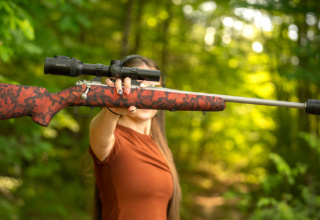
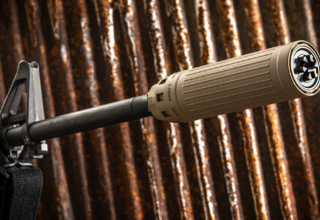
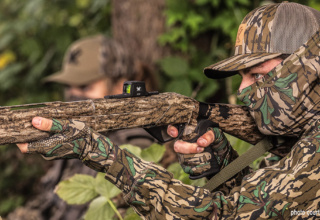
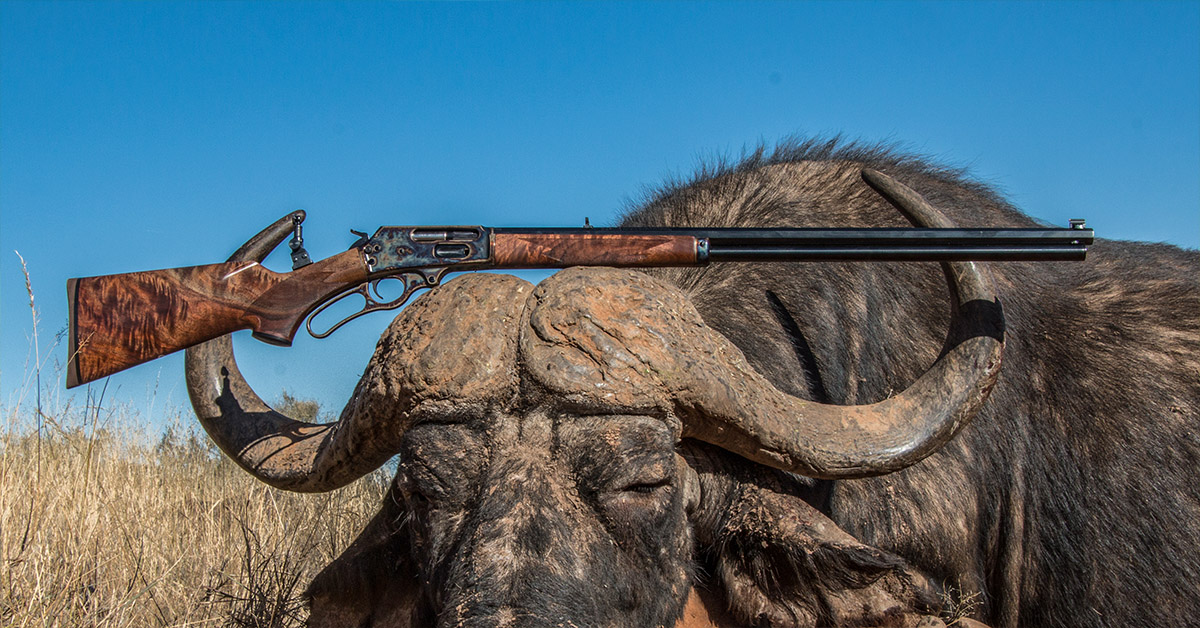
If you’re a gun enthusiast — a serious gun enthusiast — you’ve probably always desired a custom gun. Custom guns are appealing for several reasons. You might want a rifle chambered for a cartridge not available commercially. You might have a hankering for a custom pistol expertly tuned by a talented gunsmith. Or, maybe, you have a very specific hunting, competition, or self-defense need that no gun currently made offers. Whatever the reason, a gun made up just the way you want it can be something special, but it can also lure you into debt or at least make your favorite credit card cry. The real question is, are custom guns worth the money?
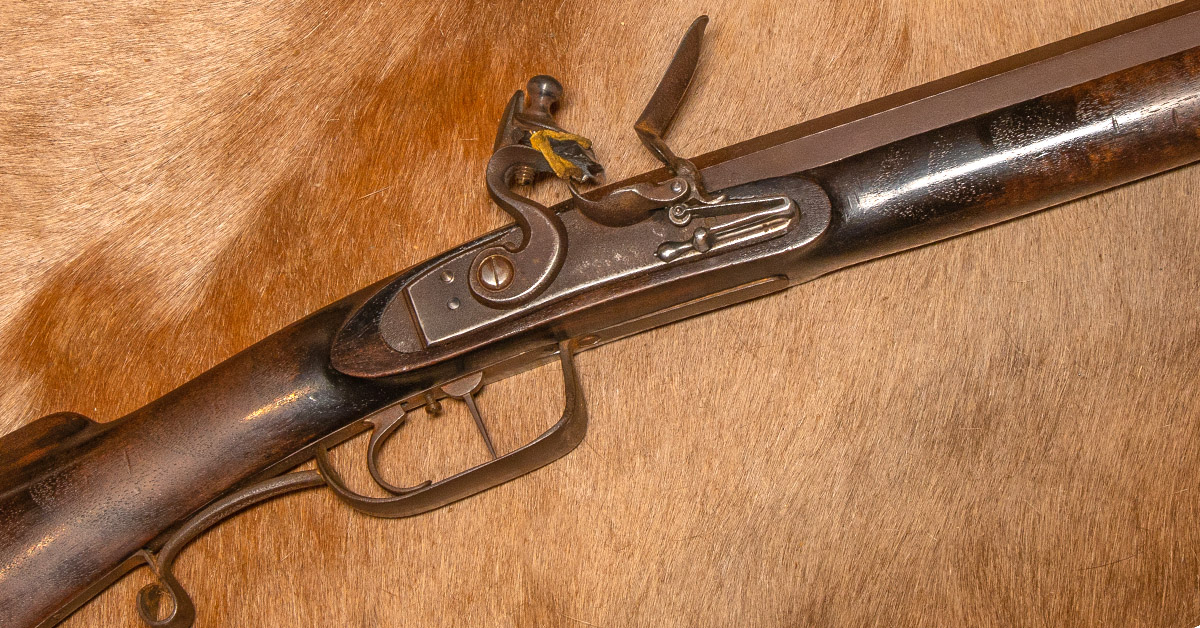
In America, when muzzleloaders were the only guns available, most of the guns used by settlers and mountain men were custom guns hand-built mostly by German immigrant craftsman, and some still exist. Fourth-generation rifle builder John Walker of Ghent, WV, still builds full custom flintlock rifles. But that started to change with the Hawken brothers and their rifles, and when the metallic cartridge came along, legacy manufacturers like Colt, Remington, and Winchester began mass manufacturing. But even then, partly through demand but also because of the heritage of European gun makers, these companies performed custom work, too. The famous letter from western lawman Bat Masterson to Colt in 1885 asking for some “extra” work is a perfect example.
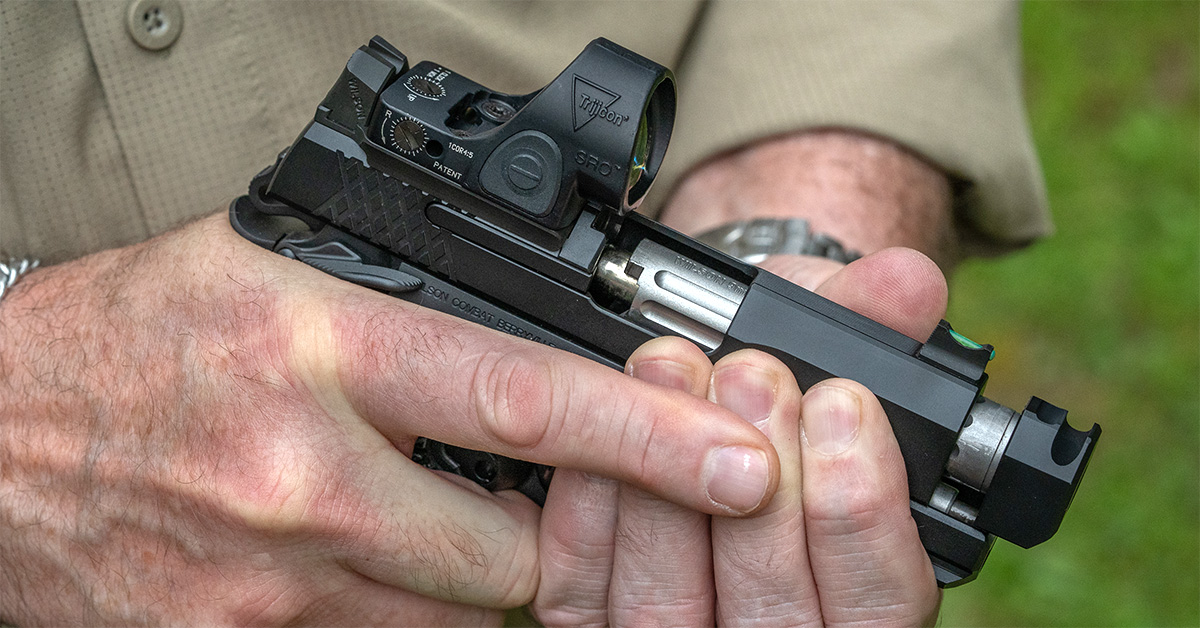
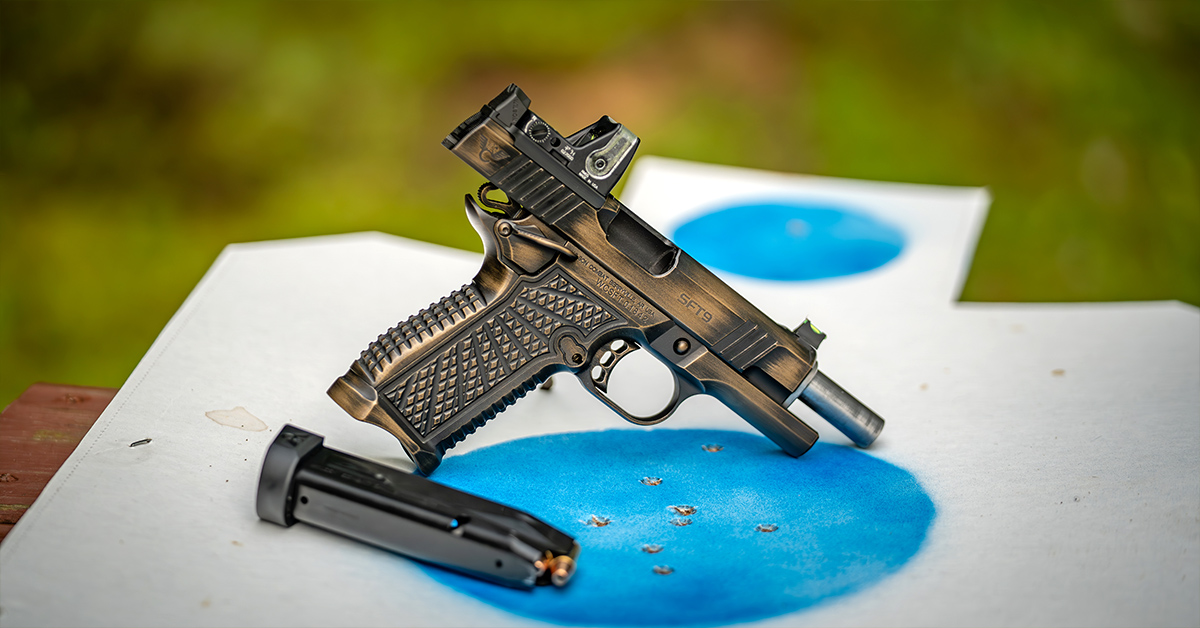
After World War II, there were a lot of surplus Mauser rifles floating around and home-grown gunsmiths began to craft these into sporting rifles. The same is true with pistols. With the rise in popularity of NRA bullseye pistol in the 1960s, Armand Swenson created the custom 1911 and gunsmiths have been building them ever since. The list of these craftsmen is endless but maybe the most notable is Bill Wilson who founded Wilson Combat. Bill Wilson built custom 1911s for combat pistol competitions, but just as importantly, he started offering custom parts to help other gunsmiths build custom guns. Today, Wilson Combat is a huge company offering not just parts but some of the finest custom rifles and handguns made.
I thought it would be interesting to get some input from Bill Wilson, who has been at this custom gun thing for now on 50 years. One interesting thing Bill said was, “Due to modern design and manufacturing methods, we now live in a time where quality guns can be manufactured at reasonable prices, but very few companies use the best components due to their need to meet a specific price point. While a Tikka rifle, Timex watch, or Chevrolet car will get the job done, one of the major reasons some people still buy custom guns, Rolex watches, and Ferrari cars is because they want tools built with the best quality parts.”
That’s a great point. For example, you can purchase a Turkish made Tisas 1911 with a lot of features considered custom back before the turn of the century, and it will only cost you less than a grand. Warranties are wonderful things, too, but never needing a warranty is even better. Like Bill Wilson says, the money you’re spending is not just for all the bells and whistles you want; it’s also paying for top end parts, finishes, and assembly. Also, with non-custom guns, you may have to look long and hard to find the one that has all the features you want. With a custom gun, it’s made the way you want it.
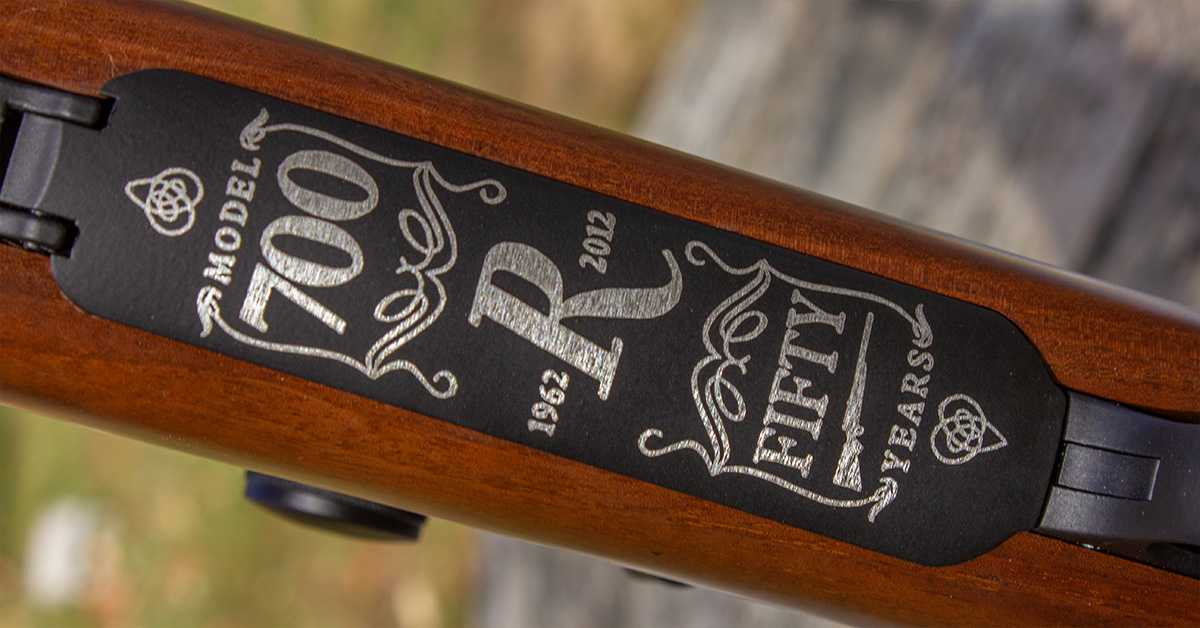
For example, I asked Bill to define a custom gun, and he said, “I think there are two points to a custom gun, and they often overlap. First, a custom gun is built to your specifications. And second, it will be made with top quality components that are hand-fit and finished.”
But what do quality parts and hand assembly get you? I think among the best examples are the rifles West Virginia gunsmith Melvin Forbes used to build.
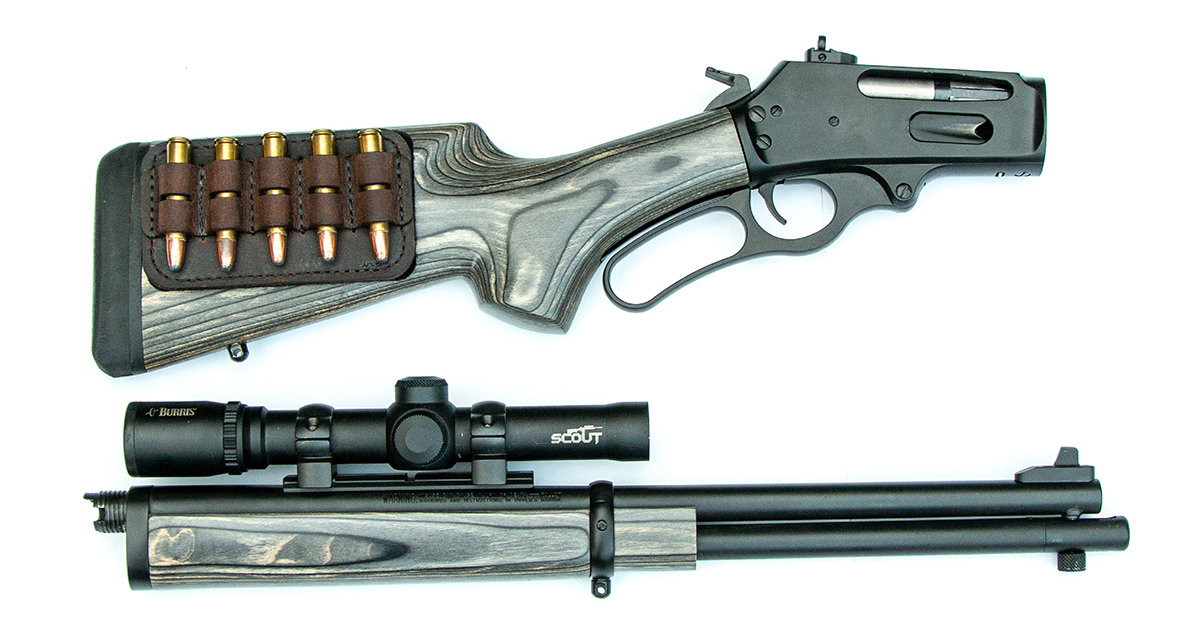
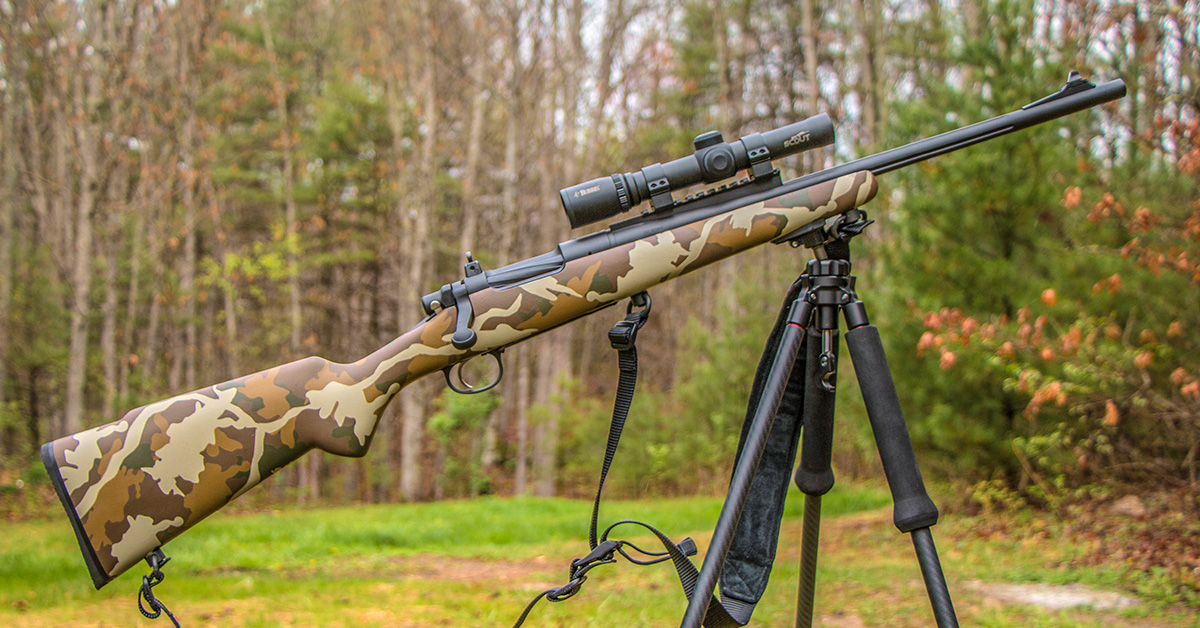
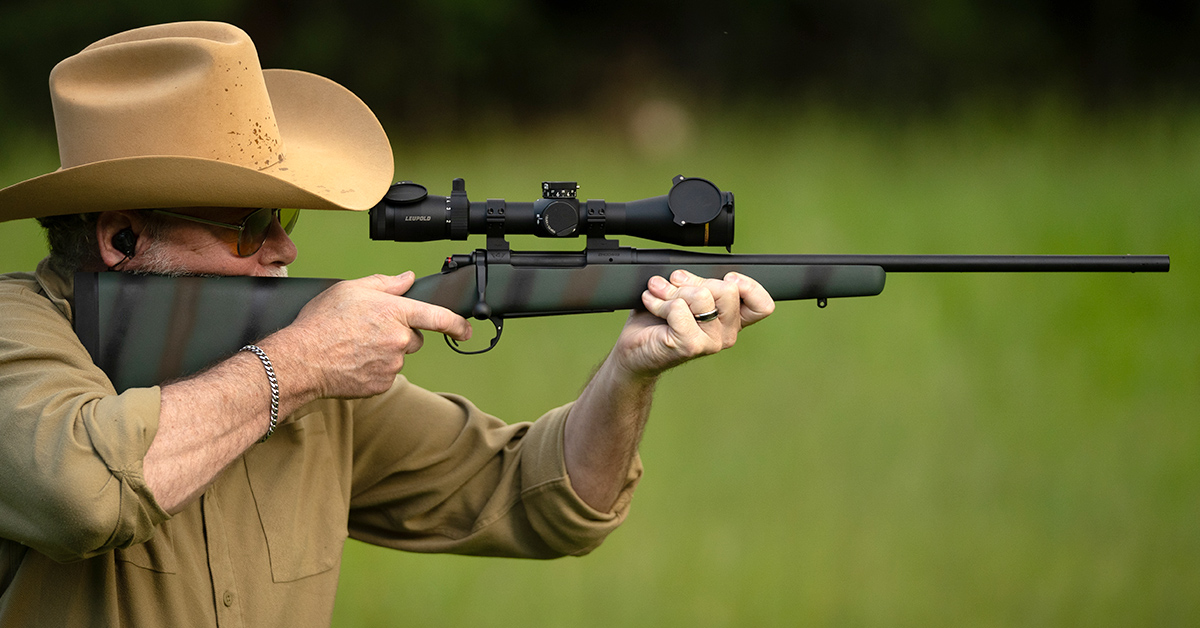
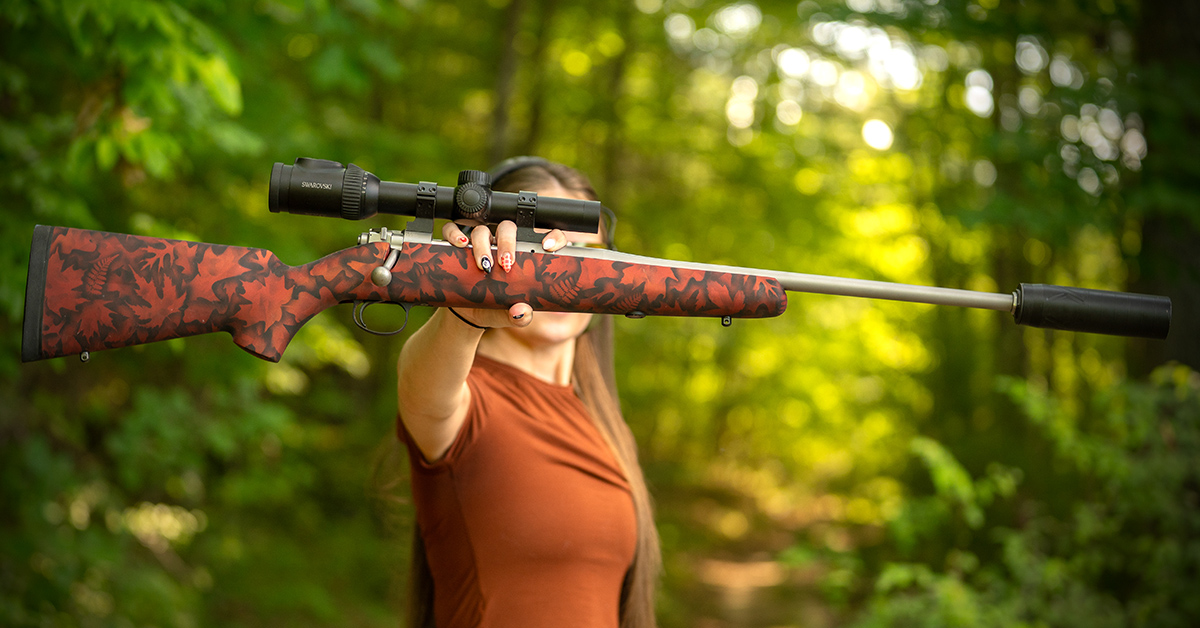
Forbes’ New Ultra Light Arms (NULA) rifles were machined by hand, and the stock was hand-laid carbon fiber and Kevlar. Forbes only used quality components like Timney triggers, Douglas barrels, and mounts from Talley Manufacturing. I’ve had some factory rifles that would shoot as well as Forbes rifles, but none were as light and none of them would shoot well with such a wide array of ammunition. Before Forbes passed, Wilson Combat bought his company, and they now offer a version of the NULA rifle, but Wilson Combat has automated some of the production and they use barrels made in-house. The rifle is still custom, quality is the same, but the manufacturing procedures Bill spoke of help reduce the cost. The NULA rifles from Wilson Combat cost 30% less than what Forbes was selling them for.
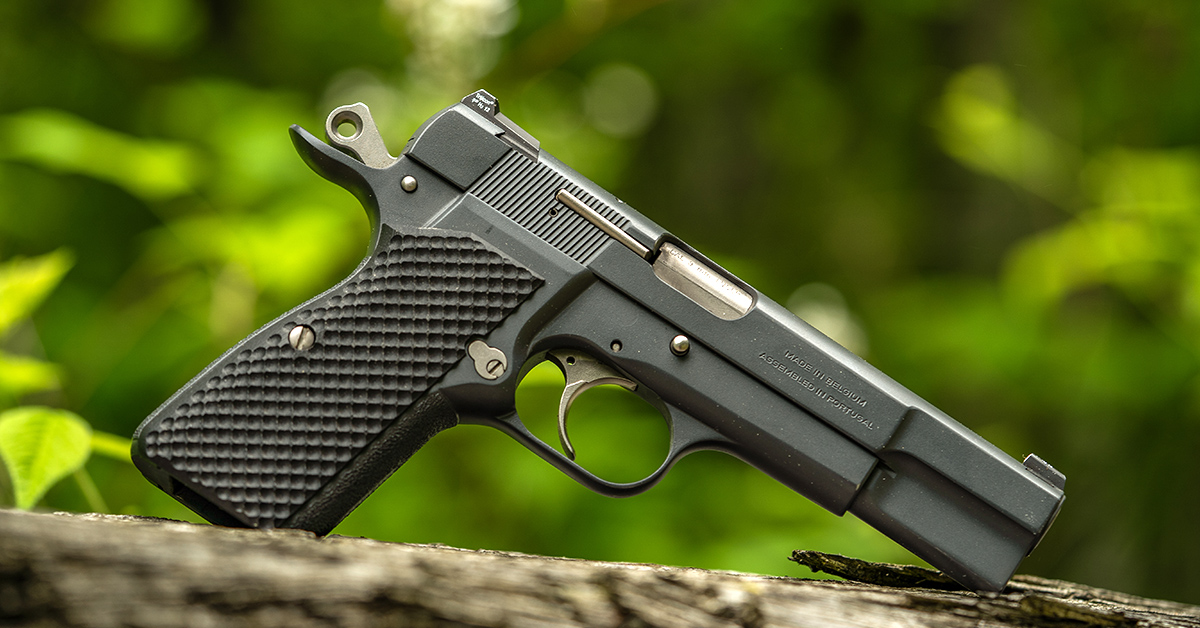
An important consideration with a custom gun is how it will hold its value. Let’s use the Tisas 1911s as an example. New, a tricked out Tisas will cost you about a grand. Slightly used, the value drops to about half. The same is true to a lesser extent with American-made 1911s like those from Colt, Kimber, and Springfield-Armory; however, guns from unknown custom builders don’t hold their value well at all. On the other hand, it’s not unusual to see used pistols from Wilson Combat that cost as much as they did when they were new. This is especially true if it’s a limited edition. Custom guns built by reputable makers and limited-edition guns built by legacy manufacturers hold their value well.
This all might seem to make a great case for a custom gun, but it’s not all rainbows and unicorns. As Bill Wilson pointed out, you gotta pay for the good work and the good parts.
“Obviously, price and usually delivery time are negatives. Building a top-quality firearm using the best components is expensive and the best custom gunsmiths will have a work backlog. Having to wait for your gun to be built can often take six months to well over a year.”
Many cannot stand to wait a year for a new gun, especially after they’ve already waited maybe a year to save up the money for it. This is one reason some custom builders periodically offer limited editions, which are full custom guns ready to go when they’re announced.
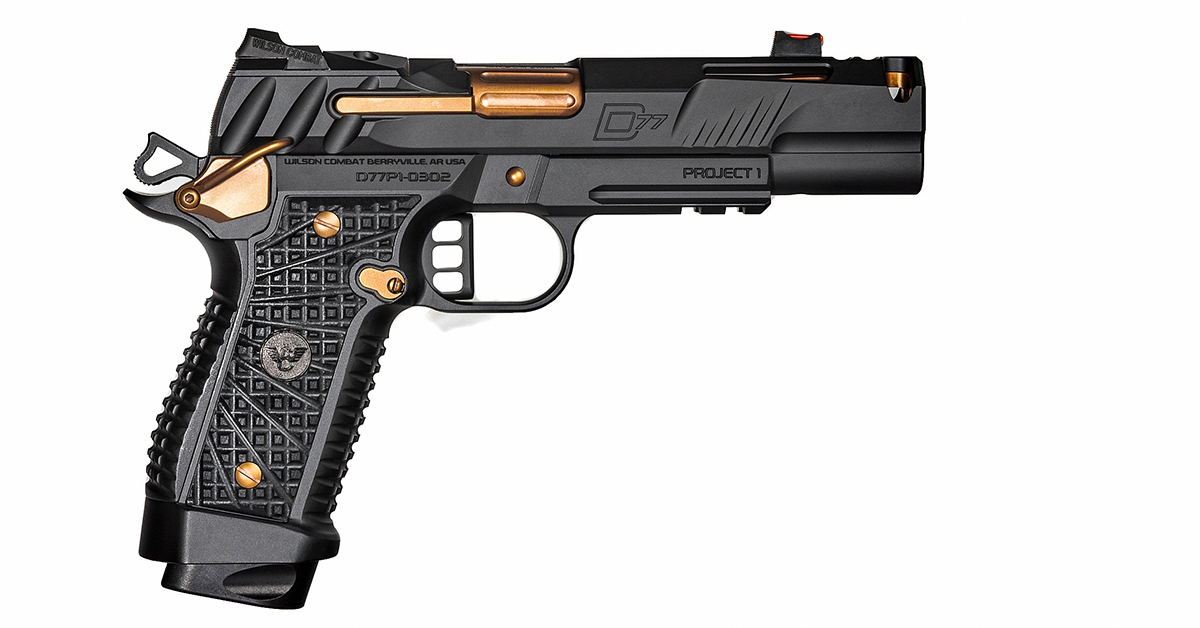
And then of course there’s the price. Let’s again go back to the one-thousand-dollar Tisas 1911 and compare it to a pistol from Wilson Combat that’ll cost three times that much. Are they really worth the extra money? Well, that depends on a lot of things. Things like how thick your wallet is, how much pride of ownership means to you, and how much you care about flawless reliability, long term durability, and precision on target.
You could argue that a good old Glock is all the pistol anyone needs, or that a Ruger American rifle will handle most of the rifle tasks you can throw at it. That may be true, but I’ve been at this gun thing for more than a half century, and I can tell you without hesitation that the best guns I have are custom guns. In a way, I wished I’d learned this a long time ago; it would have saved me lots of money. On the other hand, I’ve learned a lot by working with all the factory (non-custom) guns I’ve owned over the years. For me, in some instances, factory is fine, but more often than not I now go the custom route.
I kind of think of guns as steak dinners. If you’re just hungry, an affordable slab of beef from any run-of-the-mill steak house will make your tummy stop growling, just like a lot of plain factory guns can get the job done. If, though, you were on death row, would you order your last meal from Billy Bob’s Roadhouse or Gordon Ramsey? That’s the best way I can explain the difference between a factory and a well-made custom gun.
Sometimes good enough is not enough.

- Custom Guns: Are They Worth It? - April 8, 2026
- Exploring the 25 Creedmoor - March 18, 2026
- Meet the 284 Winchester - February 18, 2026