If you own firearms, you may find yourself embroiled in a conversation about gun rights with anti-gun friends. Here are some tips for making those discussions as productive as possible.
by Brad Fitzpatrick
If you want to raise eyebrows at the PTO Christmas party, simply tell the attendees that you write about guns for a living. As a full-time firearms writer for over a decade, I have experienced the sensation of having the oxygen leaving the room on more than one occasion when I talk to strangers about my vocation. There tends to be two responses. The first goes something like, “Oh man, that’s a real job? How cool!” The second type of response I get is less enthusiastic. Some people really don’t like guns, and they feel like meeting me is their opportunity to voice their opinions regarding all things firearm related.
That’s fine. It’s part of the job, and I knew that when I signed up for the gig. I used to become very defensive, but sometime in the last several years I realized that being confrontational rarely led to positive outcomes. I made a promise that when the topic of firearms ownership in America came up in discussion, I would try to educate those who felt differently about the topic than I do.
My revised tactics don’t always work, but sometimes they do seem to have an impact. In fact, someone that once told me they would never own a gun and didn’t think I should, either, is now an accomplished shooter. It doesn’t always work that way, but my goal is simple: establish a coherent counterargument based on facts and statistics to balance rabid anti-gun rhetoric.
What follows is not a manual on firearms discourse. Instead, it’s a list of the points that I feel are relevant and tactics I’ve found useful over the years. The end game is not to sell guns or sell someone on the idea of gun ownership. It’s simply to plant a seed and make vocal anti-gun folks understand that there’s a sound counterargument to their attacks on the Second Amendment and those who embrace it.
Rules of Engagement
First, I’ve had to establish some rules of engagement. I can only bring so much logic and factual data to the table, and I can only relate my personal experiences to my audience. Many people who are opposed to firearms view gun owners as violent radicals, and ugly, loud exchanges only seem to solidify the view of gun owners as malicious people.
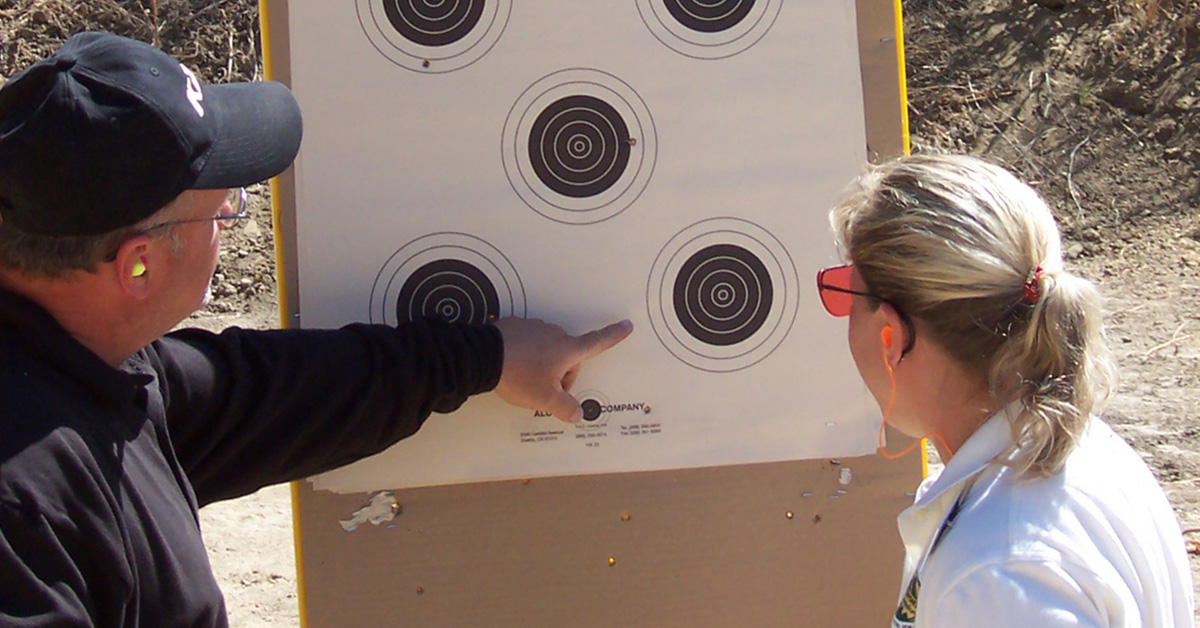
I won’t feed into that. I don’t want my approach to validate anti-gun propaganda. The primary reason is that most gun owners don’t buy firearms because they are malevolent or violent. They buy them to hunt. They buy them to shoot recreationally. They buy them to protect their home or because they appreciate the craftsmanship that goes into each fine firearm. They buy them because it’s the gun they or their relatives carried while on duty in the military. The reasons go on and on.
For some people, you will be the only voice of firearms ownership that they hear outside of media channels, some of which have a strong anti-gun bias. My mission, as I see it, is to balance the scales against anti-gun messaging. They may not agree with what I say, but how I say it isn’t going to feed into the negative reinforcement loop. Being respectful and reasonable are, in my mind, key elements to creating an effective counterpoint.
The Reality of Gun Ownership
Estimates for the number of gun owners in America range from 80 to 107 million, which means that one in three Americans owns a firearm. First-time firearms purchases have increased in recent years, too. In 2020, over five million Americans purchased their first firearm. According to NSSF research released in 2025, there are over 26 million new gun owners since 2020.
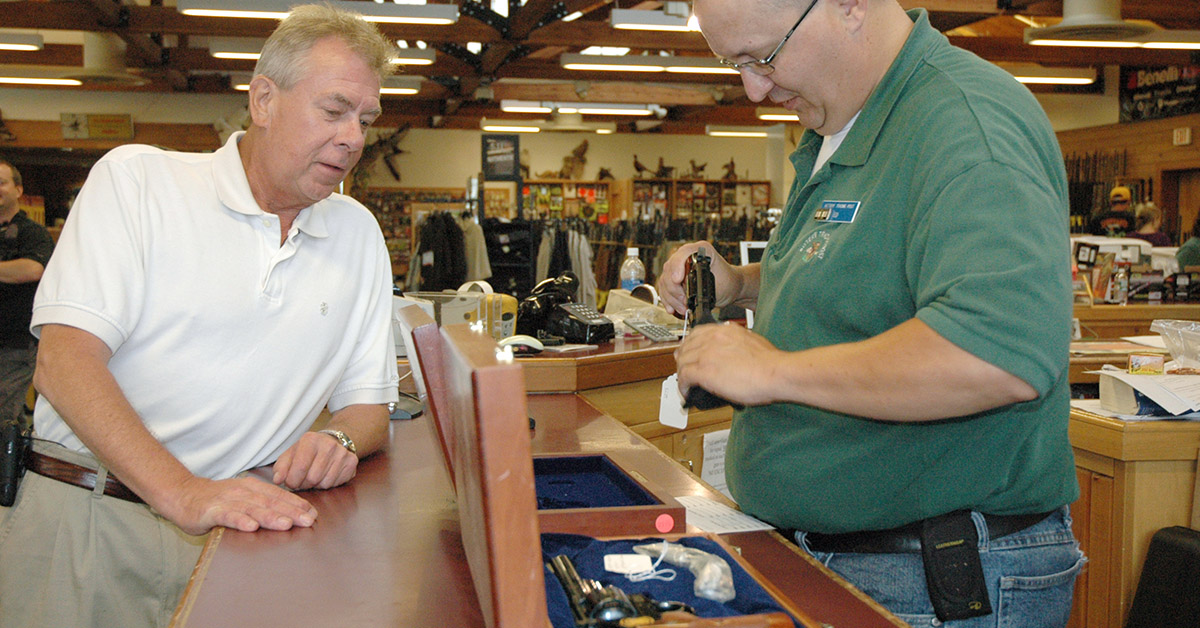
NSSF’s economic Impact Report for 2024 indicates that the firearms industry created almost 383,000 jobs and generated over $26 billion in wages. Not only do these jobs support American families and improve our economy, firearm purchases also help support vital conservation efforts. The Pittman-Robertson excise tax (which adds 11% to the purchase price of firearms, ammunition, and related items) provided over $886 million in funding for wildlife conservation in 2024. Since the inception of the Pittman-Robertson Act in 1937, the tax has generated over $29 billion dollars (adjusted for inflation) to preserve and protect wildlife.
Guns are a vital part of the economy, but the right to bear arms that is protected by the Second Amendment helps protect and preserve the personal liberties we value in this nation. Not surprisingly, since concealed carry laws became widespread in the early 2000s, violent crime rates have dropped. According to the NRA’s Institute for Legislative Action (ILA), violent crime rates dropped by 52% from 1991 to 2021, and during that same period the number of legally owned firearm in the United States roughly doubled. The years 2014 and 2019 had the lowest violent crime rates in the last 48 years despite over 40 states allowing for some form of concealed carry. Clearly, gun ownership and crime are not directly related. In fact, more guns appear to reduce crime numbers.
That’s certainly what the federal government found when they interviewed violent felons in 1986. At that time, 40% said they had not committed a serious crime because they were afraid the potential victim was armed, and 34% of those criminals stated that they had been scared off, shot at, wounded, or held captive by someone with a firearm.
Firearm Truths
A few years ago, I attended the Scholastic Clay Target Championship at the Cardinal Shooting Center in Ohio. The target lines were filled with kids from middle school to college age, and targets were consistently thrown and shot all through the multi-day tournament. In fact, over one million shots were fired — and there was not one injury.
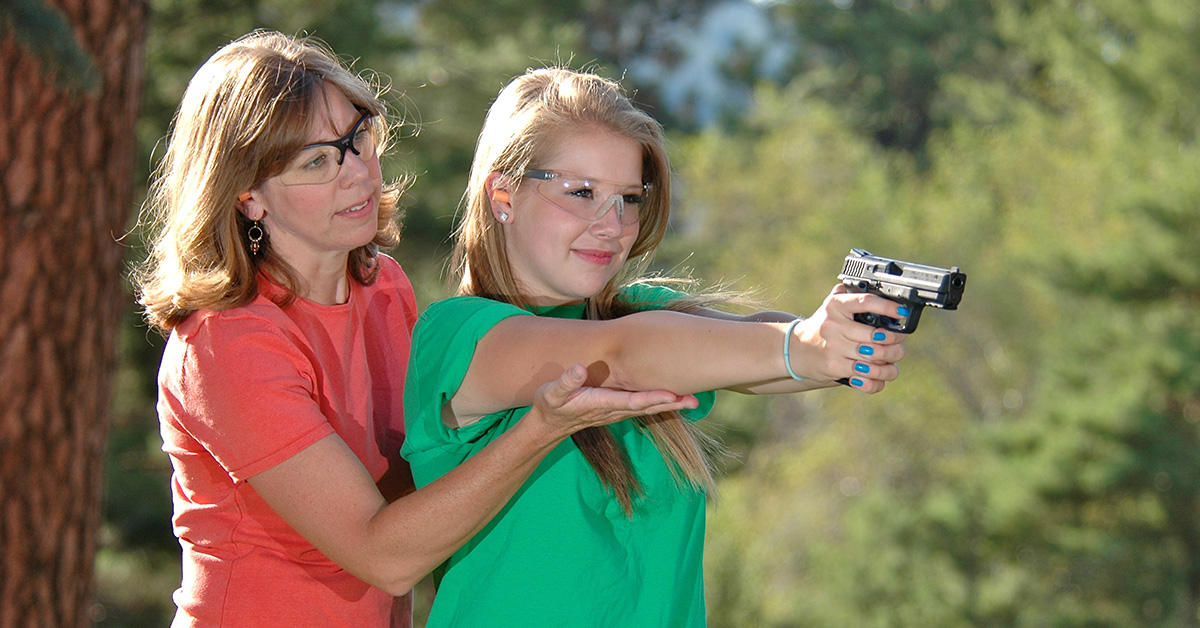
Statistics like this rarely make the news, but they are important to consider. If firearms are inherently dangerous, then you simply could not have children from the ages of 13 to 20 fire a million rounds without injury. In truth, shooting sports like action pistol, shotgun events, and hunting are extremely safe. Firearm-related injuries dropped 48% from 1998 to 2018 according to the NSSF. Increased awareness about firearm safety has caused firearm injuries to drop to an all-time low.
In 2018, there were 458 unintentional firearm deaths. Those are still tragedies, but bear in mind that over 3,700 people died from drowning that year and over 37,000 were killed by falls. You’re statistically much more likely to die while climbing a ladder than cleaning a firearm. Hunting is also a very safe sport with 27 injuries occurring per 100,000 participants. That’s safer than fishing (175 injuries per 100,000) and golf (219 injuries per 100,000). You’re 54% more likely to be injured playing soccer than hunting.
Motives
The Second Amendment guarantees the right to own guns, but it seems that gun control advocates are fixated on the motives for firearm ownership. I think this hints at a deeper misunderstanding of firearms and gun owners in America. Anti-gun forces are consumed with understanding why you feel the need to own a firearm.
The real problem, as I see it, is that gun control advocates simply can’t comprehend a reason to own a firearm other than to commit violence. In other words, their core understanding of guns is as tools of violence, and that is where the communication breakdown occurs. Knives, baseball bats, cars, and steel pipes are all used to commit violence, but we do not look on a paring knife, a Louisville Slugger, or a 2006 Pontiac GTO as a destructive weapon. Those items can be dangerous but rarely are.
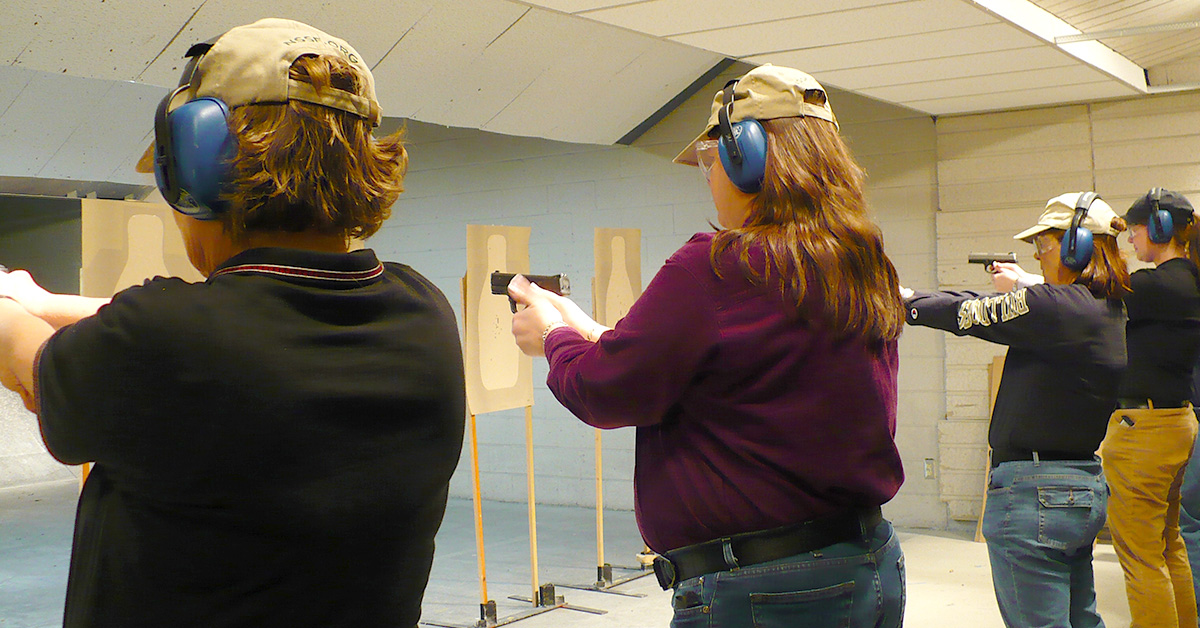
The same, statistically speaking, is true of firearms. In fact, some of my best memories involve firearms, and I’m not alone in this. Growing up in rural America, firearms were common. We hunted and shot targets in the back yard. We slept better at night knowing that our homes were protected by firearms, and some of us went on to use firearms in our jobs. One of the kids I shot with as a youngster grew up to become a police officer, and another is a soldier. I still shoot on a weekly basis.
If the media feeds viewers a steady diet of horrible tragedies involving guns and the viewer has no history with firearms, there’s nothing to counteract the message that guns and gun owners are evil. I suspect that’s why so many gun control advocates feel that they need to know why you own a gun. Perhaps deep inside they believe you must be deranged.
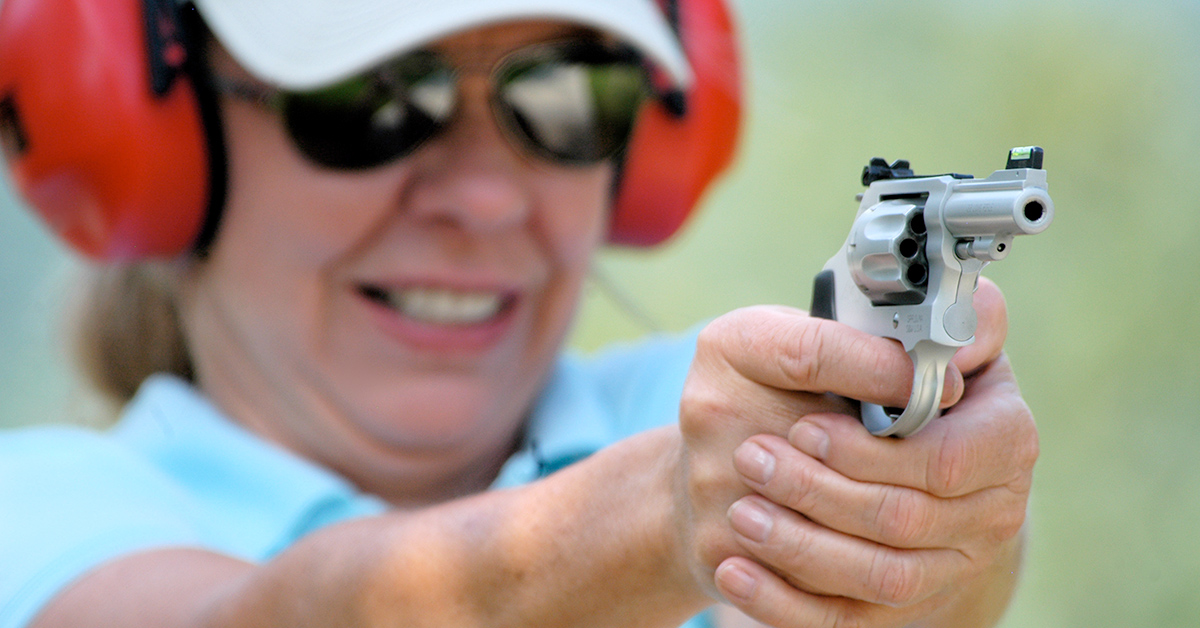
That’s why I invite them to shoot with me. I know I need them to see guns in a different light, and more often than not, they realize that guns are safe — and even fun. We start out light, shooting rimfires at spinners and balloons, and pretty soon you can see the wheels turning.
Maybe all guns aren’t bad.
Maybe all gun owners aren’t bad.
We’re fighting an uphill battle against many media outlets that wring their hands to report on every tragedy involving a firearm and paint gun manufacturers as villains who seek to profit from pain. The message that follows is that gun owners are a violent group who, despite what they may claim, have an inherent desire for violence.
We know that’s not true. Have you ever been to the annual NRA convention or a hunting expo? Generally speaking, the attendees are polite and friendly folks, and no one is inciting violence. And — shocker — no one has been shot at any of these events.
Reality isn’t a dish that many people find tasty, but as for me, I’m going to keep trying to spread the word that gun owners aren’t inherently bad people. And I’m going to try to do so without resorting to yelling or name calling. Instead, I’ll invite my anti-gun friends to the range to experience shooting for the first time. It likely won’t change their minds, but it will at least balance the scales against the anti-gun rhetoric in this county.

- This Year’s Top Hunting Suppressors - July 1, 2026
- The Six Rifles Everyone Should Have - May 26, 2026
- Talking About Firearms to Anti-Gun Friends - April 20, 2026