When you finally book that bucket list hunt and find the animal of your dreams in the scope, you must make the shot count, and avoiding these five mistakes can make it happen
by Brad Fitzpatrick
If you’re a hunter, you probably have a bucket list of game animals you’d like to pursue, and if you’re able to live out that dream, the last thing you want to do is screw up the shot.
There are many reasons why hunters miss — everything from bad wind calls to unseen screens of vegetation that deflect a well-aimed bullet to simple jitters; however, the list below outlines the primary mistakes that prevent hunters from tagging out, whether it’s a whitetail to fill the freezer or a once-in-a-lifetime elk. Avoiding these mistakes is going to help you place your bullet where it belongs when it matters most.
Insufficient Practice
This is probably the primary reason that hunters miss a shot during the moment of truth. Practicing with your rifle helps you build confidence in yourself and the gun, but I much prefer to practice at the distances I plan to shoot. If I am willing to take a 400-yard shot, I prefer to practice shooting at that distance beforehand. Sure, you can use the ballistics listed on the ammo box as a guide, but until you’ve tested the rifle’s accuracy at that distance, you won’t know for certain how the rifle and load will perform.
I’ve seen strange things happen that I couldn’t explain. For example, I had a 308 rifle that consistently shot flatter than it should have based on manufacturer-supplied data. I chronograph the load, applied the ballistic calculator, and fired it on steel targets to 400 yards. Impact was consistently higher than it should be based on my ballistic calculations, and after re-entering all the environmental and ballistic data, my point of impact was still off.
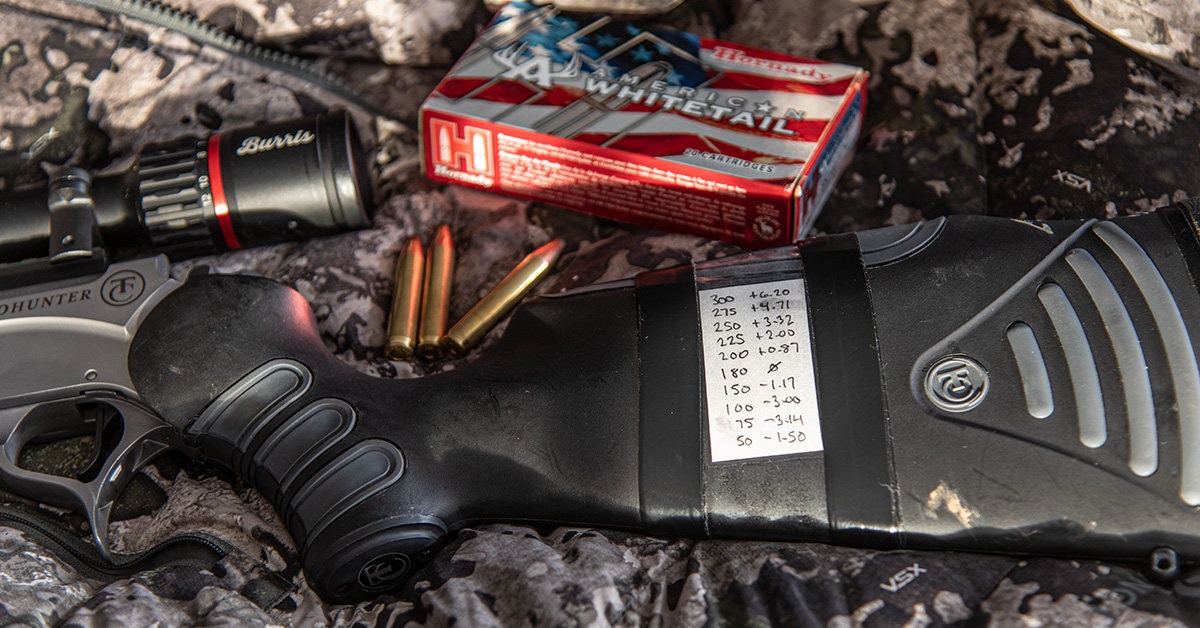
I still don’t know what caused that to happen with that particular rifle/load combo, but if I hadn’t noticed the anomaly and adjusted for it, my shots would have deviated from my point of aim. That’s why I still believe in creating a DOPE book. DOPE, or Data Obtained from Previous Engagements, is really nothing more than a collection of information about how your rifle shoots over time. Build your DOPE book long enough and make thorough entries and you’ll be able to adjust for most shots in most conditions. Without that data, though, you can hope the ammo box ballistics are correct, but that’s not always the case.
Poor Field Shooting
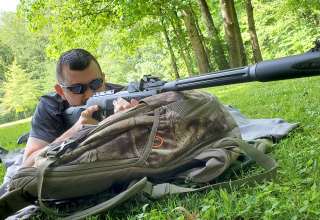
There’s an enormous difference between shooting steel plates from a bench at 500 yards and shooting an animal from a field position at that same range. I believe the biggest mistake that leads to lost and wounded animals is the hunter’s inability to shoot from field positions.

I also believe that this is why every hunter should take a field prep course or shoot a few NRL Hunter matches (or both). In either a field prep course or match, you’ll have to learn to build a stable platform, and you’ll have to learn to adapt your shot based on the surrounding environment. I had to do that very thing last week in Texas on an aoudad hunt. A big ram followed a herd of ewes across an open field, and tall grass prevented me from sitting or kneeling for the shot. I would have to stand. Luckily, Hornady’s Seth Swercyk was along and offered me his tripod and shooting bag as a rear elbow rest. With a front and rear tripod, I was completely stable and made a good shot on the ram.
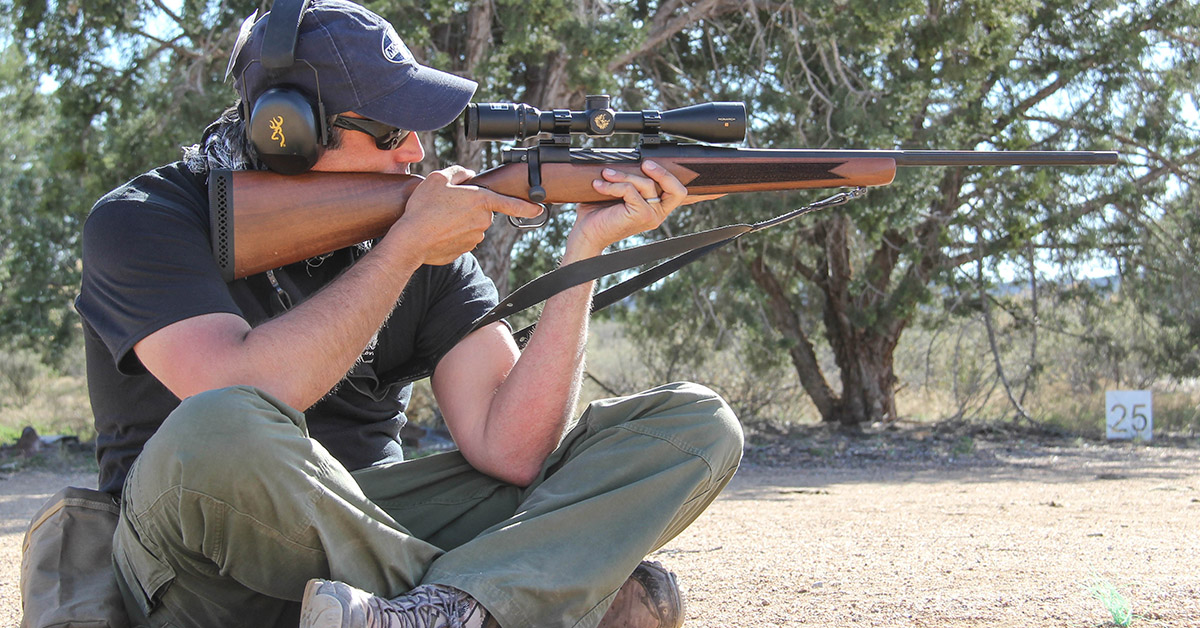
Field shooting takes lots of practice, and you need to practice shooting from field positions regularly. Learn to adapt to the conditions and to your own physical limitations. If you can’t sit cross-legged or rest on your knees, you’ll need to adjust. Also, make sure you have all the tools you need to build a solid rest in the field. Tripods, bipods, and sandbags add weight to my kit, but the stability options they offer make it worthwhile to bring them along.
Flinching and Trigger Control
Flinching causes many shooters to miss, and it’s not just big-bore rifles that can cause a flinch. I developed a terrible flinch shooting a .257 Weatherby Magnum that a friend had when we were younger. It wasn’t the recoil of the rifle (which was, in reality, relatively mild) but the robust muzzle blast that made me flinch when firing that gun.
The best way to stop a flinch is to take it easy during shooting sessions and always protect your hearing. I wear earmuffs when I shoot even suppressed rifles that are hearing safe simply because I don’t want to be distracted by recoil or muzzle blast at all when I’m firing. I also take breaks between shots and don’t shoot magnums for long sessions. With really big guns like the .375 H&H Magnum, .416 Rigby, and .458 Lott, I always test accuracy from a standing bench that reduces setback.
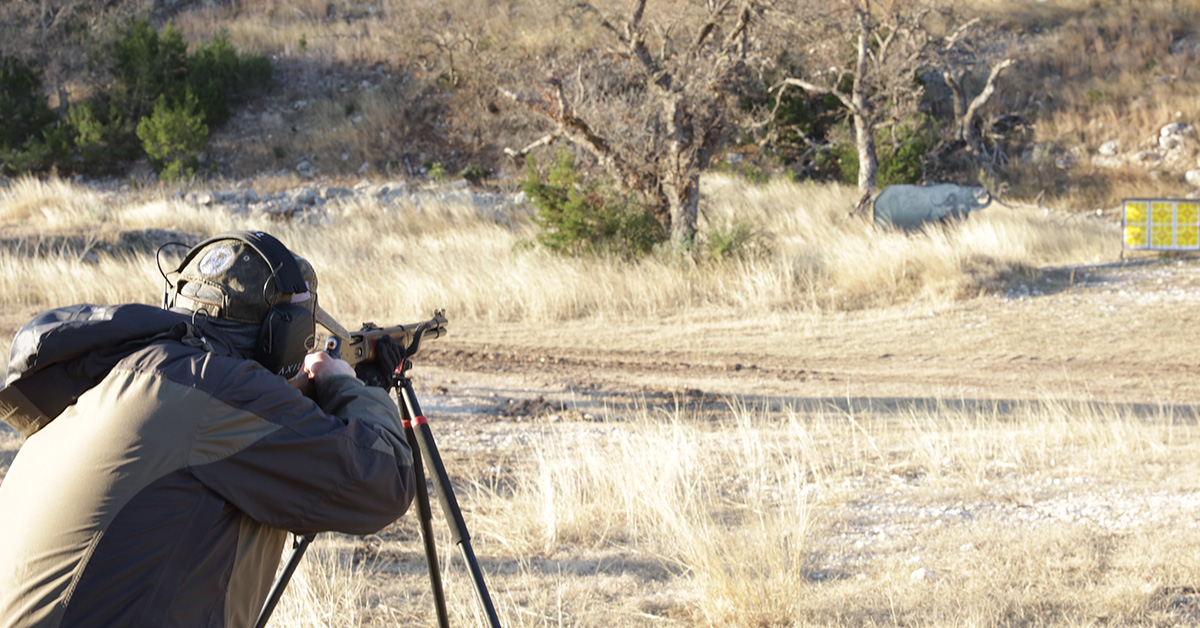
The great problem with flinching is that it causes you to lose control of the trigger. Oh, you’ll still pull the trigger (or yank it, more likely) and the gun will still fire, but the odds of you making a good shot — especially a good long shot — are slim. It’s human nature to yank the trigger and immediately lift our head from the rifle to see if the animal goes down, but these are both mistakes.
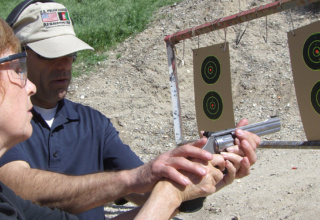
To master trigger control, dry fire your rifle. With no ammo in the chamber, magazine, or in the immediate area, work on a smooth, even, straight trigger pull using the pad of the last digit of your shooting finger. If done properly, the scope won’t bounce much at the shot. If you see gross movement, you’re likely yanking the trigger. Stop, take a few breaths, realign the unloaded rifle, and try again. This dry fire practice will lead to good habits, and those good habits will lead to better field accuracy.
Avoidable Optic Problems
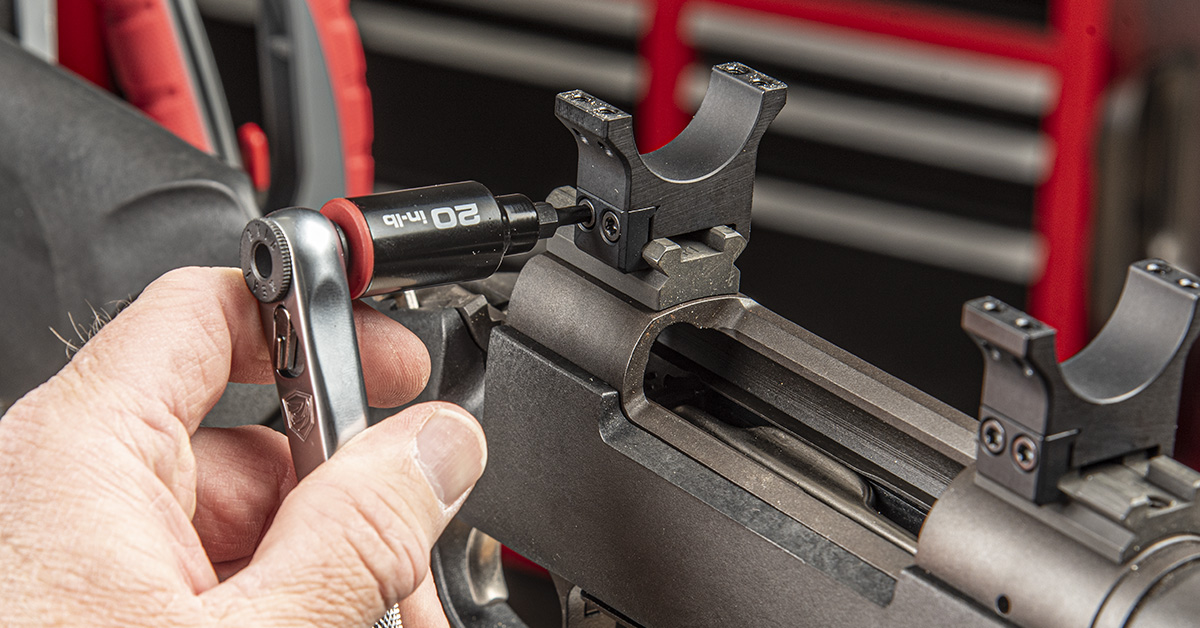
Sometimes, rough handling and drops causes damage to scopes that result in a miss, but I’ve found more often that issues with optics are a result of human error. These potential problems begin when the scope is mounted, oftentimes because the shooter doesn’t follow the manufacturer’s torque recommendations. Even something as simple as failing to level a scope or failing to tighten cap screws in the proper order can cause issues. Making sure that your scope is mounted properly is an important first step toward accurate shooting in the field. I also check my rifle’s zero and the torque settings on optic screws after traveling. Better safe than sorry.
The other issue that I see causes problems in the field is a failure to make proper adjustments or to re-zero your scope.
As an example, we were hunting mule deer when a friend of mine saw a good buck at over 400 yards. At the last second, the buck topped a ridge and we set out in pursuit. When we next found the buck, he was practically under our feet, but because the shooter did not turn the dial back to zero after the previous opportunity, the bullet struck the buck extremely high. Luckily, the shot struck the spine and killed the buck, but a few inches either way and the deer would have been wounded.
By checking torque settings and remembering to re-zero your rifle when using an exposed turret, you reduce the odds of mishaps. This is also why it’s always a good idea to carry a spare tool kit to the field (I use Real Avid’s Smart-Torq and Driver Master Set), which will allow you to adjust mount screws to the proper torque settings.
Not Waiting for the Right Opportunity
Unlike steel targets, game animals may only present shot opportunities for brief windows of time. Knowing when to shoot — and when not to shoot — is a skill developed through experience, but even new shooters can learn to determine when it’s time to pull the trigger and when to pass.
Choosing the right time to shoot is even more difficult when the animal is in a herd. A bull elk chasing his harem of cows will be on the move almost constantly, and any opportunity to shoot him while he’s standing still and in the open will likely be fleeting. I’ve also had the same problem with other game, like aoudad and pronghorn during rutting periods.
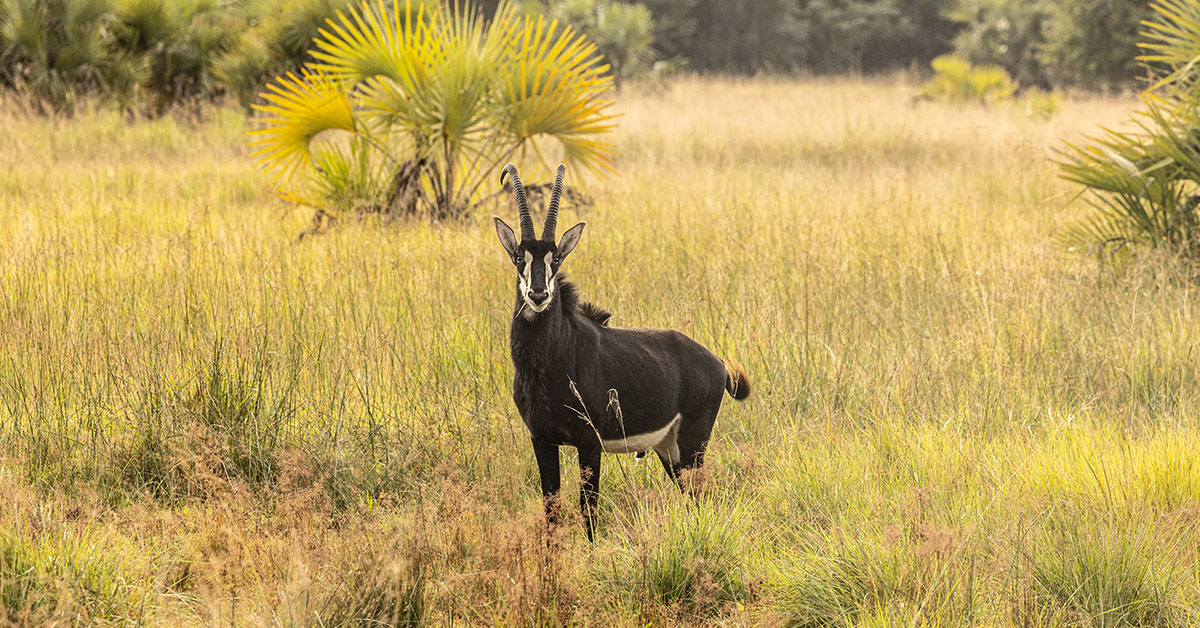
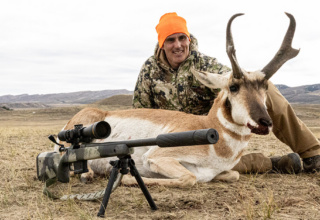
The optimal time to shoot is when the animal is broadside or nearly so and is standing still. Frontal shots can work, but they are trickier and you’re more prone to wound the animal if your shot placement isn’t absolutely perfect. As a hunter, you need to be prepared to shoot when that broadside shot is presented. Shoot too early when the animal is out of position and you’ll likely miss the mark. I saw this happen on a pronghorn hunt once when the antelope was walking toward the hunter. As the buck started back into the herd, the hunter fired, but the antelope was moving and the bullet grazed the side of the shoulder and struck too far back.
If you wait too long, you’ll also miss opportunities, although it’s better to err on the side of caution than risk losing an animal. As a hunter, you need to learn to anticipate when the animal will stop broadside and then use that opportunity to make a good shot without rushing to fire and jerking the trigger. I’ve seen game wounded and lost because hunters panicked and fired when the animal was moving, poorly positioned, or both. If you’re unsure, the better option is to wait.
- This Year’s Top Hunting Suppressors - July 1, 2026
- The Six Rifles Everyone Should Have - May 26, 2026
- Talking About Firearms to Anti-Gun Friends - April 20, 2026