Do you know who establishes the standards for the manufacture of firearms and ammunition in the United States? Here’s everything you need to know about SAAMI…
by Richard Mann
Have you ever thought about buying an old rife or handgun that might be chambered for a cartridge that most shooters today would consider antique? If you did, you probably wondered if you would be able to find ammunition for it. The thought also probably crossed your mind that if you did find modern ammunition for it, would that ammunition work and be safe in a gun that could be more than 100 years old? Well, if the old gun you’re interested in is chambered for a cartridge that is SAAAMI approved, you got no worries.
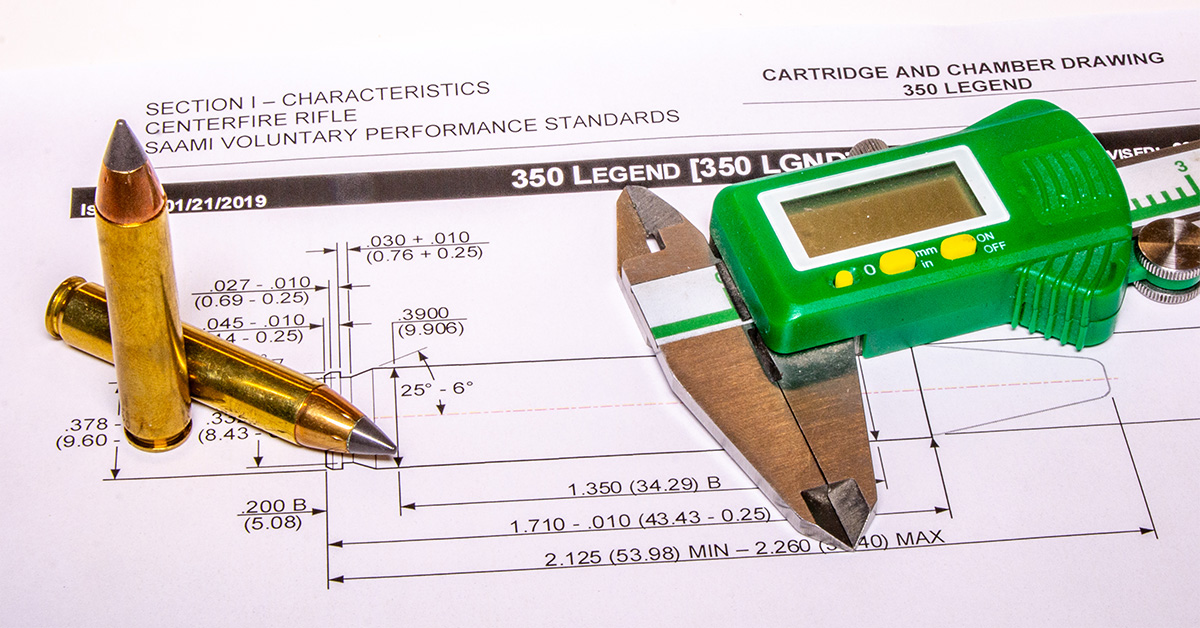
SAAMI is the Sporting Arms and Ammunition Manufacturer’s Institute. I know this sounds like some sort of government organization but it’s not. SAAMI is a private organization that was founded at the request of the Federal Government in 1926 with the goal of publishing voluntary industry standards for quality, reliability, interchangeability, and, most importantly, firearms and ammunition safety. You can read the history of SAAMI here. SAAMI’s mission statement is “To create and promulgate technical, performance and safety standards for firearms, ammunition, and components; and to be the preeminent global resource for the safe and responsible transportation, storage, and use of these products.”
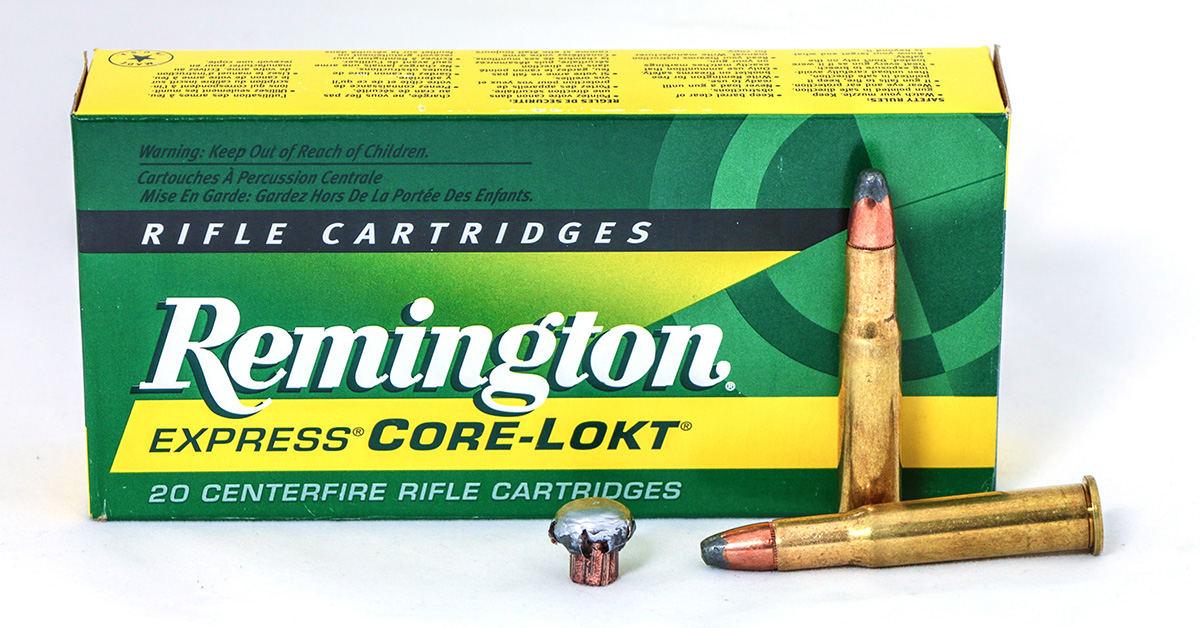
Because of SAAMI, if you purchase a Winchester Model 1894 chambered for the 30-30 Winchester that was made in, say, 1897, it will still chamber and safely fire 30-30 Winchester ammunition that is made today. When a cartridge is designed and submitted to SAAMI, a board of savvy ballisticians and gun guys look at everything associated with the cartridge and determine if it will be safe. But they also publish the design parameters of the cartridge so that manufacturers have a blueprint to follow when they make a gun or ammunition for this cartridge. This is one reason a cartridge approved by SAAMI has a better chance for success than any wildcat or proprietary cartridge.
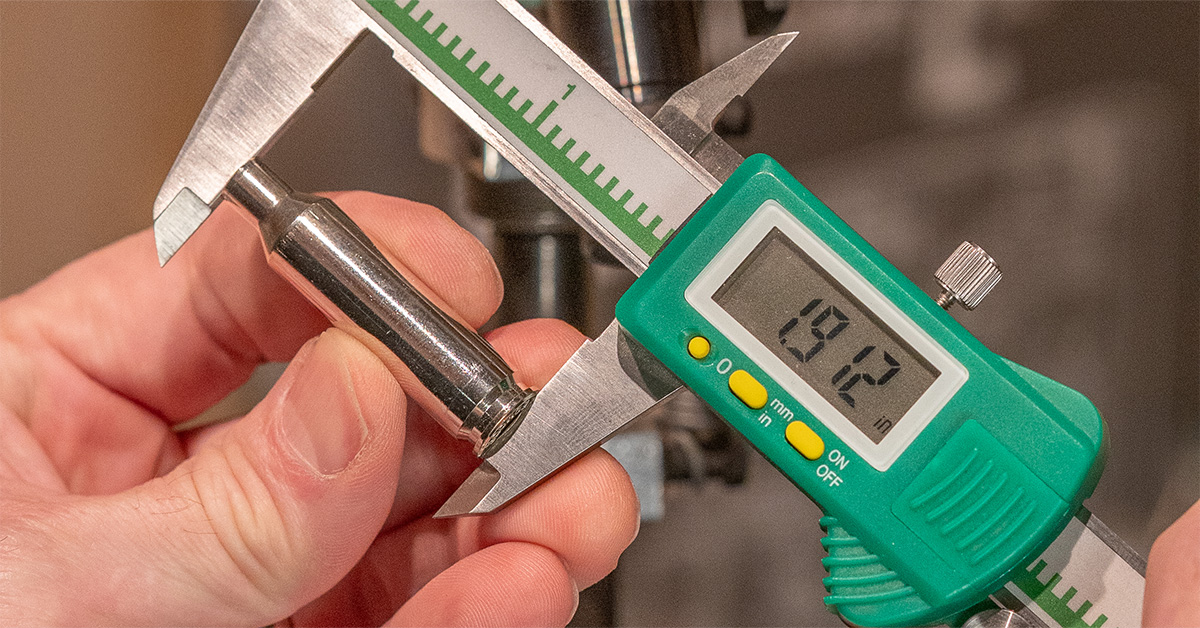
SAAMI publishes all these standards that include information for rimfire, handgun, shotgun, and rifle ammunition, firearms, and even sound suppressors. Now, there is no requirement that these standards must be followed, but not following these standards would not help a manufacturer’s sales or provide them with any liability protection. If you go to the SAAMI website, you can see all their standards, and it is a website I use on an almost daily basis. In fact, if you are a serious shooter, the SAAMI website can become a great resource because it is full of information.
Names Matter
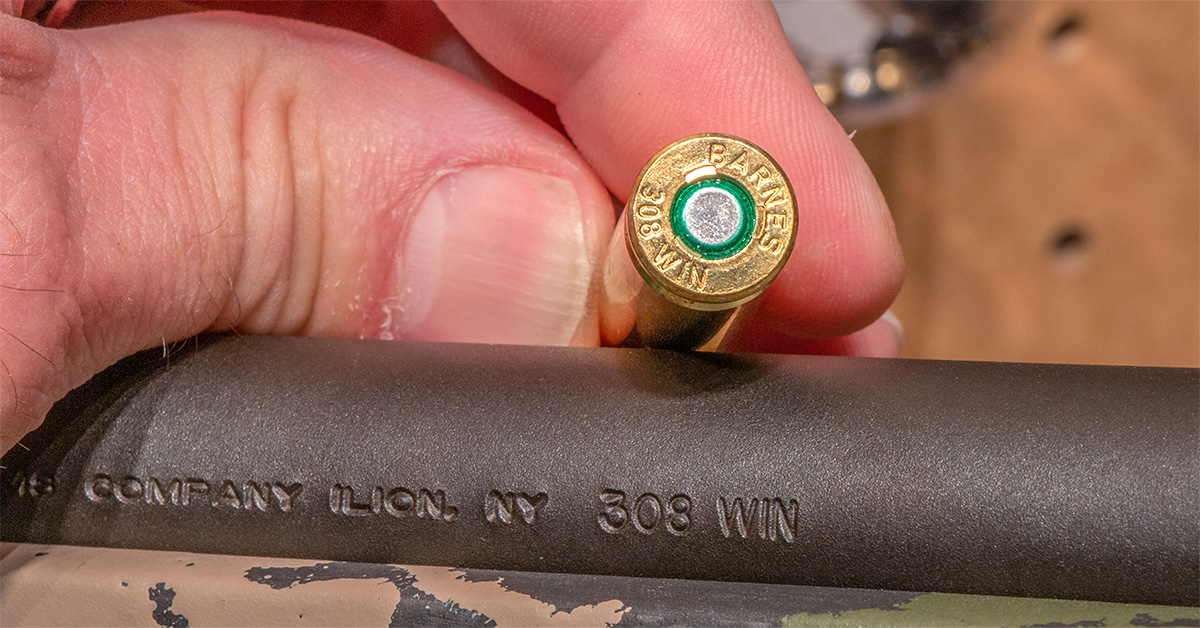
Cartridge names are a SAAMI standard, so you can be sure to get the right ammo in the right gun. Cartridges have proper names as opposed to accurate dimensional designations. A perfect example is the 270 Winchester. When you purchase ammo for your 270 Winchester, it says “270 Winchester” or “270 Win” right on the box. But have you ever wondered why it does not say “.270 Winchester” or “.277 Winchester” — note the decimal — instead? After all, a 270 Winchester uses a 0.277-caliber (seven millimeter) as opposed to a 0.270-caliber bullet.
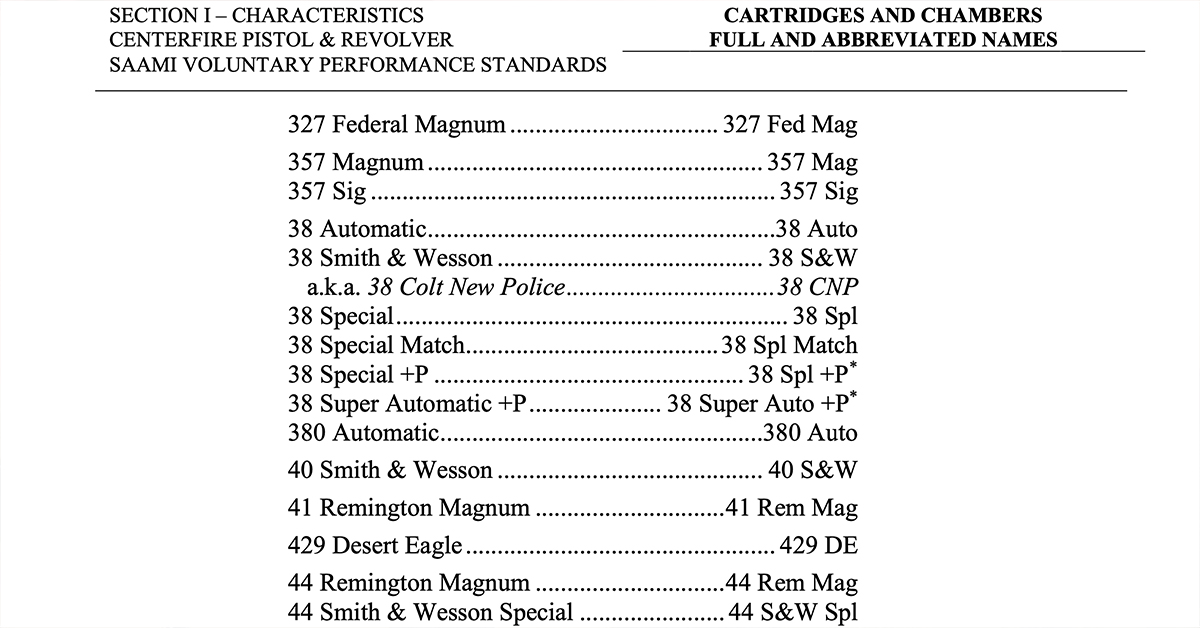
The reason is because SAAMI establishes the proper names and abbreviations for cartridges, and these names do not include decimal points. Even though when you read about a cartridge in a magazine, book, or on the Internet, editors think it proper to add a decimal point to the name because it seems like a measurement. It’s not. A 44 Magnum is not a 0.44-caliber because it actually fires a 0.429-caliber bullet. Admittedly, this is a pet peeve of mine, but when we talk or write about gun stuff, we should follow the industry standards.
Dimensions
The dimensional information SAAMI publishes about cartridges is very important because it allows ammunition manufacturers to make ammo that will fit in any 30-30 Winchester or 44 Magnum, and it allows firearms manufacturers to make guns that will accept any 30-30 Winchester or 44 Magnum ammo. An important aspect of the SAAMI approval process is to make sure it’s not possible to chamber a cartridge that fires a bullet that is larger in diameter than the bore in a gun’s barrel.
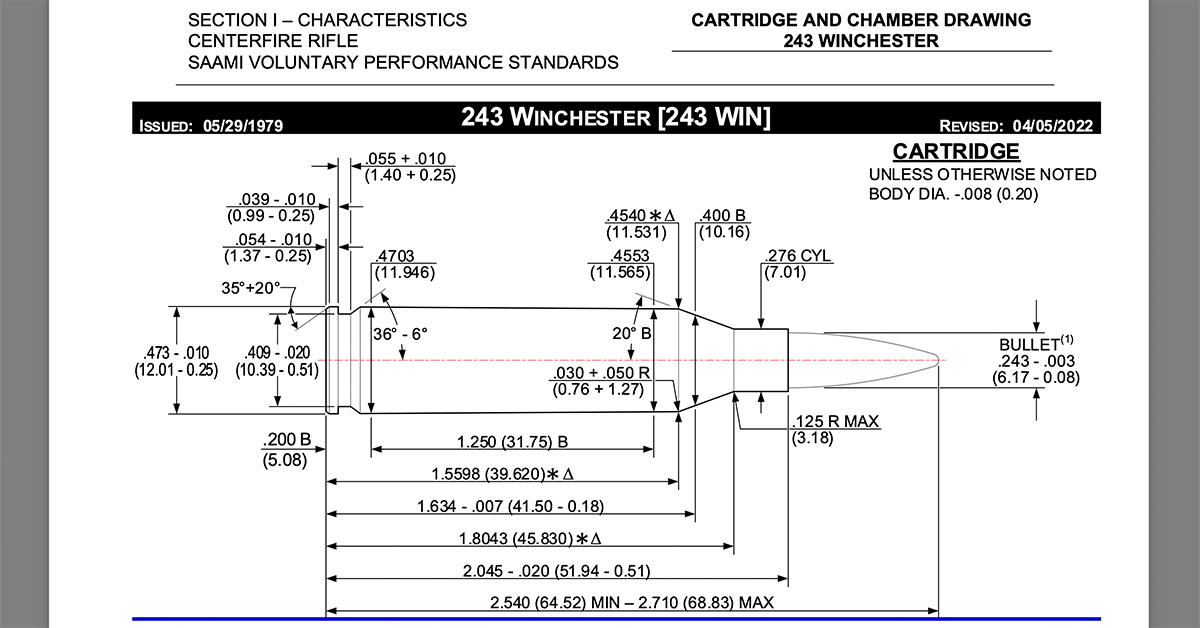
This might seem unnecessary, but consider that the 243 Winchester, 260 Remington, 7mm-08 Remington, 308 Winchester, 338 Federal, and 358 Winchester all utilize a case that is nearly identical in size. Because of SAAMI dimensional standards, you cannot chamber a 260 Remington cartridge in a 243 Winchester rifle. This is a good thing because trying to shove a 0.264-inch bullet down a 0.237-inch diameter bore can lead to disaster. Yes, the bore diameter in a 243 Winchester barrel is 0.237 inches, but the groove-to-groove diameter of the rifling is 0.243, plus or minus 0.003 inches. I know this because SAAMI says so.
Pressure
Some of the most important information SAAMI supplies deals with chamber pressure. This is very important, too; just because a round of ammunition fits in your gun’s chamber does not make it safe in your gun’s chamber. By setting rigid standards that dictate the maximum average chamber pressure (MAP) for ammunition, it keeps ammunition manufacturers and handloaders from loading high-performance ammunition that guns — especially older guns — might not be able to handle.
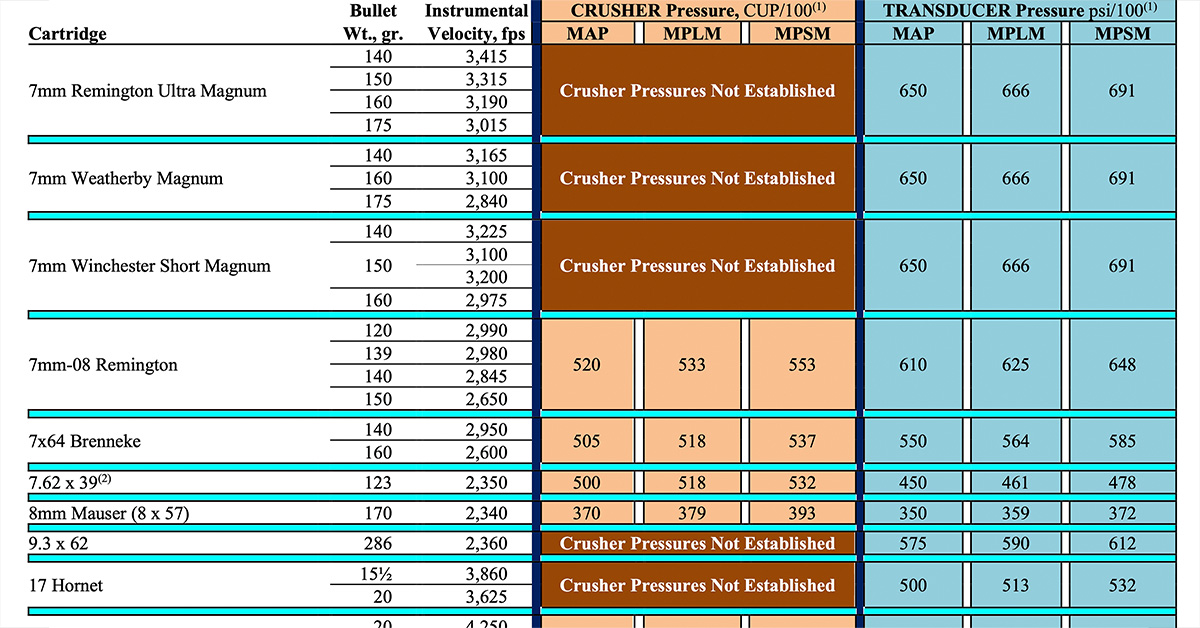
For example, have you ever wondered why, even though the 7×57 Mauser cartridge case can hold more powder than the 7mm-08 Remington case, the 7mm-08 Remington can produce faster velocities? It’s because there are so many old 7×57 Mauser rifles floating around that the cartridge is held to a MAP of 51,000 psi and the 7mm-08 is loaded to a MAP of 61,000 psi.
The Little Things
SAAMI specifications are extremely detailed because they also list the rifling twist rate for every cartridge. Twist rate is important because that is how bullets are stabilized to deliver optimum precision. If manufacturers build ammo that will not work with your gun’s twist rate, it will not shoot with precision and that would not make you happy. And, as many know, twist rate has become very important lately because shooters want to shoot longer bullets that have a higher ballistic coefficient (BC) since high BC bullets shoot flatter and drift less in the wind.
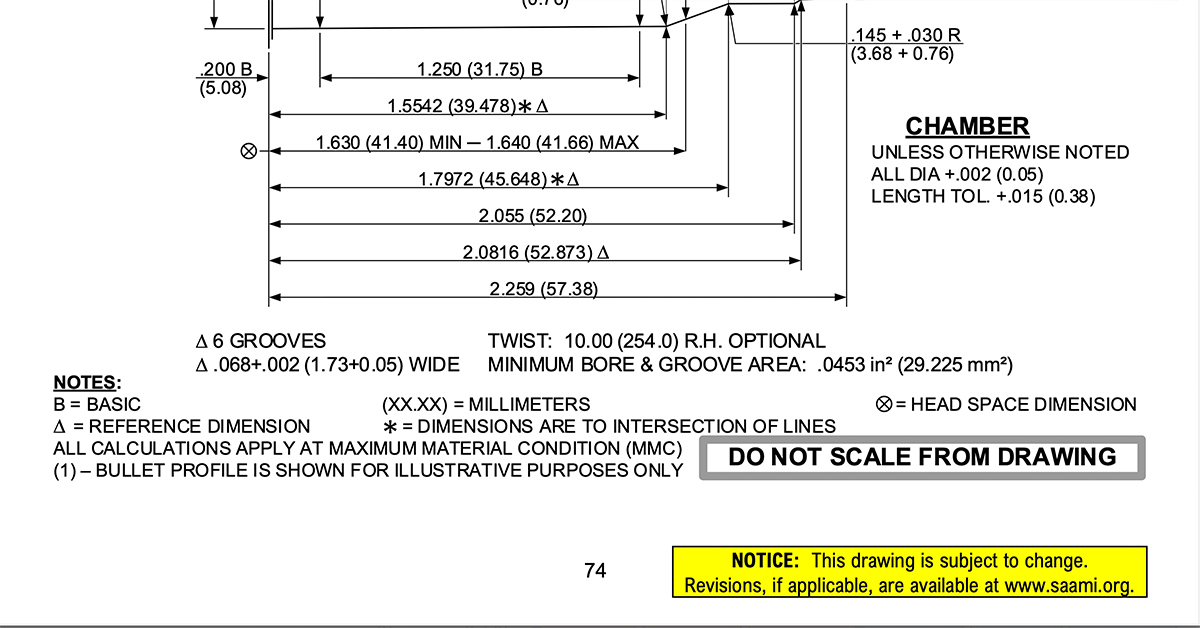
The 243 Winchester cannot achieve the velocities of the 6mm Remington because the 6mm Remington cartridge case holds more powder and is loaded to a higher pressure; however, the 243 Winchester has a SAAMI specified rifling twist rate of 1 turn in 10 inches, and the 6mm Remington — originally the 244 Remington — initially had a 1 in 12 twist rate because that’s what Remington specified. Because the 243 had the faster twist rate, it could stabilize longer and heavier bullets, and it’s one reason why the 6mm/244 Remington is dead and gone and the 243 continues to survive.
A Great Resource
I think it’s important that shooters understand the service SAAMI provides. I also think they should realize the value of the information that is available on the SAAMI website. There is even detailed information there to help you correctly compute free recoil energy. It’s where you can find all the technical specifications for any SAAMI approved cartridge. This is not only great information for shooters, but it is a fine resource for handloaders. We all like to compare muzzle velocities, and we often use the catalogs provided by ammunition manufacturers for that purpose. But on the SAAMI website, they provide the instrumental velocities for all their approved cartridges. This data is based on safe pressures, and they provide a great way to compare cartridges.
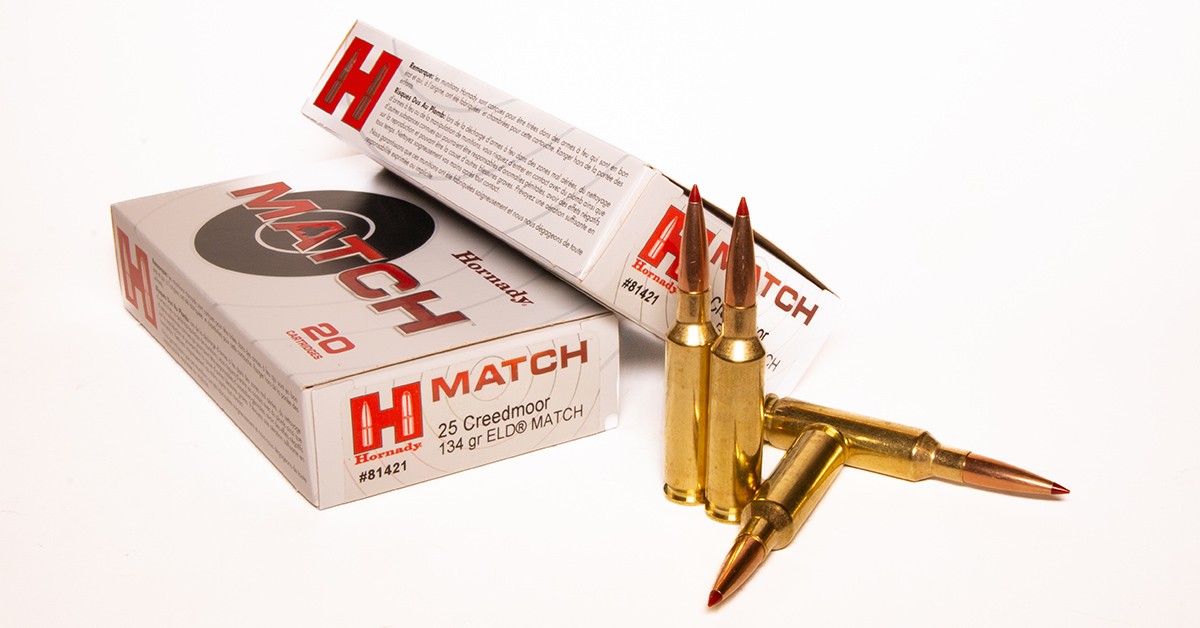
If you are interested in new cartridges, the SAAMI website is also where to look. They have a page specifically for information on newly accepted cartridge and chamber designs. This is where technical information on new cartridges is first provided. If you see a new cartridge appear on this list, you can be almost positive that an ammunition and/or firearm manufacturer will soon introduce a new gun or ammunition for it.
We are fortunate to have an organization like SAAMI working for the best interest of shooters by ensuring the ammo we buy works in the guns we shoot, and that the ammo and those guns are safe when used together. You should check out the information on the SAAMI website, and even if you don’t, you’ll know what it’s all about when you read about or hear someone mention SAAMI.
EDITOR’S NOTE:
The “Not Dry” Cartridge Book You Must Read!
As cartridge books go, most demand a good night’s sleep and a steady stream of coffee in order for me to get through even a chapter, let alone make the complete cover-to-cover journey. The first exception to this loose rule is a new book just released by Shoot ON contributor and author of the article you just read, Richard Mann.
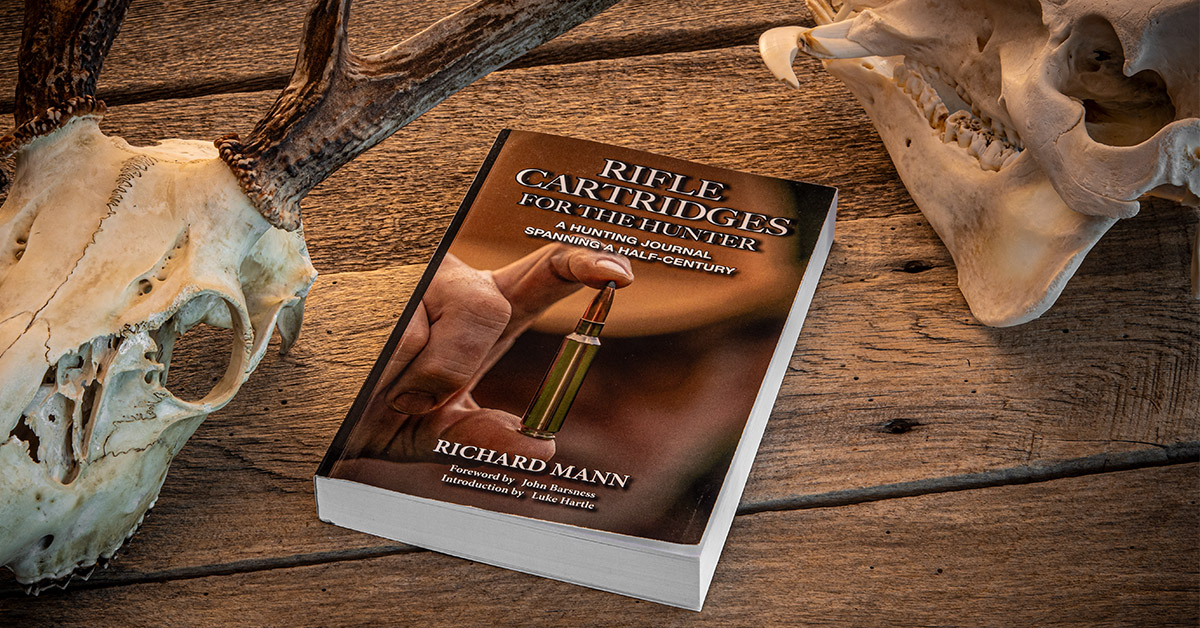
From the title, Rifle Cartridges for the Hunter, you might think, “Really?” The subtitle, though — A Hunting Journal Spanning a Half-Century — hints at something more. And, boy, is it ever.
Rather then a parched tome filled with mind-numbing data charts, ballistics graphics, and more numbers than a Matrix cascade, Rifle Cartridges for the Hunter is an exquisite blend of personal anecdotes, ponderings, practical experience, and to-the-point performance summaries of 50 different cartridges Mann has deployed across the world, from his home in the West Virginia hills and hollers to exotic hunting adventures in Africa, New Zealand, Europe, and throughout North America.
Presented in an around-the-campfire tone, Richard delves into numerous hunting cartridges he’s met, used, fell in love with, and hated. The reader learns the background, makeup, and performance characteristics of each cartridge and enjoys tales told of how these cartridges performed from a real-world perspective.
Rifle Cartridges for the Hunter, A Hunting Journal Spanning a Half-Century is part education, part entertainment, and a wholly enjoyable read. Want to validate or learn more about your own cartridge choices or know “What the heck is a 500 Cyrus?” This book is for you. This 408-page publication, fully illustrated with color photos, is available in soft cover form direct from Amazon. — Rob Reaser

- Custom Guns: Are They Worth It? - April 8, 2026
- Exploring the 25 Creedmoor - March 18, 2026
- Meet the 284 Winchester - February 18, 2026