The principles of personal defense should be ingrained and practiced by all who commit to carrying a gun for the protection of themselves and of others. Failure to do so is not an option.
by Bob Campbell
I don’t know for certain how many citations I handed out over twenty years, but it must have been in the low thousands. Some violators got a warning; some a trip to the lockup. There were many repeat offenders. I called them frequent flyers.
Today, the violators I encounter are in training classes — folks who are well appraised of the rules of personal defense yet still violate these rules. Like the doctor who doesn’t follow his own advice or the mechanic running on bad brakes, there is no excuse.
There is clear precedent for training. Police qualifications set the standard, beginning in the 1920s with the NYPD leading the way. The NRA invited peace officers to compete in National Matches to encourage police training, and only in 1960 was a national instructor’s course codified. Soon after, Colonel Jeff Cooper stressed personal responsibility and pistol craft. There have been standards in place for many years. Proven training drills, reliable firearms, effective ammunition, and practice routines are available. The person who doesn’t access these and who doesn’t practice them is violating the principles of personal defense.
The basics of personal defense have validity in training and have worked well operationally. Those who ignore these standards cannot attain personal defense proficiency. If you deviate from the principles or take the wrong advice, you will not proceed well. Before getting on a track you consider superior to proven standards, you should first understand qualifications and what they mean and what is achieved.
There are diverse qualification standards across the United States, with agencies setting their own standards, while concealed carry qualifications differ widely. Some qualifications eliminate long range 25-yard qualifications; few extend beyond 15 yards. In personal training, we are not qualifying but performing different types of drills in order to gain and maintain proficiency.
A drill that cannot be violated is one steeped in real-world study and which has much substance. This is the standard response drill.
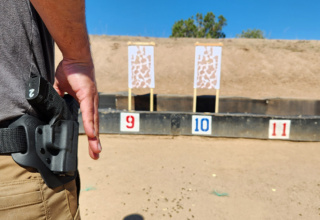
This drill is sometimes used as part of a final qualification in training. The goal is to present the handgun from concealed carry and get a K-zone hit on a man-sized target in 1.5 seconds at ten yards distance. If you cannot perform this drill on demand, your training or carry gear is lacking.
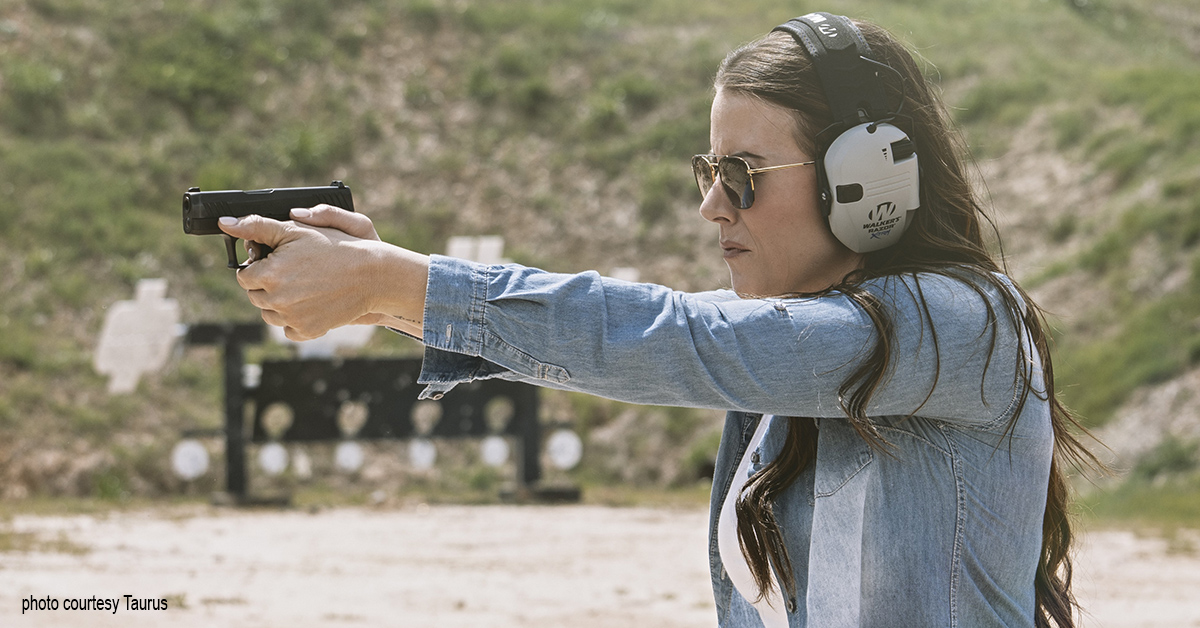
Personal defense is comprised of a series of coordinated movements. This drill is a standard response and not the most challenging for a trained shooter. If the holster isn’t up to such a presentation and the handgun isn’t capable, you have made serious errors in choosing gear.
There are mental violations that are just as important as making a mistake in training. Unfortunately, the “right now” crowd will look to proximate goals and ignore the long-term benefits of training. These inclinations must be stopped and short- and long-term value appreciated.
A serious violation of common sense is to underestimate the likely threat. A failure to respect the capabilities of the adversary results in a lack of training and awareness. This is a common defect in perception. Sure, a huge number of criminals’ primary character trait is stupidity. The combination of mean and stupid is scary. All are dangerous and not all are stupid.
Don’t underestimate the threat’s weapon. A crowbar, ball bat, or kitchen knife are deadly and have been used in robbery and murder for many decades. In one case I worked, a sober individual of average size killed two people while armed with a tire tool even though one victim was armed with a handgun. (Tire irons were more serious tools before the widespread advent of screw jacks.)
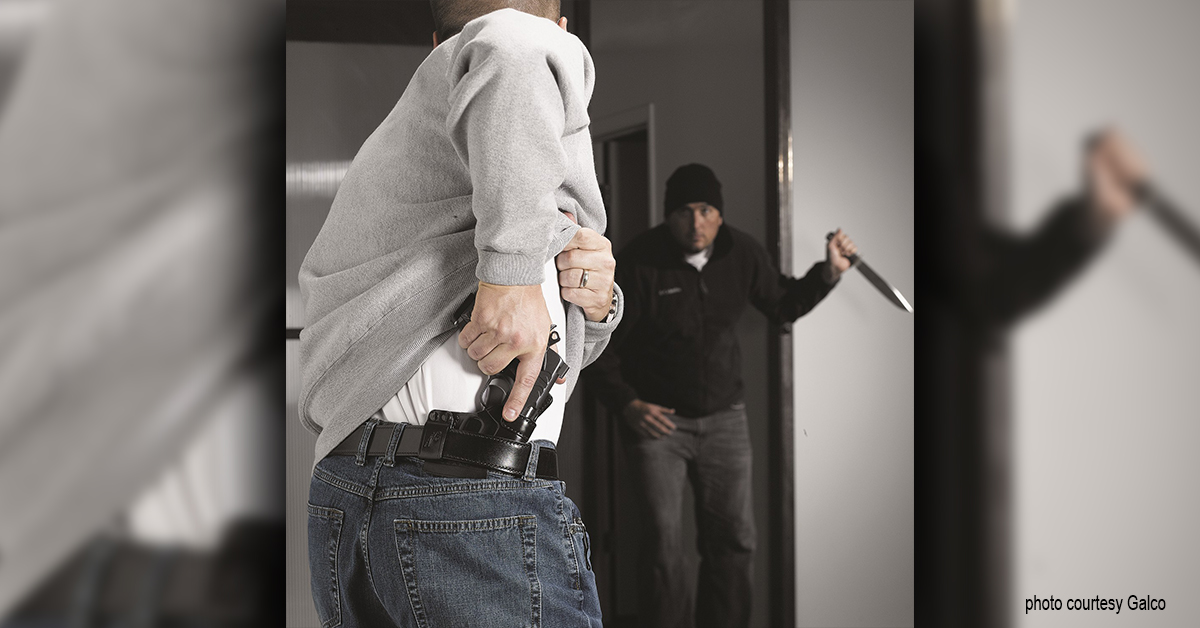
Don’t be complacent in recognizing threats. There are those who use statistics to point out the fact that you are not likely to be attacked. By the same token, probability isn’t the same as possibility; the possibilities are endless. Probability is confused with propensity. Your overall probability of danger may be low, but the criminal element has a propensity to pick certain victims, raising your probability of becoming a target.
There is no shortage of prison alumni, and they have developed skills to survive. If you develop only the skills you need to get by in a qualification, you are shortchanging yourself and discounting more effective preparation.
Demonstrable Skills
Your on-demand performance is the proof of skill and readiness. Your best days — those bragging groups we relish — are only indicators of possible performance. Only demonstrated skill is conclusive. The problem is that many shooters rely on skills they cannot demonstrate. They do not understand the point-of-impact with a certain point-of-aim at different distances and cannot shoot as well as they assume they can. Moving targets are impossible for them, and their own tactical movement is poor. They practice only drills they are certain to ace. This is a type of arrogance.
“I don’t practice but I can do what I must do. You don’t forget to ride a bike.”
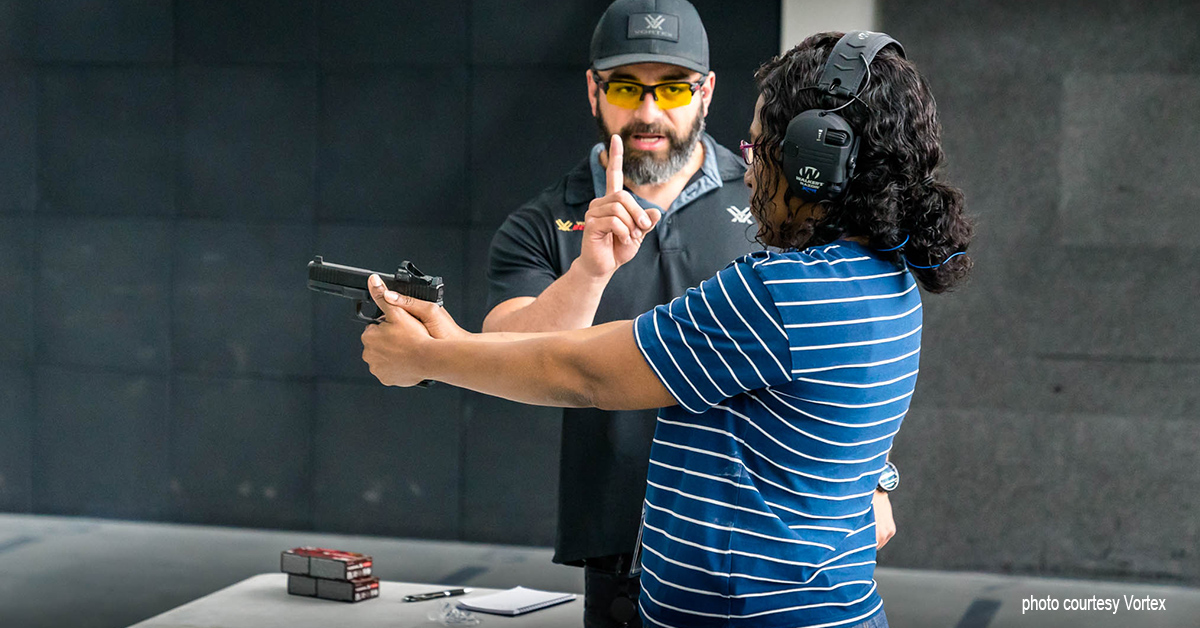
I think that those who practice all agree the top shooters do not demonstrate this arrogance. Far from it. The top shooter practices enough to realize that mistakes come easily to everyone. Fumbled speed loads and slower than average presentations are something that we train against but fall short of perfection. The odds are with those who practice. The person who trains hard is more humble and realizes that there is always room for improvement. When you practice and understand the principles of personal defense and practice standard response drills, you become an increasingly formidable shooter. Fallacies and poor choices fall apart in training. Point shooting, as an example, which is akin to driving a car with your eyes closed, doesn’t pan out well when put it to the test on a live-fire range.
Underassessment of the Threat
There are two primary motivations for training. An awareness of crime and a general recognition of danger are catalysts for training. Surviving a felonious assault is a trigger for training. Let’s hope you prepare beforehand, but some of my best students are those with scars from assault.
I mentioned an underassessment of a threat and the threat’s intelligence. A criminal’s willingness to maim, kill, rape, and cause human suffering isn’t debatable. A frame of mind to be avoided is underestimating the threat’s weapons.
I recently studied several dozen police body cam and surveillance videos, and other images of shooting incidents. The bad guys are not arming themselves with .32 autos or Hi-Point pistols. No, it is the good guys who make that mistake. Most armed criminals use the Glock 9mm or a similar pistol; others deploy an AR-15 or some type of pistol caliber carbine. Their firearms are at least on a par with ours. Sometimes the bad guys arm themselves with the latest gear first.
When criminals began using military grade 9mm handguns with fifteen-round magazines a few decades ago, cops were dying with empty revolvers. Why would we not wish to be on a level playing field today? At least the bad guys are predictable in their actions, and we may train to counter the threat.
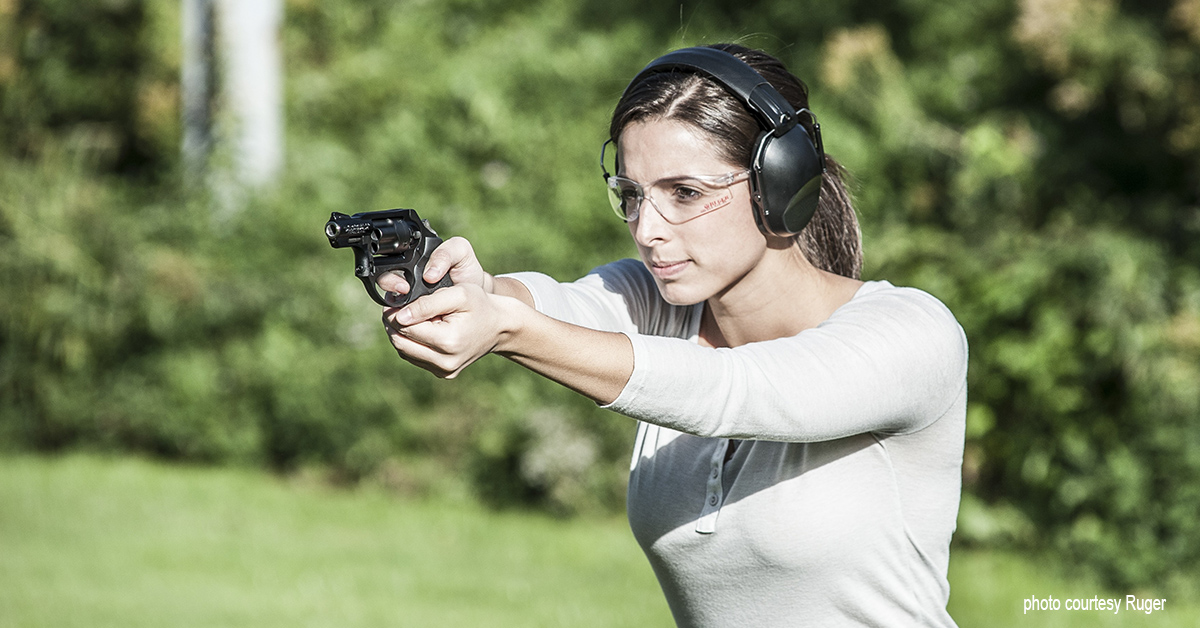
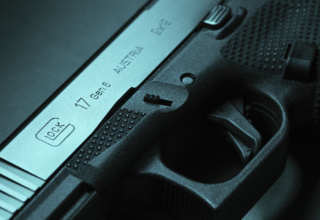
Deploying a poor-quality firearm is a violation that many are guilty of. Frozen actions and failures to fire or failures to feed are common in every training class. Cheap 1911s are the usual offenders, inexpensive copies of proven handguns are close behind. Revolvers are not immune to action problems. You may not realize the revolver is out of time from the factory unless you run it hard in a training class. Guns not proofed before the class? Commonplace. The Glock should be a baseline. The Glock is reliable and affordable. If you pay less, corners have been cut somewhere. If you pay more, be certain you get what you pay more.
Violation of Common Sense
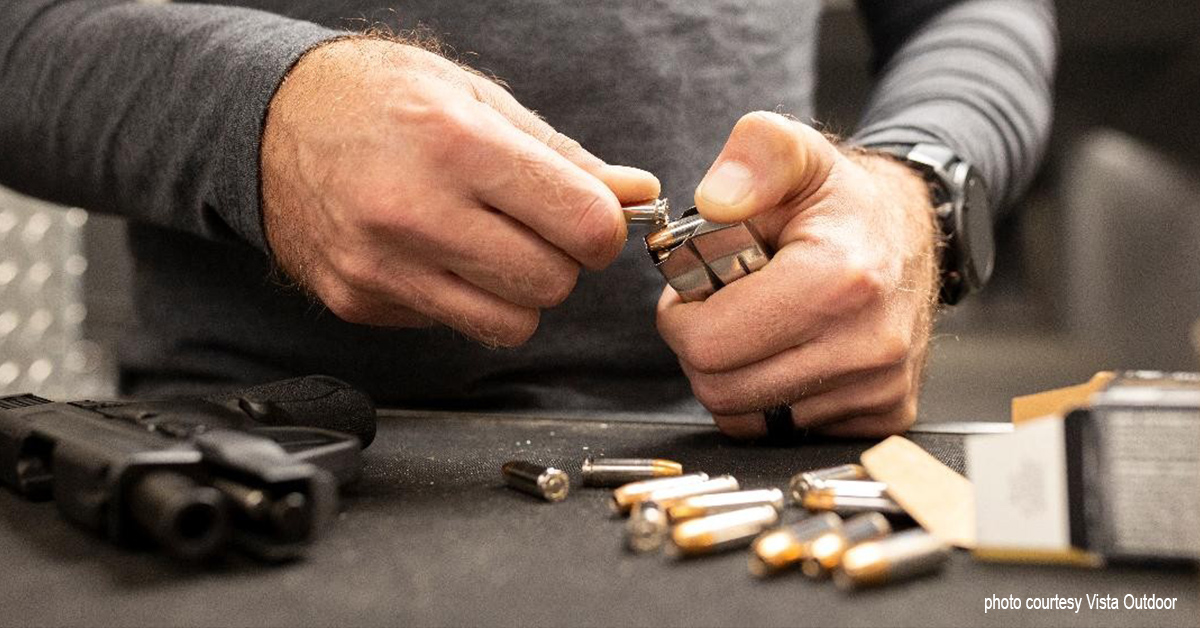
Debating caliber is among the most wasteful of arguments. There is a tragic history for all to study. Our models may be formed from this history. Historical and scientific evidence is abundant. The 9mm Luger is a realistic choice. Wound potential is adequate to good with this caliber. If you can master larger calibers such as the 10mm or .45 ACP, that is fine, but be certain they are mastered.
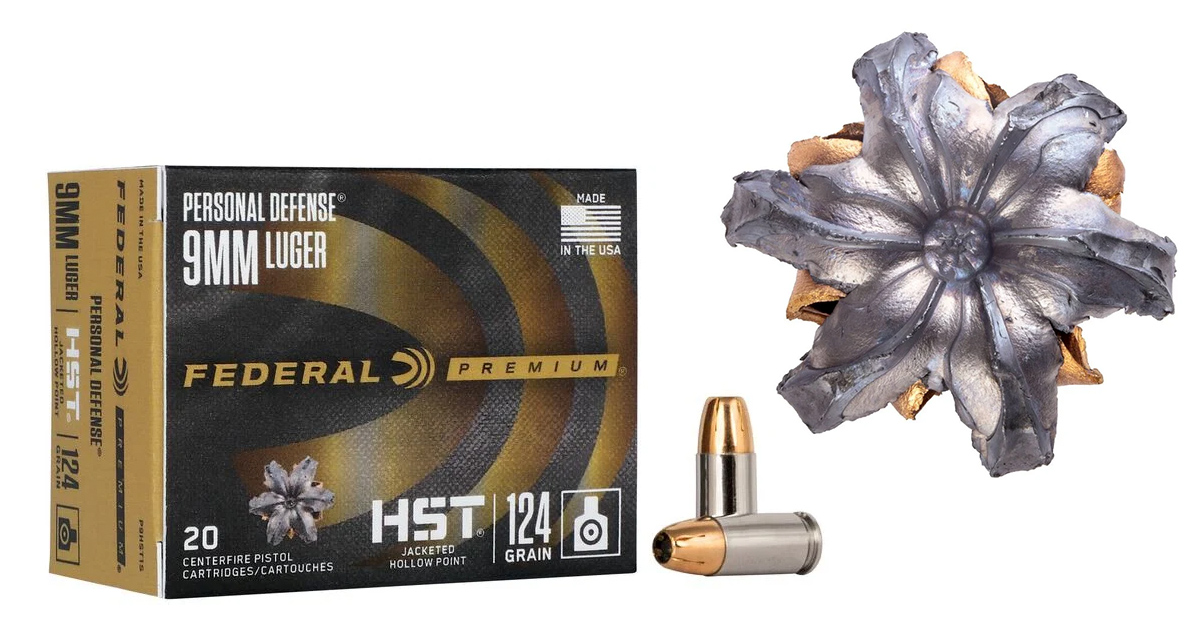
The 9mm is widely available in a range of sizes and types of handguns. Ammunition is affordable. The .32s and .380 are not reliable fight-stoppers. Wound potential is a science with repeatable results. Federal, Hornady, Speer, and others publish verifiable penetration and expansion results. So-called stopping power studies are full of variables and a lack of scientific methodology that render their credibility zero. Study tactics, train, and use a suitable firearm of good quality and ammo of sufficient wound potential. Poor quality firearms are seldom purchased by the cash-strapped but rather by those who are “cheap,” in my experience. Remember, the Glock is available and even a used Glock is superior to a new but inferior firearm. Don’t go below 9mm.
As for taking a stopping power study at face value, if you are that gullible, then be careful of Ponzi schemes as well.
Load-Bearing Gear
A violation of principles of quality and usefulness is to choose cheap load-bearing devices. Even worse is to try to get by without a holster. A handgun tucked in the belt or the pocket isn’t a viable solution to concealed carry. But then some folks drive without seat belts.
I am not a clothes horse and live a relaxed lifestyle in most particulars. I wear the proper gear when hiking and camping. Arrowhead Tactical Apparel has been a good resource in combining my outdoors and personal defense lifestyles. My concealed carry gear is comprised of good quality belts and holsters. I don’t use tuckables and inside the shirt carry. With the shirt tucked in, that is a wickedly slow one-hand draw! Pocket carry isn’t high on my list, but I carry a backup in the pocket in a good holster at times. It is practically impossible to wear a trick holster and still get the 1.5 second hit in the standard response drill. I realize that a strong side scabbard isn’t always concealable, but with proper lightweight covering garments, you may be surprised. An inside-the-waistband holster is often a good choice.
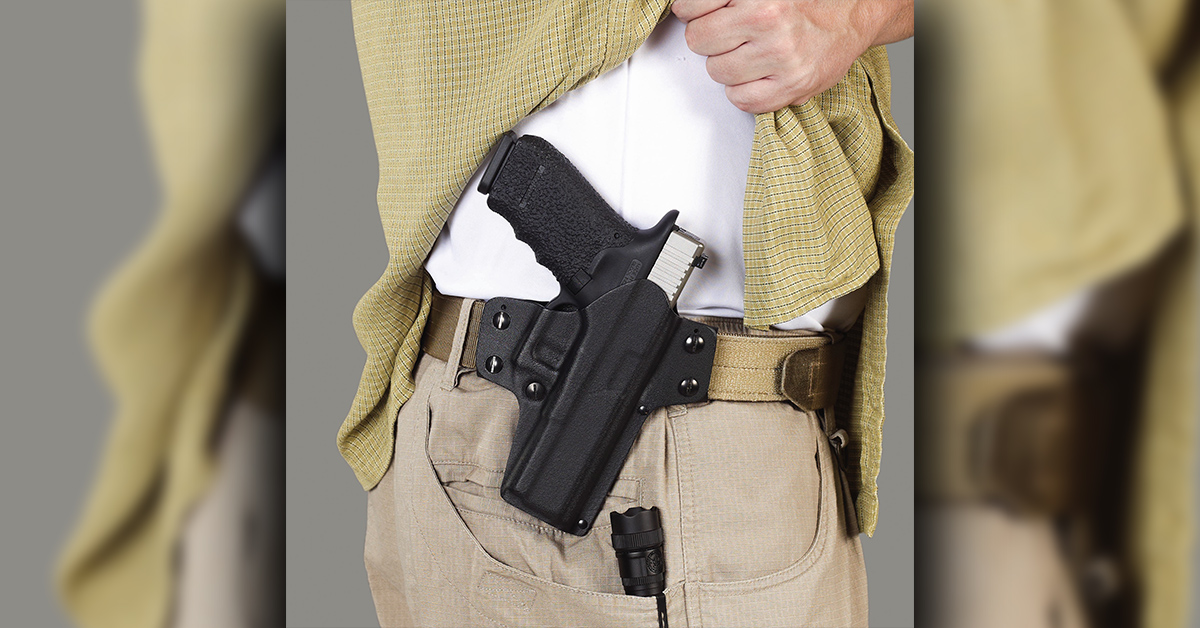
I shudder to think of the folks carrying a cheap gun in a thin suede holster loaded with poor ammunition…and who have not practiced!
I would assume my reader is intelligent enough not to rely on a semi-automatic pistol with an empty chamber. Trouble comes at you quickly. If you do not trust a modern pistol with its safety features, then choose a revolver. Almost as bad is carrying a single-action pistol with the hammer down rather than properly “cocked and locked.” Enough said on that subject. It is second-grade teaching.
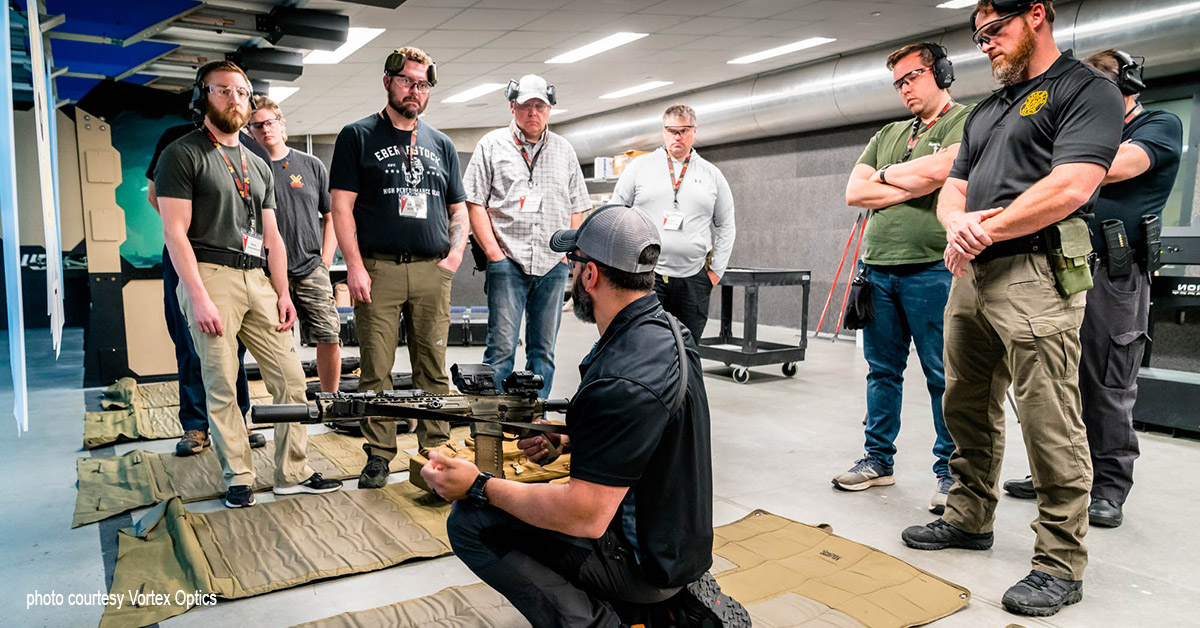
Human perception is an interesting thing, and some have quite a unique perspective. It is difficult but worthwhile as I teach to deal with reality to counter wrong ideas — not differences of opinion but in some cases fantasy. You cannot afford to escape into a fantasy world in training. Reality is in essence the raw truth of life. Choose a quality, reliable firearm, get the best training you can afford, and train hard. Optimize proven techniques and get tuned up. Don’t violate the lifesaving principles of personal defense.