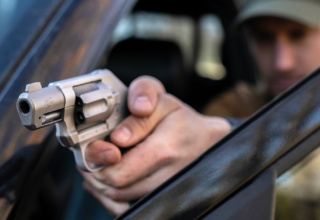
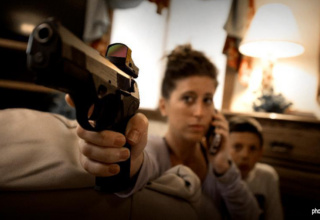
Would you survive a violent confrontation? These four personal defense factors make the difference.
by Brad Fitzpatrick
The goal of any violent encounter is simple: survival. Every gun owner should do their best to avoid these confrontations, but the reality is that violence is sometimes unavoidable and, in those situations, there are several factors that will impact your odds of success. Make certain that if you find yourself in one of these life-and-death situations that you have stacked the odds in your favor. Here are four factors that may make the difference.
Tools
The key first step in armed defense is having a firearm accessible. While this may seem axiomatic, there are a lot of gun owners who do not carry their firearm every day. Oftentimes, their reason for not carrying is that they are going to a “safe” place where there is little or no crime; however, this assumes that bad things don’t happen in “good” places, and that’s simply not true. A trip to the library, local grocery store, or state park may result in an attack. We’ve seen such instances quite a bit lately in the national news. So, you must be prepared.
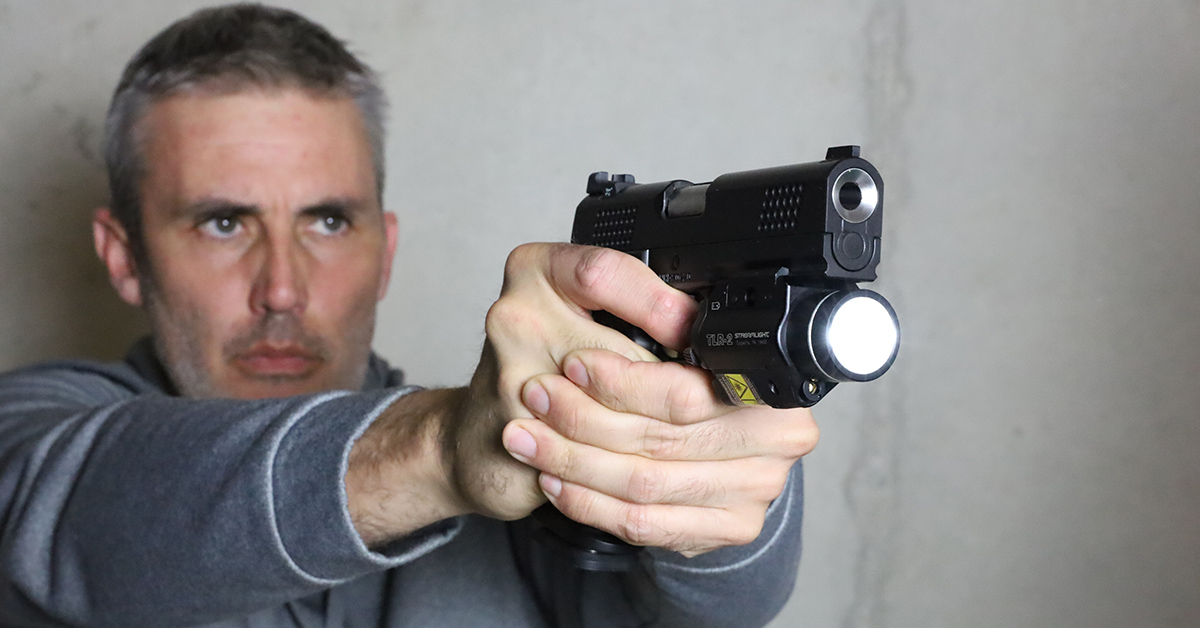
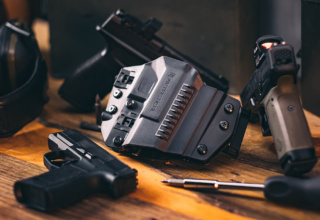
I’m not suggesting that you carry a firearm in areas where they are prohibited, but if you can carry, you should. You also need the proper gear. A reliable firearm with a good sighting system and in an appropriate caliber is important, but so is high-quality defensive ammunition.
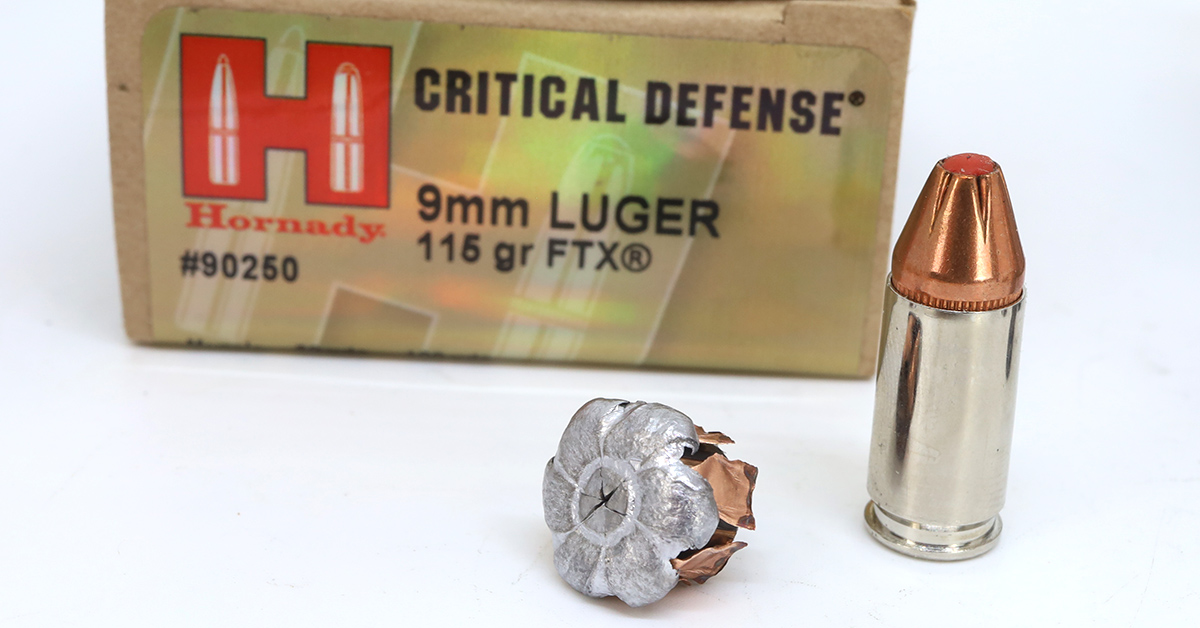
Many shooters buy cheap ammunition, yet research shows that bullet design has a substantial impact on terminal performance, and quality ammunition is generally loaded with premium components designed for unfailing reliability. A comfortable, sturdy holster is also critically important because it increases the odds you’ll carry every day. Accessories like a flashlight, quality belt, and spare magazine are also beneficial for everyday carry.
Training
Owning a gun doesn’t make you a competent shooter any more than owning a car qualifies you to drive in a NASCAR race. If you’re going to survive a violent encounter, you need more than tools — you need the training to use them.
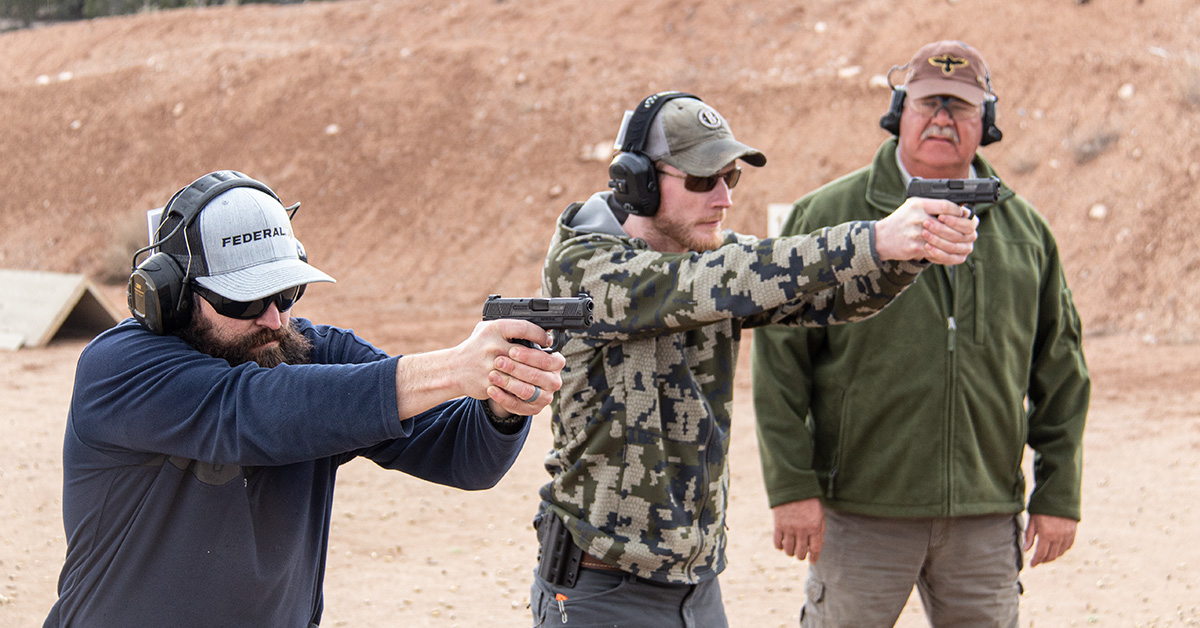
You can learn to shoot from an experienced gun owner, but I think taking classes from a professional shooting instructor is worthwhile. There are several high-quality facilities with effective training programs around the country, and although some of this training is expensive, I believe it’s money well spent. When I refer to “training,” I’m focusing on lessons beyond the basic safe firearm handling and marksmanship lessons most people learn in state-mandated concealed carry courses. Although safety and accuracy play a vital role in next-level training, you’ll also work on skills like drawing a firearm from a holster, recoil management, reloads, clearing malfunctions, and other real-world skills that will better prepare you to survive a gunfight.
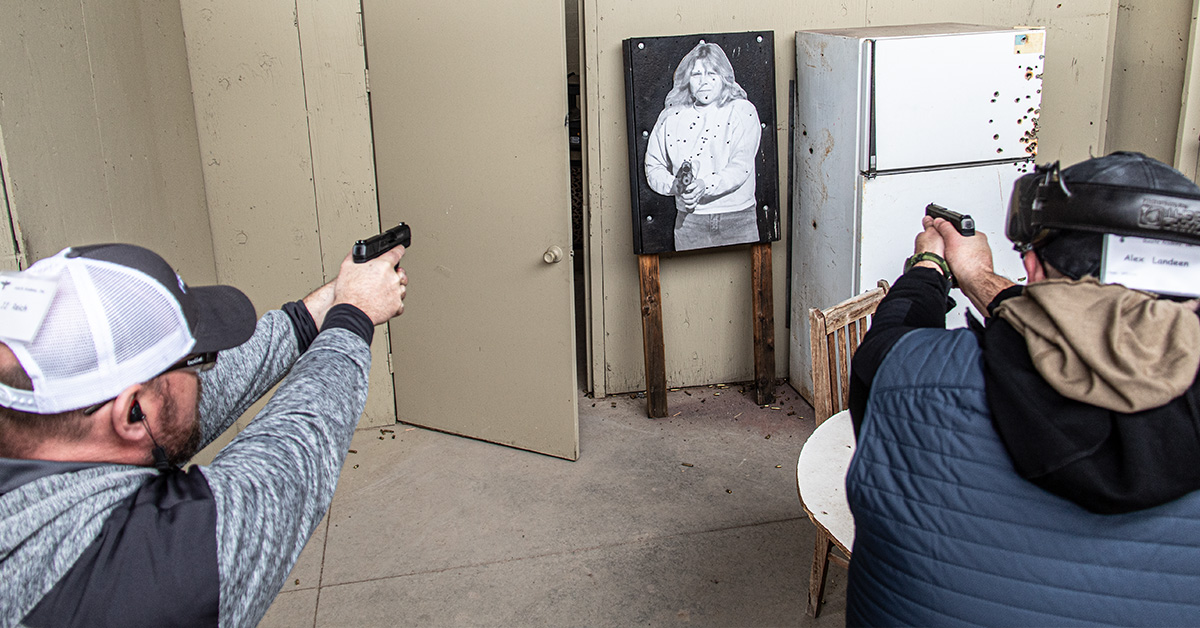
Learning these skills is important because in any stressful situation you will fall back on your training (if you have any), and the skills you acquire before a violent encounter predict the outcome afterwards. If you do find yourself facing a lethal threat, you want to make certain that you have the skills necessary to survive.
Movement/Cover
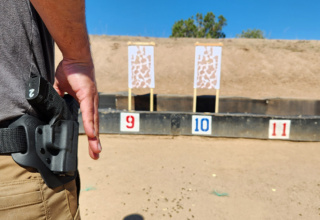
For most shooters, range time consists of shooting stationary targets while standing still. That’s fine for new shooters and even experienced gun owners if you’re working on a specific skill like trigger control or sight alignment/sight picture, but once you are comfortable shooting while standing still, you need to incorporate movement.
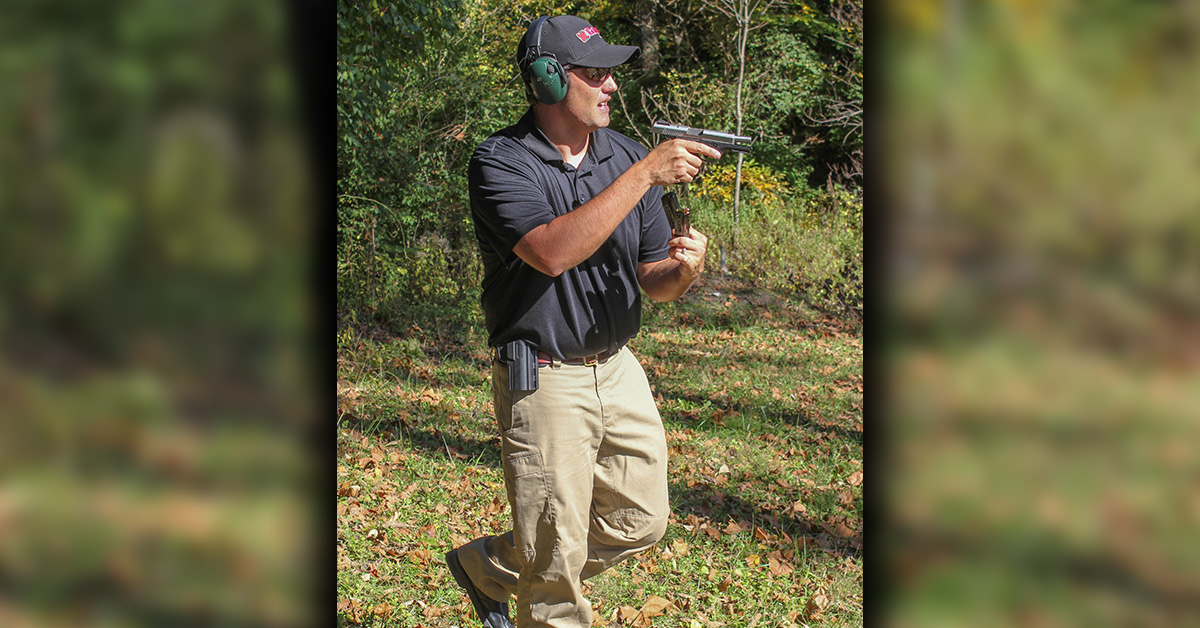
Why incorporate movement? For starters, a moving target is substantially harder to hit, and that stacks the odds of survival in your favor. Start incorporating movement drills slowly and always be mindful of trigger discipline (keep your finger out of the trigger guard until you are ready to take the shot!). Take small, positive steps to the left and right and forward or back. As with any program, you shouldn’t move faster than your training allows, and practice in an open area without trip hazards. You should also learn to move while drawing the firearm so you can get away from the threat and avoid being shot. It’s essential to practice moving in every direction because you cannot say which direction is the safest in a violent encounter. It’s rare to need to move forward in a confrontation, but if that’s where the cover lies, that may be your only option.
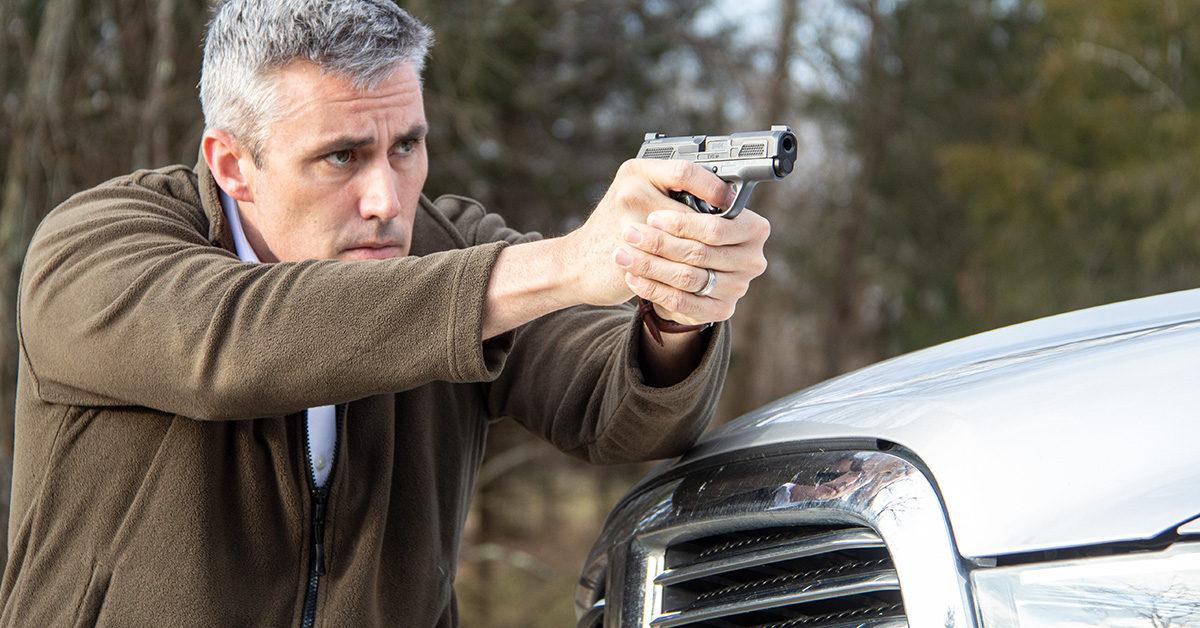
Speaking of cover, learn to use suitable cover so you can place a bulletproof barrier between yourself and the attacker as quickly and efficiently as possible. Understand that there’s a vast difference between concealment (barriers that hide you) and cover (barriers that stop projectiles). When possible, seek out the latter. The most effective way to avoid being hit by a bullet is to find protective cover, and that same cover may make good your escape from the attack.
Mindset
Proper mindset is critical to surviving a lethal encounter, but mindset is a skill that must be developed and trained. In many dangerous situations, our natural impulse is to freeze. If you are mentally unable to put your training into action, there’s a good chance you won’t survive regardless of your technical skill level.
There are methods that are effective to improve mindset, and one of my favorites is Gunsite’s four color-coded conditions. Developed by Colonel Jeff Cooper, these conditions include white (unprepared), yellow (aware and alert), orange (identifying a threat and preparing to react) and red (engaging a threat). Many gun owners — even those with training — operate in condition white. As such, they are mentally distracted and unaware and completely unprepared for a confrontation. The goal is to operate in condition yellow — a state of relaxed awareness — until you identify a potential threat. It sounds simple, but the psychology of “color conditioning” is sound.
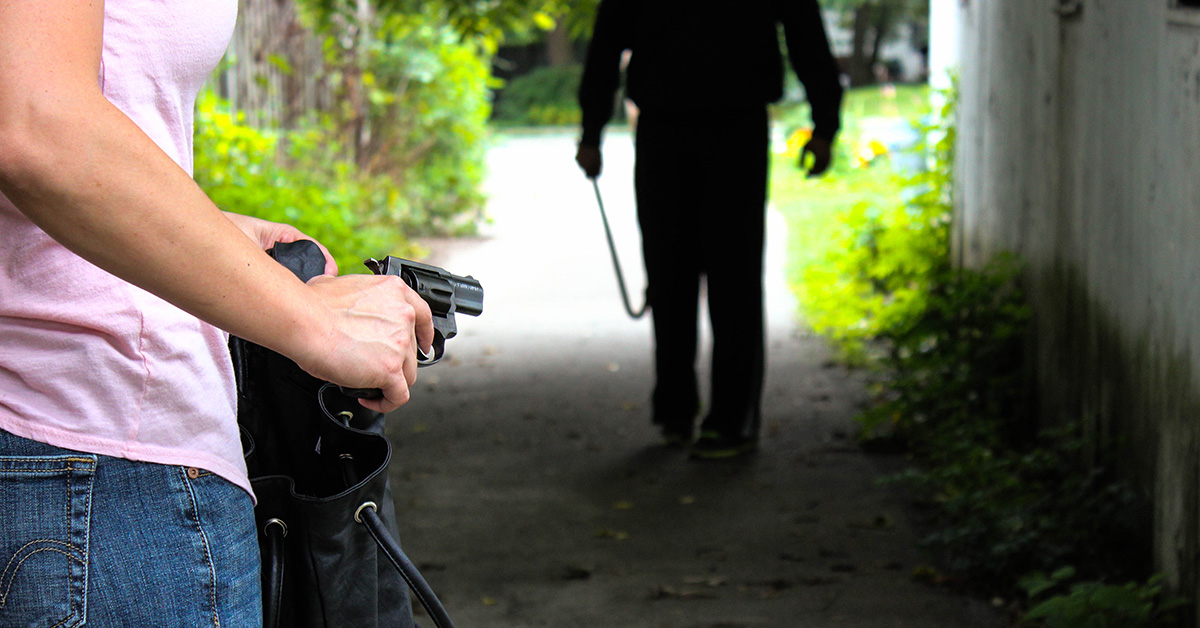
Training that incorporates an added level of stress helps prepare you to enter condition red. As mentioned, quality training teaches fundamentals like sight picture and sight alignment, how to draw from a holster safely, and so forth, but it can also help improve mindset. Competent trainers will incorporate a level of stress into a shooting scenario that requires you to make good decisions and accurate shots in confusing situations. They’ll also do this safely, using Airsoft guns or other methods to create a chaotic atmosphere in which you must operate.
Putting It All Together
The best way to survive a violent encounter is to avoid one entirely, but the stark reality is that sometimes violence finds you when you least expect it. Your tool, training, mindset, and ability to move and reach suitable cover ultimately make the difference between surviving and the alternative. So, make certain that you are truly prepared in these four aspects of survival.

- TESTED: Crossbreed’s N8 MultiFlex Holster - March 9, 2026
- The Top Five Shooting Mistakes Hunters Make - January 21, 2026
- PERSONAL DEFENSE: Preparing for the Worst - December 31, 2025