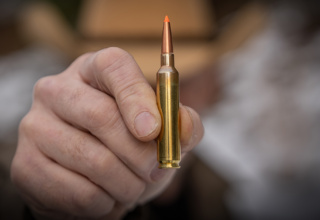
Hitting the scene as the first short magnum cartridge, the 284 Winchester solved a pile of issues for hunters needing to take fast shots at extended distances and with the terminal performance to get the job done
by Richard Mann
In the early 1960s, Winchester did two unusual things. First, they introduced a semi-automatic that looked very similar to their also unusual lever action rifle from 1955. Both these rifles fed from a detachable magazine and worked with cartridges like the 243 and 308 Winchester that were loaded to an overall length of 2.8 inches or less. Just as surprisingly, Winchester introduced a brand new 7mm cartridge that would work in that same magazine and offered it in both rifles. The rifles were the Model 88 (lever action) and Model 100 (semi-auto), and the new cartridge was the 284 Winchester.
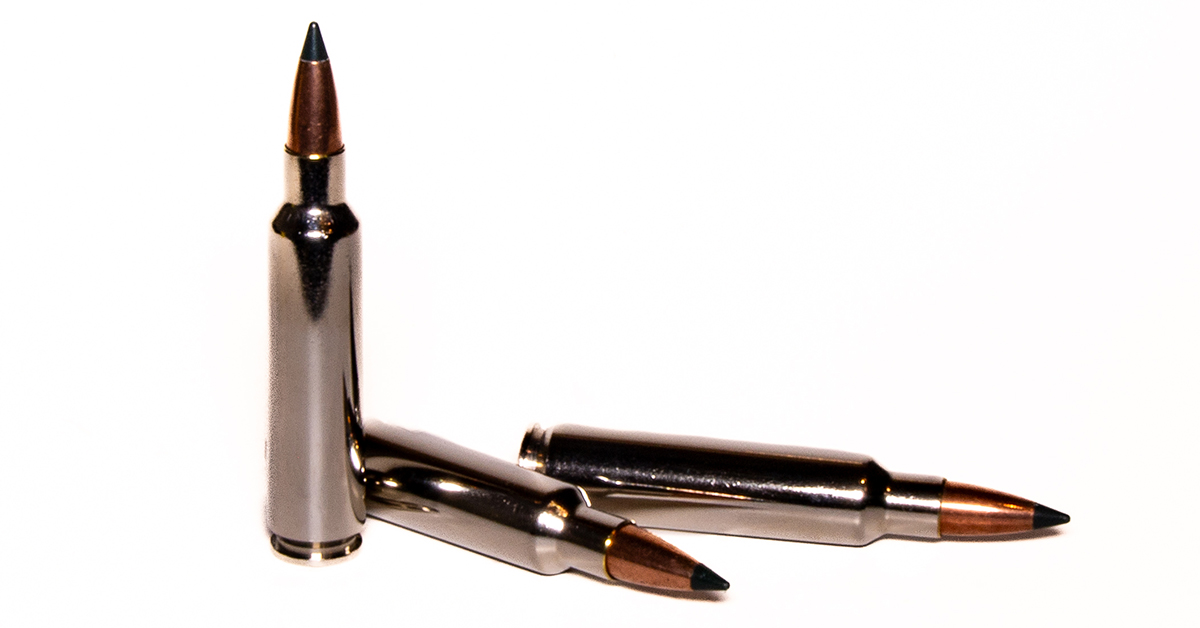
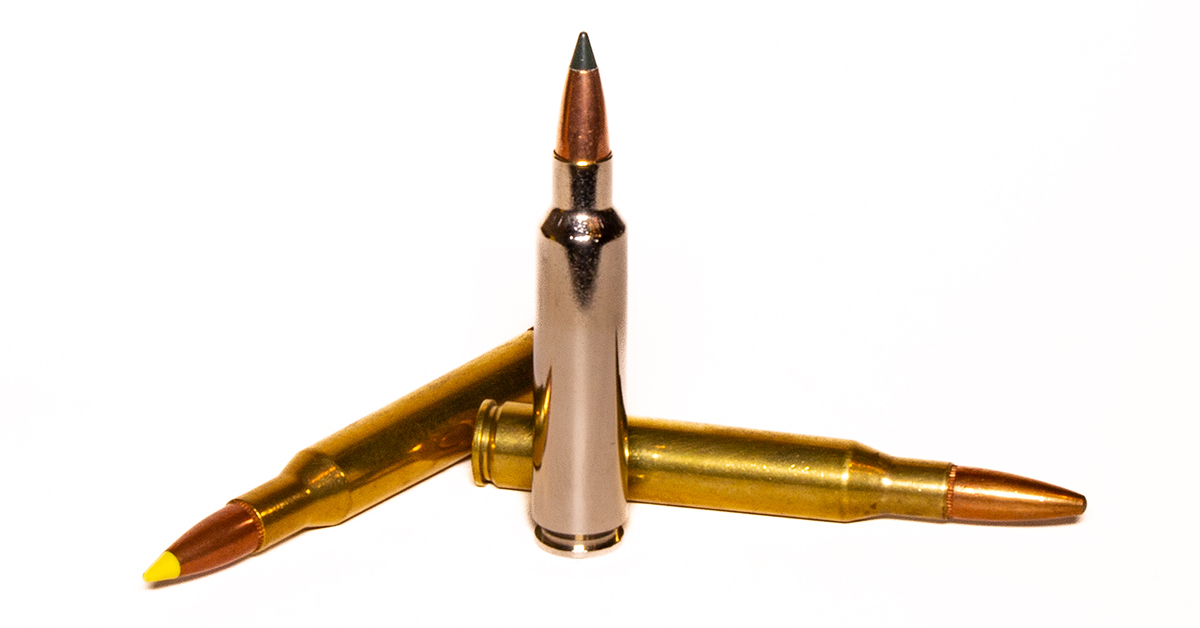
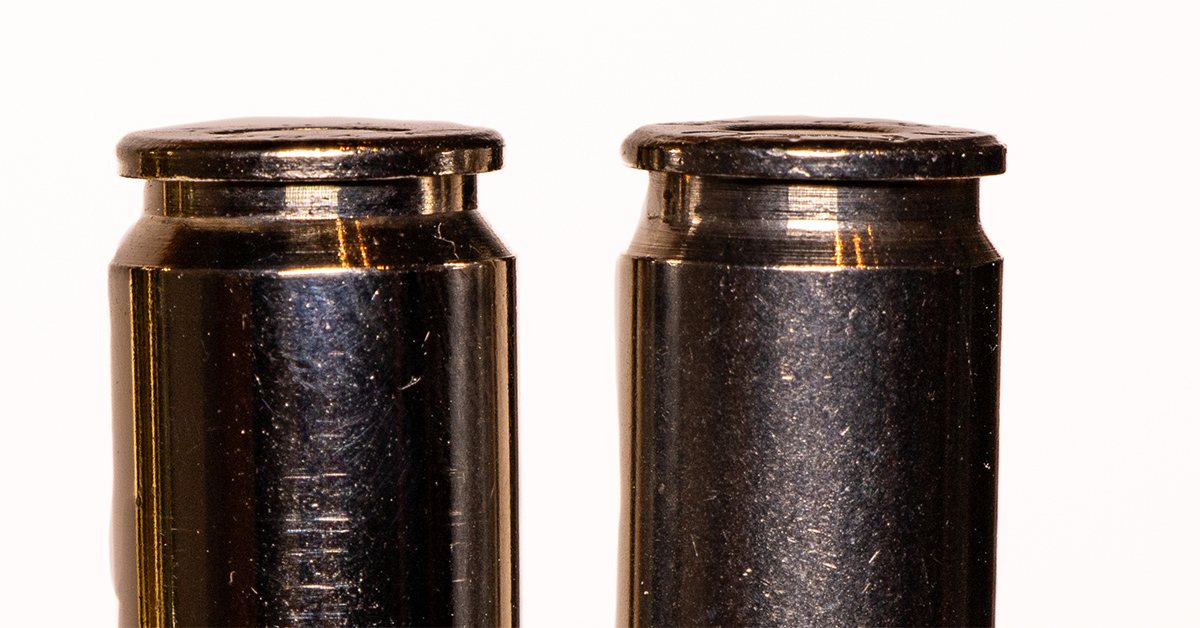
The 284 Winchester cartridge was unusual because the rim of the cartridge was smaller in diameter than the base/body of the cartridge. It was America’s first rebated rim cartridge. The base/body diameter of the 243 and 308 Winchester is 0.470, but the base of the 284 is 0.500. Since the 284 had the same rim diameter as the 243 and 308 Winchester, it would work with the same bolt face, but the larger diameter and slightly longer case body on the 284 allowed it to hold more gunpowder. Put simpler, it had a standard cartridge rim diameter and a magnum cartridge body diameter, and the extra gunpowder equated to more velocity.
The 243 and the 308 Winchester, though, are loaded to a maximum average pressure (MAP) of 60,000 and 62,000 psi, respectively. Winchester set the MAP of the 284 Winchester to only 56,000 psi. Faster velocities achieved with less pressure is a good thing for throat and barrel life, but Winchester achieved those lower pressures with a very long throat. The throat of a chamber in a barrel is where the rifling tapers from non-existent to actual bore diameter. With most centerfire rifle cartridges, the throat is short.
For example, with the 243 and the 308 Winchester, the throat measures 0.1774 inches and 0.1637 inches, respectively. With the 284, the throat is 0.5241 inches long. A longer throat reduces pressure, but it also increases bullet jump from the case mouth into the rifling, and this can be — but is not always — detrimental to precision.
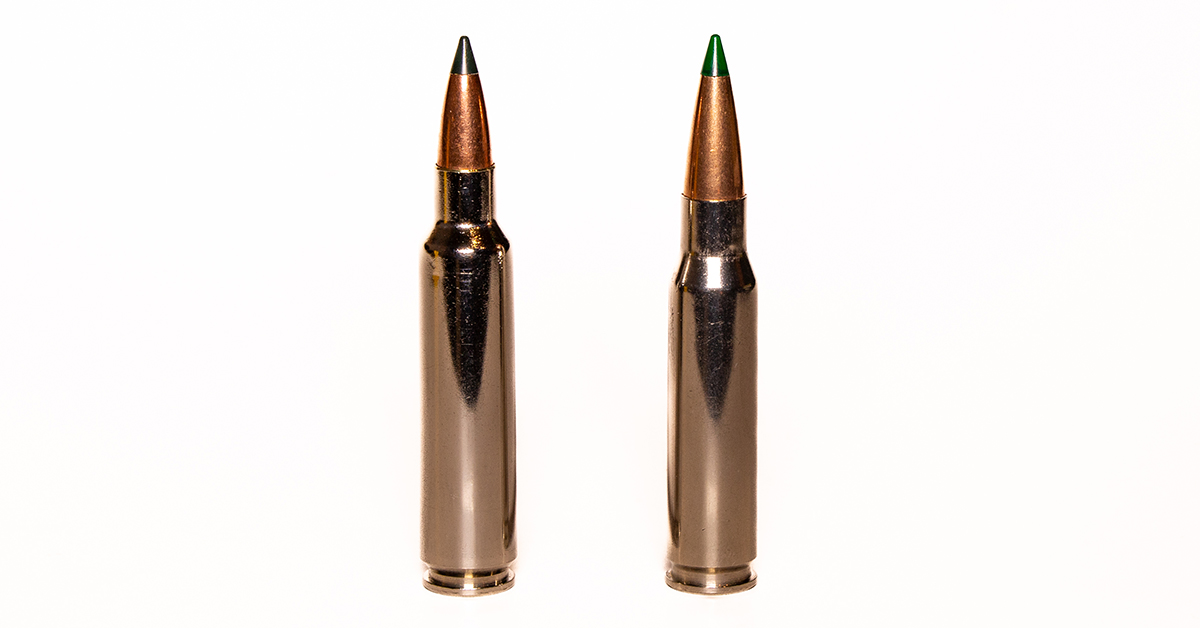
Except for the 284, all the cartridges Winchester chambered in their Model 88 and Model 100 rifles were based on the 308 Winchester case. It’s odd that Winchester simply did not neck the 308 Winchester case down to 0.284-caliber in 1963, like Remington did with the 7mm-08 in 1980. Granted, it would not have had the same velocity as the 284 Winchester, but it would have simplified the manufacture of brass.
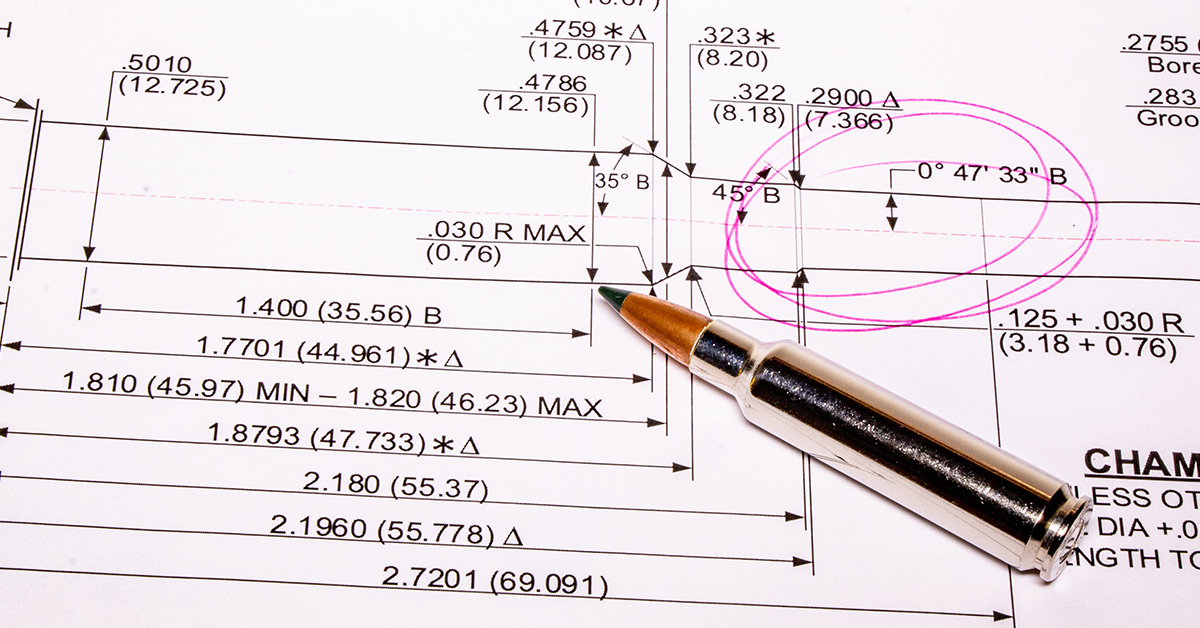
The Sporting Arms and Ammunition Manufacturer’s Institute (SAAMI) lists the instrumental velocity of the 284 Winchester at 2845 fps with a 150-grain bullet, which is 195 fps faster than the 7mm-08 Remington. It appears Winchester really wanted 270 Winchester and 280 Remington performance out of their short action Model 88 and 100 rifles, and the 284 Winchester delivered just that.
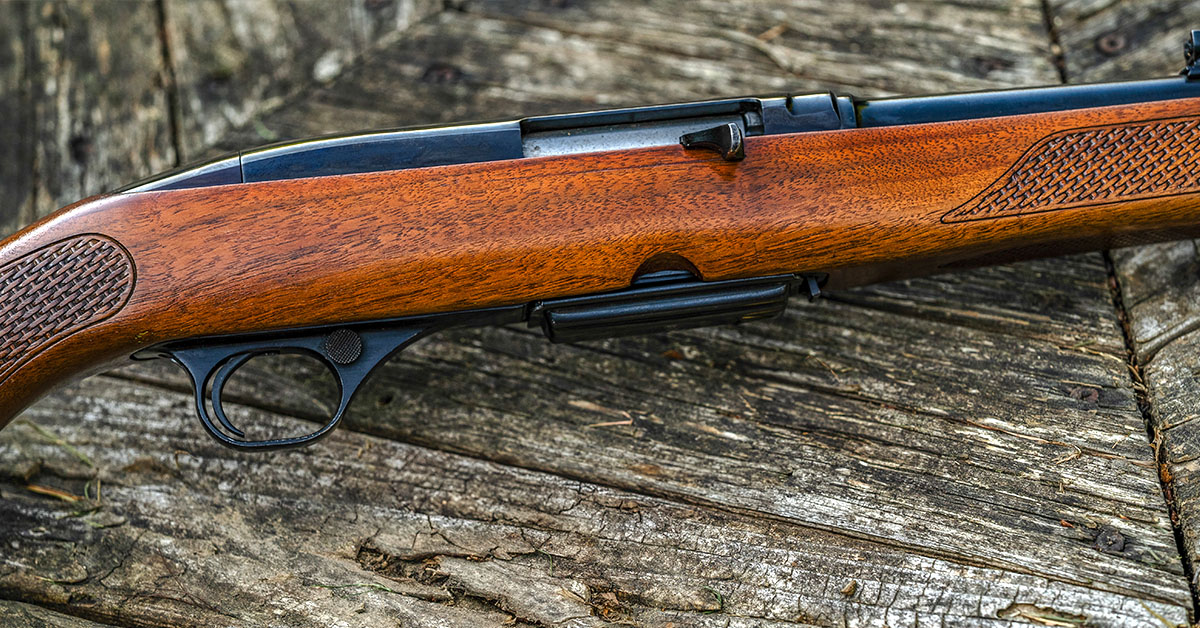
The Winchester Model 88 and 100 rifles were sleek and handled well, but they had an unfixable bad trigger, and precision was hit and miss. By 1973, both had been discontinued; however, the 284 Winchester cartridge was finding favor with hunters in other rifles. It was appealing in Savage’s Model 99, and it was also finding a home in bolt actions. The 284’s steep 35° shoulder prolonged brass life, and many felt it was more conducive to precision than the less sharp shoulder angle of conventional cartridges of that time. This sharp shoulder angle was a selling point of Winchester’s later short and super short magnums and has now become common, if not the standard, as modern cartridges like the Creedmoors, PRCs, and ARCs demonstrate.
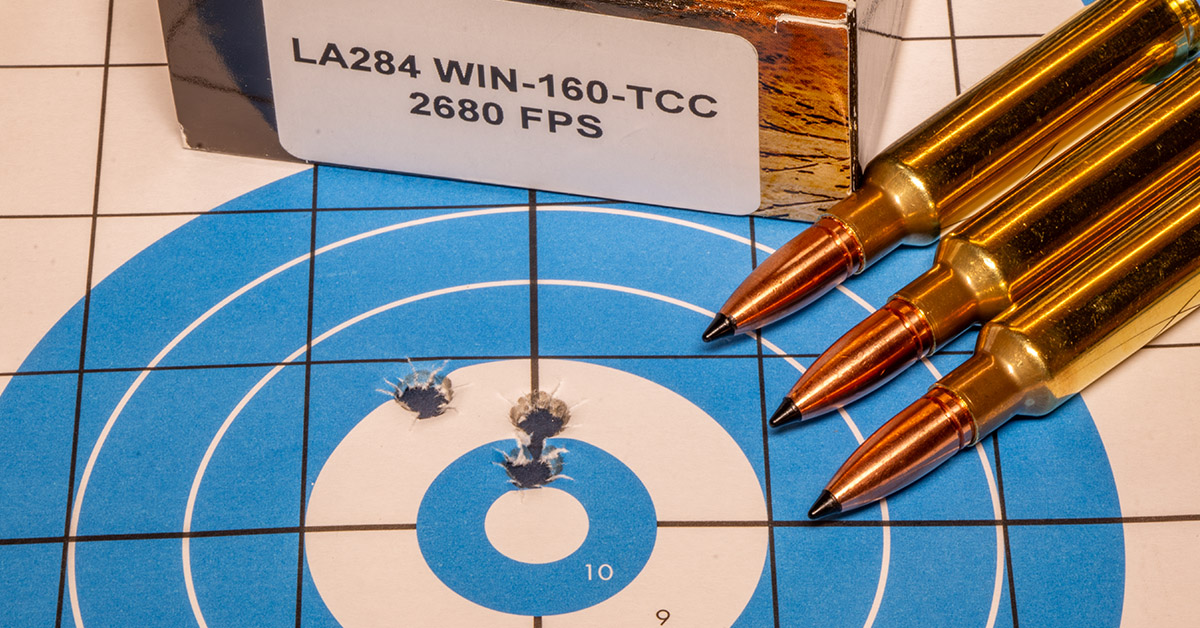
The 284 Winchester case also became popular with wildcat cartridge creators and the most famous of all the 284’s offspring was the 6.5-284. It was very prevalent in long range competition and could be considered the forerunner of the 6.5 Creedmoor and 6.5 PRC. But the 284’s rebated rim concept has also been used in other American-made cartridges like the 22 Nosler and 458 SOCOM. In fact, you can trace the lineage of the 30 Remington AR and the 450 Bushmaster back to the 284 Winchester case.
The 284 Winchester was never as popular as cartridges spawned by the 308 Winchester, but in 1985, it found a home in a custom rifle, and it helped make both legendary.
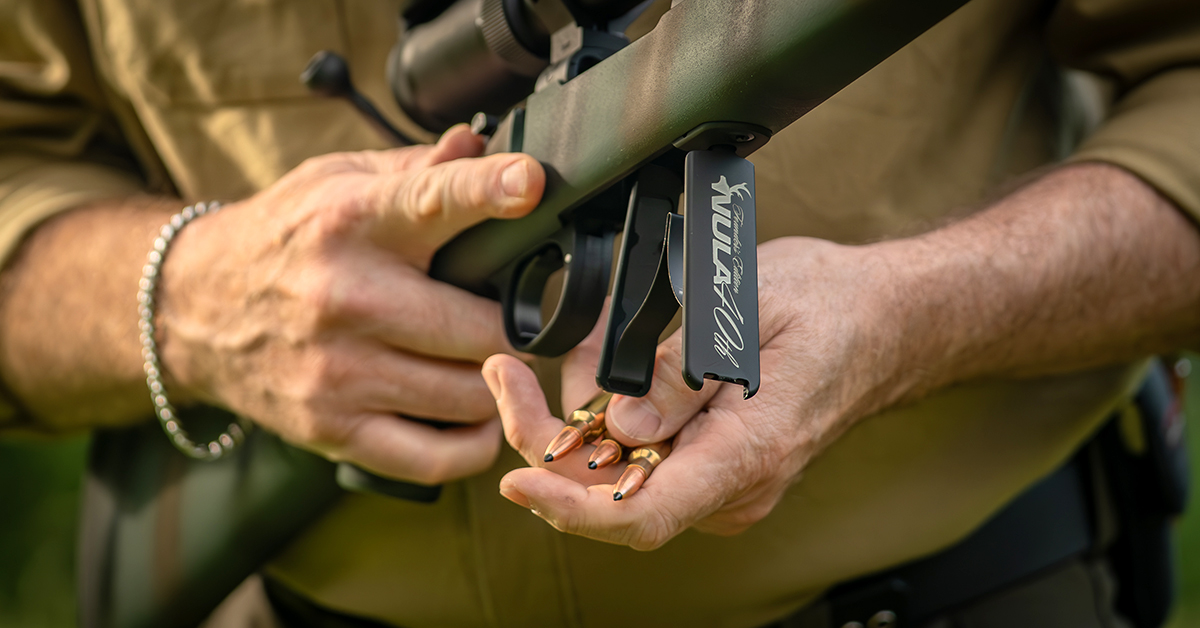
When West Virgina custom gunsmith Melvin Forbes designed his Model 20 Ultra Light Arms rifle, he created it with a three-inch magazine box. His first Model 20 was chambered in 284 Winchester, and that longer magazine box allowed handloaders to seat bullets out a bit further. This made the cartridge more compatible with the long throat SAAMI specified for it. Up until 2022, when Forbes sold his company to Wilson Combat, he had built hundreds of his five-pound Model 20 rifles in 284 Winchester.
Melvin Forbes provided the cartridge introduction for the 284 Winchester in Nosler’s 5th Edition Reloading Guide (2002), and this is what he wrote: “… in the early ’80s. I began working on a line of rifles whose action were exactly proportioned for the cartridge lengths they used, and the very first production Ultra Light Arms rifle was a .284. With a magazine that was just short of 3 inches long, the .284 will hold enough powder to drive a 140-grain bullet at 2900 fps, and that’s about the most horsepower in the smallest package around…There’s little game this cartridge can’t handle.”
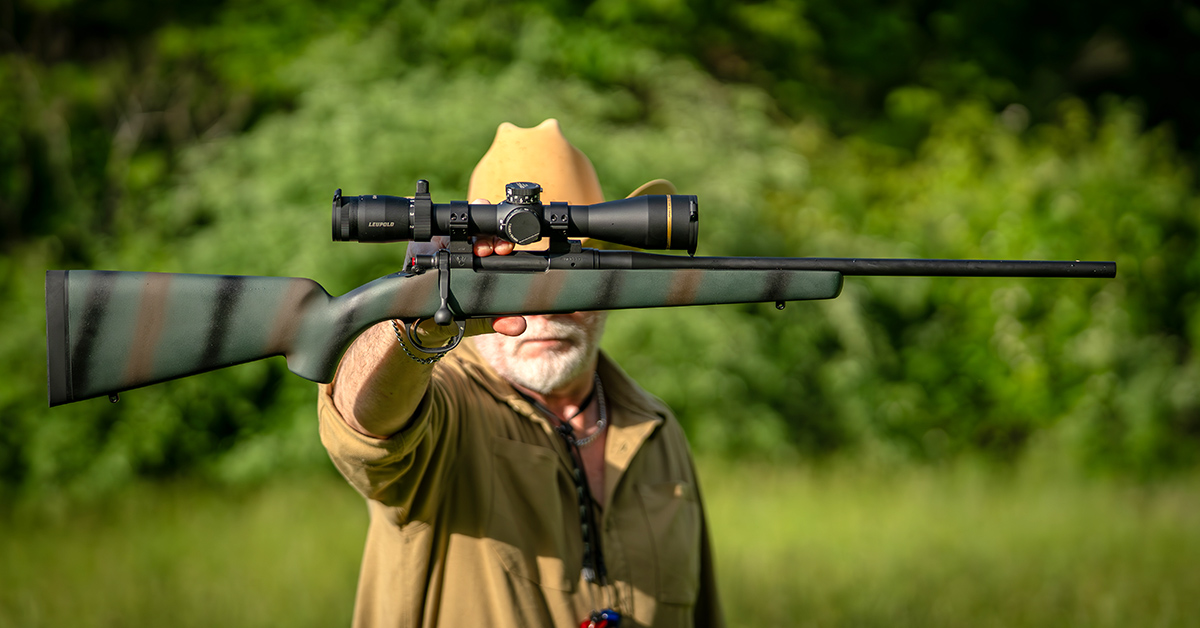
At about that same time, Winchester launched their short magnum line of cartridges and interest in the 284 Winchester subsided; however, even though WSM cartridges like the 270 WSM and 7mm WSM were ballistically superior to the 284, they were so fat they limited magazine capacity. And in 2005, when gun writer Rick Jamison sued Winchester over his role in the development of the WSM cartridges, it led to their near disappearance from the marketplace. Later, with the introduction of the fast-twist 6.5 Creedmoor, 6.5 PRC, and 7mm PRC, the end of the first short magnum cartridge — the 284 Winchester — was solidified. It could not compete ballistically, largely because it had a SAAMI-specified twist rate of 1 in 10, which would not handle the high ballistic coefficient (BC) bullets modern hunters wanted to shoot.
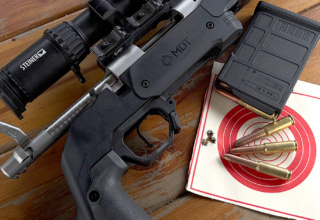
Today, you’ll have better luck finding a pile of unicorn poop than you will a new rifle chambered for the 284 Winchester. Well, almost. To celebrate the 40th year of manufacture of the magnificent NULA (New Ultra Light Arms) rifle Melvin Forbes created in 1985, Wilson Combat is offering a limited run of Model 20 rifles chambered in 284 Winchester. Not only do they have the longer magazine box NULA rifles are famous for, but they also come with a rifling twist rate of 1 in 8.5. (Don’t call Wilson Combat looking for one, they’ve sold out, so you’ll have to reach out to your dealer.) I got to test one of these rifles and work up some handloads for it, and it’s making me wish I’d tried the 284 a long time ago.
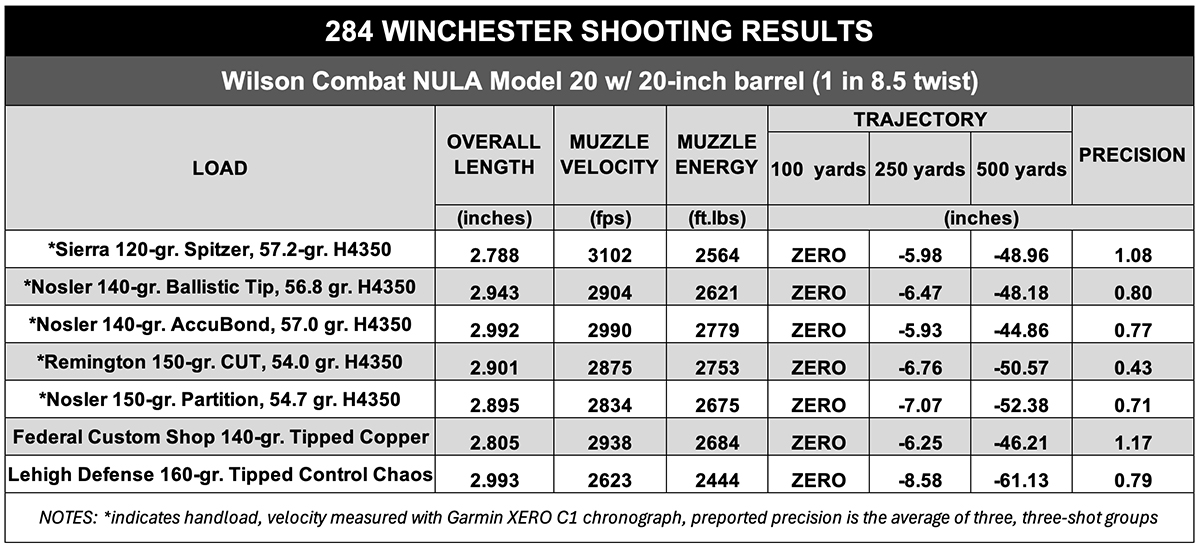
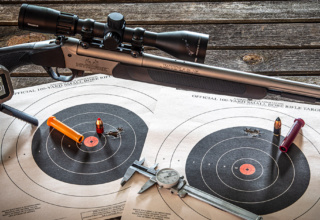
Out of this five-pound rifle with a 20-inch barrel, I handloaded a 140-grain Nosler AccuBond with a maximum charge of H4350 and it produced a muzzle velocity of 2990 fps. The average size of three, three-shot groups was 0.58 inches. From a five-pound rifle, that’s pretty amazing, and this load has a 1/3-second flight distance of 300 yards. That’s better than a 6.5 PRC or a 270 Winchester. It also means you can sight your rifle in and hold dead on out to 300 yards and the bullet will never be more than three inches above or below your line of sight.
And that — as the first short magnum rifle cartridge — is exactly what the 248 Winchester was designed to deliver.
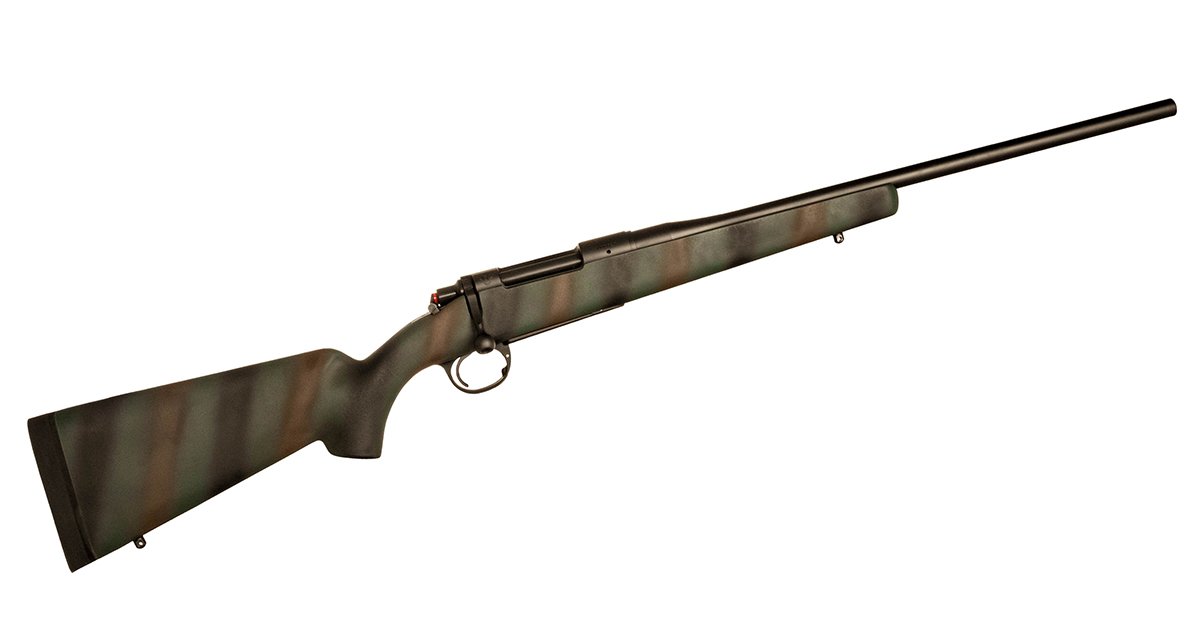
The 284 might be near extinction, but there is no question it was a cartridge that was truly ahead of its time, just like the rifle Melvin Forbes built for it 40 years ago.

- TESTED: Dan Wesson Kodiak 10mm Auto - August 19, 2026
- The 25 RPM: Weatherby’s New Quarter-Bore - June 22, 2026
- Cooper Laid the Foundation… - June 9, 2026